Tag: Food as Medicine

  • Plan An Anti-Cancer Diet

    Nutrition

    The American Cancer Society estimates that one-third of cancer deaths that occur in the U.S. each year are due to dietary factors, inactivity, and being overweight. It’s hard to say exactly how much changing your diet reduces the risk of cancer, but it’s fair to say that the following steps can help.

    Eat less fat, especially from animal sources.

    These include foods such as beef, pork, butter, cream, sour cream, and cheese. Choose non-fat and low-fat dairy products and other foods low in fat. Replace fat-rich foods with fruits, vegetables, grains, and beans.

    Eat more fruits, vegetables, and whole-grain products like cereal and bread.

    Eat at least 5 servings of fruits and vegetables each day. Fruits and vegetables help protect against some cancers due to the vitamins, minerals, fiber, and plant chemicals they contain. Vary your choices. Foods with whole grains (wheat, rice, oats, and barley) also contain vitamins, minerals, and dietary fiber. Have six to 11 servings of whole-grain breads, cereals, etc. each day.

    Eat fewer cured, grilled, or smoked foods.

    When eaten in excess, these foods may increase the risk of stomach and esophageal cancer. This increase may be due to one or more of the following: nitrites and nitrates they contain; their high fat content; or changes that occur when they’re cooked or processed.

    Limit consumption of alcohol, if you drink at all.

    Combined with cigarette smoking, over-consumption of alcohol has been shown to increase the risk of cancer of the mouth, esophagus, and larynx. Also, alcohol may promote breast cancer regardless of whether you smoke or not. Excessive drinking also contributes to liver cancer. Cancer risk increases with the amount of alcohol consumed. The risk may start to rise having as few as two drinks per day. A drink is defined as 12 ounces of regular beer, 4 to 5 ounces of wine, or 1-1/2 ounces of 80-proof distilled spirits, like vodka or whiskey.

    Be physically active and maintain a desirable weight.

    Obesity is associated with an increased risk of cancers of the colon and rectum, prostate, breast (for women past menopause), endometrium, and kidney. Lose weight if you are overweight. Exercise on a regular basis.

    Page from A Year of Health Hints book by the American Institute for Preventive Medicine. www.HealthyLife.com. All rights reserved.

    © American Institute for Preventive Medicine
  • Can Food Prevent Cancer?

    HEALTHY EATING

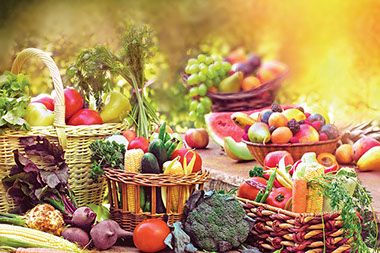
    A variety of baskets filled with fruits and vegetables.

    Studies have shown that eating healthy foods, especially plants, can help prevent certain health problems. It can help you avoid type 2 diabetes, heart disease and stroke. Some research also shows that a healthy diet can help prevent cancer.

    There is no single food or diet that will always prevent cancer. Many times, cancer is caused by things we cannot control. But there is promising research that says a healthy diet can lower your risk of some cancers. Here is what researchers have found.

    Fruits and vegetables

    We already know fruits and vegetables are good for you. They are full of vitamins, fiber and other nutrients. Eating lots of fruits and vegetables may lower the chances of getting lung, colorectal, oral, esophagus, stomach and colon cancer. The Mediterranean Diet, which includes lots of fruits and vegetables, is one diet plan that seems to have anti-cancer ability.

    In addition to fruits and vegetables, people should get enough calcium and vitamin D. These nutrients may play a role in lowering the risk of getting colorectal cancer.

    Phytochemicals – a health booster

    Phytochemicals are special chemicals found in plants. Some studies suggest that they can lower your cancer risk. Phytochemicals may:

    *  Boost your immune system

    *  Help block cancer-causing substances called carcinogens

    *  Lower inflammation that can lead to cancer

    *  Help your DNA repair itself

    *  Slow down the growth of cancer cells

    *  Get rid of damaged cells in the body

    Phytochemicals are found in fruits, vegetables, legumes and whole grains. Foods that have bright colors or strong flavors tend to have the most phytochemicals.

    What not to eat

    Some foods may increase the risk of some cancers. Avoid or limit:

    *  Heavily processed meats like ham, bacon, sausage and salami

    *  Alcohol, which may increase the risk of mouth, throat, esophagus, breast, colorectal and liver cancer

    *  Foods that cause indigestion and heartburn. Long-term heartburn can increase the risk of esophagael cancers

    Most experts agree that nutritional supplements have not been shown to fight cancer. Stick to eating healthy foods for more cancer-fighting power.

    Your doctor is your partner in helping to prevent cancer and other health problems. Be sure to discuss your cancer risk and the best diet for you.

    Sources: American Academy of Family Physicians, American Institute for Cancer Research, National Institute of Diabetes and Digestive and Kidney Diseases

    © American Institute for Preventive Medicine
  • Cancer-Fighting Foods

    HEALTHY EATING

    Top view cup of tea and tea pot.

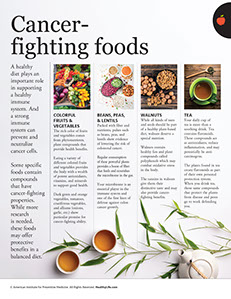
    A healthy diet plays an important role in supporting a healthy immune system. And a strong immune system can prevent and neutralize cancer cells.

    Some specific foods contain compounds that have cancer-fighting properties. While more research is needed, these foods may offer protective benefits in a balanced diet.

    Colorful fruits & vegetables

    The rich color of fruits and vegetables comes from phytonutrients, plant compounds that provide health benefits.

    Eating a variety of different colored fruits and vegetables provides the body with a wealth of potent antioxidants, vitamins, and minerals to support good health.

    Dark green and orange vegetables, tomatoes, cruciferous vegetables, and alliums (onions, garlic, etc.) show particular promise for cancer-fighting ability.

    Beans, peas, & lentils

    Packed with fiber and nutrients, pulses such as beans, peas, and lentils show evidence of lowering the risk of colorectal cancer.

    Regular consumption of these powerful plants provides a boost of fiber that feeds and nourishes the microbiome in the gut.

    Your microbiome is an essential player in the immune system and one of the first lines of defense against colon cancer growth.

    Walnuts

    While all kinds of nuts and seeds should be part of a healthy plant-based diet, walnuts deserve a special mention.

    Walnuts contain healthy fats and plant compounds called polyphenols which may combat oxidative stress in the body.

    The tannins in walnuts give them their distinctive taste and may also provide cancer-fighting benefits.

    Tea

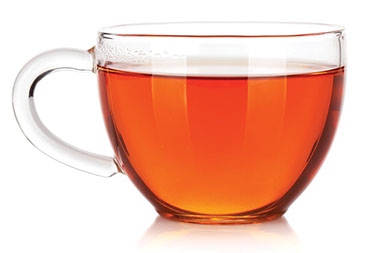
    Your daily cup of tea is more than a soothing drink. Tea contains flavonoids. These compounds act as antioxidants, reduce inflammation, and may potentially be anti-carcinogens.

    The plants found in tea create flavonoids as part of their own personal protection system. When you drink tea, those same compounds that protect the plants from disease and pests go to work defending you.

    © American Institute for Preventive Medicine
  • Cholesterol: To Eat Or Not To Eat?

    HEALTHY EATING

    Bowl with salman, nuts, cucumbers.

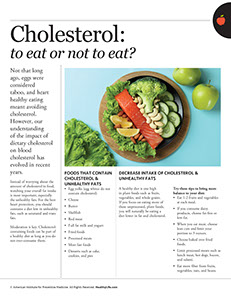
    Not that long ago, eggs were considered taboo, and heart healthy eating meant avoiding cholesterol. However, our understanding of the impact of dietary cholesterol on blood cholesterol has evolved in recent years.

    Instead of worrying about the amount of cholesterol in food, watching your overall fat intake is most important, especially the unhealthy fats. For the best heart protection, you should consume a diet low in unhealthy fats, such as saturated and trans fats.

    Moderation is key. Cholesterol-containing foods can be part of a healthy diet as long as you do not over-consume them.

    Foods that contain cholesterol & unhealthy fats

    *  Egg yolks (egg whites do not contain cholesterol)

    *  Cheese

    *  Butter

    *  Shellfish

    *  Red meat

    *  Full fat milk and yogurt

    *  Fried foods

    *  Processed meats

    *  Most fast foods

    *  Desserts such as cake, cookies, and pies

    Decrease intake of cholesterol & unhealthy fats

    A healthy diet is one high in plant foods such as fruits, vegetables, and whole grains. If you focus on eating more of these unprocessed, plant foods, you will naturally be eating a diet lower in fat and cholesterol.

    Try these tips to bring more balance to your diet:

    *  Eat 1-2 fruits and vegetables at each meal.

    *  If you consume dairy products, choose fat-free or low-fat.

    *  When you eat meat, choose lean cuts and limit your portion to 3 ounces.

    *  Choose baked over fried foods.

    *  Limit processed meats such as lunch meat, hot dogs, bacon, and salami.

    *  Eat more fiber from fruits, vegetables, oats, and beans.

    © American Institute for Preventive Medicine
  • Cracking The Benefits Of Eggs

    HEALTHY EATING

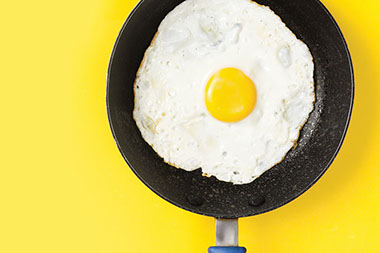
    Image of an egg in a frying pan.

    Very low sugar

    For people who need to watch their sugar or carbohydrate intake, eggs can be a good option. A large egg contains less than a fifth of a gram of natural sugar.

    Protein

    A large egg contains about 6 grams of high-quality protein. Protein can help you feel fuller, longer. This is because it’s slower to digest than carbohydrates.

    Protein is the building block for many important functions in the body. It helps build new skin, bones, muscles and blood.

    Protein may also help you keep your energy levels up throughout the day.

    Healthy fats

    Eggs contain omega-3 fats. These fats help with brain function. Experts think omega-3 fats may also help improve heart health.

    Eggs are low in saturated fat. Saturated fat is the type of fat linked to heart disease and other health problems. Most of the fat in eggs is found in the yolk.

    Vitamins and minerals

    Eggs contain a number of vitamins, including:

    *  Vitamin A, which is important for eye health

    *  Vitamin B12, which helps make red blood cells

    *  Folate, which can help prevent certain birth defects in pregnant women and is needed to make DNA in the body

    *  Vitamin D, which is important for bone health and immune system function

    Eggs also contain minerals that the body needs, such as iron, selenium and iodine.

    Enjoy eggs safely

    Eggs should be cooked thoroughly before eating. Raw or undercooked eggs can have dangerous bacteria like salmonella. This can make a person very sick. But, cooking eggs until the yolks are firm helps avoid this risk. Eggs should also be kept in the refrigerator. Don’t use any eggs that are past the expiration date.

    If you have any health conditions, ask your doctor before making changes to your diet.

    Sources: Academy of Nutrition and Dietetics, National Institutes of Health, United States Department of Agriculture

    © American Institute for Preventive Medicine
  • Diet & Fertility

    HEALTHY EATING

    Couple in kitchen cooking together.

    While many factors that affect fertility are beyond your control, lifestyle habits are something you can change for the better when trying to conceive.

    Eating a nutritious diet and maintaining a healthy weight put your body in the right condition for reproduction. Choosing a quality diet is an essential part of the process.

    What to eat

    There are still gaps in our understanding of the best diet to promote fertility. However, we do know a healthy diet is beneficial in all stages of life. Here are some general guidelines that have been shown to support fertility:

    *Choose healthy fats.These include monounsaturated and omega 3 fats. Olive oil, avocados, fatty fish, nuts, and seeds are good sources of these fats.

    *Up your plant intake.Fruits, vegetables, whole grains, beans, legumes, and nuts and seeds should feature heavily in your diet.

    *Women should consume foods high in iron.Plant sources of iron include beans, lentils, leafy greens, fortified cereals, and whole grains. For better absorption, include vitamin C-rich foods such as citrus, berries, and peppers.

    *Women should take a daily prenatal multivitamin.It should include 400 micrograms of folic acid.

    What to avoid

    The eating pattern considered beneficial for fertility also includes foods to limit when trying to conceive.

    *Trans fats.These less healthy fats are found in some processed foods. Choosing a whole food diet will naturally eliminate many unhealthy trans fats.

    *Less animal protein.Small quantities of beef, chicken, pork, and fish are OK, but most people benefit from cutting back, especially red meat.

    *Junk food.Processed foods high in sugar, salt, and fat don’t support reproductive health.

    *Overeating.Men or women who are overweight or obese may benefit from gradual, healthy weight loss to boost fertility.

    *Fad diets.Avoid following fads as these diets are often imbalanced or can lead to rapid, unhealthy weight loss which may interfere with fertility.

    © American Institute for Preventive Medicine
  • Does Tea Make You Healthier?

    HEALTHY EATING

    A cup of tea.

    There are many claims about the health benefits of tea. Here are the facts we know:

    *  Tea contains small amounts of minerals. But it’s not enough to meet your needs. Eat a balanced diet with fruits, vegetables, whole grains and lean protein.

    *  There is no solid evidence that tea can help with weight loss. Be wary of “weight loss teas,” as some may contain harmful ingredients.

    *  Tea contains antioxidants. They may help lower the risk of some health problems. Green tea and matcha tea may contain more polyphenols than other types of tea. Experts don’t know for sure that tea will prevent or cure any diseases, though.

    *  Processed teas and tea powders don’t contain as many antioxidants as fresh tea. Use tea leaves and tea bags for the most antioxidants.

    Tea can be part of a healthy eating plan. Steep your own tea and skip the added sugar.

    Sources: Academy of Nutrition and Dietetics, U.S. Food and Drug Administration

    © American Institute for Preventive Medicine
  • Easy Food Swaps For A Healthy Heart

    HEALTHY EATING

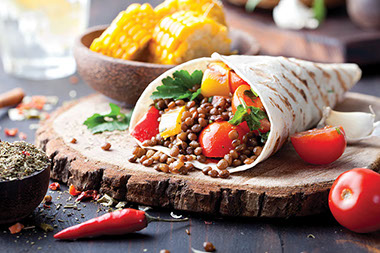
    Image of a healthy vegetable wrap.

    Eating better for your heart doesn’t have to be complicated. In fact, making some small substitutions in your diet each day can add up to better health. It doesn’t require a big investment of time or money to make these changes:

    Instead of: Crackers or chips

    Try: Unsalted nuts and seeds

    Crackers and chips are processed foods with few vitamins and minerals. They’re often loaded with salt, sugar or excess fat.

    Nuts and seeds, on the other hand, contain heart healthy unsaturated fats that can improve blood cholesterol levels. They also contain fiber, which can help lower cholesterol and fight constipation. They’re convenient to take on the go and offer a satisfying crunch.

    Instead of:  White dinner rolls or pasta

    Try: Whole grain breads and pasta

    White “refined” breads and pastas have much of the natural nutrients stripped out during processing. They usually have little to no fiber. This means they don’t help you feel full and they can cause a drop in blood sugar a short time after they are eaten.

    Instead of white pasta and bread, try a whole grain option. Whole wheat pasta, quinoa and brown rice contain fiber, nutrients and even protein that’s great for your heart. Eating whole grains instead of refined grains may lower the risk of heart attack, stroke and obesity.

    Instead of: Cheesy pasta or sandwiches

    Try: Avocado sliced or spread

    Cheese can be eaten in moderation as part of a healthy diet. But many processed cheeses contain saturated fat, salt and artificial ingredients.

    Instead of processed cheese, try creamy avocado. Diced avocado pairs well with cherry tomatoes and herbs as a pasta topping. Try ripe avocado on a sandwich in place of sliced cheese. Avocado contains monounsaturated fats, which are heart health superstars. It also has antioxidants to help fight heart disease.

    Instead of:  Lunch meat sandwiches

    Try: Hummus and vegetable wraps

    Most deli meats contain a large amount of salt. A diet high in salt can lead to high blood pressure, which increases the risk of heart disease and stroke. They may also contain saturated fat, which may raise the risk of heart problems.

    Skip the meat and try a plant-based sandwich that still offers protein without the extra salt and unhealthy fat. Almond butter and peanut butter taste great on whole grain bread. Hummus offers protein and fiber, and pairs well with vegetables on whole grain wrap bread.

    Source: American Heart Association

    © American Institute for Preventive Medicine

  • Eating Right With Gout

    SELF-CARE CORNER

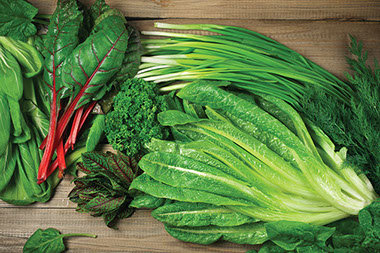
    Variety of leaft greens.

    Gout is a type of arthritis. It can develop if a person has high levels of a substance called uric acid in their blood. Uric acid can form sharp crystals in the joints. This can cause severe pain, redness, warmth and swelling. Gout often affects the big toe, but it can affect other joints.

    Sometimes gout doesn’t cause any pain for a while. Then, a person may get severe pain in the affected joint. This is called a gout attack. When a gout attack happens, uric acid levels go up or the crystals in the joint cause irritation. A gout attack is very painful.

    In addition to pain, gout can cause heart problems. People who have gout may be more likely to have heart failure, a heart attack or stroke. Eating certain foods can help keep uric acid levels low. This can help a person prevent gout attacks.

    What to eat with gout

    If you have gout, you may want to eat more of the following foods:

    *  Leafy green vegetables

    *  Other green vegetables like green beans and peas

    *  Legumes like beans and lentils

    *  Tofu

    *  Low-fat or fat-free milk and dairy products

    *  Whole grain breads and cereals

    *  Vegetable oils like olive oil

    *  Coffee (if you already drink it)

    *  Citrus fruits like grapefruit and oranges

    *  Pineapple

    *  Strawberries

    *  Cherries

    In addition, drink at least eight glasses of water a day.

    Skip these foods & drinks

    Certain foods and beverages can trigger gout attacks. Avoid the following:

    *  Beer (alcoholic and  non-alcoholic)

    *  Alcoholic drinks

    *  Soda, fruit juice, and foods with high-fructose corn syrup

    *  Organ meats like liver and sweetbreads

    *  Cold water fish like tuna, salmon and trout

    *  Shellfish like mussels, scallops, squid, shrimp, oysters, crab and lobster

    Eating a healthy diet is a great way to manage gout and help avoid attacks. It also helps to get regular exercise. Be sure to see your doctor as recommended. Your doctor may prescribe gout medication if needed and will discuss your heart disease risk.

    Sources: American Heart Association, Arthritis Foundation

    © American Institute for Preventive Medicine
  • Eating To Enhance Gut Health

    HEALTHY EATING

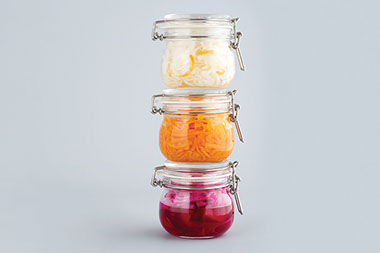
    Three stacked jars with picked carrots, beets and onion.

    The health of your gut microbiome is a significant factor in the health of your entire digestive system. How well your stomach and intestines digest and absorb the food you eat depends on the condition of the microorganisms in your gut.

    In turn, what you eat can either support the diversity of your microbiome or disrupt the delicate balance.

    Certain foods provide necessary nutrients to support the growth of beneficial bacteria. The more beneficial bacteria you have in your digestive tract, the less room there is for unhealthy bacteria to grow.

    Probiotics

    Probiotics are live bacteria and yeasts which have beneficial functions in the body. Probiotics may be present in foods that have undergone fermentation. Ingesting probiotics through food or supplements can boost the number of beneficial microorganisms in your digestive system.

    Regular consumption of foods that contain probiotics may improve digestive health and boost the immune system. Choose some of these foods as part of your daily diet:

    *  Yogurt (with live active cultures) or kefir

    *  Saukraut

    *  Kombucha

    *  Tempah

    *  Miso

    *  Kimchi

    *  Pickles

    Prebiotics

    Prebiotics provide essential nutrients that feed beneficial bacteria and encourage their growth.

    Most prebiotics are a type of fiber that is indigestible to the body. The microorganisms in the digestive tract can break down these fibers into short-chain fatty acids (SCFA). These SCFAs provide valuable food for the probiotic communities in the body. Beneficial prebiotic foods include:

    *  Garlic

    *  Onion

    *  Asparagus

    *  Bananas

    *  Oats

    *  Flaxseeds

    *  Apples

    Should you take a supplement?

    Supplements containing probiotics are widely available. However, supplements are not regulated by the FDA and should be approached with caution.

    Talk to your doctor before starting any supplement to make sure it is a safe choice for you. In the meantime, probiotic and prebiotic foods are a generally safe way to support gut health.

    © American Institute for Preventive Medicine