Tag: Food as Medicine

  • Fun Facts About Cruciferous Vegetables

    HEALTHY EATING

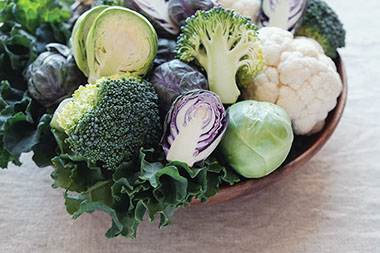
    A bowl filled with broccoli and brussels sprouts.

    *  The word “cruciferous” means “cross bearing.” These vegetables got this name because the four petals on cruciferous vegetables make a cross shape.

    *  Brussels sprouts and broccoli are rich in magnesium. This mineral is needed for hundreds of different functions in the body, including bone health, muscle relaxation, nerve function and blood sugar control.

    *  Cruciferous vegetables get their taste and aroma from sulfur compounds called glucosinolates. Glucosinolates help the body protect cells from damage. This could be a factor in preventing some types of cancer.

    Sources: Academy of Nutrition and Dietetics, American Institute for Cancer Research

    © American Institute for Preventive Medicine

  • Go Nuts For A Healthy Heart

    HEALTHY EATING

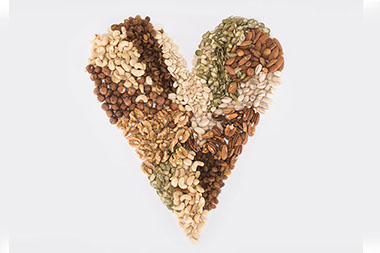
    Variety of nuts shaped into a heart.

    Nuts often get a reputation as being unhealthy. We add them to cookies and ice cream. People eat them by the handful at parties. But do nuts deserve a bad rap?

    Concerns about calories

    For years, many people avoided nuts because they are high in calories and fat. However, newer research finds that nuts can be an important part of a healthy diet. They contain many nutrients needed for body functions.

    The key is to eat nuts in moderation. This means you may need to eat smaller portions. Then, you can avoid eating too many calories from nuts.

    Look at the serving size on a package of nuts to get an idea of how much to eat. One serving may be quite small (2-4 tablespoons).

    Some Fats are Healthy

    Yes, most nuts are high in total fat. But these fats found in nuts actually promote good health! Most are high in healthy monounsaturated or polyunsaturated fats.

    Monounsaturated and polyunsaturated fats can help lower bad cholesterol, which can lower the risk of heart disease and stroke. The American Heart Association recommends people eat more of these fats from healthy sources like nuts and seeds.

    Protein packed

    Nuts are a good source of plant-based protein. Protein is an essential nutrient that the body needs for building muscle, repairing tissues and making hormones.

    It takes longer for the body to digest proteins than carbohydrates. That’s why eating some protein could help you feel less hungry than if you ate only carbohydrates, like crackers or bread.

    The Dietary Guidelines for Americans recommend that people eat healthy sources of protein, like those that come from nuts and seeds, and plant foods.

    Which types to eat

    Of course, there are many different kinds of nuts. Each type tastes different and may contain a variety of nutrients. As long as you’re not coating nuts with sugar and salt, any type can be healthy.

    Take a look at your favorite nut’s nutrition facts and go from there. For instance, macadamia nuts are one of the highest in calories and fat per ounce. But take those calories into account, and eat them instead of chips or cookies.

    Replace unhealthy, processed foods with nuts. You’ll get more nutrients and might even feel more full.

    Sources: Academy of Nutrition and Dietetics, National Institutes of Health, U.S. Department of Agriculture

    © American Institute for Preventive Medicine

  • Mood-Boosting Foods

    HEALTHY EATING

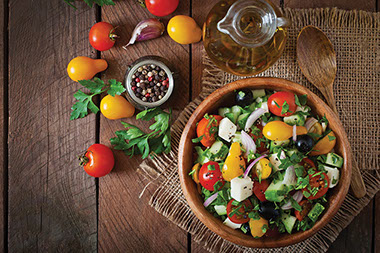
    Fresh salad bowl.

    A healthy diet can have an effect on your brain. It can actually make you feel happy.

    Eat plenty of foods with omega-3 fats. These heart-healthy fats are found in fish, flaxseeds and walnuts, and may help reduce the risk of developing depression.

    Focus on the Mediterranean Diet. This diet includes lots of plant-based foods like fruits and vegetables, as well as olive oil, whole grains, fish, poultry, eggs and beans.

    Source: American Heart Association

    © American Institute for Preventive Medicine

  • Omega-3 Has Mega Benefits

    HEALTHY EATING

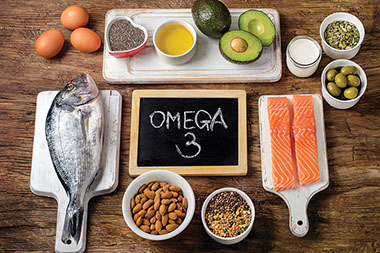
    A variety of food that contains Omega-3.

    Fatty fish like salmon have high amounts of omega-3 fats. And these fats are so healthy that they can lower the risk of stroke.

    The American Heart Association says these fats can also lower the risk of heart rhythm problems. They can also lower triglyceride levels.

    Omega-3s can help prevent the clogging of arteries. Eating two servings of salmon each week can help you get enough omega-3s in your diet.

    © American Institute for Preventive Medicine

  • Food For The Brain

    HEALTHY EATING

    Women in kitchen with fresh food on counter.

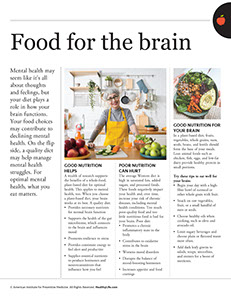
    Mental health may seem like it’s all about thoughts and feelings, but your diet plays a role in how your brain functions. Your food choices may contribute to declining mental health. On the flip side, a quality diet may help manage mental health struggles. For optimal mental health, what you eat matters.

    Good nutrition helps

    A wealth of research supports the benefits of a whole-food, plant-based diet for optimal health. This applies to mental health, too. When you choose a plant-based diet, your brain works at its best. A quality diet:

    *  Provides necessary nutrients for normal brain function

    *  Supports the health of the gut microbiome, which connects to the brain and influences mood

    *  Promotes resilience to stress

    *  Provides consistent energy to feel alert and productive

    *  Supplies essential nutrients to produce hormones and neurotransmitters that influence how you feel

    Poor nutrition can hurt

    The average Western diet is high in saturated fats, added sugars, and processed foods. These foods negatively impact your health and, over time, increase your risk of chronic diseases, including mental health conditions. Too much poor-quality food and too little nutritious food is bad for your brain. Poor diet:

    *  Promotes a chronic inflammatory state in the body

    *  Contributes to oxidative stress in the brain

    *  Worsens mood disorders

    *  Disrupts the balance of mood-boosting hormones

    *  Increases appetite and food cravings

    Good nutrition for your brain

    In a plant-based diet, fruits, vegetables, whole grains, nuts, seeds, beans, and lentils should form the base of your meals. Lean animal foods such as chicken, fish, eggs, and low-fat dairy provide healthy protein in small portions.

    Try these tips to eat well for your brain:

    *  Begin your day with a high-fiber bowl of oatmeal or other whole grain with fruit.

    *  Snack on raw vegetables, fruit, or a small handful of nuts or seeds.

    *  Choose healthy oils when cooking, such as olive and avocado oil.

    *  Limit sugary beverages and choose plain or flavored water most often.

    *  Add dark leafy greens to salads, soups, smoothies, and entrees for a boost of nutrients.
    © American Institute for Preventive Medicine

  • Dietary Fiber

    Nutrition

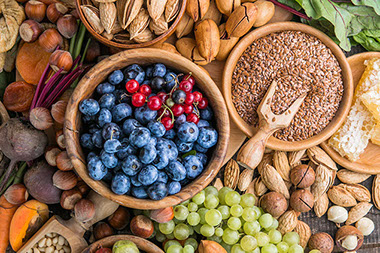
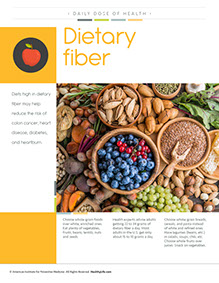
    A variety of foods high in fiber.

    Diets high in dietary fiber may help reduce the risk of colon cancer, heart disease, diabetes, and heartburn.

    Choose whole-grain foods over white, enriched ones. Eat plenty of vegetables, fruits, beans, lentils, nuts and seeds.

    Health experts advise adults getting 22 to 34 grams of dietary fiber a day. Most adults in the U.S. get only about 15 to 18 grams a day.

    Choose whole-grain breads, cereals, and pasta instead of white and refined ones. Have legumes (beans, etc.) in salads, soups, chili, etc. Choose whole fruits over juices. Snack on vegetables.

    Page from HealthyLife Weigh book by the American Institute for Preventive Medicine. www.HealthyLife.com. All rights reserved.

    © American Institute for Preventive Medicine

  • Ways To Improve Heart Health

    HEALTHY EATING

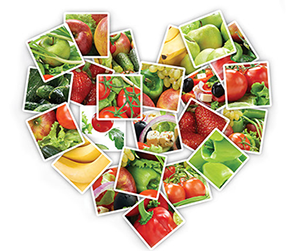
    Images of fruits and vegetables shaped into a heart.

    (With ingredients in the foods you already eat)

    Poor diet increases the risk of high blood pressure, high cholesterol, and poor circulation-3 major factors that affect overall heart health. Know which nutrients and foods in your diet may decrease risk for heart disease-the number one cause of death in the U.S.

    Phytosterols:Compounds similar to cholesterol that are found in all edible plants. They help reduce low density lipoprotein (LDL) cholesterol, which is a main risk factor for heart disease.

    Cocoa flavanols:Can help maintain the elasticity of blood vessels, which contributes to normal blood flow. Quite simply: dark chocolate.

    Omega-3 fatty acids:Primarily found in fish. Have been shown to decrease triglyceride levels, potentially lowering blood pressure.

    Hydroxytyrosol:An antioxidant found in olive oil, protects blood lipids (fats) from oxidative damage.

    Blueberries: May reduce high blood pressure.

    Oat beta-glucan:Daily consumption of at least 3 grams (your morning cereal) effectively lowers cholesterol.

    Grape seed extract:Shown to support blood pressure within a normal range. This is ground up seeds from red wine grapes.

    Vitamin K:Helps to keep excess calcium out of blood vessel walls and improve cardiovascular health. Found in green leafy vegetables.

    Dairy:Daily consumption of low-fat milk products decreases the risk of high blood pressure.

    Almonds:Improves serum fatty acid profiles and decreases the overall risk of heart disease (a handful a day).

    Walnuts:Good source of omega-3 fatty acids and alpha linolenic acid (ALA) which help your heart by preventing dangerous heart rhythms that can lead to heart attacks.

    © American Institute for Preventive Medicine

  • 6 Reasons To Eat Oranges Daily

    HEALTHY EATING

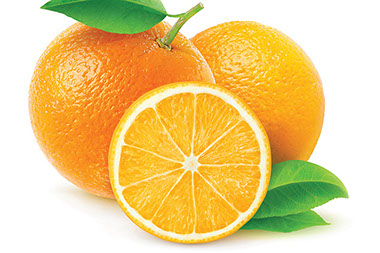
    Image of an orange.

    1. Vitamin C

    One large orange gives you 130 percent of your daily need for vitamin C. This vitamin helps boost immunity and fight cancer.

    2. Fiber

    One sweet, juicy orange delivers 4 grams of fiber. Fiber helps with digestion and may help prevent heart disease and some cancers.

    3. Minerals

    Oranges also contain important minerals such as calcium, magnesium, copper, phosphorus and potassium. These minerals are important for immune health, nervous system and muscle function, and many other body processes.

    4. B vitamins

    Oranges contain several of the B vitamins, which help the body’s cells work properly and provide you with energy.

    5. Calorie-Friendly

    One orange is a lower calorie option to satisfy your craving for something sweet.

    6. Phytochemicals

    Oranges contain hundreds of these plant chemicals that support many metabolic functions in the body.

    Sources: United States Department of Agriculture, National Institutes of Health

    © American Institute for Preventive Medicine

  • A Healthy Diet Helps With Stress

    SUCCESS OVER STRESS

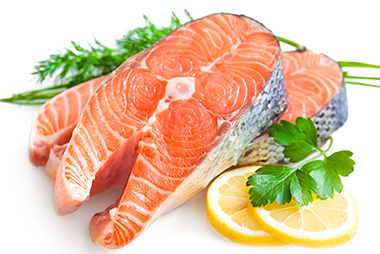
    Image of salmon.

    Can the foods you eat help you cope with stress? Yes, according to experts at the Academy of Nutrition and Dietetics. When you can’t avoid stress completely, focus on these foods to help you through it:

    Whole grains and healthy carbohydrates

    Whole grain bread, pasta, brown rice and sweet potatoes are all complex carbohydrates, which may help boost feel-good hormones in the brain.

    Heart-healthy fats

    Foods rich in omega-3 fats, such as salmon, flax seeds and walnuts may help improve mood and reduce stress and anxiety.

    Soothing hot teas

    Lavender and chamomile teas are good choices to help you relax and potentially get better sleep – keys to dealing with stress.

    Dark chocolate

    The antioxidants in this treat may help reduce stress. Be sure to keep your portion to one ounce or less a day, and choose dark varieties only. Milk and white chocolates do not offer these benefits.

    © American Institute for Preventive Medicine

  • Apple Cider Vinegar: A Miracle Cure?

    HEALTHY EATING

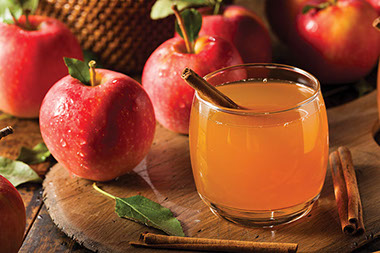
    Image of apple cider vinegar.

    The belief that apple cider vinegar is a “cure-all” has been circulating in recent years on numerous websites and promoted by natural health groups. But, can it really cure diseases and keep you healthy?

    Some say apple cider vinegar helps you lose weight, control blood sugar and improve digestion. Unfortunately, these health claims have not been proven by any valid research study. And, using it in place of medications or healthy lifestyle changes can be downright dangerous.

    In addition, people with heartburn or gastroesophageal reflux disease (GERD) may find that vinegar actually makes their reflux worse. Drinking too much of it can also damage tooth enamel.

    The bottom line: Most healthy people can enjoy apple cider vinegar in food without any problems. But, don’t use it, or any natural remedy, to cure diseases. Always ask your doctor before you try any natural remedy or supplement to be sure it’s safe for you.

    © American Institute for Preventive Medicine