Tag: Food as Medicine

  • Fall Foods Fight Cancer

    HEALTHY EATING

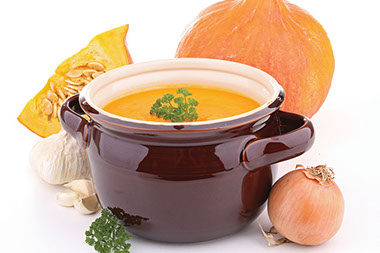
    Image of pumpkin soup.

    The harvest bounty should end up on your dinner table. Stacy Kennedy, a senior nutritionist at Dana-Farber Cancer Institute in Boston, says many fruits and vegetables are at their nutritional peak in the fall so it’s a great time to incorporate them into a healthy diet.

    Kennedy shares the ABC’s of fall foods:

    *“A” is for apple.Studies suggest that eating at least one apple a day can help prevent some types of cancer. Besides being crisp, sweet, and juicy, apples contain quercetin, a nutrient that protects the cells’ DNA from getting damaged. This damage could lead to cancer. Eat apples raw with the skin on because that’s where many of the nutrients are found.

    *“B” is for berries-cranberries.Eat cranberries year-round. Cranberries contain benzoic acid, which has been shown to inhibit the growth of lung cancer, colon cancer, and some forms of leukemia. Buy bags of fresh cranberries now, while they are in season and at their nutritional peak, and pop them in the freezer for later use. This will help ensure that the berries will provide the highest level of cancer protection whenever they’re used.

    *“C” is for color.Just like the leaves on the trees, fall is a time for colorful vegetables like beets, carrots, and parsnips. They add a burst of color and taste. The brighter and richer the pigment, the higher the level of cancer- fighting nutrients.

    *“D” is for dark leafy vegetables.Kale is a top choice because it’s rich in phytonutrients called indoles, which stimulate liver detoxification and help fight cancer. Other members of the cruciferous family include broccoli, cabbage, and Brussels sprouts.

    *“E” is for everything orange.Pumpkins, squash, carrots, and sweet potatoes are all packed with a cancer-fighting nutrient called carotenoid. Kennedy stresses that pumpkin isn’t just for pies. She suggests eating it year round by adding it to soup, smoothies, pancake batter and even raviolis.

    FYI: Tomatoes and plastic

    To keep your plastic storage containers from becoming discolored from acidic tomato products, spray with a non-stick cooking spray first, then place your food items inside. This food prep advice is from the extension experts at the University of Nebraska-Lincoln.

    © American Institute for Preventive Medicine

  • Eat Up To Boost Immunity

    HEALTHY EATING

    Image of man wearing superhero cape and t-shirt while drinking out of a cup.

    The cold and flu season can take its toll on even the healthiest person. With people coughing and sneezing seemingly everywhere, it can be hard to avoid the many illnesses that make their rounds this time of year.

    The good news is, there are some foods that may help you stave off colds and flu. These foods can boost the immune system, helping it fight off bad viruses that could make you sick. A healthy diet is a key part of a healthy immune system.

    Perhaps these foods don’t have superhero powers, but they act like protectors and guardians for our health. For a super-charged immune system, eat foods that contain these nutrients:

    Vitamin A

    This vitamin regulates the immune system. It keeps skin and tissues in the mouth and stomach healthy, which helps keep out unwanted invaders. Good sources of this vitamin include sweet potatoes, carrots, apricots, red bell peppers, spinach, kale and eggs.

    Vitamin C

    Perhaps the most famous of the immunity vitamins, vitamin C is well known for a reason. It tells your immune system to make antibodies to fight off infections. Citrus fruits like oranges and grapefruit are great sources, as well as red bell peppers, strawberries, broccoli and tomato juice.

    NOTE:grapefruit can interact with medicines. If you take any medicines, ask your doctor before eating grapefruit or drinking grapefruit juice.

    Vitamin E

    This vitamin fights off free radicals, which cause damage to the body’s cells and may harm the immune system. Vitamin E is found in wheat germ, sunflower seeds, hazelnuts, almonds, avocado, peanuts, red bell peppers and eggs.

    Zinc

    This mineral is found in many cold remedies and “immune boosting” vitamins. But, getting it from whole foods is usually better than taking a pill. Find immune-boosting zinc in lean meat, poultry and seafood, as well as cooked beans and lentils, cashews, pumpkin seeds, cottage cheese and fortified breakfast cereals.

    A well-rounded diet is very important to overall health. But, don’t rely on foods alone to keep you healthy this cold and flu season. Eat right, get exercise, get plenty of sleep and wash hands frequently for a healthier winter – and a healthier life. Finally, if you do get sick, these same healthy habits will help you feel better sooner.

    Sources: Academy of Nutrition and Dietetics, Food and Drug Administration

    © American Institute for Preventive Medicine

  • Garlic Secrets

    HEALTHY EATING

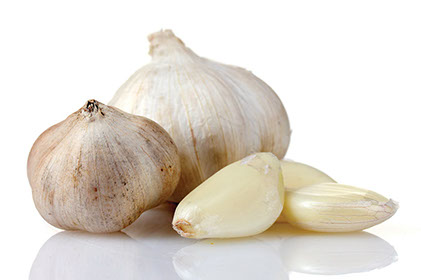
    Image of garlic.

    Use a garlic peeler to quickly peel garlic. A garlic peeler is a cylindrical piece of rubber that you place the garlic in and then roll it on the counter with the palm of your hand. The peel will stick to the inside of the peeler, and the garlic will fall out the end. If you don’t have a garlic peeler, you can do the same thing with a rubber jar opener, say extension experts at the University of Nebraska-Lincoln.

    Bonus tip:

    To mince garlic without having it stick to your knife, add a few drops of water to the garlic and then chop. The garlic sticks to the cutting board and not your knife.

    © American Institute for Preventive Medicine
  • Good Mood Foods

    HEALTHY EATING

    Image of couple eating dinner.

    Colder temps, darker and longer days, and the temptation to eat more and move less. Sound like your winter schedule? Boost your mood with this advice from Highmark, a health care company.

    *Focus on nutrient-rich foods.Eating “comfort foods” may help you relax and give you a mood boost, but it’s only temporary. Nutrient-rich foods like fruits, vegetables, whole grains, and lean protein foods provide a consistent and long-lasting impact on your health, mood, energy, and alertness.

    *Cut back on your fat intake.A high-fat diet can be a real brain and energy drainer. Just say “no” to deep-fried foods and look for foods that contain no more than 3 grams of fat per serving.

    *Eat moderate portion sizes and avoid large meals.Have you ever wondered why you feel tired after eating a large meal? During periods of digestion, your blood supply is directed to the digestive tract and away from the rest of the body, which causes you to slow down.

    *Eat regular meals.Skipping meals can slow your metabolic rate, and the lower your metabolism, the lower your energy level. Plan regular meals and snacks to keep your metabolic rate and blood sugar levels normal to provide your brain the best means to function and handle stress.

    *Remember balance, variety, and moderation.The best strategy for maintaining a good mood, high-energy level, and concentration is to consistently eat a wide variety of foods high in nutritional value.

    © American Institute for Preventive Medicine

  • Heart-Shaped Foods Help Your Heart

    HEALTHY EATING

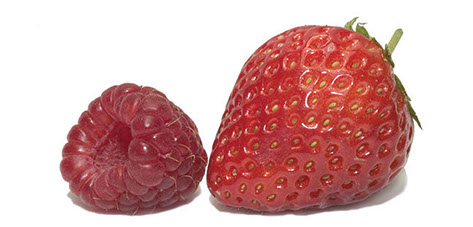
    Image of a berry and strawberry.

    While some dietitians extol the virtues of red wine, dark chocolate, and salmon for heart health, Dr. Katie Eliot, assistant professor of nutrition and dietetics at Saint Louis University, has a different plan.

    Keep it simple. Look to heart-shaped foods to protect your heart.

    “Being red and heart shaped can be a tip off that some foods are good for your heart,” Dr. Eliot said. “Many heart-shaped fruits and vegetables are great sources of antioxidants. These compounds act like shields, taking the hit from free radicals that otherwise damage the body and cause heart disease and cancer.”

    For instance, strawberries and raspberries are loaded with vitamin C and an antioxidant that prevents plaque from forming in arteries. Cherries contain an antioxidant that is thought to protect the blood vessels and is high in potassium, which helps lower blood pressure.

    Tomatoes and red peppers are rich in the antioxidant lycopene, which is in many red fruits and vegetables and works magic by neutralizing free radicals. And acorn squash and apples contain a type of fiber, which reduces bad cholesterol that can clog up your arteries to cause heart attacks and stroke.

    © American Institute for Preventive Medicine

  • How To Use Food To Boost Your Energy

    HEALTHY EATING

    Image of business man eating a salad and cracker at his desk.

    Do you hit an afternoon slump every day? Are you feeling drained despite getting enough sleep? Take a look at your food.

    In general, healthy foods like fruits, vegetables and whole grains will keep your energy levels higher than processed or junk foods. But there are some ways you can use those good foods to boost your energy even more:

    *Eat enough calories.Very strict diets can zap your energy if you’re not eating enough. Healthy weight loss should not exceed one to two pounds per week. If you’re losing much more than that, you may feel tired and could be skipping important nutrients. Women should eat at least 1,200 calories and men should eat at least 1,500 calories per day.

    *Avoid candy and sugary treats.These foods may give you a quick boost of energy, but your body will quickly process the sugar. Then, you’ll feel more tired than before.

    *Eat between meals.Many people find they need small snacks throughout the day to keep their energy up. Keep the snacks small and light, such as a small serving of nuts or fruit.

    *Drink water.Even mild dehydration can make you tired. Aim for eight glasses of water per day. You may need more if you’re exercising or sweating.

    *Don’t overeat during meals.Do you ever feel like taking a nap after a big lunch? Avoid this by eating a moderate sized meal, and stopping when you start to feel full.

    *Don’t rely on “energy bars.”Many of these bars contain as much sugar as a dessert, as well as processed ingredients. Instead, opt for food with protein, healthy fats and whole grains to keep you satisfied.

    Source: Harvard Medical School and Centers for Disease Control and Prevention

    © American Institute for Preventive Medicine

  • Is Cinnamon Good For Your Health?

    HEALTHY EATING

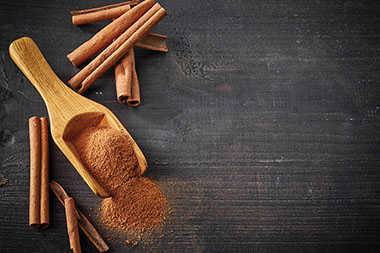
    Image of cinnamon.

    Cinnamon is often used in sugar-loaded treats like cinnamon rolls and lattes. And though it’s a popular spice for desserts, it’s not necessarily an unhealthy choice. The spice has been used for thousands of years, and some recent studies suggest cinnamon may even have health benefits:

    *  A study in the journal Diabetes Care studied 60 people with type 2 diabetes. Some were given cinnamon capsules, and others were given a placebo (a fake pill that contained no cinnamon). Those who consumed the cinnamon for 40 days had lower levels of blood sugar, triglycerides, LDL (“bad”) cholesterol, and total cholesterol.

    *  A study in the Journal of Nutrition suggests that cinnamon and other spices may help reduce triglyceride levels after eating a fatty meal.

    *  The Journal of Neuroimmune Pharmacology published a study that suggests cinnamon may be able to protect the brain against changes that can cause Parkinson’s disease.

    Want to spice up your health with cinnamon? Try adding it to your favorite foods or drinks in place of sugar. Its natural flavor can be a welcome addition to coffee, tea, oatmeal, fruit, and even chili.

    High doses of cinnamon can be dangerous, though. Be sure to talk with your doctor before taking cinnamon or other natural supplement.

    © American Institute for Preventive Medicine
  • The Best Foods To Help You Focus

    HEALTHY EATING

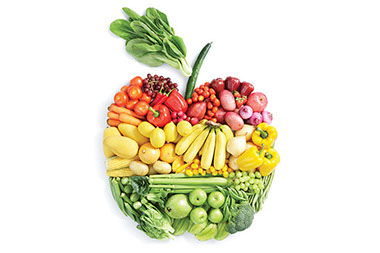
    Image of different vegetables shaped into an apple.

    You know the right foods are good for your body, but did you know they can help your brain too? Many foods can actually improve brain function, according to the Academy of Nutrition and Dietetics:

    *Vegetables.All vegetables can benefit the brain, but certain vegetables seem to be especially helpful. Cruciferous vegetables like broccoli, cabbage or cauliflower boost brain power. Dark leafy greens, such as spinach, kale, mustard greens and dark lettuce, also improve concentration and memory.

    *Dark-colored berries.Blackberries, blueberries and cherries have nutrients that your brain needs for optimal function. Fresh or frozen are great options. If you choose dried fruits, read the label and avoid any with added sugar.

    *Omega-3 fatty acids.Fatty fish, such as salmon, bluefin tuna, sardines and herring contain high amounts of omega-3 fatty acids. Vegetarian sources include flaxseeds, chia seeds and walnuts.

    In addition, these foods are also great for your heart and overall health. Try working them into your daily diet for maximum brain benefit and a healthier you.

    © American Institute for Preventive Medicine