Tag: Food Safety

  • When In Doubt, Throw It Out

    Home Safety

    Take steps to avoid foodborne illnesses.

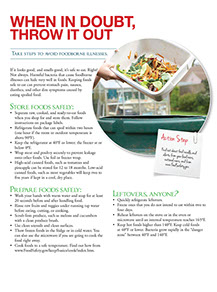
    If it looks good, and smells good, it’s safe to eat. Right? Not always. Harmful bacteria that cause foodborne illnesses can hide very well in foods. Keeping foods safe to eat can prevent stomach pain, nausea, diarrhea, and other dire symptoms caused by eating spoiled food.

    Store foods safely:

    *  Separate raw, cooked, and ready-to-eat foods when you shop for and store them. Follow instructions on package labels.

    *  Refrigerate foods that can spoil within two hours (one hour if the room or outdoor temperature is above 90°F).

    *  Keep the refrigerator at 40°F or lower; the freezer at or below 0°F.

    *  Wrap meat and poultry securely to prevent leakage onto other foods. Use foil or freezer wrap.

    *  High-acid canned foods, such as tomatoes and pineapple can be stored for 12 to 18 months. Low-acid canned foods, such as most vegetables will keep two to five years if kept in a cool, dry place.

    Prepare foods safely:

    *  Wash your hands with warm water and soap for at least 20 seconds before and after handling food.

    *  Rinse raw fruits and veggies under running tap water before eating, cutting, or cooking.

    *  Scrub firm produce, such as melons and cucumbers with a clean produce brush.

    *  Use clean utensils and clean surfaces.

    *  Thaw frozen foods in the fridge or in cold water. You can also use the microwave if you are going to cook the food right away.

    *  Cook foods to a safe temperature.

    Leftovers, anyone?

    *  Quickly refrigerate leftovers.

    *  Freeze ones that you do not intend to eat within two to four days.

    *  Reheat leftovers on the stove or in the oven or microwave until an internal temperature reaches 165°F.

    *  Keep hot foods higher than 140°F. Keep cold foods at 40°F or lower. Bacteria grow rapidly in the “danger zone” between 40°F and 140°F.

    Action Step

    Find out about food recalls and alerts from your local news, national news, and from
    www.FoodSafety.gov.

    Ways to Well-Being book by the American Institute for Preventive Medicine. www.HealthyLife.com. All rights reserved.

    © American Institute for Preventive Medicine
  • Choosing Low-Mercury Fish

    HEALTHY EATING

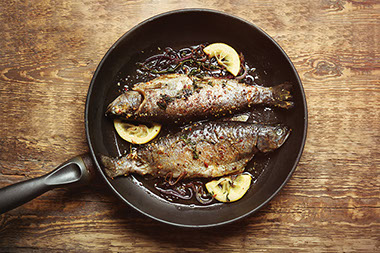
    Fish in frying pan.

    Fish are a healthy choice of protein. They are low-calorie and contain fats that can boost heart health.

    However, fish also contain mercury. Some fish contain high amounts, but others contain very low amounts. Fish absorb mercury from the environment. But they also get it from manufacturing, coal burning and other things.

    The type of mercury found in fish is called methylmercury. Too much methylmercury can damage a person’s brain and nervous system. This is even more dangerous for a developing fetus and for young children.

    Is fish safe to eat?

    Fish is safe and healthy to eat if you choose the right kind of fish and the right amounts. A serving size of fish is four ounces. This is about the size of the palm of your hand. Adults should eat at least two “palm-size” portions each week.

    Children should eat less than this amount. Ask your child’s pediatrician about the recommended amount for their age.

    Pregnant and breastfeeding women should avoid high-mercury fish. They can eat up to 3 palm-sized servings of low-mercury fish each week.

    Low-mercury fish types

    There are many types of fish that are low in mercury. They include the following:

    *  Anchovies

    *  Cod

    *  Flounder

    *  Haddock

    *  Herring

    *  Oyster

    *  Perch, freshwater and ocean

    *  Pickerel

    *  Pollock

    *  Salmon

    *  Sardines

    *  Scallops

    *  Shrimp

    *  Sole

    *  Tilapia

    *  Tuna, canned light (limit albacore to 1 serving/week)

    *  Whitefish

    High mercury fish to avoid

    The following types of fish are high in mercury. People should not eat these types of fish.

    *  King mackerel

    *  Marlin

    *  Orange roughy

    *  Shark

    *  Swordfish

    *  Tilefish (Gulf of Mexico)

    *  Tuna, bigeye

    Local fishing

    If you like to eat fish caught from local waters, check fish advisories first. Then, eat only one palm-size serving and don’t eat other fish that week.

    Fish advisories can be found on the Environmental Protection Agency (EPA) website. Go tofishadvisoryonline.epa.gov.

    Sources: U.S. Environmental Protection Agency, U.S. Food and Drug Administration

    © American Institute for Preventive Medicine
  • Clean Cut: Cutting Board Safety

    HEALTHY EATING

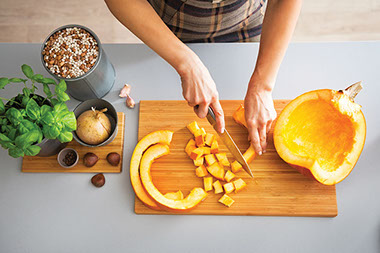
    Bird-eyes view, cutting vegetable on a cutting board.

    Cutting boards are useful for all types of slicing, dicing and chopping. They can save your countertops and make meal prep easier. But without careful cleaning, your cutting board could contaminate your foods and make you sick. Every surface your food touches needs to be clean, especially those that touch raw meat, poultry and seafood.

    When to clean your cutting board

    For a clean surface, remember to wash your board:

    *  Before using it for the first time.

    *  After it has held raw meat, poultry, seafood, eggs or flour.

    *  Before switching foods and moving on to the next step, even if it’s for the same meal.

    *  After you’re done using it.

    How to clean your cutting board

    *  Scrub your board thoroughly with hot, soapy water and a clean cloth or brush. Then rinse with hot water.

    *  If your board touched meat, fish or poultry, disinfect it after you wash it. You can do this by using a diluted bleach solution. Combine one tablespoon of bleach with one gallon of water. Pour the solution all over the board and let it sit for five minutes. Finally, rinse it well.

    *  Let it air dry or dry it with a clean towel if you need to dry it quickly.

    *  If it’s dishwasher safe, put your cutting board in the dishwasher. Be aware that some cutting boards may crack or split in the dishwasher, so follow the manufacturer’s directions.

    Other tips for clean cutting

    Buy two different boards. Use one board for meats and the other for ready-to-eat foods like fruits and breads. Get different colors so you can tell them apart.

    Replace your cutting board if it has a lot of wear, cuts or grooves. It can be hard to clean in the small grooves, which can be a hiding spot for germs.

    © American Institute for Preventive Medicine
  • How Caffeine Affects Your Brain

    WELL-BEING

    Two people walking and talking.

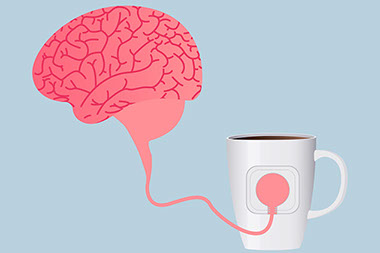
    Every day, millions of people wake up with a hot cup of coffee or tea. Caffeine in these products helps you feel alert. But how does caffeine work – and what does it do to your brain?

    Adenosine and sleepiness

    Your body naturally makes a chemical called adenosine. It builds up in your body during the day. As levels get higher, you start to feel tired.

    Caffeine blocks adenosine from working on brain cells. This prevents you from feeling sleepy. But it can’t fool your body forever. Over time, your body makes more adenosine. Then you need more caffeine to get the same “perk-up” effects.

    Adenosine is one of the reasons it’s hard to quit caffeine. When you suddenly stop, your body must start making lower levels of adenosine again. This takes time. You might feel more tired or get headaches while your body adjusts.

    Sensitivity varies

    Have you ever had too much caffeine? You might feel sick to your stomach or like your heart is racing. You may also feel anxious or nervous.

    But not everyone has this reaction. Some people break down caffeine faster than other people. How fast you process caffeine depends on your genes.

    Who should skip caffeine?

    Avoid caffeine if you have:

    *  Acid reflux or other digestive problems

    *  Trouble sleeping or sleep disorders

    *  High blood pressure

    *  Heart conditions

    Children, teens and women who are pregnant or breastfeeding are often advised to stay away from caffeine, too.

    Is caffeine safe?

    For most healthy adults, a little caffeine each day is OK. But choose sources without lots of added sugar, such as overly sweetened coffee drinks and sweet teas. And if you’re tired all the time, make sure you’re:

    *  Getting enough sleep

    *  Eating a healthy diet

    *  Drinking enough water each day

    *  Getting regular exercise, which can boost your energy levels

    Talk to your doctor if you have questions about caffeine and your health.

    Source: National Institutes of Health

    © American Institute for Preventive Medicine
  • Make Your Picnic Fun & Safe

    HEALTHY EATING

    Family have a picnic.

    Many people enjoy outdoor eating throughout the spring and summer. But don’t let unsafe food rain on your picnic. Food poisoning can happen when food is not kept at the right temperature during barbecues and outings. Dangerous bacteria can grow on the food and make people sick.

    Luckily, there are some simple precautions you can take to be sure your picnic food stays safe to eat.

    Clean hands

    If you’re using a picnic site without running water and soap, bring your own. A large jug of water, some soap and paper towels will work.

    If you don’t have a jug of water, use antibacterial hand wipes. Encourage everyone to clean their hands before eating, after using the bathroom and before serving food.

    Hot and cold

    One of the keys to eating safe food is to keep hot foods hot and cold foods cold. Don’t let food become just warm or room temperature.

    The “danger zone” for bacteria to grow is between 40 and 140 degrees. If food stays at this temperature for two hours, bacteria can grow rapidly. If it’s hot outside (90 degrees or above), food can become unsafe after just one hour in the danger zone.

    To keep food cold, use ice packs or fresh, clean ice. Check it often to be sure the ice is still cold. Try to avoid opening the cooler too often.

    To keep hot foods hot, use insulated containers and microwaveable heat packs. Keep children away from hot containers or heat packs.

    Dishes and utensils

    If you’re using a grill, you may need to place raw meat, poultry or seafood on the grill. But be careful about what that raw food touches.

    Don’t reuse a plate or utensils that touched raw meat, poultry or seafood. Germs from the raw food can contaminate the cooked food and cause illness. Wash all the dishes and utensils in hot, soapy water before using them again.

    Wash produce before you go

    Before you pack your picnic basket, wash any fresh fruits or vegetables. This will ensure they are clean when you are ready to eat.

    Source: Food and Drug Administration

    © American Institute for Preventive Medicine
  • Nuts & Allergies

    HEALTHY EATING

    Image of hands holding sign that says "Nut Free".

    Food allergies affect millions of people. With a food allergy, the immune system reacts to the food like it’s an invader. It may cause swelling, trouble breathing, hives and itching.

    Nut allergy dangers

    Nut allergies can be life-threatening.

    A person who is allergic to nuts could have a reaction from being near someone eating nuts. Even a tiny crumb of nuts left on a table could be life-threatening. This is why many schools do not allow nuts in classrooms or lunchrooms.

    If you or your family member has a nut allergy, you can still enjoy some nut alternatives. They can be just as delicious – and nutritious – as nuts.

    Nut alternatives

    Nuts contain plant-based protein, healthy fats and some vitamins and minerals. If you can’t eat nuts, don’t worry. There are other foods with these benefits!

    *Legumes:Soybeans, peas, lentils and chickpeas are legumes. They can be roasted as a snack or in salads. Some people are allergic to some types of legumes, however. Be sure to ask about legume allergies before using them for passing dishes or at school.

    *Seeds:There are so many kinds to choose from, like sunflower, pumpkin, chia, flax and hemp. They go well with salads, in smoothies or as a snack.

    *Avocadoes:Although not a significant source of protein, avocadoes are rich in healthy fats, B vitamins, potassium and magnesium. Avocadoes can go on many foods, from toast to salads to  stir-frys.

    Nut-Free butter Options

    Many nut-free butters make a great sandwich or spread for fruit. They taste a lot like peanut butter but without the peanuts.

    Today’s nut-free butters may contain soybeans, sunflower seeds, chickpeas or peas. These can all be healthy alternatives to nuts. Most contain some healthy fats and protein. Check the label for added salt or sugar.

    The Bottom Line

    Nuts are a healthy choice – and there are allergy-free options available. If you have an allergy to nuts, read all food labels. Look at allergen information and ingredients to stay safe.

    © American Institute for Preventive Medicine
  • The Skinny On Processed Foods

    HEALTHY EATING

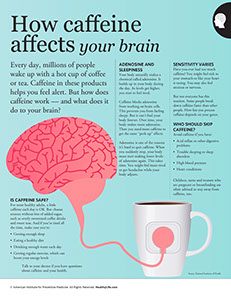
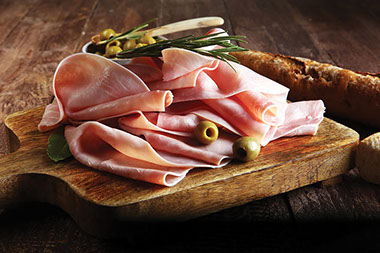
    Turkey deli on cutting board.

    White bread, packaged cookies and turkey bacon. What do these foods have in common? They are all processed foods. Processed food is the opposite of “whole food,” or food in its natural state.

    What does “processed foods” mean?

    It means the food has been changed from its natural state. White bread, for instance, may contain wheat flour that has been bleached and stripped of some of its nutrients. Packaged cookies may have bleached and stripped flour in addition to added sweeteners, artificial colors, preservatives and flavors. Turkey bacon is cured, processed and packaged.

    Not all processed  foods are bad

    There is a difference between foods that are minimally processed and “junk foods.” Frozen vegetables, for instance, may be considered “minimally processed.” They are not quite the same as picking the vegetables right from a garden. But if they don’t have added sugar or salt, frozen vegetables are a very healthy option.

    In addition, some foods that are considered “processed” can help people eat better. Canned fruit (without added sugar) or bagged salads are a convenient option for many people. They eliminate the extra work of gathering the food, washing it and cutting it.

    Sugar & salt overload

    Many processed “junk” foods contain too much added sugar or salt. Also, they may have little to no fiber or vitamins.

    Processed foods, including crackers and packaged snacks, are a major reason that people get too much sodium in their diets. Too much sodium raises the risk of high blood pressure and heart disease.

    Many processed foods also contain added sugars. The American Heart Association says we should limit added sugars to 6 teaspoons a day for women and 9 teaspoons for men. One 12-ounce soda exceeds that amount. Too much added sugar increases risk for type 2 diabetes and heart disease.

    Processed = weight gain?

    A recent study by the National Institutes of Health suggests that processed foods can cause weight gain. Participants who were given processed foods ate about 500 calories more per day than people who ate unprocessed foods. They also gained weight, while the people who ate unprocessed foods lost weight. You don’t have to cut all processed foods out of your diet. But cutting back on them – and eating more whole foods – will help you work toward a healthier weight.

    Sources: Academy of Nutrition and Dietetics, American Academy of Family Physicians, American Heart Association, National Institutes of Health

    © American Institute for Preventive Medicine

  • What To Know About Moldy Food

    HEALTHY EATING

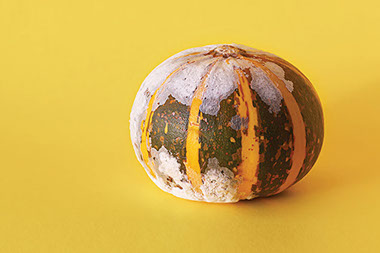
    A squash that has mold on it.

    All foods can collect mold over time. Have you ever found moldy food and wondered if it was safe to eat? It depends on the food.

    What is mold?

    Molds are tiny, microscopic fungi. They have threadlike roots that can invade soil, plants and yes, the food we eat. They may look like fur or fuzzy green patches. Sometimes mold looks like white dust.

    Some molds can be dangerous to people. They can cause allergic reactions and breathing problems. Other molds can produce poisonous substances called mycotoxins.

    Roots go deep

    Mold’s roots can be hard to see and can be deep in the food. Moldy foods may also have bacteria in them that you can’t see.

    By the time you see mold on the surface of food, the mold roots may have already invaded it. So if you try to cut off the “bad part,” you could still be eating some mold. But there’s good news: You can save a few foods that have small amounts of mold on them.

    Can you eat moldy food?

    Some hard foods are safe to eat if you see mold on the surface. This is because the mold roots can’t invade them. But you have to remove the mold you can see before eating. A few foods you can eat include:

    *  Firm or hard fruits and vegetables, such as carrots, bell peppers and cabbage.

    *  Hard cheeses, such as cheddar, provolone, parmesan and Swiss.

    *  Hard salami and dry-cured country hams.

    Here’s how you can remove the mold and eat these foods safely:

    1.  Cut at least one inch around and below the mold spot.

    2.  Don’t touch the mold with your knife.

    3.  Discard the entire area you cut away.

    4.  Wash your hands.

    Other fruits, vegetables, cheese, breads and meats aren’t safe to eat if you see mold. Throw them away.

    Source: United States Department of Agriculture

    © American Institute for Preventive Medicine
  • Seven Ways To Make Your Barbecues Healthier

    Nutrition

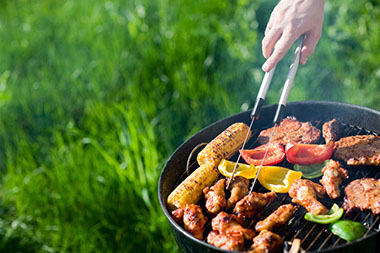
    Image of food on the barbecue grill.

    One of the most popular rites of summer is the outdoor cookout. Unfortunately, evidence suggests that foods cooked on a charcoal, gas, or electric grill may be hazardous to your health.

    The National Academy of Science has discovered a possible link between the grilling of food and the development of what are believed to be cancer-causing compounds. Some researchers suspect that when high-fat, high-protein foods-like hamburgers-are exposed to the intense, searing heat of barbecue cooking, the fat and protein turn into mutagens-chemicals that can damage the genetic material of cells and possibly cause cancer.

    Since the jury is still out on whether or not grilled food definitely causes cancer, it’s probably wise to reserve barbecuing for special occasions, rather than grill food regularly. Some other guidelines to reduce the potential risks from eating grilled food include:

    *  Before cooking meat or poultry (or fish, if applicable), trim away fat. And don’t baste foods to be grilled with butter or oil.

    *  Keep a spray water bottle handy to douse flare-ups.

    *  Position food well above the heat source.

    *  If noticeable amounts of fat drip and flare up as food cooks, lower the flame or move the food to another part of the grill.

    *  Cook food until it’s done, but avoid charring it. The longer food is grilled and the blacker it gets, the higher the risk.

    *  To avoid charring fish and vegetables, wrap them in aluminum foil.

    *  Many foods, like chicken, can be boiled or microwaved before grilling, to reduce fat content and grilling time.

    Page from A Year of Health Hints book by the American Institute for Preventive Medicine. www.HealthyLife.com. All rights reserved.

    © American Institute for Preventive Medicine
  • Be A Smart Meat Eater

    Nutrition

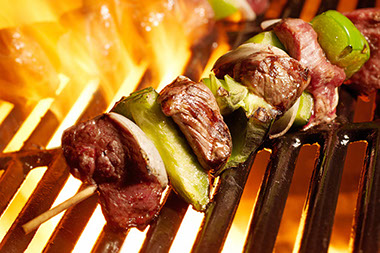
    Image of meat being grilled.

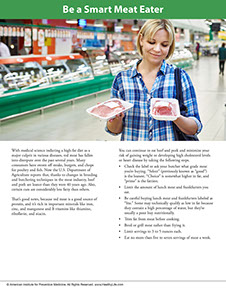
    With medical science indicting a high-fat diet as a major culprit in various diseases, red meat has fallen into disrepute over the past several years. Many consumers have sworn off steaks, burgers, and chops for poultry and fish. Now the U.S. Department of Agriculture reports that, thanks to changes in breeding and butchering techniques in the meat industry, beef and pork are leaner than they were 40 years ago. Also, certain cuts are considerably less fatty than others.

    That’s good news, because red meat is a good source of protein, and it’s rich in important minerals like iron, zinc, and manganese and B vitamins like thiamine, riboflavin, and niacin.

    You can continue to eat beef and pork and minimize your risk of gaining weight or developing high cholesterol levels or heart disease by taking the following steps.

    *  Check the label or ask your butcher what grade meat you’re buying. “Select” (previously known as “good”) is the leanest. “Choice” is somewhat higher in fat, and “prime” is the fattiest.

    *  Limit the amount of lunch meat and frankfurters you eat.

    *  Be careful buying lunch meat and frankfurters labeled as “lite.” Some may technically qualify as low in fat because they contain a high percentage of water, but they’re usually a poor buy nutritionally.

    *  Trim fat from meat before cooking.

    *  Broil or grill meat rather than frying it.

    *  Limit servings to 3 to 5 ounces each.

    *  Eat no more than five to seven servings of meat a week.

    Page from A Year of Health Hints book by the American Institute for Preventive Medicine. www.HealthyLife.com. All rights reserved.

    © American Institute for Preventive Medicine