Tag: foods

  • Cancer-Fighting Foods

    HEALTHY EATING

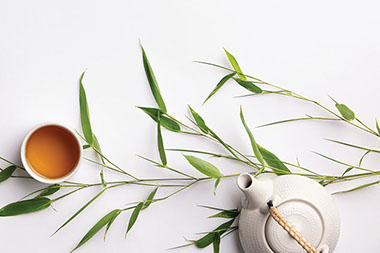
    Top view cup of tea and tea pot.

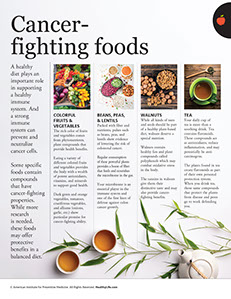
    A healthy diet plays an important role in supporting a healthy immune system. And a strong immune system can prevent and neutralize cancer cells.

    Some specific foods contain compounds that have cancer-fighting properties. While more research is needed, these foods may offer protective benefits in a balanced diet.

    Colorful fruits & vegetables

    The rich color of fruits and vegetables comes from phytonutrients, plant compounds that provide health benefits.

    Eating a variety of different colored fruits and vegetables provides the body with a wealth of potent antioxidants, vitamins, and minerals to support good health.

    Dark green and orange vegetables, tomatoes, cruciferous vegetables, and alliums (onions, garlic, etc.) show particular promise for cancer-fighting ability.

    Beans, peas, & lentils

    Packed with fiber and nutrients, pulses such as beans, peas, and lentils show evidence of lowering the risk of colorectal cancer.

    Regular consumption of these powerful plants provides a boost of fiber that feeds and nourishes the microbiome in the gut.

    Your microbiome is an essential player in the immune system and one of the first lines of defense against colon cancer growth.

    Walnuts

    While all kinds of nuts and seeds should be part of a healthy plant-based diet, walnuts deserve a special mention.

    Walnuts contain healthy fats and plant compounds called polyphenols which may combat oxidative stress in the body.

    The tannins in walnuts give them their distinctive taste and may also provide cancer-fighting benefits.

    Tea

    Your daily cup of tea is more than a soothing drink. Tea contains flavonoids. These compounds act as antioxidants, reduce inflammation, and may potentially be anti-carcinogens.

    The plants found in tea create flavonoids as part of their own personal protection system. When you drink tea, those same compounds that protect the plants from disease and pests go to work defending you.
    © American Institute for Preventive Medicine
  • Mood-Boosting Foods

    HEALTHY EATING

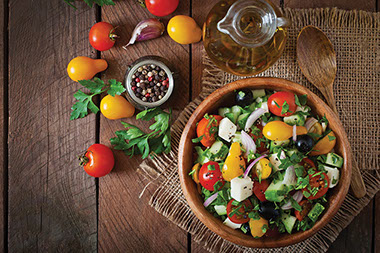
    Fresh salad bowl.

    A healthy diet can have an effect on your brain. It can actually make you feel happy.

    Eat plenty of foods with omega-3 fats. These heart-healthy fats are found in fish, flaxseeds and walnuts, and may help reduce the risk of developing depression.

    Focus on the Mediterranean Diet. This diet includes lots of plant-based foods like fruits and vegetables, as well as olive oil, whole grains, fish, poultry, eggs and beans.

    Source: American Heart Association

    © American Institute for Preventive Medicine
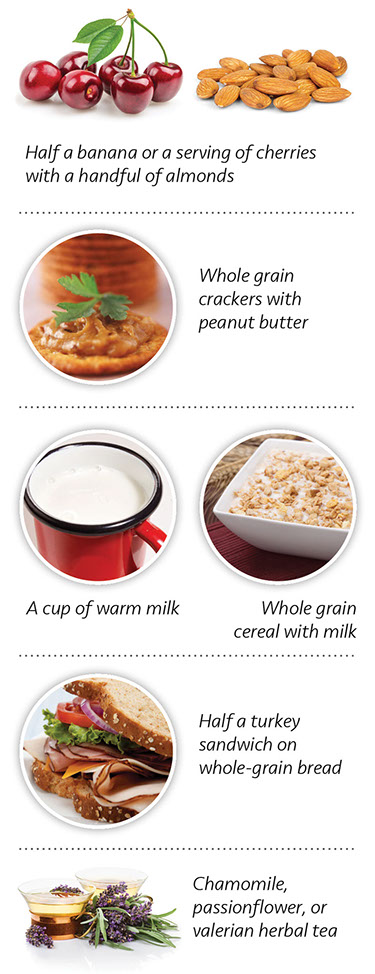
  • Foods For Better Sleep

    WORK LIFE

    Try these before-bed snacks to help you drift off to dreamland. Each of them contains natural chemicals that may help you wind down. Don’t eat too much: a heavy snack may actually keep you awake.

    Source: National Sleep Foundation

    Chart of different foods to help sleep better.

    © American Institute for Preventive Medicine

  • The Best Foods To Help You Focus

    HEALTHY EATING

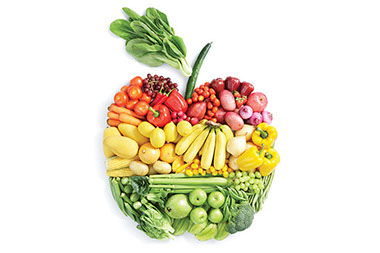
    Image of different vegetables shaped into an apple.

    You know the right foods are good for your body, but did you know they can help your brain too? Many foods can actually improve brain function, according to the Academy of Nutrition and Dietetics:

    *Vegetables.All vegetables can benefit the brain, but certain vegetables seem to be especially helpful. Cruciferous vegetables like broccoli, cabbage or cauliflower boost brain power. Dark leafy greens, such as spinach, kale, mustard greens and dark lettuce, also improve concentration and memory.

    *Dark-colored berries.Blackberries, blueberries and cherries have nutrients that your brain needs for optimal function. Fresh or frozen are great options. If you choose dried fruits, read the label and avoid any with added sugar.

    *Omega-3 fatty acids.Fatty fish, such as salmon, bluefin tuna, sardines and herring contain high amounts of omega-3 fatty acids. Vegetarian sources include flaxseeds, chia seeds and walnuts.

    In addition, these foods are also great for your heart and overall health. Try working them into your daily diet for maximum brain benefit and a healthier you.

    © American Institute for Preventive Medicine