Tag: footwear

  • Knees Hurt During Exercise?

    BE FIT

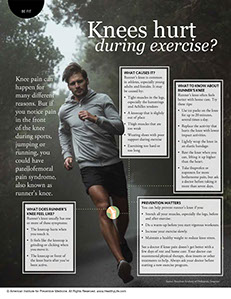
    Man running.

    Knee pain can happen for many different reasons. But if you notice pain in the front of the knee during sports, jumping or running, you could have patellofemoral pain syndrome, also known as runner’s knee.

    What does runner’s knee feel like?

    Runner’s knee usually has one or more of these symptoms:

    *  The kneecap hurts when you touch it.

    *  It feels like the kneecap is grinding or clicking when you move it.

    *  The kneecap or front of the knee hurts after you’ve been active.

    What causes it?

    Runner’s knee is common in athletes, especially young adults and females. It may be caused by:

    *  Tight muscles in the legs, especially the hamstrings and Achilles tendons

    *  A kneecap that is slightly out of place

    *  Thigh muscles that are too weak

    *  Wearing shoes with poor support during exercise

    *  Exercising too hard or too long

    What to know about runner’s knee

    Runner’s knee often feels better with home care. Try these tips:

    *  Use ice packs on the knee for up to 20 minutes, several times a day.

    *  Replace the activity that hurts the knee with lower impact activities.

    *  Lightly wrap the knee in an elastic bandage.

    *  Rest the knee when you can, lifting it up higher than the heart.

    *  Take ibuprofen or naproxen for more bothersome pain, but ask a doctor before taking it more than seven days.

    Prevention matters

    You can help prevent runner’s knee if you:

    *  Stretch all your muscles, especially the legs, before and after exercise.

    *  Do a warm-up before you start vigorous workouts.

    *  Increase your exercise slowly.

    *  Maintain a healthy weight to reduce knee stress.

    See a doctor if knee pain doesn’t get better with a few days of rest and home care. Your doctor can recommend physical therapy, shoe inserts or other treatments to help. Always ask your doctor before starting a new exercise program.

    Source: American Academy of Orthopedic Surgeons

    © American Institute for Preventive Medicine

  • Footwear And Foot Care For Travelers

    Healthy Travel

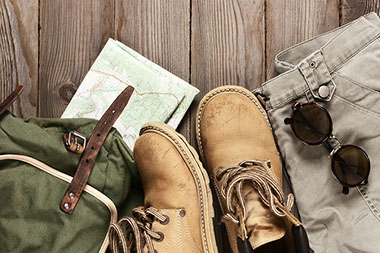
    Image of hiking boots, backpack and map.

    Hours of shopping and sightseeing can leave your feet tired, aching, and sore. Here’s what to do to save yourself the agony of sore feet, blisters, and other foot problems.

    To prepare your feet for the rigors of travel, do each of these exercises several times a day.

    *  Take off your shoes and socks, and pick up a pencil with your toes as you sit.

    *  Rotate your feet in a circular motion in one direction, then in the other.

    *  Point your toes to the ceiling, then to the floor.

    *  Stand, and roll up on your toes and hold for a count of 25.

    *  If you have foot problems and plan to travel, see your podiatrist. He or she may be able to remove corns, for example, or take care of other problems that might cause discomfort if you’re going to be on your feet a lot.

    *  Pack comfortable shoes that you’ve already worn several times. Walking or jogging shoes are best. Avoid high heels, dress oxfords, or other fashion footwear that don’t adequately support your feet.

    *  Take along two pairs of walking shoes, and alternate footwear every other day.

    *  Wear cotton socks, not nylon. (And don’t go sockless.)

    *  If your ankles and feet tend to swell, wear support stockings. Support hose are available for both men and women.

    If these suggestions fail to prevent achy feet or blisters, try these remedies.

    *  Soak your feet in a tub of cool water to which you’ve added one cup of Epsom salts for every gallon of water.

    *  Wash and thoroughly dry your feet every day. Then apply a powder to help absorb perspiration.

    *  Gently massage your feet with a moisturizing lotion. Begin at your toes and work up to your ankles. Massaging the feet can also help to relieve foot cramps.

    *  Don’t pop blisters. Instead, cushion them with a corn pad or bunion pad.

    Page image from A Year of Health Hints book by the American Institute for Preventive Medicine. www.HealthyLife.com. All rights reserved.

    © American Institute for Preventive Medicine

  • How To Buy Sports Shoes That Fit

    Fitness

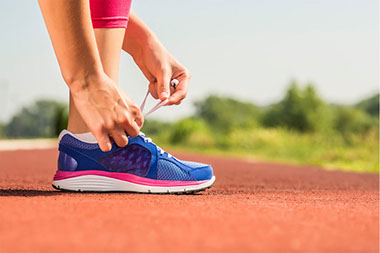
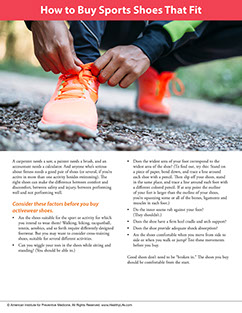
    Image of person lacing tennis shoe.

    A carpenter needs a saw, a painter needs a brush, and an accountant needs a calculator. And anyone who’s serious about fitness needs a good pair of shoes (or several, if you’re active in more than one activity besides swimming). The right shoes can make the difference between comfort and discomfort, between safety and injury, between performing well and not performing well.

    Consider these factors before you buy activewear shoes.

    *  Are the shoes suitable for the sport or activity for which you intend to wear them? Walking, hiking, racquetball, tennis, aerobics, and so forth require differently designed footwear. But you may want to consider cross-training shoes, suitable for several different activities.

    *  Can you wiggle your toes in the shoes while sitting and standing? (You should be able to.)

    *  Does the widest area of your foot correspond to the widest area of the shoe? (To find out, try this: Stand on a piece of paper, bend down, and trace a line around each shoe with a pencil. Then slip off your shoes, stand in the same place, and trace a line around each foot with a different colored pencil. If at any point the outline of your feet is larger than the outline of your shoes, you’re squeezing some or all of the bones, ligaments and muscles in each foot.)

    *  Do the inner seams rub against your foot? (They shouldn’t.)

    *  Does the shoe have a firm heel cradle and arch support?

    *  Does the shoe provide adequate shock absorption?

    *  Are the shoes comfortable when you move from side to side or when you walk or jump? Test these movements before you buy.

    Good shoes don’t need to be “broken in.” The shoes you buy should be comfortable from the start.

    Page image from A Year of Health Hints book by the American Institute for Preventive Medicine. www.HealthyLife.com. All rights reserved.

    © American Institute for Preventive Medicine

  • Lawn Mower Safety

    Personal Safety

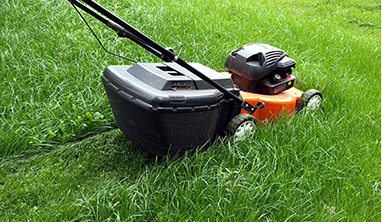
    Image of lawn mower cutting the grass.

    Getting sliced by a lawn mower blade and being hit by rocks or other propelled objects are the two most common lawn mower-related injuries. (Mower blades rotate at nearly 200 miles per hour, and seemingly harmless sticks and stones often become dangerous missiles when picked up and hurled at that speed.) To mow grass safely:

    *  Before you start to mow, clear the lawn of sticks, stones, toys, garden hoses, and so forth.

    *  Don’t use electric mowers on wet grass.

    *  Wear heavy-duty shoes and long pants to protect your legs.

    *  Wear safety goggles to protect your eyes. Wear ear protectors (like those worn on shooting ranges) to protect your hearing.

    *  Push the mower, never pull it (if you have a push mower).

    *  Mow across a slope, not up or down, so the mower doesn’t slide or fall on top of you. Look several feet ahead when mowing.

    *  Turn off the engine if you have to check the blade, or clean or adjust the mower. Never fuel a lawn mower when the engine is hot. Spilled fuel or fumes can result in an explosion or fire. Instead, allow the engine to cool before refueling.

    *  Never allow children to operate a power mower, and keep small children far away from a mower that’s in use.

    A Year of Health Hints book by the American Institute for Preventive Medicine. www.HealthyLife.com. All rights reserved.

    © American Institute for Preventive Medicine

  • Use Ladders Safely

    Home Safety

    Image of a ladder.

    Follow safety tips to keep you from an injury sustained on a ladder.

    *  Make sure your ladder is long enough for you to reach the job without standing on the top three steps or overextending your body.

    *  Check the ladder for cracks or weak spots before you use it. Metal ladders should have nonskid steps and footings. (Don’t paint a ladder; you’ll hide defects.)

    *  Make sure the soles of your shoes or boots are dry and have enough tread to prevent slipping.

    *  Always steady a ladder on firm ground or a flat board.

    *  Never place a ladder in front of a door that someone may open.

    *  Wear tools on a belt or keep them in your pocket so you can keep your hands free when climbing up or down a ladder.

    *  To avoid losing your balance while standing on a ladder, don’t lean too far back or to the side.

    *  Don’t use a ladder outdoors on a very windy day.

    *  To avoid electrocution, don’t use metal ladders near power lines.

    A Year of Health Hints book by the American Institute for Preventive Medicine. www.HealthyLife.com. All rights reserved.

    © American Institute for Preventive Medicine

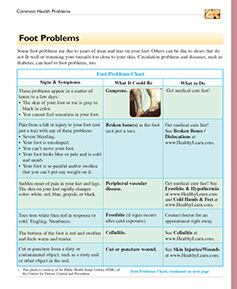
  • Foot Problems

    Bone & Muscle Problems

    Some foot problems are due to years of wear and tear on your feet. Others can be due to shoes that do not fit well or trimming your toenails too close to your skin. Circulation problems and diseases, such as diabetes, can lead to foot problems, too.

    {Note: If you have diabetes or circulation problems, contact your doctor for any foot problems.}

    To Help Prevent Foot Problems

    *  Maintain a healthy weight to avoid excess strain on your feet.

    *  Wear shoes that fit well. Don’t wear shoes with pointed toes or ones that fit too tightly.

    *  Wash and dry your feet daily.

    *  Keep your feet moisturized.

    *  Inspect your feet daily for signs of problems.

    *  Rest your feet by elevating them.

    *  Persons with diabetes and/or circulation problems need to take special care of their feet. Good foot care can prevent some foot infections. It may be necessary for a health care professional to cut the toenails.

    R.I.C.E.

    *  Rest the injured area for 24 to 48 hours.

    *  Ice the area as soon as possible. Keep doing this for 10 minutes every 2 hours for the first 48 hours. Use an ice pack, ice in a heavy plastic bag with a little water, a bag of frozen vegetables, etc. Put a thin towel between the ice pack and the skin.

    *  Compress the area. Wrap with an elastic bandage. Do not cut off circulation. Remove the bandage every 3 to 4 hours, for 15 to 20 minutes each time.

    *  Elevate the area above heart level, if possible. Place it on a pillow, folded blanket, stack of newspapers, etc.

    Athlete’s Foot

    Signs & Symptoms

    Moist, soft, red, or gray-white scales on the feet, especially between the toes. Cracked, peeling, dead skin area. Itching. Sometimes small blisters on the feet.

    What to Do

    SeeAthlete’s Foot.

    Blisters

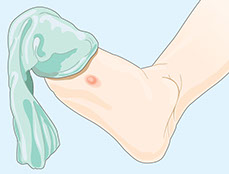
    Illusration of a blister on the foot.

    Signs & Symptoms

    Red, sometimes fluid-filled sores caused by shoes that rub the foot.

    Self-Care / Prevention

    *  Don’t break a blister. If it breaks on its own, apply an antibacterial spray or ointment and cover with a bandage or sterile dressing.

    *  Don’t cut away or pull off the broken blister’s loose skin. This protects the new skin below it.

    Broken Bone(s) in the foot (not just a toe).

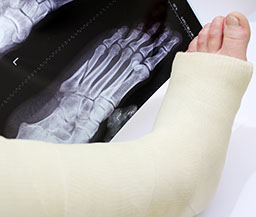
    Image of broken foot.

    Signs & Symptoms

    Pain from a fall or injury to your foot (not just a toe) with any of these problems:

    *  Severe bleeding.

    *  Your foot is misshaped.

    *  You can’t move your foot.

    *  Your foot looks blue or pale and is cold and numb.

    *  Your foot is so painful and/or swollen that you can’t put any weight on it.

    What to Do

    Get medical care fast!

    Broken or Sprained Toe

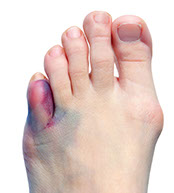
    Image of a broken or sprained toe.

    Signs & Symptoms

    Pain in only one toe after an injury to the toe.

    Buerger’s Disease

    Signs & Symptoms

    Open sores (ulcers) on the toes. Pain on the instep and cold, pale skin color which improves with rest.

    What to Do

    See doctor.

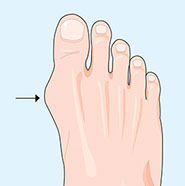
    Bunion

    Illustration of a bunion.

    Signs & Symptoms

    The big toe points inward or outward. A bony bulge at side of the big toe. Thickened skin. Possible fluid build-up near the big toe. Stiffness or pain.

    Self-Care / Prevention

    *  Don’t wear high heels or shoes with narrow toes.

    *  Wear sandals.

    *  Use moleskin or padding to separate overlapped toes.

    *  Try arch supports to reduce pressure.

    *  Use ring-shaped pads over a bunion.

    *  Cut out an old pair of shoes to wear in the house.

    *  Soak your feet in warm water.

    *  If needed, take an over-the-counter pain reliever as directed.

    Callus

    Signs & Symptoms

    Thickened skin on the ball or heel of the foot. Usually no pain.

    Cellulitis

    Signs & Symptoms

    The bottom of the foot is red and swollen and feels warm and tender.

    What to Do

    SeeCellulitis.

    Corn

    Signs & Symptoms

    Thickened skin on tops of and between toes where rubbing is constant. Feels hard to the touch and looks round. Small, clear spot (hen’s eye) may appear in the center.

    Cut or Puncture Wound

    Signs & Symptoms

    Cut or puncture from a dirty or contaminated object, such as a rusty nail or other object in the soil.

    Foot Cramp

    Signs & Symptoms

    Charley horse or muscle spasm in the foot. Often, this occurs at bedtime.

    Self-Care / Prevention

    *  Stretch the foot muscles.

    *  Pull the foot back into a flexed position.

    *  Push the foot into the floor.

    Frostbite (if signs occurs after cold exposure).

    Signs & Symptoms

    Toes turn white then red in response to cold. Tingling. Numbness.

    What to Do

    Contact doctor for an appointment right away.

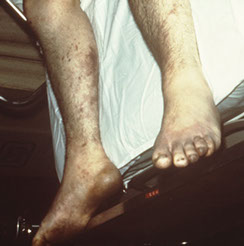
    Gangrene

    Image of gangrene.

    Signs & Symptoms

    These problems appear in a matter of hours to a few days:

    *  The skin of your foot or toe is gray to black in color.

    *  You cannot feel sensation in your foot.

    What to Do

    Get medical care fast!

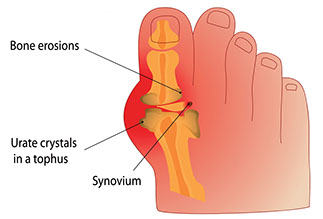
    Gout

    Illustration of gout.

    Signs & Symptoms

    Severe pain in foot joint, often the big toe. The pain is not due to an injury. The joint hurts a lot when anything touches it. The area is red, swollen, and tender.

    What to Do

    See doctor.

    Hammertoe

    Illustration of a hammertoe.

    Signs & Symptoms

    Curled or claw-like position in a toe (usually the 2nd toe). A corn forms on the top of the toe. Pain.

    Self-Care / Prevention

    *  Wear wide, roomy shoes.

    *  Massage the toes or get a foot rub.

    *  Change shoes during the day. Try athletic shoes.

    *  Use small pads over the center of the toe to lessen pressure.

    Heel Spur

    Signs & Symptoms

    Tenderness and pain under the heel bone.

    What to Do

    See doctor.

    Self-Care / Prevention

    *  Use a cushion or heel cup under the heel.

    *  Do not jog or run. Avoid prolonged standing.

    *  Lose weight, if overweight.

    *  Roll a tennis ball under ball of the foot.

    *  Put ice on the heel for 10 minutes. Remove it for 10 minutes. Repeat many times.

    *  If needed, take an over-the-counter pain reliever as directed.

    Infection

    Signs & Symptoms

    A foot wound with: Fever; redness, tenderness, or warmth; swelling; pain; and/or pus.

    What to Do

    See doctor.

    Self-Care / Prevention for Minor Infections

    *  Soak the foot in warm, soapy water for 20 minutes, 4 to 6 times a day. Pat the infected area dry. Use extra care if you have peripheral vascular disease. Make sure the water is not hot.

    *  Apply an over-the-counter antibiotic ointment, such as Neosporin. Cover with a sterile cloth or bandage.

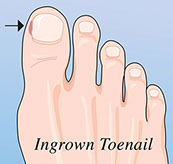
    Ingrown Toenail

    Illustration of ingrown toenail.

    Signs & Symptoms

    Discomfort, pain, tenderness, and/or redness under the corner of a toenail and nearby skin.

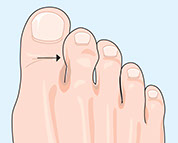
    Morton’s Neuroma

    This is thickening of nerve tissue, usually between the third and fourth toes.

    Signs & Symptoms

    Sharp and burning pain on the ball of the foot.

    Self-Care / Prevention

    *  Wear wide shoes with soft insoles.

    *  Put pads or arch supports in your shoes. These help take pressure off the area.

    *  Take an over-the-counter medicine for pain as directed.

    *  See your doctor if the above measures don’t bring relief.

    Peripheral Vascular Disease

    Signs & Symptoms

    Sudden onset of pain in your feet and legs. The skin on your feet rapidly changes color: white, red, blue, grayish, or black.

    What to Do

    Get medical care fast!

    Planter Fasciitis

    This is a problem with ligaments and tissues in the foot arch.

    Signs & Symptoms

    Pain between the heel and the ball of the foot. Often this is due to walking, running, or putting weight on the foot.

    Self-Care / Prevention

    *  Rest the foot as much as you can.

    *  Use R.I.C.E.

    *  Take an over-the-counter medicine for pain and swelling as directed.

    *  Wear shoes with a solid arch support.

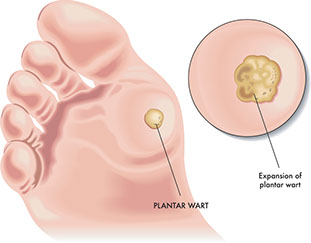
    Planter Wart

    Illustration of plantar wart.

    Signs & Symptoms

    Painful growth on the ball or heel of the foot. Black pinholes or spots in the center.

    Self-Care / Prevention

    *  Try salicylic acid plasters or other over-the- counter products, such as Wart-Off. Follow package directions.

    *  Use cushions in shoes.

    *  Wash your hands after touching warts to avoid re-infection.

    *  Wear sandals in the shower or public areas, such as pools.

    *  Do not pick at plantar warts.

    Rheumatoid Arthritis

    Signs & Symptoms

    Joint pain and morning stiffness in joints that lasts more than 1 hour. Fatigue.

    What to Do

    See doctor.

    Toenail Fungus

    Signs & Symptoms

    White, brown, or yellow toenail. The nail can thicken, then get soft and weak. It may tear away from the nail bed or look deformed.

    What to Do

    See doctor.

    Healthier at Home book by the American Institute for Preventive Medicine. www.HealthyLife.com. All rights reserved.

    © American Institute for Preventive Medicine

  • Don’T Let Shin Splints Stop You

    BE FIT

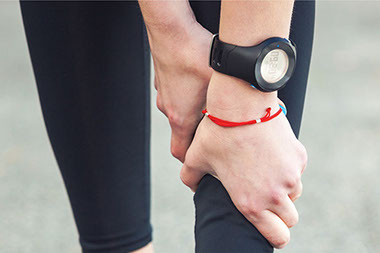
    Close up images of hands holding shins in pain.

    If you’ve ever felt aching or shooting pain up the front of your lower legs after running, it could be shin splints. Though it’s usually not serious, it can be painful enough to stop even the most dedicated exerciser.

    If you get shin splints, try these tips:

    *Switch to lower impact exercise.Until the pain goes away, try swimming, biking, or using an elliptical machine, so you put less pressure on your legs.

    *Wear proper shoes.If you’ve had the same running shoes for years, it may be time for a new pair. Support wears down over time, causing pain in the feet and legs. Make sure you have enough support under the arch and heel areas.

    *Ice the area.Apply ice packs for up to 20 minutes at a time, a few times a day, to help with pain.

    If the pain doesn’t go away, see your doctor. Sometimes shin splints may be a sign of a small bone break or inflammation of tendons in the legs.

    Source: American Academy of Orthopedic Surgeons

    © American Institute for Preventive Medicine