Tag: fruits

  • Keep Produce At Its Peak

    Nutrition

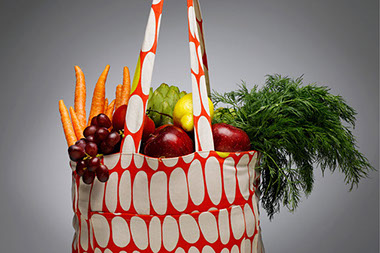
    Image of reusable bag filled with produce.

    Produce-fresh fruits and vegetables-is a gold mine of nutrients, usually with a price to match. To get the most nutrition for the “lettuce” you fork over for fresh produce, follow these suggestions.

    *  Select fruits and vegetables that look crisp or feel firm.

    *  When buying citrus fruits and pineapple, choose fruits that feel heavy for their size.

    *  Don’t buy produce that’s soft or bruised.

    *  Don’t buy more than you can use within a few days. If not used within a few days, store it under refrigeration. Most kinds of produce kept at room temperature ripens-or spoils-more rapidly. That’s fine if you’re eager to eat an avocado or banana, but not so great if you want to be able to use every last orange or lemon in the bag.

    *  Don’t soak produce in water-nutrients will leach out.

    *  Pat produce dry after washing, to prolong freshness.

    *  Don’t cut vitamin C rich fruits or vegetables, like strawberries and peppers, until just prior to eating. Exposure to the air destroys vitamin C.
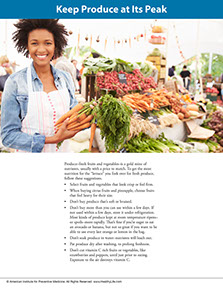
    Page from A Year of Health Hints book by the American Institute for Preventive Medicine. www.HealthyLife.com. All rights reserved.

    © American Institute for Preventive Medicine
  • Reach For A Rainbow Of Fruits & Veggies

    Nutrition

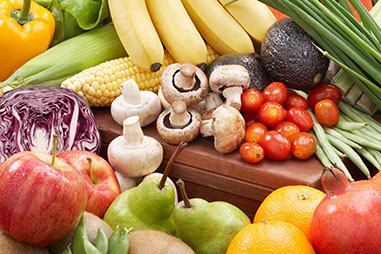
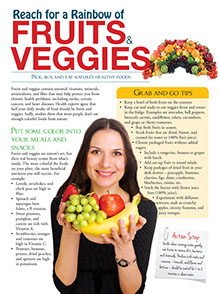
    Image of various fruits and veggies.

    Pick, buy, and eat nature’s healthy foods.

    Fruits and veggies contain essential vitamins, minerals, antioxidants, and fiber that may help protect you from chronic health problems, including stroke, certain cancers, and heart diseases. Health experts agree that half your daily intake of food should be fruits and veggies. Sadly, studies show that most people don’t eat enough colorful foods from nature.

    Put some color into your meals and snacks.

    Fruits and veggies are nature’s art, but their real beauty comes from what’s inside. The more colorful the foods on your plate, the more beneficial nutrients you will receive. For example:

    *  Lentils, artichokes, and chick peas are high in fiber.

    *  Spinach and asparagus have folate, a B vitamin.

    *  Sweet potatoes, pumpkin, and carrots are rich with Vitamin A.

    *  Strawberries, oranges and tomatoes are high in Vitamin C.

    *  Potatoes, bananas, prunes, dried peaches, and apricots are high in potassium.

    Grab and go tips:

    *  Keep a bowl of fresh fruits on the counter.

    *  Keep cut and ready-to-eat veggies front and center in the fridge. Examples are avocados, bell peppers, broccoli, carrots, cauliflower, celery, cucumbers, and grape or cherry tomatoes.

    *  Buy fresh fruits in season.

    *  Stock fruits that are dried, frozen, and canned (in water or 100% fruit juice).

    *  Choose packaged fruits without added sugars.

    *  Include a tangerine, banana or grapes with lunch.

    *  Add cut-up fruit to tossed salads.

    *  Keep packages of dried fruit in your desk drawer – pineapple, bananas, cherries, figs, dates, cranberries, blueberries, raisins, etc.

    *  Stock the freezer with frozen juice bars (100% juice).

    *   Experiment with different textures, such as crunchy apples, creamy bananas, and juicy oranges.

    Action Step

    Under clean, running water, gently rub fruits to remove dirt, bacteria and chemicals. Produce with nooks and crannies – broccoli, cauliflower, and lettuce – should be soaked for 1 to 2 minutes in clean water.

    Page from Ways to Well-Being book by the American Institute for Preventive Medicine. www.HealthyLife.com. All rights reserved.

    © American Institute for Preventive Medicine
  • Make Your Own Smoothie

    HEALTHY EATING

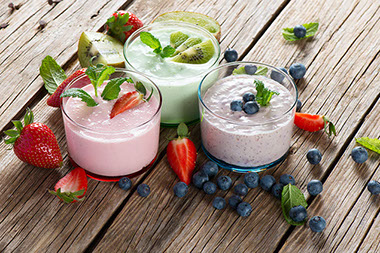
    Image of 3 different smoothies.

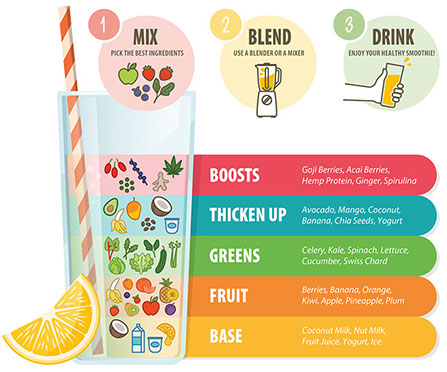
    Don’t settle for a restaurant smoothie that likely has loads of added sugar and very little nutrition. Instead, use this formula to make your own smoothies at home. All you need is a blender or juicer and the fresh ingredients you enjoy. Have fun with it and try different ingredients each time until you discover your favorite recipe.

    Illustration on how to make your own smoothie.

    © American Institute for Preventive Medicine