Tag: fun

  • The Family That Plays Together Stays Together

    FAMILY LIFE

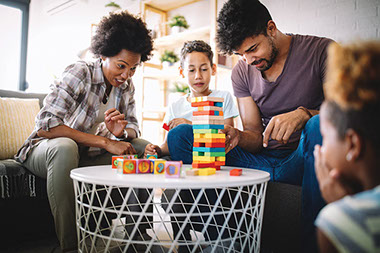
    Family playing Jenga.

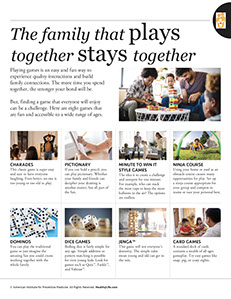
    Playing games is an easy and fun way to experience quality interactions and build family connections. The more time you spend together, the stronger your bond will be. But, finding a game that everyone will enjoy can be a challenge. Here are eight games that are fun and accessible to a wide range of ages.

    Charades

    This classic game is super easy and sure to have everyone laughing. Even better, no one is too young or too old to play.

    Pictionary

    If you can hold a pencil, you can play pictionary. Whether your family and friends can decipher your drawing is another matter, but all part of the fun.

    Minute to win it style games

    The idea is to create a challenge and compete for one minute. For example, who can stack the most cups or keep the most balloons in the air? The options are endless.

    Ninja course

    Using your home or yard as an obstacle course creates many opportunities for play. Set up a ninja course appropriate for your group and compete in teams or race your personal best.

    Dominos

    You can play the traditional game or just imagine the amazing fun you could create working together with the whole family.

    Dice games

    Rolling dice is fairly simple for any age. Simple addition or pattern matching is possible for even young kids. Look for games such as Quix™, Farkle™, and Yahtzee™.

    Jenga™

    This game will test everyone’s dexterity. The simple rules mean young and old can get in the mix.

    Card games

    A standard deck of cards contains a wealth of all-ages gameplay. Try easy games like snap, pig, or crazy eights.
    © American Institute for Preventive Medicine

  • Destination: Fun

    Healthy Travel

    Couple smiling, sitting in front of eiffel tower.

    Taking a break from it all is good for your health and happiness. Planning ahead, packing smart, and knowing your destination will help you relax and enjoy. Use these tips for a safe and healthy vacation.

    *  Find out what to expect at your destination – weather, construction areas, and health concerns.

    *  If you are going outside the U.S., find out if you need any vaccines. Ask your doctor or visitcdc.gov/travel.

    *  Don’t carry large amounts of cash.

    *  Make sure you have enough of your medicines. Pack them in your carry-on bag.

    *  Pack a first-aid kit with over-the-counter (OTC) medicines, sunscreen, and bandages.

    *  During airplane travel, stretch your arms and legs at least every hour.

    *  Leave valuables at home. Don’t become a target for theft.

    *  Stay hydrated. If the drinking water is unsafe, choose bottled water. Limit alcohol and caffeine.

    *  Wash your hands often. Take alcohol-based hand sanitizers that contain least 60% alcohol.

    *  Talk to your family about safety concerns. Don’t let kids wander.

    *  Supervise your children at all times.

    Action Step:Use a sunscreen with a sun protection factor (SPF) of 15 or higher to protect your skin from the sun’s ultraviolet rays.

    Page from HealthyLife Weigh book by the American Institute for Preventive Medicine. www.HealthyLife.com. All rights reserved.

    © American Institute for Preventive Medicine

  • Kid-Friendly, Healthy Snacks

    HEALTHY EATING

    Kids hands cutting out star shaped watermelon.

    A simple way to encourage your kids to eat healthy is to have healthy foods on hand and easily available to them.

    *  Put fruits and vegetables within reach on the counter or in the refrigerator.

    *  Save cookies and sweets as occasional treats, not everyday snacks.

    *  Avoid buying chips, crackers and other high-calorie, high-sugar packed foods. Or buy less of them and keep them in a less convenient location. Out of sight, out of mind.

    *  Purchase easy but healthy “packaged” snacks like no sugar added fruit cups, raisin packs, cheese sticks, Greek yogurt and popcorn (choose “light” popcorn without too much added butter or salt).

    Popcorn treats

    Ingredients

    2 tablespoons soft margarine or butter (melted)

    5 cups popped popcorn

    3/4 cup raisins

    1 cup shredded wheat cereal (bite-size)

    1 tablespoon sugar  (brown or white)

    1 1/4 teaspoons cinnamon

    Directions

    1.  Pop popcorn. You can use microwave or stovetop, but choose one without added butter, sugar or salt.

    2.  Mix popped corn, raisins, and cereal in a large bowl.

    3.  Mix sugar and cinnamon in small dish.

    4.  Drizzle melted margarine or butter over mixture.

    5.  Add sugar and cinnamon mixture.

    6.  Shake or stir until all ingredients are evenly distributed.

    Nutrition per serving: Servings 4. Calories 265; Total Fat 10 g; Saturated Fat 2 g; Sodium 118 mg; Total Carbohydrate 46 g; Dietary Fiber 5 g; Protein 4 g

    Source: USDA ChooseMyPlate

    © American Institute for Preventive Medicine

  • Make A New Thanksgiving Tradition

    FAMILY LIFE

    Family walking along a trail.

    As much as we love Thanksgiving, most of us do not love the way we feel afterward. Heartburn, bloating, and sleepiness are common complaints after the holiday feast.

    But, a simple family tradition could mean a better day for everyone. Instead of collapsing on the couch in a food coma, get the whole family out for a walk!

    Walking after your Thanksgiving meal has several benefits:

    1.  Taking a walk right after eating may improve digestion. Physical activity stimulates the digestive system and keeps food moving through properly.

    2.  A post-meal walk may prevent a big spike in blood sugar. This means there is less chance of a “sugar-crash” later.

    3.  Walking may reduce your risk of disease, help you maintain a healthy weight, and even lengthen your life.

    4.  Being active as a family is an opportunity to strengthen bonds and enjoy uninterrupted quality time together.

    © American Institute for Preventive Medicine

  • Make Your Picnic Fun & Safe

    HEALTHY EATING

    Family have a picnic.

    Many people enjoy outdoor eating throughout the spring and summer. But don’t let unsafe food rain on your picnic. Food poisoning can happen when food is not kept at the right temperature during barbecues and outings. Dangerous bacteria can grow on the food and make people sick.

    Luckily, there are some simple precautions you can take to be sure your picnic food stays safe to eat.

    Clean hands

    If you’re using a picnic site without running water and soap, bring your own. A large jug of water, some soap and paper towels will work.

    If you don’t have a jug of water, use antibacterial hand wipes. Encourage everyone to clean their hands before eating, after using the bathroom and before serving food.

    Hot and cold

    One of the keys to eating safe food is to keep hot foods hot and cold foods cold. Don’t let food become just warm or room temperature.

    The “danger zone” for bacteria to grow is between 40 and 140 degrees. If food stays at this temperature for two hours, bacteria can grow rapidly. If it’s hot outside (90 degrees or above), food can become unsafe after just one hour in the danger zone.

    To keep food cold, use ice packs or fresh, clean ice. Check it often to be sure the ice is still cold. Try to avoid opening the cooler too often.

    To keep hot foods hot, use insulated containers and microwaveable heat packs. Keep children away from hot containers or heat packs.

    Dishes and utensils

    If you’re using a grill, you may need to place raw meat, poultry or seafood on the grill. But be careful about what that raw food touches.

    Don’t reuse a plate or utensils that touched raw meat, poultry or seafood. Germs from the raw food can contaminate the cooked food and cause illness. Wash all the dishes and utensils in hot, soapy water before using them again.

    Wash produce before you go

    Before you pack your picnic basket, wash any fresh fruits or vegetables. This will ensure they are clean when you are ready to eat.

    Source: Food and Drug Administration

    © American Institute for Preventive Medicine
  • Move Outside The Exercise Box

    BE FIT

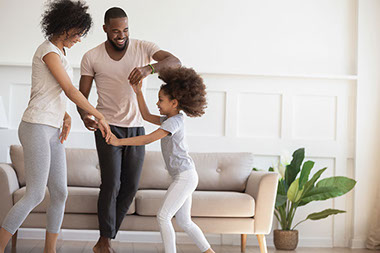
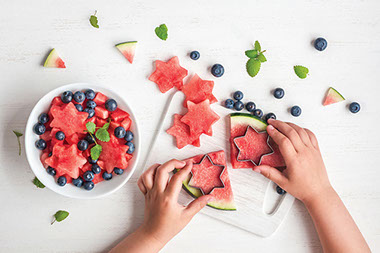
    Family dancing around.

    The more you move, the stronger your body will be and the better your heart, lungs, and other organs function. Any movement that gets your heart rate up counts as physical activity.

    At home

    *  Walk the dog.

    *  Play a family game of catch or frisbee.

    *  Add in some squats or lunges while you work in the kitchen.

    *  Do some light bodyweight exercises while you watch TV.

    At work

    *  Park farther away to get more walking time.

    *  Take the stairs.

    *  Set a timer for a five-minute movement break every 30 to 90 minutes.

    *  Walk at lunch or go up and down the stairs a few times.

    The weekend

    *  Choose a hobby that gets you moving, like an outdoor activity.

    *  Plan social gatherings that include movements like hiking or active games.

    *  Put on some music and make chore time fun and full of movement.

    *  Go sightseeing or choose a family outing that includes a long walk or hike.

    © American Institute for Preventive Medicine
  • Getting Your Kids To Eat Right

    Children’s Health

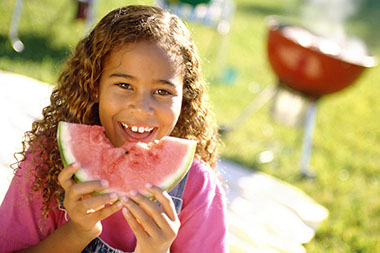
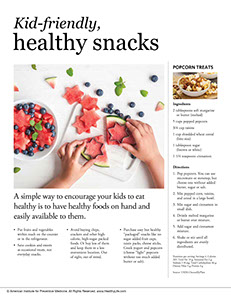
    Image of young girl eating watermelon.

    Persuading your child to develop good eating habits can be a challenge. Here are some pointers.

    *  Start your child’s day with a good breakfast. Hot cereal is a better choice than over-sweetened breakfast foods that are heavily advertised to kids.

    *  Buy snacks that are low in fat, sugar, and salt. Fresh fruit, unbuttered popcorn, whole-grain muffins, juice, milk, and yogurt are tasty, nutritious foods that appeal to kids. Crackers with small amounts of peanut butter or cheese are also acceptable between-meal treats.

    *  Limit fast-food meals. A steady diet of fast-food menu items tends to be high in fat and generally doesn’t provide all the essential nutrients a child needs.

    *  Don’t punish or reward behavior with food. Punishing children by withholding food can deprive them of required nutrients. Rewarding them with food can encourage overeating and weight gain.

    *  Set a good example. Children can’t be expected to adopt good eating habits if parents don’t.

    For nutrition-packed school lunches:

    *  Try sandwiches, using turkey, chicken, peanut butter with no added oil or sugar, and low-fat cheese or tuna fish instead of processed lunch meats.

    *  Pack finger foods like grapes, carrot sticks, celery stalks, and other fruit or crunchy vegetables instead of potato chips. Single-serving cans of fruit or applesauce are also handy ways to round out a lunch.

    Beware of convenience foods that claim to be nutritious.

    Here are some of the traps to look out for.

    *  Fruit drinks. Some contain only a small amount of fruit juice, but a lot of added sugar.

    *  Breakfast bars. These usually contain lots of sugar and very little in  the way of nutrition.

    *  Pre-popped popcorn. Some popcorn products have a lot of oil, salt, and contain artificial coloring.

    Teach Teens to Snack Wisely

    Once kids reach their teens, they tend to eat what they want, when they want it. But these years of rapid growth and change call for added nutrients which might be lacking in diets that are hit-or-miss. And as their bones grow rapidly, teens need plenty of calcium. Adolescent girls need plenty of iron to offset iron lost due to menstrual flow. If the right foods are available, between-meal snacking can actually boost a teen’s intake of those critical nutrients.

    *  Leftovers, like chicken drumsticks, are high in iron and make good late-night snacks.

    *  Low-fat milk, yogurt, and cheese can provide needed calcium.

    *  Keep the kitchen stocked with whole wheat crackers, sliced watermelon, fruit salad, and other ready-to-eat alternatives to junk food.

    *  Encourage teens to invent their own, easy-to-eat snacks, like “ants on a log”-celery stalks stuffed with peanut butter and dotted with raisins.

    Resources

    Page from A Year of Health Hints book by the American Institute for Preventive Medicine. www.HealthyLife.com. All rights reserved.

    © American Institute for Preventive Medicine
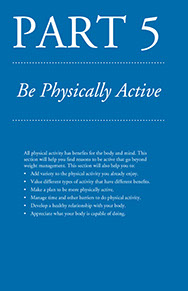
  • Do Activities You Enjoy

    Healthylife® Weigh

    Part 5

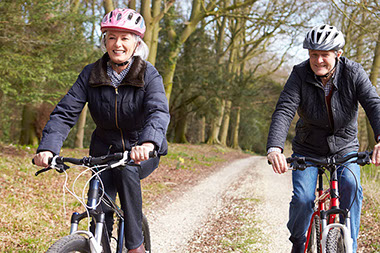
    Older couple riding bikes.

    Answer these questions.

    *  What activities have I been good at before?

    *  What activities do I enjoy doing?

    *  What equipment do I have or can I use?

    *  What outcomes do I want to achieve?

    *  What activities am I physically able to do?

    © American Institute for Preventive Medicine
  • Fun, Fast Indoor Workouts

    BE FIT

    Image of middle-aged man with headphones on dancing.

    When the winter months hit, it can be difficult to get outside to exercise. Snow, ice, wind, and rain can put a damper on your regular walk around the neighborhoods.

    But regular exercise cuts your risk for heart disease, diabetes, depression, and even some cancers, according to the CDC. So don’t cut your workout routine when the weather doesn’t cooperate. Bring the workout into your home with these tips:

    1.Just dance.Not only is it fun, but you can burn a lot of calories and customize it to work for you. Turn on your favorite tunes and start moving. For maximum benefit, do a 5-minute warm-up, 20-30 minutes of active dancing, and a 5-minute cool down. If you can’t do that much to start, just try a few minutes and add more time each week as you are able.

    2.March or jump.If dancing isn’t for you, marching around the house, or even just in your living room, can provide great benefits. Mix it up every few minutes by doing a few jumping jacks. You can also “pretend” you’re jumping rope by doing the motions without a rope. Watch videos that guide you through indoor walking or other aerobic activities.

    3.Strength training.You don’t need fancy weight machines or equipment. Use a resistance band to strengthen your arms and legs. Try simple exercises like squats, lunges, and push-ups. Take care to do them correctly. If you have an injury or health condition that restricts movement, talk with your doctor about exercises that are right for you.

    With a little creativity, you can have your own body-and-mind-boosting workout in the comfort of your home – no matter what the weather.

    © American Institute for Preventive Medicine