Tag: gallbladder

  • Gallstones

    Abdominal & Urinary Conditions
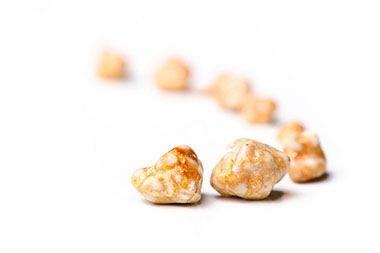
    Image of gallstones.

    The gallbladder stores bile. This substance helps digest fats. Gallstones form when bile hardens into pieces of stone-like material. These deposit in the gallbladder or bile ducts (which carry bile to the small intestine). The stones can range in size from less than a pinhead to 3 inches across.

    Signs & Symptoms

    *  Feeling bloated and gassy, especially after eating fried or fatty foods.

    *  Steady pain in the upper right abdomen lasting 20 minutes to 5 hours.

    *  Pain between the shoulder blades or in the right shoulder.

    *  Indigestion. Nausea. Vomiting. Severe abdominal pain with fever. Sometimes a yellow color to the skin and/or the whites of the eyes.

    {Note: Gallstone symptoms can be hard to tell apart from heart-related or other serious problems. A doctor should evaluate any new symptoms.}

    Gallstones
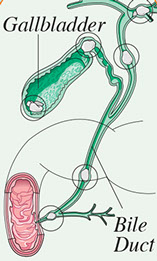
    Illustration of gallbadder with gallstones.

    Causes

    *  Ethnic background (i.e., Native Americans) and family history of gallstones. Being middle age.

    *  Obesity. Very rapid weight loss.

    *  Being female. Having had many pregnancies. Taking estrogen.

    *  Having diabetes. Having diseases of the small intestine.

    Treatment

    *  A low-fat diet.

    *  Surgery to remove the gallbladder. This is the most common treatment. You can still digest foods without a gallbladder.

    Questions to Ask

    Self-Care / Prevention

    *  Avoid high-fat foods. Don’t eat large meals.

    *  Get to and stay at a healthy body weight. If you are overweight, lose weight slowly (1 to 1-1/2 pounds per week). Do not follow a rapid weight loss diet unless under strict medical guidance.

    *  Eat a high fiber, low-fat diet.
    Healthier at Home book by the American Institute for Preventive Medicine. www.HealthyLife.com. All rights reserved.

    © American Institute for Preventive Medicine

  • Understanding Your Gallbladder

    MEDICAL NEWS

    Image of man talking to his doctor.

    The hardest working digestive helper might well be your gallbladder, a pear-sized organ that sits just under the liver and next to the pancreas.

    The gallbladder stores bile, a thick liquid that’s produced by the liver to help digest fat. When you eat, the gallbladder’s thin, muscular lining squeezes bile into the small intestine through the main bile duct. The more fat you eat, the more bile the gallbladder injects into the digestive tract.

    Bile has a delicate chemical balance. It’s full of soluble cholesterol produced by the liver. This is a different type of cholesterol than the kind related to cardiovascular disease. If the chemical balance of bile gets slightly off, the cholesterol can crystalize and stick to the wall of the gallbladder. Over time, these crystals can combine and form gallstones.

    Gallstones can range from the size of a grain of sand to that of a golf ball. When the gallbladder injects bile into the small intestine, the main bile duct can become blocked by these stones. That may cause pressure, pain, and nausea, especially after eating meals.

    Gallstones can cause sudden pain in the upper-right abdomen, called a gallbladder attack. In most cases, though, people with gallstones don’t realize they have them.

    The causes of gallstones are unclear, but you’re more likely to have gallstone problems if you have too much body fat, especially around your waist, or if you’re losing weight very quickly.

    If left untreated, a blocked main bile duct and gallbladder can become infected and lead to a life-threatening situation. A surgeon can remove the gallbladder. You can live normally without it.

    Symptoms of a gallstone attack

    Talk with your doctor if you have:

    *  Severe pain in the upper-right side of the abdomen that starts suddenly and lasts from 30 minutes to many hours

    *  Pain under the right shoulder or in the right shoulder blade

    *  Indigestion after eating foods high in fat or protein, including desserts and fried foods

    Seek help right away if you have these signs of a serious attack:

    *  Abdominal pain that lasts more than 5 hours

    *  Nausea and vomiting

    *  Fever or chills

    *  Yellowish color of the skin or the whites of the eyes

    *  Dark urine or light-colored stools

    © American Institute for Preventive Medicine