Tag: gear

  • Workout Wear 101

    BE FIT

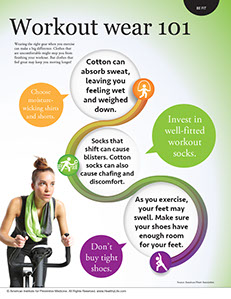
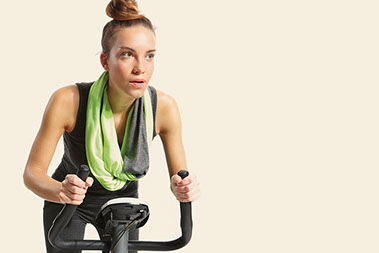
    Women riding stationary bike.

    Wearing the right gear when you exercise can make a big difference. Clothes that are uncomfortable might stop you from finishing your workout. But clothes that feel great may keep you moving longer!

    *  Choose moisture-wicking shirts and shorts. Cotton can absorb sweat, leaving you feeling wet and weighed down.

    *  Invest in well-fitted workout socks. Socks that shift can cause blisters. Cotton socks can also cause chafing and discomfort.

    *  Don’t buy tight shoes. As you exercise, your feet may swell. Make sure your shoes have enough room for your feet.

    Source: American Heart Association

    © American Institute for Preventive Medicine

  • Cold Weather Exercise

    BE FIT

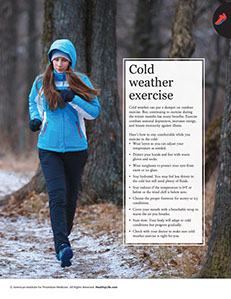
    Cold weather can put a damper on outdoor exercise. But, continuing to exercise during the winter months has many benefits. Exercise combats seasonal depression, increases energy, and boosts immunity against illness.

    Here’s how to stay comfortable while you exercise in the cold:

    *  Wear layers so you can adjust your temperature as needed.

    *  Protect your hands and feet with warm gloves and socks.

    *  Wear sunglasses to protect your eyes from snow or ice glare.

    *  Stay hydrated. You may feel less thirsty in the cold but still need plenty of fluids.

    *  Stay indoors if the temperature is 0ºF or below or the wind chill is below zero.

    *  Choose the proper footwear for snowy or icy conditions.

    *  Cover your mouth with a breathable wrap to warm the air you breathe.

    *  Start slow. Your body will adapt to cold conditions but progress gradually.

    *  Check with your doctor to make sure cold-weather exercise is right for you.

    © American Institute for Preventive Medicine

  • Cold Temps & Exercise: A Great Pair

    BE FIT

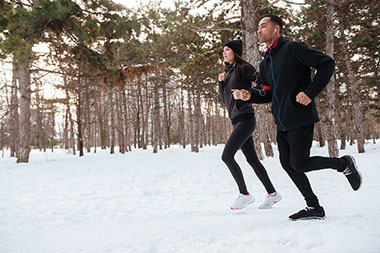
    Image of couple jogging in the winter.

    Has cold weather got you hiding under the blankets? Don’t let it turn you into a couch potato. Your body needs exercise year-round to be healthy. And, exercising in the cold can be enjoyable if you know how to prepare for it.

    Why cold weather workouts are cool

    Cold air can be refreshing! Stepping out into a chilly day may help you stay moving. There’s no sweltering heat or sticky humidity to slow you down. If fact, the lack of heat may help you work out a little longer and harder. You could burn even more calories and give your energy levels a boost.

    Getting out in the daylight can improve your mood. This can help you get through the long winter with good mental health. Your immune system will thank you, too. Just a few minutes a day of exercise may help you stave off colds and flu.

    How to work out when it’s cold

    Not sure what you should or shouldn’t do in the winter? Try these activities:

    *  Brisk walking or hiking

    *  Ice skating

    *  Sledding

    *  Cross-country skiing

    *  Snowshoeing

    Safety first

    Staying warm and dry is key during winter workouts. Hypothermia and frostbite are dangerous and are more likely to happen if you’re not properly dressed for the weather. These steps can help you avoid getting dangerously cold:

    *  Use a moisture-wicking fabric as the first layer against your skin. Never use cotton, as it traps moisture and will make you feel colder.

    *  The next layer should be a warm material, like fleece.

    *  The outside layer of clothing should be windproof to keep out moisture and chilly gusts.

    Don’t forget to drink plenty of water! Even if you don’t feel hot, your body needs hydration during exercise.

    Indoor workouts work, too

    If it’s simply too cold, icy or otherwise unsafe to exercise outdoors, you can still get off the couch and get healthier. Indoor workouts include:

    *  Going up and down stairs

    *  Dancing

    *  Vacuuming, mopping or other active housework

    *  Roller skating

    *  Yoga

    *  Workout classes at a local gym or community center

    People who have had a heart attack or stroke, or are at risk of either one, should ask their doctor about safe ways to exercise.

    Signs of hypothermia

    Hypothermia means the body temperature has dropped too low. Seek immediate care and/or go to an emergency room if hypothermia is suspected. Signs to look for include:

    *  Sudden clumsiness, lack of coordination

    *  Confusion

    *  Shivering

    *  Sleepiness

    *  Slurred speech

    *  Very cold feet or hands

    Source: American Heart Association
    © American Institute for Preventive Medicine

  • Watch List For Winter Weather Activities

    BE FIT

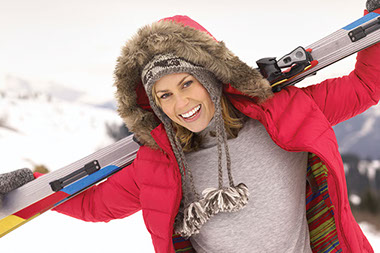
    Image of women with skis.

    Winter weather doesn’t have to derail your exercise routine, says a Saint Louis University exercise expert. As you adjust to darker days, colder temperatures, and slippery surfaces, it’s important to be mindful of safety issues that come with the territory of winter workouts.

    “A change in weather should bring a change to your mindset. As temperatures get colder, it’s important for athletes to adjust their routines,” said Dr. Tony Breitbach, director of athletic training education.

    Dr. Breitbach offers the following tips to avoid injury during winter months:

    *Watch what you wear.Dress in layers for outside exercise. Next to your skin, wear a  breathable wicking material, not cotton because it retains sweat. Next, add a thermal layer of fleece or cotton to keep in heat. Use a third, outer layer as a cover. As you start to heat up, you’ll be able to peel off layers to manage your comfort level.

    *Watch for pain.Your furthest extremities are the first to be affected by the cold. If you get pain or tingling in your ears, fingers, or toes, it’s time to go inside to warm up.

    *Watch your hydration.Staying well-hydrated is another concern during cold winter months due to dry air and indoor heat. Drink plenty of fluids, but be sure to avoid caffeine and alcohol-based beverages, which also lead to dehydration.

    *Watch for hazards.Use caution when running after dark. Wear light-colored, reflective clothing so drivers can see you.

    *Watch out for overuse.Winter weather can limit outdoor exercise options such as running in the park, golfing, and swimming. So be careful to avoid over-doing it with one activity. Working out on hard, unforgiving surfaces like gym floors or concrete can worsen any over-use issues you have. Think outside the gym. Be creative; try ice-skating, cross-country skiing, or a yoga class.

    © American Institute for Preventive Medicine