Tag: General Health

  • Wash Away The 5 Most Common Handwashing Myths

    WELL-BEING

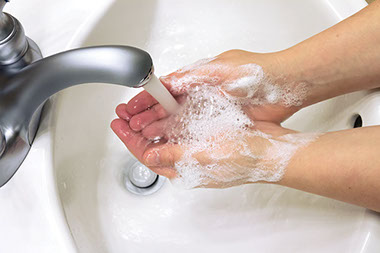
    Image of hands being washed with water and soup.

    Think you know how to wash your hands? Think again. A 2013 study in the Journal of Environmental Health showed that only 5% of people properly wash their hands on a daily basis. Cintas Corporation and Henry the Hand Foundation have teamed up to dispel the  5 most common handwashing myths.

    Keeping hands clean is one of the most important ways to avoid getting sick and spreading germs. Researchers at the NIH found that people touch their faces on average 3.6 times per hour. So handwashing is the answer. Test your knowledge about the best way to clean your hands.

    1. It doesn’t matter how long I wash my hands as long as I use soap – FALSE

    The next time you’re in the restroom and washing your hands, think of the chorus of your favorite song. Studies show that you should scrub your hands with soap for a minimum of 15-30 seconds in order to effectively remove germs.

    2. Hand sanitizers can replace washing your hands with soap and water – FALSE

    Washing hands with soap and water is the best and most effective way to reduce the number of microbes and germs on hands. Although alcohol-based (at least 60%) hand sanitizers can quickly reduce the number of germs on hands in some situations, they are not as effective as soap and water when it comes to removing and inactivating dangerous gastrointestinal illness-causing germs.

    3. The hotter the water you use for handwashing, the better – FALSE

    Studies show that water temperature does not affect germ removal. In fact, there is no research to prove that higher temperatures improve handwashing at all. Hotter water can also dry out skin, which leaves your skin more susceptible to germs and can make handwashing painful. It is best to wash your hands with the temperature that you find comfortable.

    4. You don’t have to dry your hands after washing them – FALSE

    Studies show that germs can be more easily transferred to and from wet hands, which is why drying hands is essential to staving off bacteria after handwashing.

    5. Hand dryers are more hygienic than paper towels – FALSE

    Researchers found that paper towels are superior to air dryers and can help remove bacteria, unlike air dryers, which can increase bacteria counts. Because air dryers have been shown to spread bacteria between 3 and 6 feet from the device, paper towels are also far less likely to contaminate other restroom users.

    © American Institute for Preventive Medicine

  • Multiple Sclerosis

    Brain & Nervous System

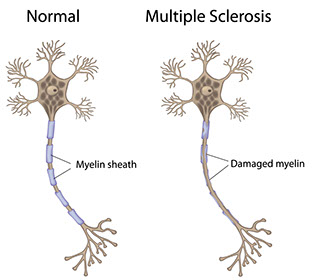
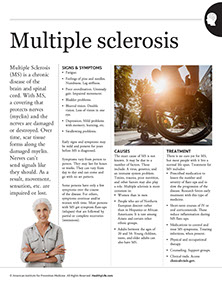
    Multiple Sclerosis (MS) is a chronic disease of the brain and spinal cord. With MS, a covering that protects nerves (myelin) and the nerves are damaged or destroyed. Over time, scar tissue forms along the damaged myelin. Nerves can’t send signals like they should. As a result, movement, sensation, etc. are impaired or lost.

    Illustration showing multiple sclerosis.

    Signs & Symptoms

    *  Fatigue.

    *  Feelings of pins and needles. Numbness. Leg stiffness.

    *  Poor coordination. Unsteady gait. Impaired movement.

    *  Bladder problems.

    *  Blurred vision. Double vision. Loss of vision in one eye.

    *  Depression. Mild problems with memory, learning, etc.

    *  Swallowing problems.

    Early signs and symptoms may be mild and present for years before MS is diagnosed.

    Symptoms vary from person to person. They may last for hours or weeks. They can vary from day to day and can come and go with no set pattern.

    Some persons have only a few symptoms over the course of the disease. For others, symptoms continue and/or worsen with time. Most persons with MS get symptom flare-ups (relapses) that are followed by partial or complete recoveries (remissions).

    Causes

    The exact cause of MS is not known. It may be due to a number of factors. These include: A virus, genetics, and an immune system problem. Toxins, trauma, poor nutrition, and other factors may also play a role. Things known to come before the onset of MS include: Overwork; fatigue, the postpartum period for women; acute infections; and fevers. Multiple sclerosis is more common in:

    *  Women than in men.

    *  Caucasians than in Hispanics or African Americans. It is rare among Asians and certain other ethnic groups.

    *  Adults between the ages of 20 and 50. Young children, teens, and older adults can also have MS.

    *  People who are born and live up to at least age 15 years old in places farther from the equator. These include North America, Europe, and Southern Australia.

    Treatment

    There is no cure yet for MS, but most people with it live a normal life span. Treatment for MS includes:

    *  Prescribed medication to lessen the number and severity of flare-ups and to slow the progression of the disease. Research favors early treatment with this type of medicine.

    *  Short-term courses of IV or oral corticosteroids. These reduce inflammation during MS flare-ups.

    *  Medications to control and treat MS symptoms. Treating infections, when present.

    *  Physical and occupational therapy.

    *  Counseling. Support groups.

    *  Clinical trails. Accesswww.clinicaltrials.gov.

    Questions to Ask

    Self-Care / Prevention

    *  Follow your doctor’s guidelines for home care.

    *  Maintain a normal routine at work and at home. Avoid activities that lead to fatigue or put too much physical stress on the body. Get plenty of rest.

    *  Manage emotional stress.

    *  Avoid the heat and sun. Don’t take hot showers or baths. Increased body temperature can cause symptoms. Cool baths or swimming in a pool may improve symptoms by lowering body temperature.

    *  Have body massages to help maintain muscle tone.

    *  Treat a fever as soon as it occurs.

    *  Get regular exercise. Physical therapy may be helpful.

    *  Get counseling, if needed.

    *  Get a seasonal flu shot every year and other vaccines as advised.

    *  If you smoke, quit!

    Resources

    Multiple Sclerosis Foundation

    888.MS.FOCUS (673.6287)

    www.msfocus.org

    National Multiple Sclerosis Society

    800.FIGHT.MS (344.4867)www.nationalmssociety.org

    Healthier at Home book by the American Institute for Preventive Medicine. www.HealthyLife.com. All rights reserved.

    © American Institute for Preventive Medicine

  • What Makes Your Head Hurt?

    MEDICAL NEWS

    Image of women with a headache.

    Headaches are one of the most common health complaints.

    About 95% of headaches are primary headaches, meaning they are not caused by some other medical condition. Most people can relieve headache pain by making lifestyle changes, learning how to relax, and taking pain relievers. Your doctor may have more suggestions.

    Here are the 3 main types of headaches, according to the National Institutes of Health:

    *Tension headachescan be treated with over-the-counter pain relievers. Stress management, relaxation exercises, or a hot shower may  also help.

    *Migraine headachescan be treated with over-the-counter or prescription drugs. Migraines often happen again and again but may be prevented with prescription drugs. Avoid food and drinks that can trigger migraines, such as caffeine, alcohol, and processed meats. Relaxation practices may reduce the number and severity.

    *Cluster headachescan be treated or prevented with prescription drugs. Nasal sprays that numb the nose and nostrils may help. Doctors also recommend avoiding alcohol.

    © American Institute for Preventive Medicine

  • Sickle Cell Anemia

    Bone & Muscle Problems

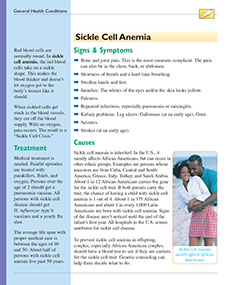
    Red blood cells are normally round. In sickle cell anemia, the red blood cells take on a sickle shape. This makes the blood thicker and doesn’t let oxygen get to the body’s tissues like it should. When sickled cells get stuck in the blood vessels, they cut off the blood supply. With no oxygen, pain occurs. The result is a “Sickle Cell Crisis.”

    Signs & Symptoms

    *  Bone and joint pain. This is the most common complaint. The pain can also be in the chest, back, or abdomen.

    *  Shortness of breath and a hard time breathing.

    *  Swollen hands and feet.

    *  Jaundice. The whites of the eyes and/or the skin looks yellow.

    *  Paleness.

    *  Repeated infections, especially pneumonia or meningitis.

    *  Kidney problems. Leg ulcers. Gallstones (at an early age). Gout.

    *  Seizures.

    *  Strokes (at an early age).

    Causes

    Sickle cell anemia is inherited. In the U.S., it mostly affects African Americans, but can occur in other ethnic groups. Examples are persons whose ancestors are from Cuba, Central and South America, Greece, Italy, Turkey, and Saudi Arabia. About 1 in 12 African Americans carries the gene for the sickle cell trait. If both parents carry the trait, the chance of having a child with sickle cell anemia is 1 out of 4. About 1 in 375 African Americans and about 1 in every 1,000 Latin Americans are born with sickle cell anemia. Signs of the disease aren’t noticed until the end of the infant’s first year. All hospitals in the U.S. screen newborns for sickle cell disease.

    To prevent sickle cell anemia in offspring, couples, especially African American couples, should have a blood test to see if they are carriers for the sickle cell trait. Genetic counseling can help them decide what to do.

    Treatment

    Medical treatment is needed. Painful episodes are treated with painkillers, fluids, and oxygen. Other treatments:

    *  Hydroxyurea medicine.

    *  Blood transfusions.

    *  Stem cell transplant. This may be an option for children who have a brother or sister without sickle cell disease that is a matched donor.

    In the U.S., the life span for a person with sickle cell disease is 40-60 years.

    Questions to Ask

    Self-Care / Prevention

    *  Follow your doctor’s treatment plan. Wear a medical alert tag.

    *  Avoid physical stress and high altitudes.

    *  Discuss airplane travel with your doctor.

    *  Ask your doctor what over-the- counter medicines you can use before you try any.

    *  Drink at least 8 glasses of water a day. Get the rest you need.

    *  Follow a balanced diet. Have at least 5 servings of fruits and vegetables a day. Take folic acid (a B vitamin) supplements and other vitamins and minerals, as advised by your doctor.

    *  Don’t wear tight clothing.

    *  If at home and in a “sickle cell crisis:”

    – Stay warm. Apply warm compresses to painful parts of your body.

    – Rest in bed.

    – Take pain medication, as prescribed.

    Healthier at Home book by the American Institute for Preventive Medicine. www.HealthyLife.com. All rights reserved.

    © American Institute for Preventive Medicine

  • You May Need To Get Tested For Hepatitis C

    MEDICAL NEWS

    Image of doctor talking to a patient.

    An estimated 3.2 million Americans are infected with chronic hepatitis C, a viral infection of the liver. Among those are larger numbers of Veterans and baby boomers.

    The CDC recently recommended that all baby boomers in the U.S. (those born between 1945 and 1965) get a simple one-time blood test for hepatitis C. They estimate that this testing could identify more than 800,000 additional people with the disease.

    Here’s what we know:

    *  Chronic hepatitis C won’t go away on its own.

    *  Many people living with hepatitis C are not aware they have the condition and may go years without showing symptoms. Hepatitis C is treated with a combination of medications.

    *  The rate of hepatitis C among people born in 1945 through 1965 is about 4%, compared to about 1% among other Americans. That difference is likely due to risky behaviors among this group.

    *  You can get hepatitis C from infected blood or body fluids. Today, the most common way people get infected is by needle-sharing during intravenous drug use. Most new infections occur among drug users. In addition, an infected pregnant woman can infect her unborn baby.

    *  Since 1992, when reliable blood screening procedures became available, the risk of transmission of hepatitis C by blood transfusion has fallen to less than one per million units of transfused blood, according to the CDC. Rarely, the virus can be transmitted through sexual intercourse.

    *  Hepatitis C is not transmitted through shaking hands, coughing, sneezing, breastfeeding, or sharing cups and utensils.

    *  Hepatitis C can cause serious liver problems.

    © American Institute for Preventive Medicine

  • Sleep Disorders & Snoring

    General Health Conditions

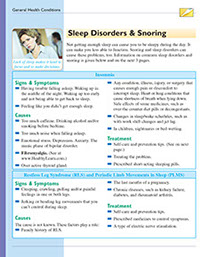
    Not getting enough sleep can cause you to be sleepy during the day. It can make you less able to function. Snoring and sleep disorders can cause these problems, too.

    Insomnia

    Signs & Symptoms

    *  Having trouble falling asleep. Waking up in the middle of the night. Waking up too early and not being able to get back to sleep.

    *  Feeling like you didn’t get enough sleep.

    Causes

    *  Too much caffeine. Drinking alcohol and/or smoking before bedtime.

    *  Too much noise when falling asleep.

    *  Emotional stress. Depression. Anxiety. The manic phase of bipolar disorder.

    *  Fibromyalgia.

    *  Over active thyroid gland.

    *  Any condition, illness, injury, or surgery that causes enough pain or discomfort to interrupt sleep. Heart or lung conditions that cause shortness of breath when lying down. Side effects of some medicines, such as over-the-counter diet pills or decongestants.

    *  Changes in sleep/wake schedules, such as with work shift changes and jet lag.

    *  In children, nightmares or bed-wetting.

    Treatment

    *  Self-care and prevention tips.

    *  Treating the problem.

    *  Prescribed short-acting sleeping pills.

    Self-Care / Prevention

    *  Avoid caffeine for 8 hours before bedtime.

    *  Avoid long naps during the day.

    *  Have no more than 1 alcoholic drink with or after dinner.

    *  Avoid using electronic devices, such as a laptop computer before falling asleep and in the middle of the night. The type of light that emits from these devices makes it hard to fall asleep.

    *  Avoid nicotine. Don’t smoke. Stay away from secondhand smoke.

    *  Get regular exercise, but not within a few hours of going to bed.

    *  Before bedtime, take a warm bath or read a book, etc. Avoid things that hold your attention, such as watching a suspense movie.

    *  Keep your bedroom quiet, dark, and comfortable.

    *  Follow a bedtime routine. Lock or check doors and windows, brush your teeth, etc.

    *  Count sheep! Picture a repeated image. Doing this may bore you to sleep.

    *  Listen to recordings that help promote sleep.

    *  Take over-the- counter sleep aids, (e.g., melatonin, Tylenol PM, etc.) as advised by your doctor. Don’t take anyone else’s sleeping pills.

    *  If you wake up and can’t get back to sleep or can’t fall asleep, after 30 minutes, get out of bed. Read a relaxing book or sit quietly in the dark. In about 20 minutes, go back to bed. Do this as many times as needed.

    Restless Leg Syndrome (RLS) and Periodic Limb Movements in Sleep (PLMS)

    Signs & Symptoms

    *  Creeping, crawling, pulling and/or painful feelings in one or both legs.

    *  Jerking or bending leg movements that you can’t control during sleep.

    Causes

    The cause is not known. These factors play a role:

    *  Family history of RLS.

    *  The last months of a pregnancy.

    *  Chronic diseases, such as kidney failure, diabetes, and rheumatoid arthritis.

    Treatment

    *  Self-care and prevention tips.

    *  Prescribed medicines to control symptoms.

    *  A type of electric nerve stimulation.

    Self-Care / Prevention

    *  Take medications as prescribed. Let your doctor know if the medicine no longer helps.

    *  For relief, move the legs. Walk, rub, or massage them or do knee bends.

    *  Limit or avoid caffeine.

    *  Take a warm bath before bedtime.

    Sleep Apnea

    Signs & Symptoms

    *  Loud snoring and snorting sounds while sleeping on the back.

    *  Repeated periods when breathing stops 10 or more seconds during sleep.

    *  Waking up many times during the night. Excessive daytime sleepiness.

    *  Exhaustion. Hard time concentrating. Acting very cranky. Depression or other mental changes.

    *  Early morning headaches.

    Causes

    *  Too much muscle tissue is in the airway or the tissue relaxes and sags. These things narrow or block the airway. Persons who snore loudly and are overweight are more prone to these problems.

    *  A physical problem in the nose or upper airway.

    Treatment

    The goal is to keep the airway open during sleep. This is done with self-care measures and one of these treatments:

    *  A mouth guard dental device custom made by a dentist. This is worn during sleep. It pushes the lower jaw forward to open the air passage behind the tongue.

    *  A nasal continuous positive airway pressure (CPAP) device. Pressure from an air blower forces air through the nasal passages using a mask worn over the nose during sleep.

    *  Surgery to correct the cause of the airway obstruction.

    Self-Care / Prevention

    *  Lose weight, if you are overweight.

    *  Don’t drink alcohol. Don’t use tobacco products.

    *  Don’t take sleeping pills or sedatives.

    *  Use methods, such as those listed under Self-Care / Prevention – For Snoring to keep from sleeping on your back.

    Snoring

    Signs & Symptoms

    *  Loud sounds. Harsh breathing. Snorting sounds. These occur during sleep.

    Causes

    *  Sleeping on the back. The tongue falls back toward the throat and partly closes the airway.

    *  Nasal congestion from allergies or colds. Smoking. Drinking alcohol. Taking sedatives. Overeating (especially before bedtime).

    *  Sleep apnea or chronic respiratory disease.

    *  An obstructed airway. This can be due to enlarged tonsils or being overweight.

    *  Changes in hormones, such as during menopause or the last month of pregnancy.

    Treatment

    Self-care treats most cases. Other options are:

    *  Wearing a dental device that holds the jaw in a forward position.

    *  Surgery, if needed, to correct the problem.

    *  Treatment for sleep apnea, if needed.

    Self-Care / Prevention

    *  Sleep on your side. Prop an extra pillow behind your back so you won’t roll over. Sleep on a narrow sofa for a few nights to get used to staying on your side.

    *  Sew a large marble or tennis ball into a pocket on the back of your pajamas. This can help you stay on your side when you sleep.

    *  If you must sleep on your back, raise the head of the bed 6 inches on bricks or blocks. Or buy a wedge that is made to be placed between the mattress and box spring to elevate the head section.

    *  Lose weight, if you are overweight. Excess fatty tissue in the throat can cause snoring. Losing 10% of your body weight will help.

    *  Don’t smoke. If you do, quit. Limit or don’t have alcohol, sedatives, or a heavy meal within 3 hours of bedtime.

    *  To relieve nasal congestion, try a decongestant before you go to bed.

    *  Get rid of allergens in the bedroom. These include dust, down-filled (feathered) pillows, and down-filled bed linen.

    *  Try over-the-counter “nasal strips.” These keep the nostrils open and lift them up. This helps lessen congestion in nasal passages.

    Questions to Ask

    How Much Sleep is Needed?

    *  Adults need between 7 and 9 hours of sleep each night.

    *  Teens need at least 8-1/2 to 9-1/4 hours of sleep each night.

    *  After 6 months of age, most children sleep between 9 and 12 hours at night. Up to age 5, children may also take daytime naps for a total of 1/2 to 2 hours a day.

    Resources

    National Center on Sleep Disorders Research (NCSDR)

    301.435.0199

    www.nhlbi.nih.gov/about/ncsdr

    National Sleep Foundation

    703.243.1697

    www.sleepfoundation.org
    Healthier at Home book by the American Institute for Preventive Medicine. www.HealthyLife.com. All rights reserved.

    © American Institute for Preventive Medicine

  • Zika Virus: What To Know

    MEDICAL NEWS

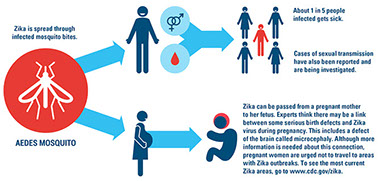
    Infograph showing the zika virus.

    According to the CDC, Zika has not yet been spread by mosquitoes in the U.S., but cases have been reported here. These occurred in people who recently traveled to one of the known Zika areas.

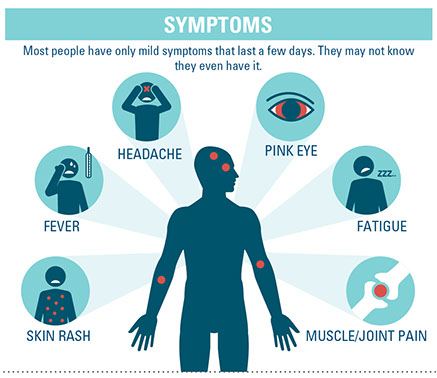
    Graph showing symptoms of zika virus.

    Treatment

    At this time, there is no vaccine for Zika.

    *  Rest

    *  Drink water

    *  Take medications for pain and fever

    *  Call your doctor

    Prevention

    *  Use an insect repellent regularly on yourself and your children. Use one registered with the EPA.

    *  Wear light-colored clothes that cover as much of your body as possible.

    *  Sleep under a mosquito bed net if you are sleeping outside or not able to protect yourself from mosquito bites.

    *  Get rid of standing water. This is where mosquitoes breed. Cover rain barrels and other containers that store water.

    *  Protect windows and doors with screens or mosquito nets. Use air conditioning, if possible.

    *  If you’ve recently been to a known Zika area, are pregnant or are having symptoms of Zika, call your doctor.

    Sources: World Health Organization and Centers for Disease Control and Prevention

    © American Institute for Preventive Medicine

  • Take Control Of Your Health

    General Health Conditions

    Man jogging with his dog.

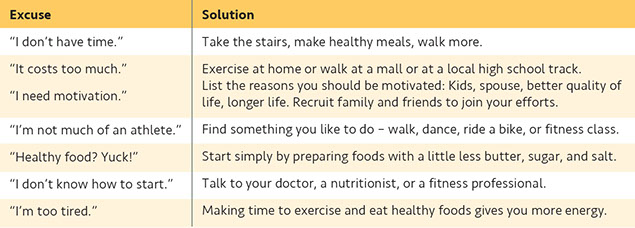
    It’s easy to complain, make excuses, list a million reasons why you can’t lose weight or get fit. Take control by changing the way you think about your health. Don’t let excuses hold you back.

    Action Step:Make a date with family members to walk after dinner – every night. Those left behind have to do the dishes.

    Health at Home Lifetime book by the American Institute for Preventive Medicine. www.HealthyLife.com. All rights reserved.

    © American Institute for Preventive Medicine

  • All About Red Blood Cells

    MEDICAL NEWS

    Lab tube with blood.

    Blood nourishes every part of the body. Red blood cells are a major component of blood and a key player in how the body receives the oxygen it needs.

    What they do

    Red blood cells contain a special protein called hemoglobin that carries oxygen from the lungs and delivers it to the organs and tissues. Once a red blood cell drops off oxygen, it picks up carbon dioxide and returns it to the lungs to be exhaled when you breathe out.

    Every cell in the body relies on oxygen delivery from red blood cells. To keep a constant supply of healthy red blood cells, the bone marrow produces an impressive 2 million cells every second.

    Measuring red blood cells

    When you go to the doctor, they often order a complete blood count (CBC) to assess the health of your blood. Several of those values provide information about your red blood cells:

    *  Red blood cells (RBC) – the number of red blood cells in a specific volume of blood

    *  Hemoglobin – the amount of hemoglobin (by weight in grams) per the volume in blood (in deciliters)

    *  Hematocrit – how much of the blood is made up of red blood cells

    *  MCV – the average size of red blood cells

    *  MCH – the amount of hemoglobin in each red blood cell

    *  MCHC – the average amount of hemoglobin in a group of red blood cells

    When red blood cells are high

    Common causes include:

    *  Dehydration

    *  Kidney disease

    *  Heart disease

    *  Lung disease

    *  Smoking (causes scarring of lung tissue)

    *  Conditions of the bone marrow

    What to do:

    If your doctor finds your red blood cell values are higher than normal, they may do further testing to identify a cause. Staying well-hydrated keeps your blood cells healthy and in the right concentration.

    When red blood cells are low

    You may experience fatigue, weakness, shortness of breath, and irregular heart rates. Common causes include:

    *  Anemia

    *  Malnutrition

    *  Certain types of cancer

    *  Kidney disease

    *  Liver disease

    *  Certain medications

    What to do:

    A healthy diet high in iron and other vitamins and minerals is essential for red blood cells. Leafy greens, beans, nuts, seeds, fish, meat, and iron-fortified foods keep blood cells healthy. Your doctor may also recommend supplements or medications.

    © American Institute for Preventive Medicine

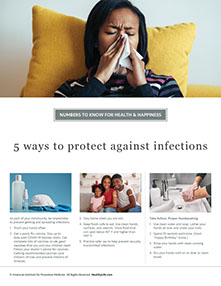
  • 5 Ways To Protect Against Infections

    General Health Conditions

    Parents with child all smiling showing upper arm with vaccine bandage.

    As part of your community, be responsible to prevent getting and spreading infections.

    1.  Wash your hands often.

    2.  Get a yearly flu vaccine. Stay up to date with COVID-19 booster shots. Get complete lists of vaccines atcdc.gov/vaccinesthat you and your children need. Follow your doctor’s advice for vaccines. Getting recommended vaccines save millions of lives and prevent millions of illnesses.

    3.  Stay home when you are sick.

    4.  Keep foods safe to eat. Use clean hands, surfaces, and utensils. Store food that can spoil below 40° F and higher than 140° F.

    5.  Practice safer sex to help prevent sexually transmitted infections.

    Take Action: Proper Handwashing

    1.  Use clean water and soap. Lather your hands all over and under your nails.

    2.  Spend 20 seconds each time. (Hum “Happy Birthday” twice.)

    3.  Rinse your hands with clean running water.

    4.  Dry your hands with an air drier or clean towel.

    Health at Home Lifetime book by the American Institute for Preventive Medicine. www.HealthyLife.com. All rights reserved.

    © American Institute for Preventive Medicine