Tag: General Health

  • Thyroid Problems

    General Health Conditions

    The thyroid is a small, butterfly-shaped gland in the lower front of the neck, below the voice box (larynx), and above the collarbone. It makes hormones that help convert food to energy. It regulates growth and fertility. It also maintains body temperature.

    Signs & Symptoms

    Hypothyroidism occurs when the thyroid gland does not make enough thyroid hormone. Body functions slow down. Signs and symptoms are:

    *  Fatigue. Sleeping too much.

    *  Depression.

    *  Dry, pale skin. Dry hair that tends to fall out.

    *  The voice deepens.

    *  Weight gain for no reason.

    *  Feeling cold often.

    *  Heavy and/or irregular menstrual periods in females.

    *  Poor memory.

    *  Constipation.

    Hyperthyroidism occurs when the thyroid makes too much thyroid hormone. Body functions speed up. Two common forms are Graves’ disease and multinodular goiter. Signs and symptoms are:

    *  Swelling in the front of the neck. The thyroid gland gets larger. This is called goiter.

    *  One or both eyes bulge. Tremors. Feeling nervous.

    *  Mood swings.

    *  Weakness.

    *  Frequent bowel movements.

    *  Heat intolerance.

    *  Shortened menstrual periods in females.

    *  Weight loss for no reason.

    *  Fine hair or hair loss.

    *  Rapid pulse. Heart palpitations.

    {Note: In elderly persons, symptoms for this can be more like ones for hypothyroidism.}

    Causes

    For Hypothyroidism

    *  Immune system problems.

    *  Removal of the thyroid gland.

    *  Treating the thyroid gland with radioactive iodine for hyperthyroidism.

    *  Too much or too little iodine in the diet.

    Risk factors for hypothyroidism include: A family history of the disease; having diabetes; and taking certain medicines, such as lithium.

    For Hyperthyroidism

    *  Immune system problems.

    *  Family history of the illness.

    *  Taking too much thyroid hormones from pills.

    Treatment

    Medical care is needed for thyroid problems.

    Hypothyroidism is treated with iodine and/or thyroid medicine.

    Hyperthyroidism treatment varies. It includes radioactive iodine, medication, and surgery, if needed.

    Some treatments result in the need to continue to take thyroid medicine.

    Follow-up care is needed for both of these thyroid problems.

    Questions to Ask

    Self-Care / Prevention

    *  Take medication as directed.

    *  Tell your doctor if symptoms come back or still bother you.

    *  Follow your doctor’s advice for self-care measures.

    Neck Check

    To see if you have a lump on your thyroid gland or if it is enlarged, the American Association of Clinical Endocrinologists recommends this quick self-test:

    1.  Tilt your chin up slightly and swallow a glass of water in front of a mirror.

    2.  Look at your neck as you swallow.

    3.  Check for any bulges or protrusions between your Adam’s apple and collarbone. If you see any, contact your doctor.

    Resources

    American Thyroid Association
    www.thyroid.org

    Healthier at Home book by the American Institute for Preventive Medicine. www.HealthyLife.com. All rights reserved.

    © American Institute for Preventive Medicine

  • Allergies Annoying You?

    SELF-CARE CORNER

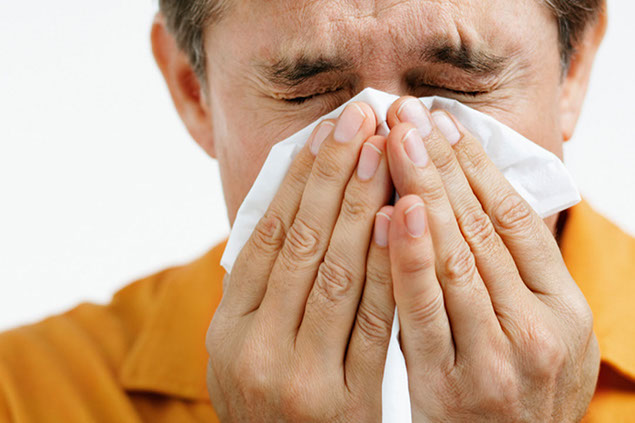
    Women outside blowing her nose.

    A runny nose, sneezing, itchy eyes… allergy symptoms can be miserable and common. More than 50 million Americans have allergies.

    People can get allergies at different times of the year. This is because different allergy triggers come and go as the seasons change:

    *  If you have allergies in the spring, you may be allergic to tree pollen.

    *  People who notice allergy symptoms in the summer are usually allergic to grass or weed pollen.

    *  Those who notice their allergies getting worse in late summer to fall are probably reacting to ragweed pollen.

    *  Allergy symptoms related to wet, rainy weather are often due to mold.

    *  If you have allergies year-round, you may be allergic to something indoors like dust mites or pet dander.

    What does allergy medicine do?

    There are many medicines available today that treat allergies. Each one works in a different way and can help people with different types of allergies. With the help of your doctor, you can find a solution that helps control your allergy symptoms. This can include:

    *  Antihistamines. They stop histamine, which is a chemical that the body releases when it is exposed to an allergen. These can help tackle all types of allergy symptoms, from runny nose to itching. Some antihistamines are pills, and others are nose sprays.

    *  Nasal (nose) sprays. Some allergy nose sprays contain an antihistamine ingredient. Others may contain a steroid to help stop swelling and inflammation, which causes a runny nose and sneezing. Nose sprays can help shut down the allergic reaction that starts in the nose.

    *  Eye drops. Eye drops for allergies are helpful for people who notice itchy or watery eyes. They don’t usually help with sneezing or other allergy symptoms.

    *  Immunotherapy. Includes allergy shots or small tablets placed under the tongue. These treatments expose the body to a small amount of the allergen over time. Your healthcare provider will have to give these to you.

    With all the treatments available today, you don’t have to live with miserable allergy symptoms. But talk with your healthcare provider before you try any new medicines.

    Sources: American Academy of Family Physicians, Asthma and Allergy Foundation of America

    © American Institute for Preventive Medicine

  • 7 Daily Health Habits

    General Health Conditions

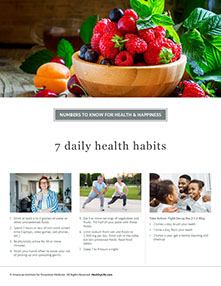
    A wooden bowl filled with berries.

    1.  Drink at least 6 to 8 glasses of water or other unsweetened fluids.

    2.  Spend 2 hours or less of non-work screen time (laptops, video games, cell phones, etc.).

    3.  Be physically active for 30 or more minutes.

    4.  Wash your hands often to lower your risk of picking up and spreading germs.

    5.  Eat 5 or more servings of vegetables and fruits. Fill half of your plate with these foods.

    6.  Limit sodium from salt and foods to 2,300 mg per day. Omit salt at the table. Eat less processed foods. Read food labels.

    7.  Sleep 7 to 9 hours a night.

    Take Action: Fight Decay the 2-1-2 Way

    *  2 times a day, brush your teeth

    *  1 time a day, floss your teeth

    *  2 times a year, get a dental cleaning and checkup

    Health at Home Lifetime book by the American Institute for Preventive Medicine. www.HealthyLife.com. All rights reserved.

    © American Institute for Preventive Medicine
  • Wash Hands For Health

    General Health Conditions

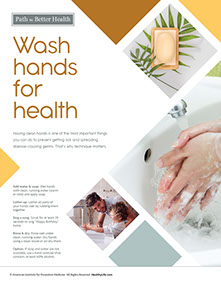
    Bar of soap.

    Having clean hands is one of the most important things you can do to prevent getting sick and spreading disease-causing germs. That’s why technique matters.

    Add water & soap:Wet hands with clean, running water (warm or cold) and apply soap.

    Lather up:Lather all parts of your hands well by rubbing them together.

    Sing a song:Scrub for at least 20 seconds or sing “Happy Birthday” twice.

    Rinse & dry:Rinse well under clean, running water. Dry hands using a clean towel or air-dry them.

    Option:If soap and water are not available, use a hand sanitizer that contains at least 60% alcohol.

    Health at Home Lifetime book by the American Institute for Preventive Medicine. www.HealthyLife.com. All rights reserved.

    © American Institute for Preventive Medicine

  • Are You Getting Enough Vitamin D?

    SELF-CARE CORNER

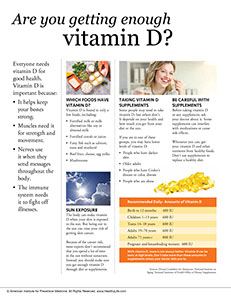
    Women holding a glass of water and a vitamin D pill.

    Everyone needs vitamin D for good health. Vitamin D is important because:

    *  It helps keep your bones strong.

    *  Muscles need it for strength and movement.

    *  Nerves use it when they send messages throughout the body.

    *  The immune system needs it to fight off illnesses.

    Which foods have vitamin D?

    Vitamin D is found in only a few foods, including:

    *  Fortified milk or milk alternatives like soy or almond milk

    *  Fortified cereals or juices

    *  Fatty fish such as salmon, tuna and mackerel

    *  Beef liver, cheese, egg yolks

    *  Mushrooms

    Sun exposure

    The body can make vitamin D when your skin is exposed to the sun. But being out in the sun can raise your risk of getting skin cancer.

    Because of the cancer risk, most experts don’t recommend that you spend a lot of time in the sun without sunscreen. Instead, you should make sure you get enough vitamin D through diet or supplements.

    Taking vitamin D supplements

    Some people may need to take vitamin D, but others don’t. It depends on your health and how much you get from your diet or the sun.

    If you are in one of these groups, you may have lower levels of vitamin D:

    *  People who have darker skin

    *  Older adults

    *  People who have Crohn’s disease or celiac disease

    *  People who are obese

    Recommended Daily- Amounts of Vitamin D

    Birth to 12 months: 400 IU

    Children 1-13 years: 600 IU

    Teens 14-18 years: 600 IU

    Adults 19-70 years: 600 IU

    Adults 71 years+: 800 IU

    Pregnant and breastfeeding women: 600 IU

    With vitamin D, more is not always better. Vitamin D can be toxic at high levels. Don’t take more than these amounts in supplements unless your doctor tells you to.

    Be careful with supplements

    Before taking vitamin D or any supplement, ask your doctor about it. Some supplements can interfere with medications or cause side effects.

    Whenever you can, get your vitamin D and other nutrients from healthy foods. Don’t use supplements to replace a healthy diet.

    Sources: Dietary Guidelines for Americans, National Institute on Aging, National Institutes of Health Office of Dietary Supplements

    © American Institute for Preventive Medicine
  • Allergies

    General Health Conditions

    An allergy is an immune system problem to a substance (allergen) that is normally harmless. An allergen can be inhaled, swallowed, or come in contact with the skin.

    Signs & Symptoms

    For Common Allergies

    *  Sneezing. Watery eyes. Cold symptoms that last longer than 10 days without a fever. Dark circles under the eyes.

    *  Frequent throat clearing. Hoarseness. Coughing or wheezing.

    *  Skin rash.

    *  Loss of smell or taste.

    *  Ear and sinus infections occur again and again.

    Signs of a Severe Allergic Reaction

    *  Shortness of breath. A hard time breathing or swallowing. Wheezing.

    *  Severe swelling all over, or of the face, lips, tongue, and/or throat.

    *  Feeling dizzy, weak, and/or numb.

    *  Pale or bluish lips, skin, and/or fingernails.

    *  Cool, moist skin or sudden onset of pale skin and sweating.

    *  Fainting. Decreasing level of awareness.

    Causes

    *  Allergic rhinitis. This is caused by breathing allergens from animal dander; dust; grass, weed and tree pollen; mold spores, etc.

    *  Asthma.

    *  Food allergies. Common ones are milk, fish, nuts, wheat, corn, and eggs.

    *  Skin allergies.

    Anaphylaxis is a sudden and severe allergic reaction. It occurs within minutes of exposure. It worsens very fast. It can lead to anaphylactic shock and death within 15 minutes if emergency medical care is not received.

    Insect stings, nuts, penicillin, and shellfish are common causes of a severe allergic reaction.

    Treatment

    How are allergies treated? Avoid the allergen(s). Skin tests can identify allergens. Allergy shots may be prescribed. Medications can prevent and relieve symptoms. Persons who have had a sudden, severe allergic reaction may be prescribed medicine, such as an EpiPen. This is used for a severe reaction before getting emergency medical care.

    Questions to Ask

    Self-Care / Prevention

    For a Severe Allergic Reaction

    *  Take prescribed medicine, such as an EpiPen, as advised. Then get emergency care!

    *  Wear a medical ID alert tag for things that cause a severe allergic reaction.

    *  Avoid things you are allergic to.

    For Other Allergic Reactions

    *  If mild symptoms occur after you take a medicine, call your doctor for advice.

    *  For hives and itching, take an OTC antihistamine, such as Benadryl. Take it as prescribed by your doctor or as directed on the label.

    *  Don’t use hot water for baths, showers, or to wash rash areas. Heat worsens most rashes and makes them itch more.

    *  For itching, use an oatmeal bath or calamine (not Caladryl) lotion. You can also use a paste made with 3 teaspoons of baking soda and 1 teaspoon of water.

    *  Avoid things you are allergic to.

    *  Read food labels. Don’t eat foods that have things you are allergic to. When you eat out, find out if menu items have things you are allergic to before you order them.

    Resources

    Asthma and Allergy Foundation of America 800.7.ASTHMA (727.8462)

    www.aafa.org

    Healthier at Home book by the American Institute for Preventive Medicine. www.HealthyLife.com. All rights reserved.

    © American Institute for Preventive Medicine

  • Wash It Off

    General Health Conditions

    Father and young daughter washing their hands.

    Washing hands regularly can do a lot to prevent disease. Wash your hands with soap and water for 20 seconds. Dry off your hands to stave off bacteria, choosing paper towels over hand dryers, if possible. Use a hand sanitizer with at least 60% alcohol if soap and water are not readily available. However, washing your hands with water is best for washing away germs. Cold water works just as well as warm, and in the winter, using warm water can actually dry out your skin faster.

    Be More Earth-Friendly

    When washing your hands in a public restroom, and no paper towels are handy, air drying is best and uses no additional energy.

    Health at Home Lifetime book by the American Institute for Preventive Medicine. www.HealthyLife.com. All rights reserved.

    © American Institute for Preventive Medicine
  • Fatigue & Autoimmune Diseases

    Women’s Health

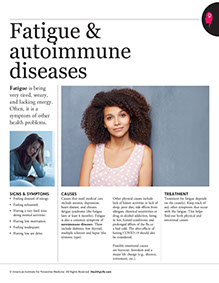
    Fatigue is being very tired, weary, and lacking energy. Often, it is a symptom of other health problems.

    Signs & Symptoms

    *  Feeling drained of energy.

    *  Feeling exhausted.

    *  Having a very hard time doing normal activities.

    *  Having low motivation.

    *  Feeling inadequate.

    *  Having little desire for sex.

    Causes

    Causes that need medical care include anemia, depression, heart disease, and chronic fatigue syndrome (the fatigue lasts at least 6 months). Fatigue is also a common symptom of autoimmune diseases. These include diabetes, low thyroid, multiple sclerosis, and lupus (the systemic type).

    Other physical causes include lack of leisure activities or lack of sleep; poor diet; side effects from allergies, chemical sensitivities or drug or alcohol addiction; being in hot, humid conditions; and prolonged effects of the flu or a bad cold.

    Possible emotional causes are burnout, boredom, and a major life change (e.g., divorce, retirement, etc.).

    Treatment

    Treatment for fatigue depends on the cause(s). Keep track of any other symptoms that occur with the fatigue. This helps find out both physical and emotional causes.

    Questions to Ask

    Self-Care / Prevention

    If fatigue is due to a medical condition, follow your doctor’s or health care provider’s guidelines for rest, diet, medication, etc.

    *  Get regular physical activity. Exercise can give you more energy, especially if you sit all day at work. Exercise can calm you, too.

    *  Cool off. Working or playing in hot weather can drag you down. Rest in a cool, dry place as often as you can. Drink plenty of water.

    *  Rest and relax. Get a good night’s sleep. Relax during the day if you can, too. Practice deep breathing or meditation.

    *  Eat well. Eating too much and “crash dieting” are both hard on your body. Don’t skip breakfast. Limit high-fat and/or rich, sugary foods. Eat whole-grain breads and cereals and fruits and vegetables every day. Have 5 to 6 light meals a day, instead of 3 large ones. Take vitamin and mineral supplements, as advised by your doctor.

    *  Change your routine. Do something interesting each day. If you do too much, plan for some quiet time.

    *  Lighten your work load. Assign tasks to others when you can. Ask for help when you need it.

    *  Do something for yourself. Plan time to do things that meet only your needs.

    *  Avoid too much caffeine and alcohol. Don’t use illegal drugs. These trigger fatigue.

    Resources

    Chronic Fatigue Syndrome & Fibromyalgia Information Exchange Forum (Co-Cure)

    www.co-cure.org

    Women's Self-Care book by the American Institute for Preventive Medicine. www.HealthyLife.com. All rights reserved.

    © American Institute for Preventive Medicine
  • 6 Benefits Of Drinking Water

    WELL-BEING

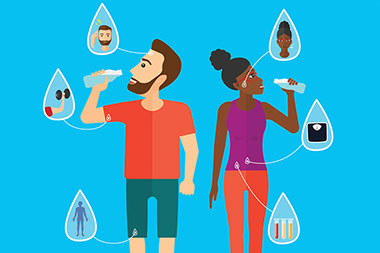
    Illustration of drinking water and it's benefits.

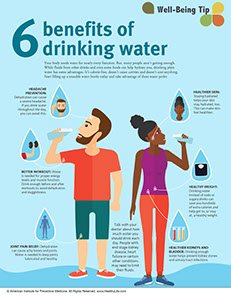
    Your body needs water for nearly every function. But, many people aren’t getting enough. While fluids from other drinks and even some foods can help hydrate you, drinking plain water has some advantages. It’s calorie-free, doesn’t cause cavities and doesn’t cost anything. Start filling up a reusable water bottle today and take advantage of these water perks:

    Headache prevention:Dehydration can cause a severe headache. If you drink water throughout the day, you can avoid this.

    Better workout:Water is needed for proper energy levels and muscle function. Drink enough before and after workouts to avoid dehydration and sluggishness.

    Joint pain relief:Dehydration can cause achy bones and joints. Water is needed to keep joints lubricated and healthy.

    Healthier skin:Staying hydrated helps your skin stay hydrated, too. This can make skin feel healthier.

    Healthy weight:Drinking water instead of soda or sugary drinks can save you hundreds of extra calories and help get to, or stay at, a healthy weight.

    Healthier kidneys and bladder:Drinking enough water helps prevent kidney stones and urinary tract infections.

    Talk with your doctor about how much water you should drink each day. People with end stage kidney disease, heart failure or certain other conditions may need to limit their fluids.

    © American Institute for Preventive Medicine
  • Fatigue

    General Health Conditions

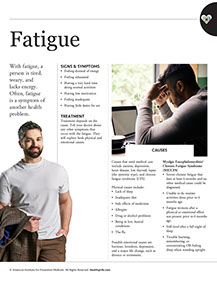
    With fatigue, a person is tired, weary, and lacks energy. Often, fatigue is a symptom of another health problem.

    Signs & Symptoms

    *  Feeling drained of energy.

    *  Feeling exhausted.

    *  Having a very hard time doing normal activities.

    *  Having low motivation.

    *  Feeling inadequate.

    *  Having little desire for sex.

    Causes

    Causes that need medical care include anemia, depression, heart disease, low thyroid, lupus (the systemic type), and chronic fatigue syndrome (CFS).

    Other physical causes include: Lack of sleep; poor diet; side effects of medicines; allergies; drug or alcohol problems; being in hot, humid conditions; and the flu.

    Possible emotional causes are burnout, boredom, and a major life change, such as divorce or retirement.

    Treatment

    Treatment depends on the cause. Tell your doctor about any other symptoms that occur with the fatigue. He or she will explore both physical and emotional causes.

    Questions to Ask

    Self-Care / Prevention

    *  If fatigue is due to a medical problem, follow your doctor’s or health care provider’s guidelines for rest, diet, medication, etc.

    *  Get regular physical activity. Exercise can give you more energy, especially if you sit all day at work. Exercise can calm you, too.

    *  Cool off. Working or playing in hot weather can drag you down. Rest in a cool, dry place as often as you can. Drink plenty of water.

    *  Avoid too much caffeine and alcohol.

    *  Don’t use illegal drugs.

    *  Lighten your work load. Assign tasks to others when you can, both at work and at home. Ask for help when you need it from family and friends. Hire help if you need to.

    *  Change your routine. Try to do something new and that you want to do every day.

    *  If you do too much, make time for some peace and quiet.

    *  Do something for yourself. Plan time to do things that meet only your needs, not just those of others.

    Resources

    Treating Chronic Fatigue Syndrome & Fibromyalgia

    www.treatcfsfm.org

    Healthier at Home book by the American Institute for Preventive Medicine. www.HealthyLife.com. All rights reserved.

    © American Institute for Preventive Medicine