Tag: General Travel Guidelines

  • Avoid Bed Bugs

    WELL-BEING

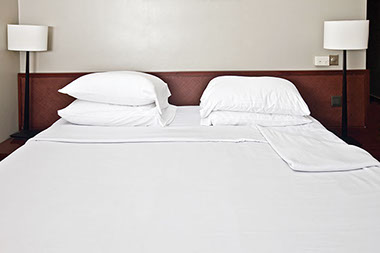
    Image of a bed.

    Upon entering a hotel room, place your luggage in the bathtub or on the toilet seat. Bed bugs can’t crawl up these surfaces and attach to your bags. While in the room, keep luggage on the luggage rack, off the floor. Hard-sided luggage lacks the folds and creases of soft-sided bags making it more difficult for the pests to hide in your bags.

    Since bed bugs are large enough to see, check the mattress and bed frame for any signs that the pests have been hiding there. Do you notice any tiny black spots? Spots and stains are good indicators of either a current or prior presence. Pull back sheets, inspect mattress seams and examine any other upholstered items in the room.

    Bed bugs are drawn to wood-don’t neglect the nightstand and dresser. If it appears as though the critters have invited themselves into your hotel room, ask the management for another room.

    Before packing the car for the trip home, place luggage in large plastic bags and knot securely. Once home, immediately wash all clothing on the hottest temperature setting suggested by the care labels. Dry on high heat for at least  30 minutes. Avoid packing items that can only be laundered on a cold-water setting, suggest The Maids, a residential cleaning service.

    © American Institute for Preventive Medicine
  • Don’T Let The Bed Bugs Bite

    SELF-CARE CORNER

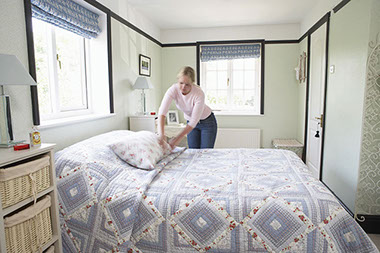
    Image of women making bed.

    Bed bugs have become more common in the U.S. in recent years. Common pesticides used to kill bed bugs may not work as well as they once did. The bugs may be getting “resistant,” which means they can survive pesticides used on them. This resistance, along with increased travel by people and lack of knowledge about how to get rid of them, are likely to blame for the rise in these pests.

    Bed bugs feed on blood so they are attracted to people and animals. They also come out at night, so the bed is the best place for them to find their meal.

    Check for bed bugs

    If you want to keep bed bugs out, you’ll need to check your home, as well as hotels while traveling. Look for small, reddish brown bugs about the size of an apple seed. Use a flashlight to get a good look. Check:

    *  Under and all around the mattress, box spring and bed frame

    *  Seams and small crevices where they like to hide –  bed bugs can get into cracks as thin as a credit card

    *  Nightstands and other furniture near beds

    Do I have bed bugs?

    Even if you don’t see any bugs, watch for signs that they are hiding in your home and biting people. The most common signs of bed bugs include:

    *  Small, reddish spots on bed sheets or mattresses

    *  Small round, dark spots on the bed  (may look like ink spots)

    *  Tiny eggs, egg shells or light yellow skins

    How to prevent them

    Bed bugs have been found in clean homes that are well cared for. They can be hard to keep out. These tips can help you keep them away:

    *  Check for bed bugs when you travel and don’t put your suitcase on the bed.

    *  When you get home from a trip, immediately wash your travel clothes in hot water.

    *  Keep luggage outside when you get home and vacuum it thoroughly. Empty the vacuum contents into a plastic bag, seal it and throw it in the garbage outside.

    If you find a bug that might be a bed bug, tape it to a piece of paper so you can show it to a pest control expert. Call a pest control company right away. If you live in an apartment or rental home, contact your landlord about what to do.

    The Environmental Protection Agency has information about getting rid of them on their website. Visitwww.epa.gov/bedbugs.

    Sources: National Institutes of Health, Environmental Protection Agency

    © American Institute for Preventive Medicine

  • Preparing For A Vacation From Work

    WORK LIFE

    Image of family looking out of an airport window.

    To help make the most of your time off, be sure you’ve prepared for your absence at work. These steps can help you get ready for your well-deserved break:

    *Give people advance notice.As soon as you have plans, tell your supervisor and colleagues. If you have key clients or customers, be sure to tell them too.

    *Set up an out-of-office reply and voicemail.These basics let everyone know when you’ll get back with them. If possible, list a colleague’s name and number for urgent needs, but ask them first if this is okay.

    *Make a list of important tasks to complete before you leave.Then, stick to the list and make sure you get it done. This will help your colleagues and you’ll be able to rest easier on vacation.

    *Decide how you can be reached and let people know.If you don’t want phone calls or emails, let co-workers know. Some people want to take a complete break from work, while others like checking in. Or, you may tell people to call only if it’s urgent. It may depend on your job responsibilities and your preference.

    Traveling and spending

    In 2016, people in the U.S. spent $836.6 billion on domestic travel. This made up 84 percent of all travel expenditures. The money spent on travel in the U.S. directly supported over 7 million American jobs.

    Travelers spent $248.5 billion on food services. This accounted for 25 percent of travel expenses. It surpassed lodging expenses, which were 21.3 percent, or $210.8 billion, of total travel expenses.

    Source: U.S. Travel Association

    © American Institute for Preventive Medicine

  • Women Traveling Alone: Safety Tips

    WELL-BEING

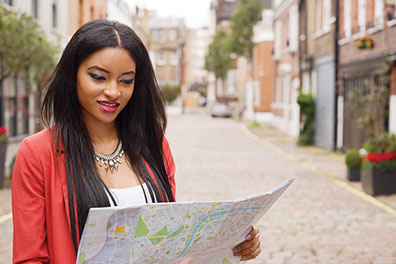
    Image of young women reading a map.

    Perhaps more than ever, women are willing to ditch their traveling companions and go solo when it comes time to hit the road and see the world. Many travel for business.

    Still, despite the trend, many women may worry that traveling alone can carry too many risks, making them a target for thieves, kidnappers,

    and other criminals.

    Barbara Foster, a veteran globetrotter and author of the book The Confessions of a Librarian: A Memoir of Loves, advises, “Sure, there are risky places and bad types out there. But with the right precautions, women can travel solo with confidence, visiting the places and meeting the people they always dreamed of and returning home with wonderful stories and memories.”

    *Steer clear of the most dangerous locales.Simply put, some places just aren’t worth the risk. Avoid “no go” neighborhoods, cities, and countries.

    *Connect with friendly contacts.Make yourself known not only to the US embassy or consul, but also to people in your field, Foster said. During her travels, Foster wrote articles about libraries she visited. Her fellow librarians were a  protective group.

    *Learn the language or at least useful phrases.Even if it’s just a few key words, speaking the language can come in handy if you need to seek help. Knowing what others are saying can also alert you to potential dangers.

    *Dress wisely, pay attention to manners, and spend money in moderation.Don’t draw needless attention to yourself. For added protection against thieves, Foster suggests carrying money and ID in a pouch under your shirt.

    *Travel in the US.You will miss many of the world’s must-see places, but if the thought of traveling abroad holds too much stress for you, it might be better to stick closer to home.

    © American Institute for Preventive Medicine