Tag: glasses

  • Save On Eye Care

    Medical Care

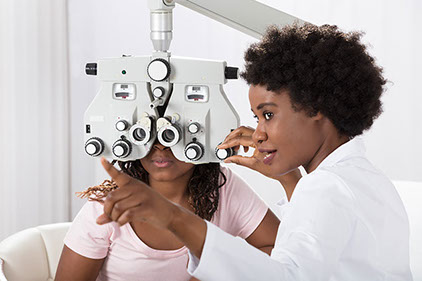
    Image of eye doctor with patient.

    “See” what you can do to get free or low cost vision care.

    Get a list of state and national resources for free and low-cost aid fromwww.nei.nih.gov/health/financialaid.asp.

    Eyeing eye care.

    It costs less to have an eye exam from an optometrist than an ophthalmologist. An optometrist (O.D.) is trained and licensed to examine eyes, prescribe lenses, and detect vision problems. Ophthalmologists are M.D.s. They can do everything optometrists do. They can also do surgery and prescribe medicines.

    Experience counts.

    If you are thinking about having surgery, etc. to correct your vision, find an eye surgeon who has a good record and approved equipment for the type of surgery you want to have. Ask your current eye doctor to recommend an eye surgeon. Don’t just use ads and low prices as your only factors in choosing an eye surgeon. It could cost you more in the long run.

    Get it in writing.

    When you get an exam for eyeglasses or contact lenses, get a copy of the prescription. Use it to get prices from different retail places, pharmacies, mail-order companies, and online sites.

    Check for coupons and discounts.

    Some retailers offer discounts, “buy one, get one free,” etc. You may also be able to get a discount on eyeglasses, etc. through membership with your auto insurance company, credit card program, and/or warehouse stores.
    Cover image to the Healthy Savings book by the American Institute for Preventive Medicine. www.HealthyLife.com. All rights reserved.

    © American Institute for Preventive Medicine
  • The Importance Of Proper Eye Care

    SELF-CARE CORNER

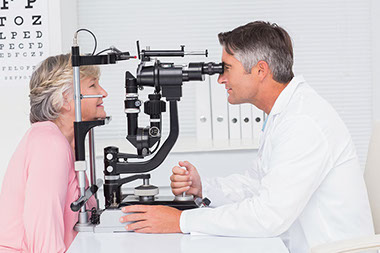
    Image of older women getting her eyes check by an eye doctor.

    Many people don’t think about their eyes until they start to hurt or develop a problem. But even if your eyes feel fine, they need proper care to keep them healthy. Follow the advice of the National Eye Institute:

    Get regular eye exams.

    Your doctor can recommend a schedule for you, depending on your age and other health factors. Many common eye diseases, such as glaucoma, diabetic eye disease and age-related macular degeneration, don’t have obvious symptoms. An eye exam can find these problems early, when they’re most treatable.

    Eat a healthy diet.

    Your eyes benefit from a diet rich in fruits, vegetables and omega-3 fatty acids. Talk with your doctor about the right diet for you.

    Keep them shaded.

    Wear sunglasses that have at least 99 percent UVA and UVB protection when you’re outside.

    Don’t smoke.

    Smoking hurts your health in many ways, including your sight. It increases your risk of eye problems that can lead to blindness. It’s never too late to quit. For free resources to help you quit, visitsmokefree.gov.

    Protect your eyes.

    Cover your face and eyes with goggles or a full-face mask when playing sports or doing work. Wear safety goggles when working with power tools and sharp objects. Follow your employer’s guidelines for wearing eye protection. Encourage your coworkers to do the same.

    Know your family history.

    If there are eye problems in your family, tell your doctor.

    © American Institute for Preventive Medicine