Tag: gloves

  • Disinfecting Your Home Safely

    WELL-BEING

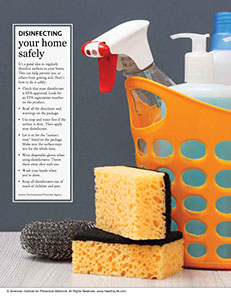
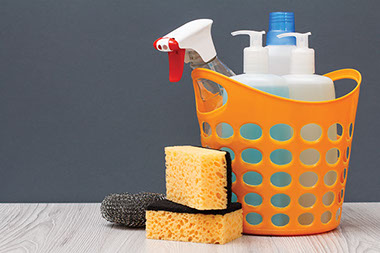
    Bucket with cleaning supplies.

    It’s a good idea to regularly disinfect surfaces in your home. This can help prevent you or others from getting sick. Here’s how to do it safely:

    *  Check that your disinfectant is EPA-approved. Look for an EPA registration number on the product.

    *  Read all the directions and warnings on the package.

    *  Use soap and water first if the surface is dirty. Then apply your disinfectant.

    *  Let it sit for the “contact time” listed on the package. Make sure the surface stays wet for the whole time.

    *  Wear disposable gloves when using disinfectants. Throw them away after each use.

    *  Wash your hands when you’re done.

    *  Keep all disinfectants out of reach of children and pets.

    Source: Environmental Protection Agency

    © American Institute for Preventive Medicine

  • Cold Hands & Feet

    Skin Conditions

    Signs & Symptoms

    *  Fingers or toes turn pale white or blue, then red, in response to cold temperatures.

    *  Pain when the fingers or toes turn white.

    *  Tingling or numbness in the hands or feet.

    Causes

    Often the cause is unknown and not serious. Cold hands and feet can be a symptom of the conditions that follow.

    *  Poor circulation. This is most often due to diseased arteries.

    *  Raynaud’s disease. This is a disorder that affects the flow of blood to the fingers and sometimes to the toes.

    *  Any underlying disease that affects the blood flow in the tiny blood vessels of the skin. Women who smoke may be more prone to this.

    *  Frostbite.

    *  Stress.

    *  A side effect of taking certain medicines

    *  Cervical rib syndrome. This is a compression of the nerves and blood vessels in the neck that affects the shoulders, arms, and hands.

    Treatment

    Emergency care is needed for frostbite. If a medical condition causes cold hands and/or feet, treatment for the condition is needed.

    Questions to Ask

    Self-Care / Prevention

    *  Don’t smoke. If you smoke, quit.

    *  Avoid caffeine.

    *  Don’t handle cold objects with bare hands. Use ice tongs to pick up ice cubes, etc.

    *  Set your indoor thermostat at 65ºF or higher.

    *  Wear mittens and wool socks to keep hands and feet warm.

    *  Don’t wear tight-fitting footwear.

    *  Wiggle your toes. It may help keep them warm by increasing blood flow.

    *  Stretch your fingers straight out. Swing your arms in large circles like a baseball pitcher warming up for a game. This may increase blood flow to the fingers. Skip this tip if you have bursitis or back problems.

    *  Meditate. Learn and practice biofeedback.

    Healthier at Home book by the American Institute for Preventive Medicine. www.HealthyLife.com. All rights reserved.

    © American Institute for Preventive Medicine

  • First Aid Precautions

    First Aid

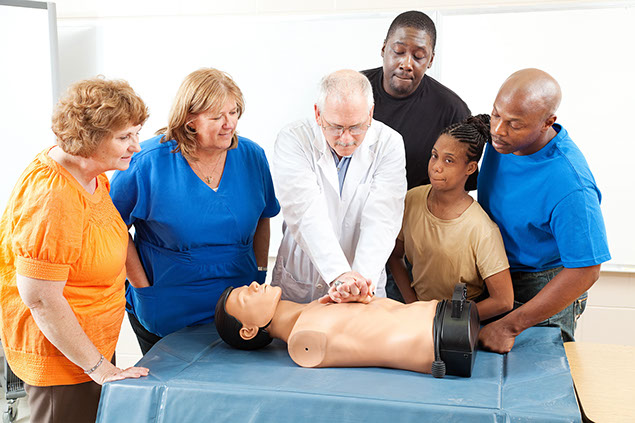
    Image of women on phone beside someone who is unresponsive.

    First Aid Safety Steps

    1.  LOOK around. Is it safe to help? If not, call  9-1-1, have someone else call, or seek medical help. If it is safe to help, stay calm and go to step 2.

    2.  CHECK for a response.

    *  Gently tap the person. Ask, “Are you okay?” Ask loudly. Call the person by name if you know it.

    *  If the person responds or moves, attend to his or her problem, as needed. If the person is injured or the problem is serious, call for emergency medical care. Give first aid as needed, until medical help arrives.

    *  If the person does not respond or move, begin CPR.

    3.  PROTECT yourself from hepatitis B virus and HIV, the virus that causes AIDS. You can get these from an infected person’s blood or other body fluids if they enter your body. These organisms can enter through cuts or breaks in your skin or through the lining of your mouth, nose, and eyes. When you give first aid or do CPR, take these steps, especially if you don’t know the person:

    *  Use plastic wrap or a plastic bag that you can throw away whenever you touch another person’s body fluids, blood, or other objects that may be soiled with his or her blood. If possible, have the person apply pressure to the wound with his or her own hand.

    *  Cover the person’s open wounds with dressings, extra gauze, or waterproof material.

    *  Using a mouth-to-mouth barrier device when you give rescue breaths may or may not protect you from picking up an infection. You do not need to give rescue breaths with Hands-Only CPR.

    *  Within 1 to 2 hours, report every incident that exposes you to another person’s blood or other body fluids to your doctor and EMS personnel.

    4.  FIND out if the person has certain medical needs.

    *  Ask if he or she has prescribed medicine, such as nitroglycerin, to take for a heart condition. Ask where he or she keeps the medicine. Find out how much to give. Ask the person or read the directions on the medicine’s label, if there is one.

    *  Ask the person if you can give the medicine to him or her.

    *  Look for a medical alert tag to find out about health problems the person has.

    *  Find out if the person is allergic to any medicine.
    Healthier at Home book by the American Institute for Preventive Medicine. www.HealthyLife.com. All rights reserved.

    © American Institute for Preventive Medicine

  • Latex Allergy

    MEDICAL NEWS

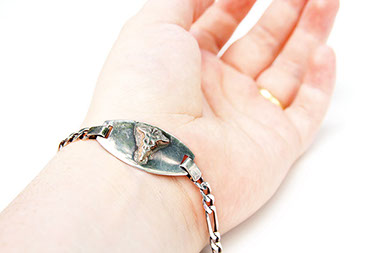
    Close up image of a medical ID.

    If you are allergic to latex, you usually know it. You can react with sneezing or worse symptoms because your body is reacting to proteins in natural rubber latex, which is made from the rubber tree.

    The Asthma and Allergy Foundation of America suggests you do this:

    *  Always wear a medical ID that alerts others about your allergy if you need emergency care.

    *  Ask doctors, dentists, and others who examine you to wear latex-free exam gloves. Carry gloves with you to give your dentist or doctor.

    *  Check labeling. Do not assume a product labeled “hypoallergenic” is latex-free.

    *  Know that latex can be found in some elastic in clothing, rubber bands, condoms, balloons, disposable diapers, and many more products.

    *  If you’re allergic to latex, you may have reactions to bananas, kiwi, and cantaloupe, which contain some of the same allergens found in latex.

    © American Institute for Preventive Medicine