Tag: gratitude

  • Wellness Gifts 2

    Personal Safety

    Fitness tools shaped into a Christmas tree.

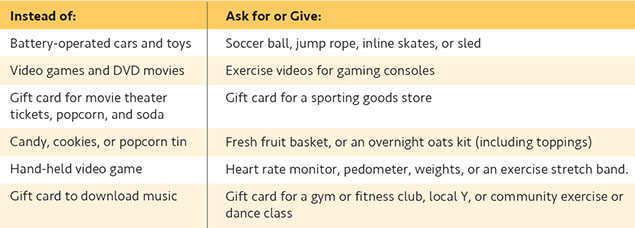
    Give presents that promote a healthy lifestyle. Keep their well-being and self-care in mind when making your list and checking it twice.

    Action Step:There are many thoughtful and joyful gifts to choose from that will enhance well-being, for adults and kids.

    A Year of Health Hints book by the American Institute for Preventive Medicine. www.HealthyLife.com. All rights reserved.

    © American Institute for Preventive Medicine

  • Create Self-Enhancing Feelings 2

    SleepWell® Program

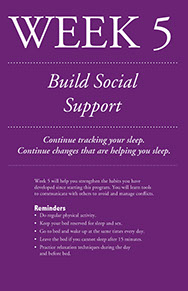
    Week 5

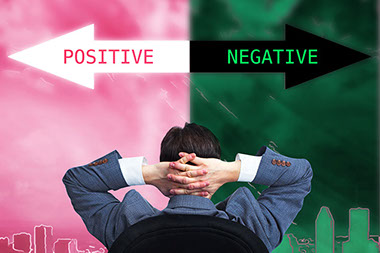
    Split image with arrows, one pointing to positive side and the other to a negative side.

    Take responsibility for your thoughts, feelings, and actions. You will feel better about yourself and your life. Blaming others is a natural, child-like reaction. It is more adult-like to figure out the amount of control you have in a given situation and respond to it in a mature way. You may not have control in every situation, but you can choose how you respond to others.

    One reason to become more accountable for your responses is that a “victim” response forms negative, draining feelings. Self-responsibility creates positive energy. With it you can manage every event in a more positive, self-nurturing manner. One way to do this is to look at your language and see if you use “victim” or “accountability” phrases.

    Example “victim” phrase:

    I can’t improve my sleep until my boss gives me a better work shift.

    Example “accountability” phrase:

    I can schedule a meeting with my boss to discuss my shift and my sleep needs.

    The Power of a Phrase

    Fill in after the victim phrase with something you have caught yourself saying or are feeling right now. Use an accountability phrase to re-write this statement.

    Victim Phrase

    *  I can’t…

    *  It’s useless…

    *  I have to…

    *  Why am I always the one who…

    Accountability Phrase

    *  I can…

    *  There’s always a chance…

    *  I choose to…

    *  I’ll be the one who…

    © American Institute for Preventive Medicine

  • How To Teach Children Gratitude

    FAMILY LIFE

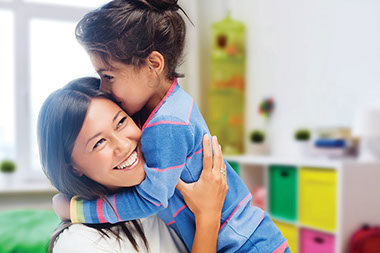
    Young child hugging mother.

    Children may often want every new toy and thing they see. But you can help teach them gratitude with these tips:

    1.Make getting things a surprise.This helps kids see something as a gift, not an entitlement. For instance, “surprise” them with a trip to the park or their favorite dessert on special occasions.

    2.Be careful with choices.Allowing children to choose something big, such as a vacation destination, will make them think they can get whatever they want. Instead, the adults can choose the vacation plans and present it as a surprise.

    3.Talk about what made them happy each day.This teaches kids to be thankful for good things. It can be as simple as playing at recess, seeing a friend or enjoying what they ate for lunch.

    4.Serve others as a family.Community charity programs such as working at a food bank are a great way for kids to see how much they have. Also, do smaller things like bring meals to neighbors who are going through a hard time.

    5.Show them how to be positive.Being demanding, whiny or jealous quickly turns into being ungrateful for what they have. You can point out positives in nearly any situation to teach them how to find it themselves. “It’s really hot today, but I’m so glad we have cold water to drink” is a great example.

    6.Insist on saying “please” and “thank you.”Give them positive reinforcement every time they use these words. This helps to teach them the importance of showing  gratitude and respect for other people.

    7.Give them chores to do.Yes, kids are busy, but simple things like putting away their clothes, helping with dishes and picking up their toys are valuable lessons. Chores teach kids that it takes work to keep up a household and that they should contribute. Even five to 10 minutes of chores a day is helpful.

    8.Consider gifts of “experiences” instead of “things.”Not sure what to get them because they already have so much? How about tickets to a movie or show? Or a trip to a water park for a day? Chances are, they will remember those fun experiences far longer than any toy or gadget.

    Source: American Academy of Pediatrics

    © American Institute for Preventive Medicine

  • Make A New Thanksgiving Tradition

    FAMILY LIFE

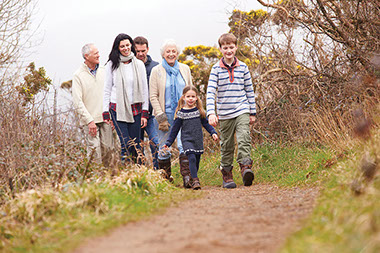
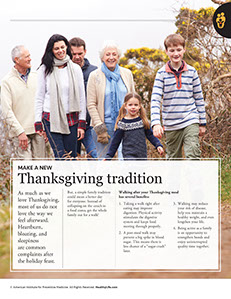
    Family walking along a trail.

    As much as we love Thanksgiving, most of us do not love the way we feel afterward. Heartburn, bloating, and sleepiness are common complaints after the holiday feast.

    But, a simple family tradition could mean a better day for everyone. Instead of collapsing on the couch in a food coma, get the whole family out for a walk!

    Walking after your Thanksgiving meal has several benefits:

    1.  Taking a walk right after eating may improve digestion. Physical activity stimulates the digestive system and keeps food moving through properly.

    2.  A post-meal walk may prevent a big spike in blood sugar. This means there is less chance of a “sugar-crash” later.

    3.  Walking may reduce your risk of disease, help you maintain a healthy weight, and even lengthen your life.

    4.  Being active as a family is an opportunity to strengthen bonds and enjoy uninterrupted quality time together.

    © American Institute for Preventive Medicine

  • Simple Steps To A Great Work Day

    WORK LIFE

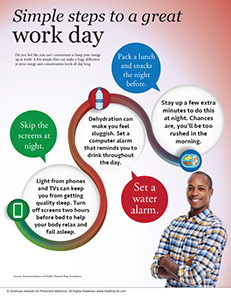
    Smiling man with arms crossed.

    Do you feel like you can’t concentrate or keep your energy up at work? A few simple fixes can make a huge difference in your energy and concentration levels all day long.

    Pack a lunch and snacks the night before.Stay up a few extra minutes to do this at night. Chances are, you’ll be too rushed in the morning.

    Set a water alarm.Dehydration can make you feel sluggish. Set a computer alarm that reminds you to drink throughout the day.

    Skip the screens at night.Light from phones and TVs can keep you from getting quality sleep. Turn off screens two hours before bed to help your body relax and fall asleep.

    Sources: National Institutes of Health, National Sleep Foundation

    © American Institute for Preventive Medicine

  • Appreciate The Journey

    Healthylife® Weigh

    Part 5

    Two women enjoying a run together.

    Know why you are being physically active. This will help get you motivated to start and to keep going.

    1.Connect with your interests.If you enjoy hiking, find a new trail to explore. If you are in a new place, plan a day with lots of walking to learn about your new neighborhood. You may find you can be active for much longer when you have distracting, interesting scenery around you.

    2.Be reflective.Take time to reflect as part of your workout or your cool-down. Appreciate your abilities and strengths. Express gratitude for those who encourage and guide you.

    3.Have fun.Find an organized fun run or “Couch to 5k” program in your community. Fun runs often have a theme, like color runs, glow-in-the-dark runs, and obstacle courses. Many can be done as a team. Having a goal that is bigger than the physical activity itself can motivate you, keep you accountable, and keep you moving longer than you may have otherwise!

    4.Connect with others.Make memories with your friends and family that revolve around being active. Have tough conversations while on a long walk or hike. You may be more likely to find a solution or think more clearly while being active.

    5.Listen to music.Music can be inspiring and distract you from a tough workout. It can also help you keep up your pace.

    © American Institute for Preventive Medicine

  • Create Self-Enhancing Feelings

    Healthylife® Weigh

    Part 4

    Man thinking.

    Take responsibility for your thoughts, feelings, and actions. You will feel better about yourself and your life. Blaming others is a natural, child-like reaction. It is more adult-like to figure out the amount of control you have in a given situation and respond to it in a mature way. You may not have control in every situation, but you can choose how to respond to others.

    One reason to become more accountable for your responses is that a “victim” response forms negative, draining feelings. Self-responsibility creates positive energy. With it you can manage every event in a more positive, self-nurturing manner. One way to do this is to look at your language and see if you use “victim” or “accountability” phrases.

    Example “victim” phrase:I can’t lose weight until my family also tries to lose weight.

    Example “accountability” phrase:I can talk with my family about how they can be supportive of my efforts. I can help with family meal planning so I have more control over the foods kept in the house and served during meals.

    Complete the chart on the next page to practice taking responsibility for your thoughts, feelings, and actions.

    © American Institute for Preventive Medicine

  • 3 Ways To Find Joy At Work

    WORK LIFE

    Image of co-workers talking and smiling.

    Your job is a part of your life. But if you’re less than happy with it, your health could take a hit. The U.S. Surgeon General states that mental and emotional well-being are critical to your overall health. Not to mention, if you find ways to be happy at work, you may find more success and satisfaction with your career. Here are a few ways to make work more enjoyable each day:

    1.Think about your motivation.Write down two reasons why you go to work each day. Look at those reasons each day to remind yourself why you’re doing it.

    2.Take note of daily progress.Big or small, think about something good that you did at work each day. Congratulate yourself for achievements or ways you’ve improved in certain areas or abilities.

    3.Find healthy outlets.Sometimes work stress can’t be avoided. If you can accept the fact that stress will happen, the next step is to find a way to cope. Find a fun new hobby, take a class, go for a walk, or try meditation.

    © American Institute for Preventive Medicine