Tag: grill

  • Corn On The Cob: A Summertime Staple

    HEALTHY EATING

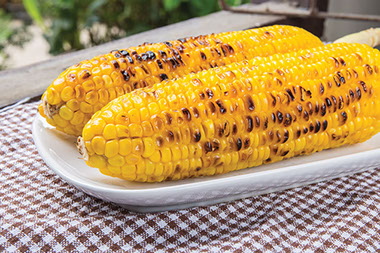
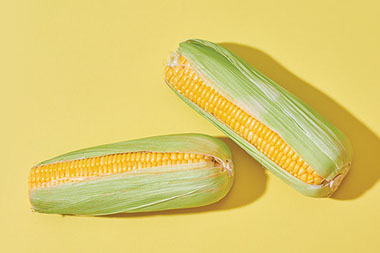
    Two corn on the cobs.

    Corn on the cob is a favorite food at summer barbecues and outings. Its popular flavor makes it a treat – but it has plenty of health benefits too.

    Basics of corn

    Corn isn’t a vegetable. It’s actually a type of grain. Whole grain corn contains vitamins and heathy plant compounds.

    Some of corn’s nutrients include:

    *  Soluble and insoluble fiber, which helps with digestion and preventing constipation

    *  B vitamins, including vitamin B5, folate, B6, and niacin, which help with energy and many body processes

    *  Potassium, which is important for heart health

    *  Antioxidants, including zeaxanthin and lutein, which may be linked to eye health

    Making corn the healthy way

    Corn is versatile and can be cooked in several different ways. Many people simply remove the husk and boil it until tender. But you can also grill it, bake it and microwave it.

    If you can’t find fresh corn on the cob, frozen corn (on the cob or removed) is a healthy option. Look for brands that do not add salt, sugar or other ingredients. Frozen corn is usually microwaved or steamed.

    If you use butter or margarine, measure it so you know how much you’re using. Start with 1/2 teaspoon and see if you can cover the entire ear of corn with that small amount. Try a salt-free seasoning blend or black pepper for a flavor kick without sodium.

    What about corn chips?

    If corn is healthy, then are foods with corn in them a healthy choice? Not necessarily.

    Corn is used in many processed foods like chips and crackers. These products won’t have the same health benefits as real corn on the cob.

    Many processed foods contain added salt, sugar and unhealthy fats. They may also remove many of corn’s natural nutrients. Some research shows that eating a lot of highly processed foods can lead to obesity and health problems.

    Sources: American Heart Association, United States Department of Agriculture

    © American Institute for Preventive Medicine
  • Seven Ways To Make Your Barbecues Healthier

    Nutrition

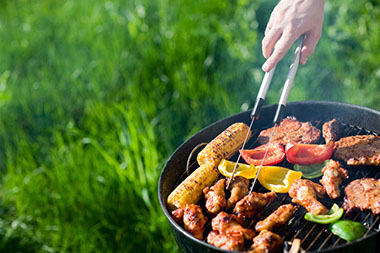
    Image of food on the barbecue grill.

    One of the most popular rites of summer is the outdoor cookout. Unfortunately, evidence suggests that foods cooked on a charcoal, gas, or electric grill may be hazardous to your health.

    The National Academy of Science has discovered a possible link between the grilling of food and the development of what are believed to be cancer-causing compounds. Some researchers suspect that when high-fat, high-protein foods-like hamburgers-are exposed to the intense, searing heat of barbecue cooking, the fat and protein turn into mutagens-chemicals that can damage the genetic material of cells and possibly cause cancer.

    Since the jury is still out on whether or not grilled food definitely causes cancer, it’s probably wise to reserve barbecuing for special occasions, rather than grill food regularly. Some other guidelines to reduce the potential risks from eating grilled food include:

    *  Before cooking meat or poultry (or fish, if applicable), trim away fat. And don’t baste foods to be grilled with butter or oil.

    *  Keep a spray water bottle handy to douse flare-ups.

    *  Position food well above the heat source.

    *  If noticeable amounts of fat drip and flare up as food cooks, lower the flame or move the food to another part of the grill.

    *  Cook food until it’s done, but avoid charring it. The longer food is grilled and the blacker it gets, the higher the risk.

    *  To avoid charring fish and vegetables, wrap them in aluminum foil.

    *  Many foods, like chicken, can be boiled or microwaved before grilling, to reduce fat content and grilling time.

    Page from A Year of Health Hints book by the American Institute for Preventive Medicine. www.HealthyLife.com. All rights reserved.

    © American Institute for Preventive Medicine
  • The Grill Is For More Than Meat

    HEALTHY EATING

    Image of a grilled corn on the cob.

    If you love getting out the grill for summer meals, don’t stop at burgers and chicken. The grill is an excellent way to prepare some of summer’s most delicious fresh produce. The Produce for Better Health Foundation says you can use the grill to turn many familiar fruits and veggies into healthy and delicious treats. Try these suggestions:

    *  Fresh pineapple chunks can be grilled on skewers for a sweet twist for kabobs and salads.

    *  Cut peaches in half and remove pit. Grill on low, cut side down, for a few minutes.

    *  Corn can be soaked in water, husks on, and grilled. Once they’re cooked, the husks will slide right off, and you’ll have hassle-free corn!

    *  Toss summer squash or zucchini with a little olive oil and fresh herbs before grilling for a nutritious and tasty side dish.

    If you’ve never grilled these items before, don’t be afraid to give them a try. Test them out when you’ve got extra time and no guests coming over. Then you can perfect your method before you serve it to others.

    © American Institute for Preventive Medicine