Tag: groceries

  • Save At The Supermarket

    FINANCIAL HEALTH

    Couple at the grocery store.

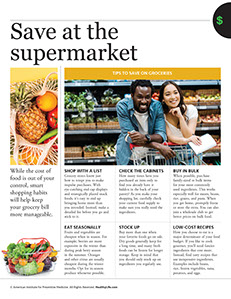
    While the cost of food is out of your control, smart shopping habits will help keep your grocery bill more manageable.

    Tips to save on groceries

    Shop with a list

    Grocery stores know just how to tempt you to make impulse purchases. With eye-catching end cap displays and strategically placed snack foods, it’s easy to end up bringing home more than you intended. Instead, make a detailed list before you go and stick to it.

    Check the cabinets

    How many times have you purchased an item only to find you already have it hidden in the back of your pantry? As you make your shopping list, carefully check your current food supply to make sure you really need the ingredients.

    Buy in bulk

    When possible, purchase family-sized or bulk items for your most commonly used ingredients. This works especially well for meats, beans, rice, grains, and pasta. When you get home, promptly freeze or store the extra. You can also join a wholesale club to get better prices on bulk food.

    Eat seasonally

    Fruits and vegetables are cheapest when in season. For example, berries are more expensive in the winter than during peak berry season in the summer. Oranges and other citrus are usually cheapest during the winter months. Opt for in-season produce whenever possible.

    Stock up

    Buy more than one when your favorite foods go on sale. Dry goods generally keep for a long time, and many fresh foods can be frozen for longer storage. Keep in mind that you should only stock up on ingredients you regularly use.

    Low-cost recipes

    How you choose to eat is a major determinant of your food budget. If you like to cook gourmet, you’ll need fancier ingredients that cost more. Instead, find tasty recipes that use inexpensive ingredients. Examples include beans, rice, frozen vegetables, tuna, potatoes, and eggs.
    © American Institute for Preventive Medicine

  • What To Know About Irradiated Food

    Nutrition

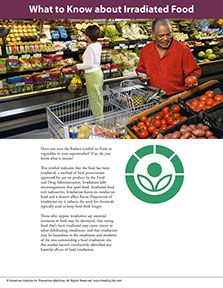
    Have you seen the Radura symbol on fruits or vegetables in your supermarket? If so, do you know what it means?

    This symbol indicates that the food has been irradiated, a method of food preservation approved for use on produce by the Food and Drug Administration. Irradiation kills microorganisms that spoil food. Irradiated food isn’t radioactive. Irradiation leaves no residue on food and it doesn’t affect flavor. Proponents of irradiation say it reduces the need for chemicals typically used to keep food fresh longer.

    Those who oppose irradiation say essential nutrients in food may be destroyed, that eating food that’s been irradiated may cause cancer or other debilitating conditions, and that irradiation may be hazardous to the employees and residents of the area surrounding a food irradiation site. But studies haven’t conclusively identified any harmful effects of food irradiation.

    Page from A Year of Health Hints book by the American Institute for Preventive Medicine. www.HealthyLife.com. All rights reserved.

    © American Institute for Preventive Medicine
  • Grocery Shopping With Kids

    Healthylife® Weigh

    Part 3

    Family of four grocery shopping.

    Grocery stores can be full of education and adventure for kids. Including kids in grocery shopping-and every part of meal prep-helps set up kids to make healthier choices later in life.

    *  Show the variety of different foods, especially in the produce section and grain aisle.

    *  Let kids pick out something colorful from the produce section. You can look up online what to do with it later!

    *  Ask kids to help you decide between healthy options (apple vs. orange). This encourages kids to make healthy choices.

    *  Discuss why certain foods are stored in the freezer or on the shelf.

    *  Ask younger kids to describe the foods you pick out. Use shapes, colors, and counting to identify foods on the shelf or in your cart.

    *  Ask older kids to help you read labels and signs in the store. Explain what these labels mean.

    © American Institute for Preventive Medicine
  • Write A Grocery List

    Healthylife® Weigh

    Part 3

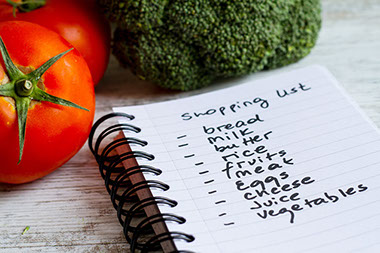
    Shopping list of groceries.

    1. Look at your weekly menu. Make a list of all of the ingredients you will need. Calculate how much you will need for the week. Example:

    *  2 oz. chicken breast x 5 meals = 10 oz. chicken breast

    *  2 cups greens x 3 meals = 6 cups greens

    2. What do you already have? Cross off what you don’t need to buy.

    3. On a fresh piece of paper, make a list of the ingredients you need to buy. Organize by section of the store to save time shopping.

    *  Fresh Fruits & Veggies

    *  Whole Grains (e.g., bread, pasta, rice, cereals), Beans & Lentils

    *  Meat/Poultry/Seafood/Tofu

    *  Misc. Aisles: Canned vegetables and fruits, nuts & seeds, dried fruit, oils

    *  Frozen Fruits & Veggies

    *  Dairy/Eggs

    Family Fun: Have your children help you write the grocery list each week. Practice math skills by adding the amounts you need for each item. Invite children to add a fruit or vegetable of their choice to the list. Have older children select a recipe and add ingredients to your list.

    © American Institute for Preventive Medicine
  • Eat Healthy & Save On Groceries

    FINANCIAL HEALTH

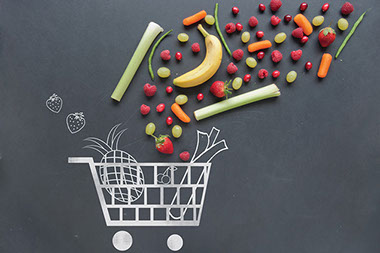
    Illustration of grocery cart with fruit and vegetables.

    Many people assume that healthy food, such as fresh fruit, costs more than processed and less nutritious foods like crackers and cookies. Although the best foods aren’t always the cheapest, healthy foods are worth the money spent. A healthy diet can help you feel better physically and mentally, which could mean fewer doctor visits and a better quality of life. If you’d like to eat healthier but are afraid it will hurt your budget, try these tips to get the most bang for your buck at the supermarket.

    *Plan your meals.Once or twice a week, sit down and write out the recipes you’d like to cook for the next few days. Write down the ingredients and shop for only those items. You’ll be less likely to resort to takeout because you have “nothing to eat” and you can avoid unneeded purchases.

    *Buy what’s in season.There’s a reason strawberries cost more in the winter months. They become harder to grow, and they must be shipped to your store from greater distances. Instead of trying to eat “summer” foods year-round, find out what’s freshest during each season. Citrus fruits and pears, for instance, are often best during the colder months.

    *Start a garden.You don’t need a huge yard to take advantage of growing your own food. Even a few small pots on a back deck or porch can allow you to grow some of your favorite fruits or vegetables. They’ll be fresh and delicious when you harvest them, and you won’t have to buy them.

    *Stock up.Canned goods, packaged cereals and other nonperishable items can be bought in larger quantities when on sale and stored. If you’re not a fan of clipping coupons, try buying them in bulk when possible.

    *Don’t overlook store brands.Buying canned and frozen items of the generic or store brand could save you a few dollars each time you visit the grocery store. Also, consider store brand bread, pasta, juice and other items. You probably won’t taste the difference.

    *Don’t shop while hungry.Some studies suggest that shopping while hungry could lead you to purchase more food than you need. Uneaten food, even the healthy kind, is money wasted.

    © American Institute for Preventive Medicine