Tag: group

  • Encourage Exercise In Others

    BE FIT

    Image of man and women doing pushups.

    Sticking to an exercise routine can be hard. But sometimes getting support from another person can help you get started. If you’ve been able to work out regularly, you can help a loved one do the same. Be a positive force in their life by supporting them, not forcing them. Try these strategies that can encourage them without pressure.

    *  Make it doable. Don’t suggest signing up for difficult classes or workouts right away. A walk in the evening or doing push-ups while watching TV can be less overwhelming.

    *  Try something new. A new walking route, different stretches or a fun strength program may help them get motivated. Get away from the same old routine that may not have worked in the past.

    *  Let them pick. See if they are interested in any local exercise classes or programs – and go with them.

    *  Plan a meetup time. Many people find exercising right after work is helpful. This may be easier than trying to go back out after you’ve come home to relax. Some people are able to stick to a lunchtime walk if they work in the same place.

    *  Be consistent. Try to make your exercise routine a regular part of your week. For instance, two times each week is a doable but consistent way to start.

    *  Be an early riser. If the person lives with you, see if you both can get up 30 minutes earlier for a walk first thing in the morning.

    *  Ditch the car when you can. If the store or coffee shop is close by, you can walk or bike there together.

    *  See things from their point of view. It’s hard to get started with exercise. Try to understand how challenging it can be. Ask them how you can best support them.

    A positive mindset

    When it comes to exercise, the mind is as important as the body. When starting a new healthy habit or helping someone else, remember to:

    *  Celebrate small efforts. Be happy about seeing an improvement – no matter how small – in strength or fitness level.

    *  Don’t let setbacks take over. If you miss a week or even two, get back to it. Tell the person you’re not giving up, and help them try again.

    Remember that every little bit of exercise is a step in the right direction!

    Source: U.S. Department of Health and Human Services

    © American Institute for Preventive Medicine
  • Rate Your Aerobics Class

    Fitness

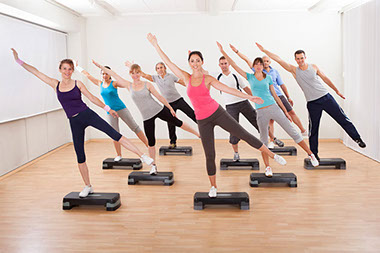
    Image of an aerobic class.

    Use this handy ten-point checklist to figure out whether an aerobics class is right for you. (You may have to take a class or two on a trial basis to answer all the questions.)

    1.  Is the instructor well-qualified? (He or she should be certified by the American College of Sports Medicine or by a national aerobics association.)

    2.  Is the floor firm yet resilient? (It should be made of either wood, with an airspace or a spring cushion underneath, or polyvinylchloride / urethane. Avoid mats. They can throw you off balance.)

    3.  Is the room air-conditioned?

    4.  Is there enough space for each participant to move freely, without crowding?

    5.  Does the routine include a warm-up and cool-down period?

    6.  Does the aerobic portion of the class last at least 20 minutes? (Your heart rate should reach but not exceed your target heart rate.)

    7.  Are you told how to check your pulse before, during, and after the aerobic portion of the class?

    8.  Does the routine allow participants to adjust the pace to their individual ability? (You should be able to step up the pace or ease off if you need to.)

    9.  Does the instructor introduce new routines or music from time to time?

    10. Do you feel relaxed or invigorated after class? If you feel sore and exhausted, something’s wrong.

    “Yes” answers mean you’ve probably found a class that will suit your needs.

    Page image from A Year of Health Hints book by the American Institute for Preventive Medicine. www.HealthyLife.com. All rights reserved.

    © American Institute for Preventive Medicine
  • It Takes A Village

    Healthylife® Weigh

    Part 4

    Three friends at the beach.

    Build support around you. Support from others can help:

    *  Motivate you and lift you up when you stumble.

    *  Hold you accountable.

    *  Give you new ideas and inspiration.

    *  Make activities more fun.

    Start With One Person

    Find someone you know and trust. This could be anybody-a family member, friend, or coworker. Perhaps this person already motivates you to make positive changes in your life.

    1. Let them know what you are trying to do.

    2. Ask them if they would be willing to support you.

    3. If “yes,” say “thank you!”

    4. Let them know how to help you. This may change over time.

    5. Thank this person often. Let them know the impact they are having on your lifestyle change.

    Let Others Know How to Help You

    Even when someone wants to help you, they may not know how. You have probably experienced this already, like when someone gives you cliché advice or gives you a sweet treat to cheer you up.

    Be specific when you tell others how to help you. Here are a few ideas.

    *  Remind you of your strengths and talents.

    *  Share healthy recipes for easy meals and snacks.

    *  Plan social times that don’t involve food. For example, go for a walk or go to the same exercise class.

    *  Give you non-food gifts only.

    *  Take care of your children so you can do your planned exercise. Or, plan an event where your families can be active together.

    © American Institute for Preventive Medicine