Tag: halloween

  • Take The Hazard Out Of Halloween

    Child Safety

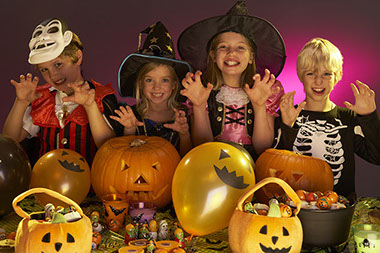
    Image of children in halloween customs.

    Dressing up to go trick-or-treating is a traditional childhood ritual. But wandering the streets in the dark dressed in bizarre costumes and knocking on strangers’ doors to ask for food can pose hazards. To be sure your children have a Halloween that’s fun and safe, take these precautions.

    *  Choose white or bright costumes, preferably of flame-retardant fabric and marked with reflective tape.

    *  Be sure a costume is short enough so that your child won’t trip.

    *  Don’t let your trick-or-treaters wear masks, which can interfere with their vision. Instead, apply makeup to their faces.

    *  Trick-or-treaters should carry flashlights, not candles. Small children should be accompanied by an adult.

    *  Avoid trick-or-treating at homes on dark streets or in unfamiliar neighborhoods.

    *  Check all treats before your children eat them. Don’t let children eat candy or other treats that aren’t commercially wrapped or look as though they’ve been tampered with.

    *  Keep carved, candlelit pumpkins out of reach of young children. And be sure to set your jack-o’- lantern on a nonflammable surface.

    A Year of Health Hints book by the American Institute for Preventive Medicine. www.HealthyLife.com. All rights reserved.

    © American Institute for Preventive Medicine

  • Halloween Candy Control

    HEALTHY EATING

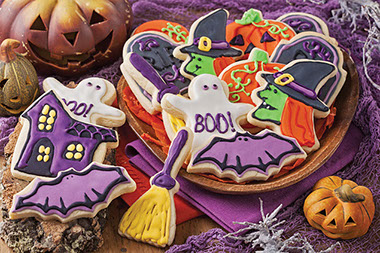
    Image of halloween treats.

    Despite all your work to help your kids eat healthy, holidays like Halloween can quickly throw your efforts off track. Candy in the stores and at school, and, of course, while trick-or-treating means your kids have plenty of access to junk food. It might be downright scary.

    While a little candy isn’t harmful, it can be easy to overdo it when junk food seems to be everywhere. And the health problems associated with sugary snacks and unhealthy foods are real:

    *  The Centers for Disease Control and Prevention says 1 in 5 school-aged children has obesity. While candy alone isn’t to blame, experts know that eating too many foods high in calories and low in nutrition (such as candy and sugary treats) are part of the problem.

    *  Sugary treats can cause cavities. The American Dental Association says some of the worst offenders are sticky treats that cling to teeth and those that sit in the mouth for a long time like hard candies and suckers. But, any high-sugar snack can spell trouble for someone’s dental health.

    The good news is, even health-conscious families can enjoy the fun of Halloween (and a few treats) if they have a plan in place before the spooky day arrives:

    *Don’t leave candy out where it can be grabbed any time.Kids (and adults) tend to reach for whatever is available, and may mindlessly eat whatever is sitting out. Put candy and other goodies in a hard-to-reach cupboard instead. This requires more effort to get to it, so it is “out of sight, out of mind.”

    *Teach kids moderation.If you make candy and sweets off-limits, kids may want the forbidden food even more. Instead, allow them a small treat after they’ve eaten a healthy dinner.

    *Lead by example.If you have a hard time avoiding sweet treats, now is a great time to make healthy eating a family effort. Reserve your candy and other treats for after dinner. Make it a small amount, such as one fun-sized candy bar.

    *Buy what you don’t like.If you like to grab a piece here and there while the trick-or-treaters visit your house, buy candy you won’t be tempted to eat.

    *Donate your candy!Teach kids to do good by giving their candy to soldiers and charitable causes, such as for kids who are in the hospital. A variety of organizations accept candy, but check first. Try your local food bank, Operation Gratitude, the Halloween Candy Buy Back and Ronald McDonald House.
    © American Institute for Preventive Medicine

  • Spooky And Not-So-Spooky Halloween Treats

    HEALTHY EATING

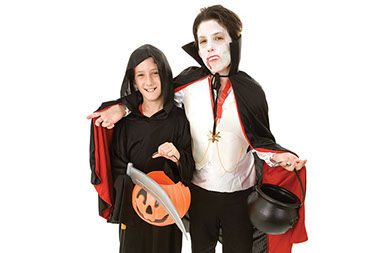
    Image of a brother and sister dressed for Halloween.

    Worst

    *  Chewy/sticky sweets, such as gummy candies, taffy, and even dried fruit can be difficult for children and adults to resist, and even more difficult to remove from teeth. They get stuck in the crevices between teeth, making it nearly impossible for saliva to wash them away.

    *  Sour candies are highly acidic and can break down tooth enamel quickly. The good news: Saliva slowly helps to restore the natural balance of the acid in the mouth. Wait 30 minutes to brush your teeth after consuming sour/acidic candies; otherwise, you are brushing the acid onto more tooth surfaces and increasing the risk of enamel erosion.

    *  Sugary snacks, including candy corn, cookies, and cake, all contain high amounts of sugar, which can cause tooth decay.

    Best

    *  Sugar-free lollipops stimulate saliva, which can help prevent dry mouth that leads to tooth decay.

    *  Sugar-free gum can actually prevent cavities as it not only dislodges food particles from between the teeth but also increases saliva-which works to neutralize the acids of the mouth and prevent tooth decay.

    *  Dark chocolate and its antioxidants can be good for the heart and may even lower blood pressure.

    As always, monitor your children’s candy intake this Halloween and all year round. Kids should be brushing their teeth twice a day for 2 minutes, the Academy recommends.

    © American Institute for Preventive Medicine