Tag: health

  • Be Kind To Your Kidneys

    MEDICAL NEWS

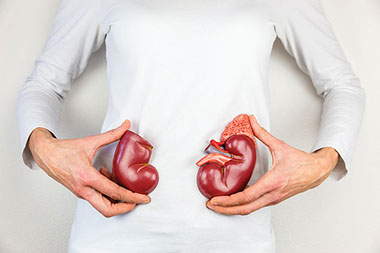
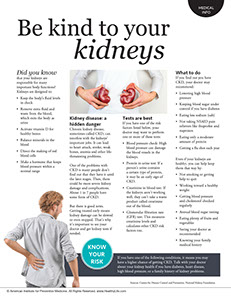
    Image of person holding plastic kidneys.

    Did you know that your kidneys are responsible for many important body functions? Kidneys are designed to:

    *  Keep the body’s fluid levels in check

    *  Remove extra fluid and waste from the blood, which exits the body as urine

    *  Activate vitamin D for healthy bones

    *  Balance minerals in the blood

    *  Direct the making of red blood cells

    *  Make a hormone that keeps blood pressure within a normal range

    Kidney disease: a hidden danger

    Chronic kidney disease, sometimes called CKD, can interfere with the kidneys’ important jobs. It can lead to heart attack, stroke, weak bones, anemia and other life-threatening problems.

    One of the problems with CKD is many people don’t find out that they have it until the later stages. Then, there could be more severe kidney damage and complications. About 1 in 7 people have some form of CKD.

    But there is good news. Getting treated early means kidney damage can be slowed or even stopped. That’s why it’s important to see your doctor and get kidney tests if needed.

    Know your risk

    If you have one of the following conditions, it means you may have a higher chance of getting CKD. Talk with your doctor about your kidney health if you have diabetes, heart disease, high blood pressure, or a family history of kidney problems.

    Tests are best

    If you have one of the risk factors listed below, your doctor may want to perform one or more of these tests:

    *  Blood pressure check: High blood pressure can damage the blood vessels in the kidneys.

    *  Protein in urine test: If a person’s urine contains a certain type of protein, it may be an early sign of CKD.

    *  Creatinine in blood test: If the kidneys aren’t working well, they can’t take a waste product called creatinine out of the blood.

    *  Glomerular filtration rate (GFR) test: This measures creatinine levels and calculates other CKD risk factors too.

    What to do

    If you find out you have CKD, your doctor may recommend:

    *  Lowering high blood pressure

    *  Keeping blood sugar under control if you have diabetes

    *  Eating less sodium (salt)

    *  Not taking NSAID pain relievers like ibuprofen and naproxen

    *  Eating only a moderate amount of protein

    *  Getting a flu shot each year

    Even if your kidneys are healthy, you can help keep them that way by:

    *  Not smoking or getting help to quit

    *  Working toward a healthy weight

    *  Getting blood pressure and cholesterol checked regularly

    *  Annual blood sugar testing

    *  Eating plenty of fruits and vegetables

    *  Seeing your doctor as recommended

    *  Knowing your family medical history

    Sources: Centers for Disease Control and Prevention, National Kidney Foundation
    © American Institute for Preventive Medicine

  • Do Genetic Tests Really Work?

    MEDICAL NEWS

    Women holding a swab near her mouth.

    You may have seen ads for genetic tests. These tests claim to tell you about your health. They might tell you if you’re at risk for a certain disease or if you should eat a certain diet.

    Big promises from companies

    At-home genetic tests may sound exciting, and companies advertise them as “the answer” to many health issues. But the Food and Drug Administration (FDA) and the Centers for Disease Control and Prevention (CDC) say you should be careful about using these tests.

    Before you spend a lot of money on one, keep in mind that the test may not have any science to back up its claims. Others may give you some good information, but the information is only useful if you also have a complete medical exam.

    The FDA and CDC say that genetic tests are complex. They say that the results can be hard to understand without having appropriate medical knowledge.

    Just a snapshot

    Many genetic tests look at a few of your body’s genes. But you have more than 20,000 genes in your body. If you get a “positive result” for certain genes, it could mean:

    *  You have a certain disease.

    *  You have a higher risk of getting certain diseases.

    *  You are a carrier for a certain disease.

    But even a positive result doesn’t tell the whole story. You may never get the disease that comes back “positive.” Or if you do, it may not be severe enough to cause any serious health problems.

    A negative result means the lab didn’t find any unusual changes in your genes. While this can be good news for certain diseases, it’s not foolproof. It doesn’t mean you’ll never get a disease or have health problems. It’s also possible that the test didn’t look at other genes that could be important.

    Many factors at play

    Genes are only one piece of each person’s health story. Your environment and your lifestyle also play huge parts in your physical and mental health. Don’t rely on genetic tests to make any health promises. Instead, see your doctor regularly and follow a healthy lifestyle. That can mean more than a few genes.

    When genetic tests are part of a medical exam, they can be helpful. Your doctor can help you decide if you need genetic tests. If you do need them, make sure a medical professional reads your results.

    Source: Federal Trade Commission

    © American Institute for Preventive Medicine
  • Erectile Dysfunction Facts

    MEDICAL NEWS

    Older couple cuddling with a blanket.

    Erectile dysfunction (ED) occurs when a man cannot get an erection or cannot keep an erection long enough to have sex. It can happen at any age but it is more common in men over the age of 75.

    While it may seem like a symptom of aging, erectile dysfunction is not caused by the aging process. Instead, it may be a symptom of another health condition.

    Causes

    *  Diabetes

    *  High blood pressure

    *  Some prescription medications

    *  Alcohol and tobacco use

    *  Atherosclerosis (hardening of the arteries)

    *  Fatigue

    *  Stress, anxiety, or depression

    *  Stroke

    *  Low testosterone

    *  Chronic kidney disease

    *  Multiple sclerosis

    *  Injury to the penis, bladder, prostate, or pelvis

    *  Being overweight

    *  Emotional or psychological factors

    Treatment

    Your doctor is the best resource to diagnose and treat ED. Proper treatment of ED depends on the exact cause. If a health condition causes ED, treatment to bring that condition under control may improve ED.

    In the absence of a medical cause, it may be beneficial to explore psychological or emotional issues. Working with a licensed therapist can help.

    Other treatment options include:

    *  Medication such as Viagra or Cialis

    *  Testosterone replacement

    *  Devices that assist in getting and maintaining an erection

    *  Surgery

    Prevention

    Some causes of ED are preventable. Protecting your overall health may decrease your chance of developing ED later in life.

    Healthy habits may improve health issues such as being overweight, diabetes, high blood pressure, and atherosclerosis. Your doctor may recommend some of these healthy habits to address or prevent ED.

    *  Stop smoking

    *  Avoid excess alcohol intake

    *  Eat a healthy, balanced diet

    *  Maintain a healthy weight

    *  Be physically active

    © American Institute for Preventive Medicine

  • Kids, Puberty & Sports

    BE FIT

    Adult and teen playing basketball.

    Sports can be a great way for kids to develop social skills, teamwork and resilience. But it’s important to know that athletic ability changes as kids grow.

    Growth affects performance

    During puberty, boys and girls have a growth spurt that can change their athletic ability. After going through puberty:

    *  Boys may notice more muscle strength and overall bigger body size.

    *  Girls often lose some muscle mass. They may temporarily lose some of their speed or agility.

    *  Kids could feel “clumsy” as they adjust to being taller. The brain hasn’t yet adjusted to this new height and may affect balance skills or body control.

    *  It may be harder to throw or hit a ball with longer arms.

    *  Girls may have headaches, mood swings or cramps during menstruation.

    Puberty & knee injuries

    As kids get taller and heavier, they have a higher risk of anterior cruciate ligament (ACL) injury. The ACL is an important ligament that supports the knee.

    ACL injuries can be serious. They may require surgery and can increase the risk of knee arthritis later in life.

    Most ACL injuries happen when a person suddenly stops, changes direction, jumps or lands on the ground. They don’t usually happen from a blow to the knee. Sometimes an ACL injury causes a “popping” sound as it occurs.

    ACL injuries may cause swelling, severe pain, and inability to put weight on the knee. If your child injures their knee, see a doctor right away.

    Positive support is key

    Coaches who know about the effects of puberty can help kids. In addition, parents can help their kids by being positive and supportive. Yelling at kids or being put down may cause them to quit their sport. Remember that changes caused by puberty are only temporary.

    Source: American Academy of Pediatrics

    © American Institute for Preventive Medicine
  • Know Your Heart Risk

    MEDICAL NEWS

    Winter image of hands wearing red gloves making a heart shape.

    One reason heart disease is so deadly is due to its silent nature. Often, people do not know they have heart issues until they experience a heart attack or stroke.

    There’s plenty of good news, though. The risk factors for heart disease are fairly easy to spot. Taking steps to understand your heart numbers and manage your risk can decrease your chance of heart disease. And even if you already have heart disease, you can improve your odds by addressing your risk factors.

    Numbers to know

    Regular check-ins with your doctor are key to monitoring heart health. Your doctor will check your blood pressure, blood lipids, and overall health to determine your heart disease risk. Here are some numbers that could signal cause for concern:

    *  Blood pressure equal to or higher than 130/80 mm/Hg

    *  Total blood cholesterol ≥200 mg/dL

    *  LDL cholesterol  ≥100 mg/dL

    *  HDL cholesterol less than 40 mg/dL for men and 50 mg/dL for women

    *  Fasting blood sugar equal to or higher than 100 mg/dL

    *  Waist circumference greater than 40 inches for men and 35 inches for women

    Habits that put you at risk

    While the numbers your doctor tests for can indicate your heart disease risk, they are not the only factors to watch out for. Your lifestyle habits can tell you a lot about the health of your heart. Here are some habits that can increase your risk:

    *  Smoking

    *  Drinking more than 1 drink a day for women or 2 drinks a day for men

    *  Eating too much salty food

    *  Not eating enough fruits and vegetables

    *  Consuming a diet high in red meat and processed foods

    *  Being sedentary, or getting less than 150 minutes of exercise a week

    What to do next

    If any of these risk factors apply to you, talk to your doctor about your heart health. A long and healthy life requires a healthy heart.

    There are many effective treatments for heart disease, but the best plan is prevention. Taking steps to address your risk factors can make all the difference. Your doctor may recommend:

    *  Changes to your diet

    *  More exercise

    *  Cutting back on alcohol

    *  Quitting smoking

    *  Getting more sleep

    *  Medication

    © American Institute for Preventive Medicine

  • Mediterranean Diet: Should You Try It?

    HEALTHY EATING

    Olive oil, black oils, bread and cheese.

    You may have heard about the Mediterranean diet and how some people believe it can make you healthy. But, what is this diet, and is it right for you?

    The Mediterranean diet isn’t a special diet plan or product. Instead, it describes the typical diet of people who live near the Mediterranean Sea. In this region, many people eat a diet that focuses on:

    *  Plenty of vegetables and fruits

    *  Moderate amounts of dairy, fish and poultry

    *  Whole-grain bread and cereals

    *  Beans and lentils

    *  Nuts and seeds

    *  Olive oil

    *  Wine (low to moderate amounts)

    *  Very little red meat and sugary desserts

    *  Fresh, mostly unprocessed foods

    When followed properly, the Mediterranean diet is similar to the diet recommended by the American Heart Association (AHA). But, the Mediterranean diet tends to be higher in fat than the AHA recommendations. The AHA believes that this higher amount of fat may be leading to obesity in Mediterranean countries.

    Fat’s not all bad

    The AHA says that the type of fat in the Mediterranean diet is healthier than the typical American diet. This is because the American diet often includes eating too much saturated fat, particularly from red meat. The Mediterranean diet uses healthier unsaturated fats from olive oil and fish. These unsaturated fats are better for the heart because they don’t raise unhealthy blood cholesterol levels.

    But, this doesn’t mean you should eat high amounts of any kind of fat. The AHA still recommends that even the healthy unsaturated fats should be eaten in moderate amounts. Saturated fat should be limited to six percent of a person’s total calories each day. Saturated fat is found in meat and dairy products, as well as coconut oil.

    Fat has nine calories per gram, which means it packs more calories than carbs and protein. So, consuming too much of it could still lead to unwanted weight gain – even if it’s the healthy kind of fat.

    Are Mediterranean people healthier?

    This begs the question: does the Mediterranean diet make you healthier? Mediterranean countries have lower rates of heart disease than the U.S. But, this may not be due to diet alone. Their exercise habits and other factors could also play a role.

    What’s the verdict on this diet?

    The bottom line: No large studies have shown that the Mediterranean diet is a magic fix for better health. But, it’s a good idea to eat more vegetables, fruits, and whole grains and less red meat. Always ask a doctor before changing your diet, especially if you have any health conditions.

    © American Institute for Preventive Medicine

  • Questions About Metabolism

    MEDICAL NEWS

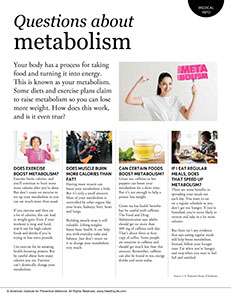
    Women flexing arm while holding a fork in the other hand, with the word "Metabolism".

    Your body has a process for taking food and turning it into energy. This is known as your metabolism. Some diets and exercise plans claim to raise metabolism so you can lose more weight. How does this work, and is it even true?

    Does exercise boost metabolism?

    Exercise burns calories, and you’ll continue to burn some more calories after you’re done. But don’t count on exercise to rev up your metabolism so you can eat much more than usual.

    If you exercise and then eat a lot of calories, this can lead to weight gain. Even if your workout is long and hard, watch out for high-calorie foods and drinks if you’re trying to lose extra pounds.

    Use exercise for its amazing health-boosting powers. But be careful about how many calories you eat. Exercise can’t drastically change your metabolism.

    Does muscle burn more calories than fat?

    Having more muscle can boost your metabolism a little. But it’s only a small amount. Most of your metabolism is controlled by other organs like your brain, kidneys, liver, heart and lungs. Building muscle mass is still valuable. Lifting weights boost bone health. It can help you with everyday tasks and balance. Just don’t count on it to change your metabolism very much.

    Can certain foods boost metabolism?

    Green tea, caffeine or hot peppers can boost your metabolism for a short time. But it’s not enough to help a person lose weight.

    Green tea has health benefits but be careful with caffeine. The Food and Drug Administration says adults should get no more than 400 mg of caffeine each day. That’s about three or four cups of coffee. Some people are sensitive to caffeine and should get much less than this amount. Remember, caffeine can also be found in tea, energy drinks and some sodas.

    If I eat regular meals, does that speed up metabolism?

    There are some benefits to spreading your meals out each day. You want to eat on a regular schedule so you don’t get too hungry. If you’re famished, you’re more likely to overeat and take in a lot more calories.

    But there isn’t any evidence that says eating regular meals will help boost metabolism. Instead, follow your hunger cues. Eat when you’re hungry and stop when you start to feel full and satisfied.

    Source: U.S. National Library of Medicine

    © American Institute for Preventive Medicine
  • Smoking Triggers And How To Beat Them

    MEDICAL NEWS

    Cigarettes and nicotine gum.

    Many people have tried to quit smoking but couldn’t. There are many reasons for this, but one of them is because of triggers. A trigger is something that makes you want to smoke.

    Emotional triggers

    When you have certain emotions, you may get the urge to smoke. They may include feeling stressed, nervous, depressed or even bored.

    You can help stop these triggers by dealing with your emotions in other healthy ways. Try meditation, deep breathing or exercise to help manage stress and anxiety. Exercise is also a great way to beat boredom and fight depression. Listen to calming music or talk to a friend who can encourage you to keep up your efforts to quit.

    Pattern triggers

    Sometimes you’re used to smoking when you do something else, such as drinking coffee or alcohol. This is known as a pattern trigger. You may also like to smoke after eating or during a work break.

    Change your routine to help avoid these patterns. Chew your favorite gum, suck on a hard candy or mint or go for a walk. Try brushing your teeth after meals, coloring in an adult coloring book or squeezing a stress relief ball.

    Social triggers

    Many people want to smoke at bars, parties or when they’re with people who smoke. These can be powerful triggers for you to smoke.

    It’s best to avoid these triggers if you’re trying to quit. Instead, surround yourself with people who don’t smoke or who want you to quit. Try taking a class or find a hobby, such as painting or cycling.

    Withdrawal triggers

    Your body will crave nicotine when you quit smoking. Nicotine is very addictive and you may go through withdrawal. Withdrawal triggers include:

    *  Cravings for cigarettes or e-cigarettes

    *  Feeling like you need to do something with your hands or mouth

    *  Feeling restless or uncomfortable

    Withdrawal can be very difficult to manage. As with other triggers, spend time with people who don’t smoke and who want you to quit. Find things to do that have nothing to do with smoking. Avoid places or situations where you might see or smell cigarettes or vaping.

    Quitting is hard. But if you have support from your doctor, family and friends, you can do it. Millions of people have quit and you can too!

    Source: Smokefree.gov

    © American Institute for Preventive Medicine

  • The Facts About Donating Organs

    MEDICAL NEWS

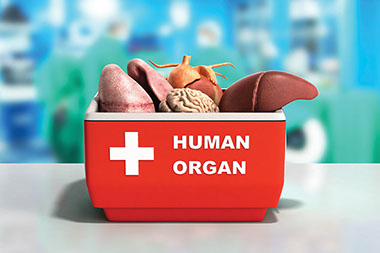
    Illustration of organs.

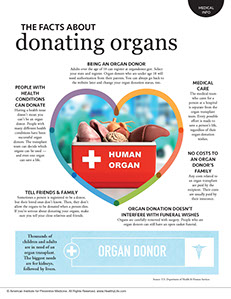
    Thousands of children and adults are in need of an organ transplant. The biggest needs are for kidneys, followed by livers.

    Being an organ donor

    Adults over the age of 18 can register at organdonor.gov. Select your state and register. Organ donors who are under age 18 will need authorization from their parents. You can always go back to the website later and change your organ donation status, too.

    People with health conditions can donate

    Having a health issue doesn’t mean you can’t be an organ donor. People with many different health conditions have been successful organ donors. The transplant team can decide which organs can be used – and even one organ can save a life.

    Tell friends & family

    Sometimes a person is registered to be a donor, but their loved ones don’t know. Then, they don’t allow the organs to be donated when a person dies. If you’re serious about donating your organs, make sure you tell your close relatives and friends.

    Medical care

    The medical team who cares for a person at a hospital is separate from the organ transplant team. Every possible effort is made to save a person’s life, regardless of their organ donation wishes.

    No costs to an organ donor’s family

    Any costs related to an organ transplant are paid by the recipient. Their costs are usually paid by their insurance.

    Organ donation doesn’t interfere with funeral wishes

    Organs are carefully removed with surgery. People who are organ donors can still have an open casket funeral.

    Source: U.S. Department of Health & Human Services

    © American Institute for Preventive Medicine
  • The Skinny On Processed Foods

    HEALTHY EATING

    Turkey deli on cutting board.

    White bread, packaged cookies and turkey bacon. What do these foods have in common? They are all processed foods. Processed food is the opposite of “whole food,” or food in its natural state.

    What does “processed foods” mean?

    It means the food has been changed from its natural state. White bread, for instance, may contain wheat flour that has been bleached and stripped of some of its nutrients. Packaged cookies may have bleached and stripped flour in addition to added sweeteners, artificial colors, preservatives and flavors. Turkey bacon is cured, processed and packaged.

    Not all processed  foods are bad

    There is a difference between foods that are minimally processed and “junk foods.” Frozen vegetables, for instance, may be considered “minimally processed.” They are not quite the same as picking the vegetables right from a garden. But if they don’t have added sugar or salt, frozen vegetables are a very healthy option.

    In addition, some foods that are considered “processed” can help people eat better. Canned fruit (without added sugar) or bagged salads are a convenient option for many people. They eliminate the extra work of gathering the food, washing it and cutting it.

    Sugar & salt overload

    Many processed “junk” foods contain too much added sugar or salt. Also, they may have little to no fiber or vitamins.

    Processed foods, including crackers and packaged snacks, are a major reason that people get too much sodium in their diets. Too much sodium raises the risk of high blood pressure and heart disease.

    Many processed foods also contain added sugars. The American Heart Association says we should limit added sugars to 6 teaspoons a day for women and 9 teaspoons for men. One 12-ounce soda exceeds that amount. Too much added sugar increases risk for type 2 diabetes and heart disease.

    Processed = weight gain?

    A recent study by the National Institutes of Health suggests that processed foods can cause weight gain. Participants who were given processed foods ate about 500 calories more per day than people who ate unprocessed foods. They also gained weight, while the people who ate unprocessed foods lost weight. You don’t have to cut all processed foods out of your diet. But cutting back on them – and eating more whole foods – will help you work toward a healthier weight.

    Sources: Academy of Nutrition and Dietetics, American Academy of Family Physicians, American Heart Association, National Institutes of Health

    © American Institute for Preventive Medicine