Tag: health benefits

  • How Physical Activity Works

    BE FIT

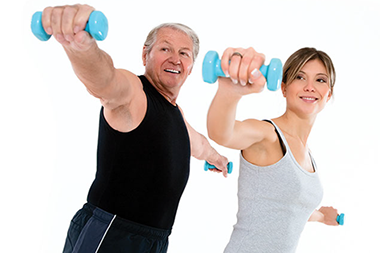
    Image of couple using dumb bells.

    No, this is not another article about why you should be active. This information tells you how exercise works to keep you healthier.

    The concept to understand is called overload. And according to the government’s Physical Activity Guidelines for Americans, overload is the physical stress placed on your body when your physical activity is greater in amount or intensity than usual.

    The body responds and adapts to these stresses (say, a Zumba class). For example, aerobic activity places stress on your heart and lungs and muscles. Your lungs are required to move more air and the heart pumps more blood and delivers it to working muscles. This increase in demand increases the efficiency of your lungs, heart, your entire circulatory system, and your muscles.

    Muscle-strengthening exercise overloads muscles and bones in the same way-making them stronger.

    Also tied to the idea of overload is the principle of progression. Once you reach a certain fitness level, you progress to higher levels of physical activity by continued overload and adaptation. These small and progressive changes help your body adapt to the additional stresses while minimizing your risk of injury.

    © American Institute for Preventive Medicine
  • Spice Up Your Life

    HEALTHY EATING

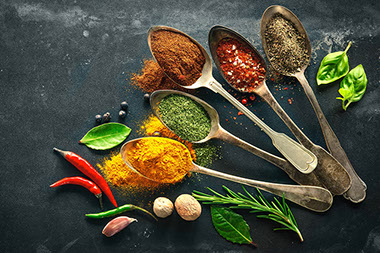
    Image of different spices.

    If you’re cutting back on salt to control blood pressure, the Spice Islands Test Kitchen has developed 5 tips to boost flavor in food:

    *Increase the amount of herbs when reducing salt.For a great flavor punch, increase your spice and herbs by 25% when reducing or eliminating salt in a recipe.

    *Crush herbs to release all flavor.For leafy herbs such as rosemary and leaf oregano, lightly crush the herbs to bring out maximum flavor.

    *For soups and stews, reduce the salt and add spices last.For long-cooking soups and stews, reduce the salt. Save about a fourth of the spices called for and add them at the end of cooking. This will give a more intense flavor to the dish.

    *Add herbs early in no-cook meals.For salad dressings, fruit dishes, or other no-cook foods, add herbs and spices several hours before serving so flavors can develop and blend. For salad dressings, add seasonings to the vinegar and let stand before adding the oil.

    *Give dried spices a boost.If a recipe calls for fresh herbs and you have dried on hand, simply use a third to a half as much dry for fresh.

    © American Institute for Preventive Medicine