Tag: Health Conditions

  • Traveling With Diabetes

    SELF-CARE CORNER

    Image of pricked finger about to test blood glucose levels.

    The American Association of Diabetes Educators suggests a plan for ensuring your next travel adventure is safe and successful.

    Over-pack your medications.

    Gone for a week? Pack two weeks’ worth of your diabetes medications in case of travel delays or misplaced supplies (insulin, syringes, testing strips, extra batteries for your pump, a first-aid kit, glucagon emergency kit). If you use an insulin pump, ask the company if you can bring a backup in case yours fails. Have a prescription from your doctor for insulin or oral medication in case of an emergency.

    Protect your supplies.

    Keep your medications and supplies close at hand and don’t put them in checked luggage or in the car trunk, where they can be exposed to harmful extreme temperatures (too hot or too cold). If you’re flying, keep them in the original packaging (so no one questions they’re yours) in a bag separate from your toiletries, as requested by the TSA. Don’t worry, the TSA allows you to go over the 3.4 liquid-ounce carry-on limit for diabetes medications and supplies.

    Identify yourself.

    Wear your medical bracelet or necklace that notes you have diabetes and take insulin (if you do). Bring a doctor’s note that explains you have diabetes and lists your medications, as well as a prescription in case you need more. Carry a health card that includes your emergency contact and doctor’s name and phone number. Learn how to say “I have diabetes,” “sugar,” and “orange juice, please” in the language of the country you are visiting.

    Carry snacks and low blood sugar treatment.

    Low blood sugar (hypoglycemia) can strike any time and food access during travel is unpredictable, so be sure to bring plenty of snacks such as peanut butter crackers, granola bars, and trail mix as well as glucose tablets or gel.

    Simplify flying.

    Tell the TSA folks that you have diabetes (they’re used to accommodating people with health issues). Visitwww.tsa.gov/traveler-information/passengers-diabetesbefore your trip to learn about current screening policies. If you plan to inject insulin while flying, be forewarned-the pressurized air can make it more challenging to draw up your insulin, if using a vial and syringe, so be extra careful not to inject air into the bottle.

    Test often.

    New foods, increased activity, and different time zones can throw your glucose levels out of whack, so be sure to test frequently, including before and after meals. If you take insulin, keeping your levels steady can be tricky when changing time zones, so make a plan to adjust your schedule for injecting. Before your trip, see a diabetes educator, who can help you with this challenging process.

    Favor your feet.

    Wear comfortable well-fitting shoes and socks at all times. Never go barefoot. Check your feet often, especially after a hike or long walk. Feet and ankles often swell during flights so consider wearing light knee-high compression stockings or bring thinner socks to change into if your feet swell. Wear a shoe that can be loosened if that occurs. Pointing and flexing your ankles during a flight can improve blood flow in your calf muscles and decrease swelling as well as lower the risk of blood clots.

    Prepare for a health emergency.

    If you need medical treatment, ask your hotel to recommend a local doctor who treats diabetes. Before you travel overseas, get a list of local English-speaking doctors through the International Association for Medical Assistance to Travelers atwww.iamat.org.

    © American Institute for Preventive Medicine

  • 4 “S”S For Smooth Skin

    WELL-BEING

    Young female with a jar of lotion.

    Winter is hard on your skin. Dry indoor air, frequent washing and cold outside air can make skin itchy and painful. Your skin is the largest organ in your body and an important barrier. Protect it!

    1.  Stay safe with germs: Don’t skip handwashing because your hands are dry. You could end up sick or may spread germs to others. Instead, keep hand cream in your purse, pocket or desk. Apply the cream after you wash your hands.

    2.  Short showers: A long, hot shower strips skin of its protective oils. Keep showers and baths short and not too hot.

    3.  Slather moisturizer: After bathing, apply a rich cream or ointment before skin is fully dry. Petroleum jelly is a low-cost and effective choice.

    4.  Skip harsh soaps: Many products contain drying detergents. These can leave skin feeling irritated and dry. Look for products that don’t contain alcohol or fragrances.

    © American Institute for Preventive Medicine

  • Ten Ways To Get Rid Of Winter Itch

    Skin Conditions

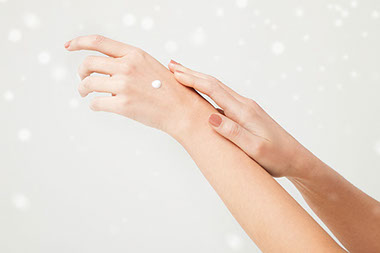
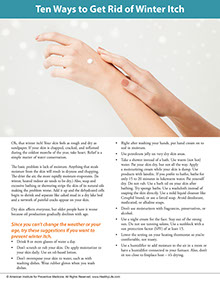
    Image of lotion on hand.

    Oh, that winter itch! Your skin feels as rough and dry as sandpaper. If your skin is chapped, cracked, and inflamed during the coldest months of the year, take heart. Relief is a simple matter of water conservation.

    The basic problem is lack of moisture. Anything that steals moisture from the skin will result in dryness and chapping. The drier the air, the more rapidly moisture evaporates. (In winter, heated indoor air tends to be dry.) Also, soap and excessive bathing or showering strips the skin of its natural oils making the problem worse. Add it up and the dehydrated cells begin to shrink and separate like caked mud in a dry lake bed and a network of painful cracks appear on your skin.

    Dry skin affects everyone, but older people have it worse because oil production gradually declines with age.

    Since you can’t change the weather or your age, try these suggestions if you want to prevent winter itch.

    *  Drink 8 or more glasses of water a day.

    *  Don’t scratch or rub your skin. Do apply moisturizer to your skin daily. Use an oil-based lotion.

    *  Don’t overexpose your skin to water, such as with washing dishes. Wear rubber gloves when you wash dishes.

    *  Right after washing your hands, put hand cream on to seal in moisture.

    *  Use petroleum jelly on very dry skin areas.

    *  Take a shower instead of a bath. Use warm (not hot) water. Pat your skin dry, but not all the way. Apply a moisturizing cream while your skin is damp. Use products with lanolin. If you prefer to bathe, bathe for only 15 to 20 minutes in lukewarm water. Pat yourself dry. Do not rub. Use a bath oil on your skin after bathing. Try sponge baths. Use a washcloth instead of soaping the skin directly. Use a mild liquid cleanser like Cetaphil brand, or use a fatted soap. Avoid deodorant, medicated, or alkaline soaps.

    *  Don’t use moisturizers with fragrances, preservatives, or alcohol.

    *  Use a night cream for the face. Stay out of the strong sun. Do not use tanning salons. Use a sunblock with a sun protection factor (SPF) of at least 15.

    *  Lower the setting on your heating thermostat so you’re comfortable, not toasty.

    *  Use a humidifier to add moisture to the air in a room or have a humidifier connected to your furnace. Also, don’t sit too close to fireplace heat – it’s drying.

    A Year of Health Hints book by the American Institute for Preventive Medicine. www.HealthyLife.com. All rights reserved.

    © American Institute for Preventive Medicine
  • Being Ready For Medical Emergencies

    First Aid

    *  Learn basic first-aid skills. Take courses in CPR and first aid. These give hands-on practice in giving first aid and CPR the right way. Find out about them from your local Red Cross, police and/or fire department, etc.

    *  Find out what services your health plan covers and what steps you have to take to get emergency costs paid for.

    *  Carry the following information with you at all times:

    – Your name, address, phone number, and the person to contact if you need emergency care.

    – Your health insurance information.

    – Important medical information. This could be on a medical alert tag, on a wallet card, or on the back of your driver’s license. Have a list of medications, their dosages, and things you are allergic to.

    – Emergency telephone numbers. (Post these near phones, too.)

    First-Aid Kit

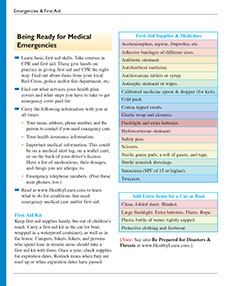
    Keep first-aid supplies handy, but out of children’s reach. Carry a first-aid kit in the car (or boat, wrapped in a waterproof container), as well as in the house. Campers, bikers, hikers, and persons who spend time in remote areas should take a first-aid kit with them. Once a year, check supplies for expiration dates. Restock items when they are used up or when expiration dates have passed.

    First-Aid Supplies & Medicines

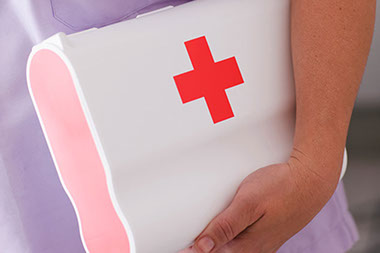
    Image of person holding first aid kit.

    *  Acetaminophen, aspirin, ibuprofen, etc.

    *  Adhesive bandages of different sizes.

    *  Antibiotic ointment.

    *  Antidiarrheal medicine.

    *  Antihistamine tablets or syrup.

    *  Antiseptic ointment or wipes.

    *  Calibrated medicine spoon & dropper (for kids).

    *  Cold pack.

    *  Cotton-tipped swabs.

    *  Elastic wrap and closures.

    *  Flashlight and extra batteries.

    *  Hydrocortisone ointment.

    *  Safety pins.

    *  Scissors.

    *  Sterile gauze pads, a roll of gauze, and tape.

    *  Sterile nonstick dressings.

    *  Sunscreen (SPF of 15 or higher).

    *  Tweezers.

    Add Extra Items for a Car or Boat

    *  Clean, folded sheet. Blanket.

    *  Large flashlight. Extra batteries. Flares. Rope.

    *  Plastic bottle of water, tightly capped.

    *  Protective clothing and footwear.

    Healthier at Home book by the American Institute for Preventive Medicine. www.HealthyLife.com. All rights reserved.

    © American Institute for Preventive Medicine
  • Colon & Rectal Cancers

    Abdominal & Urinary Conditions

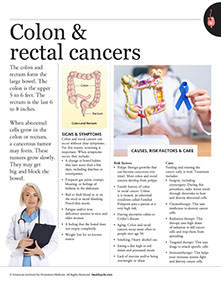
    The colon and rectum form the large bowel. The colon is the upper 5 to 6 feet. The rectum is the last 6 to 8 inches. When abnormal cells grow in the colon, a cancerous tumor may form. Colon tumors grow slowly. They may get big and block the bowel.

    Illustration of colon and rectum.

    Signs & Symptoms

    Colon and rectal cancers can occur without clear symptoms. For this reason, screening is important. When symptoms occur, they include:

    *  A change in bowel habits for 2 or more weeks or constipation or diarrhea for 1 or more weeks.

    *  Frequent gas pains, cramps, bloating, or feelings of fullness in the abdomen

    *  Red or dark blood in or on the stool or rectal bleeding. Pencil thin stools.

    *  Fatigue and/or iron deficiency anemia in men and older women

    *  A feeling that the bowel does not empty completely

    *  Weight loss for no known reason

    Causes, Risk Factors & Care

    Risk factors for colon and rectal cancers:

    *  Polyps (benign growths that can become cancerous over time). Most colon and rectal cancers develop from polyps.

    *  Family history of colon or rectal cancer. Unless it is treated, an inherited condition called Familial Polyposis puts a person at a very high risk.

    *  Having ulcerative colitis or Crohn’s disease.

    *  Aging. Colon and rectal cancers occur most often in people over age 50.

    *  Smoking. Heavy alcohol use.

    *  Eating a diet high in animal fat and low in fiber

    *  Lack of exercise and/or being very overweight

    Finding and treating the cancer early is vital. Treatment includes surgery, chemotherapy, and radiation therapy.

    Self-Care / Prevention

    Self-Care:

    *  Schedule and go to follow-up exams.

    *  Join a cancer support group.

    *  Follow a high fiber, low-fat diet. Eat whole-grain breads and cereals. Have at least 5 servings of vegetables and fruits a day.

    Prevention

    Colon and rectal cancers are completely curable if found early. Have screening tests as advised by your doctor.

    *  High-sensitivity fecal occult blood test

    *  Flexible sigmoidoscopy

    *  Colonoscopy

    How often testing needs to be done depends on the test(s) given. {Note: If you have a family history of colon polyps or colon or rectal cancers, screening tests may need to be started sooner than age 50.}

    *  Have colon polyps removed.

    *  Eat plenty of fruits, vegetables, and whole grains. Limit fat.

    When to Seek Medical Care

    Contact Doctor When:

    *  You have any symptoms of colon and rectal cancer listed on this page.

    *  You need to schedule screening tests for colon and rectal cancer. Follow the schedule your doctor advises.

    Resources

    The National Cancer Institute

    800.4.CANCER (422-6237)

    www.cancer.gov

    The American Cancer Society

    800.227.2345

    www.cancer.org

    Healthier at Home book by the American Institute for Preventive Medicine. www.HealthyLife.com. All rights reserved.

    © American Institute for Preventive Medicine
  • Earaches

    Ear, Nose & Throat Conditions

    Signs & Symptoms

    *  Mild to severe ear pain.

    *  Feeling of fullness or discomfort in the ears.

    *  Tugging at the ear and restlessness in young children.

    *  Ear pain.

    *  Some hearing loss.

    *  Blood or other discharge from the ear (especially after sticking an object in the ear or exposure to extremely loud noise).

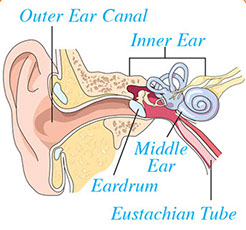
    Illustration of ear.

    Causes

    The most common cause of earaches is plugged Eustachian tubes. These go from the back of the throat to the middle ear. Fluid or pressure in a plugged Eustachian tube causes pain. This is caused by an infection of the middle ear, a cold or sinus infection, or allergies. Other things that can cause ear pain include changes in air pressure in a plane, something stuck in the ear, too much earwax, tooth problems, and ear injuries.

    Treatment

    Treatment includes pain relievers and methods to dry up or clear the blocked ear canal. Self-care can be used to treat many earaches. Severe and/or constant ear pain needs a medical diagnosis. Often, antibiotics are not needed for middle ear infections in children. About 8 in 10 children with ear infections get better without antibiotics. Let your child’s doctor decide if and when an antibiotic should be prescribed.

    Questions to Ask

    Self-Care / Prevention

    To Help Prevent Ear Pain

    *  Don’t put cotton-tipped swabs, bobby pins, etc., in your ears. This could damage the eardrum.

    *  Don’t blow your nose with too much force.

    *  If you can, avoid places that have very loud noises (construction sites, etc.). Wear earplugs when exposed to loud noises.

    *  Keep the volume on low when using stereos, compact discs (CDs), etc. If someone else can hear the music when you are listening to one of these devices with earphones, the volume is too loud.

    To Avoid Getting “Swimmer’s Ear”

    *  Wear wax or silicone earplugs.

    *  Wear a bathing cap.

    *  Don’t swim in dirty water. Swim on the surface not underneath the water.

    *  Use an over-the-counter product, such as Swim-Ear, as directed.

    To Reduce Ear Pain

    *  Place a warm washcloth next to the ear. Some health professionals recommend putting an ice bag or ice in a wet washcloth over the painful ear for 20 minutes.

    *  Take an over-the-counter medicine for pain as directed on the label.

    To Open Up the Eustachian Tubes and Help Them Drain

    *  Sit up. Prop your head up when you sleep.

    *  Yawn. This helps move the muscles that open the Eustachian tubes.

    *  Chew gum or suck on hard candy. (Do not give to children under age 5.) This tip is especially helpful during pressure changes that take place during air travel, but can also help if you wake up with ear pain.

    *  When traveling by air, stay awake when the plane takes off and lands. Wear ear plugs.

    *  Take a steamy shower.

    *  Use a cool-mist vaporizer, especially at night.

    *  Drink plenty of cool water.

    *  Gently, but firmly, blow through your nose while holding both nostrils closed until you hear a pop. This can be done several times a day.

    *  If okay with your doctor, take a decongestant to help relieve the swelling that causes the pain. (Don’t use a nasal spray decongestant for more than 3 days unless directed by your doctor.)

    *  When you give a baby a bottle, hold the baby in an upright position.

    To Treat a Mild Case of “Swimmer’s Ear”

    The goal is to clean and dry the outer ear canal without doing further damage to the top layer of skin.

    *  Shake the head to expel trapped water.

    *  Dry the ear canal. Get a clean facial tissue. Twist each corner into a tip and gently place each tip into the ear canal for 10 seconds. Repeat with the other ear using a new tissue.

    *  Use an over-the-counter product, such as Swim-Ear. Drop it into the ears to fight infection. Follow package directions.

    *  Do not remove earwax. This protects the ear canal.

    For an Insect in the Ear

    Shine a flashlight into the ear. Doing this may cause the insect to come out.

    Resources

    National Institute on Deafness and Other Communication Disorders (NIDCD)

    800.241.1044

    www.nidcd.nih.gov

    Healthier at Home book by the American Institute for Preventive Medicine. www.HealthyLife.com. All rights reserved.

    © American Institute for Preventive Medicine
  • Head/Neck/Spine Injuries

    First Aid

    Signs & Symptoms

    For a Severe Injury

    *  The scalp, neck, or back bleeds.

    *  It looks like the head, neck, or back is in an odd position.

    *  Pain is felt in the back, neck, and/or head. The pain can be severe.

    *  Stiff neck.

    *  Abdominal pain. Vomiting.

    *  Blood or fluid comes from the mouth, nose, or an ear.

    *  Loss of vision. Blurred or double vision. Pupils of uneven size.

    *  Inability to move any part of the body. Weakness in an arm or leg. Walking is difficult.

    *  New feelings of numbness occur in the legs, arms, shoulders, or any other part of the body.

    *  New loss of bladder or bowel control occurs.

    *  Confusion. Drowsiness. Personality changes.

    *  Convulsions.

    *  Loss of consciousness.

    Watch for signs and symptoms for the first 24 hours after the injury. Symptoms may not occur for as long as several weeks, though. Problems can occur even if no injury is seen on the outside.

    For a Whiplash Injury

    *  Neck pain and stiffness.

    *  Having a hard time raising the head off of a pillow.

    Causes

    Anything that puts too much pressure or force on the head, neck, or back can result in injury. Common causes are falls, accidents, and hard blows. A concussion occurs when the brain is shaken. A contusion occurs when the brain is bruised.

    Treatment

    If you suspect a head, neck, or back injury, you must keep the head, neck, and back perfectly still until EMS arrives. Any movement of the head, neck, or back could result in paralysis or death.

    Questions to Ask

    Self-Care / Prevention

    First Aid for a Severe Injury

    *  Do not move the person unless his or her life is in danger. If so, log roll the person, place tape across the forehead, and secure the person to a board to keep the head, neck, and back areas from moving at all.

    *  Call 9-1-1!

    *  CHECK for a response. If giving rescue breaths, do not tilt the head backward. Pull the lower jaw open instead.

    To Immobilize the Head, Neck, and/or Back

    *  Tell the person to lie still and not move his or her head, neck, back, etc.

    *  Log roll as listed above or place rolled towels, etc. on both sides of the neck and/or body. Tie in place, but don’t interfere with the person’s breathing. If necessary, use both of your hands, one on each side of the person’s head to keep the head from moving.

    *  Monitor for Bleeding and Shock. Keep the person warm with blankets, coats, etc.

    Move Someone You Suspect Has Injured His or Her Neck in a Diving or Other Water Accident

    Before emergency care arrives:

    *  Protect the neck and/or spine from bending or twisting. Place your hands on both sides of the neck. Keep it in place until help arrives.

    *  If the person is still in the water, help the person float until a rigid board can be slipped under the head and body, at least as far down as the buttocks.

    *  If no board is available, get several people to take the person out of the water. Support the head and body as one unit. Make sure the head does not rotate or bend in any way.

    First Aid For Traffic Accidents

    *  If the person was in a motorcycle accident, do not remove the helmet. Call 9-1-1 to do this.

    *  Don’t move the person. He or she may have a spinal injury. Call 9-1-1 to do this.

    First Aid for Minor Head Injuries

    *  Put an ice pack or bag of frozen vegetables in a cloth. Apply this to the injured area. Doing this helps reduce swelling and bruising. Change it every 15 to 20 minutes for 1 to 2 hours. Do not put ice directly on the skin. Cover an open, small cut with gauze and first- aid tape or an adhesive bandage.

    *  Once you know there is no serious head injury, do normal activities again. Avoid strenuous ones.

    *  Take an over-the-counter medicine for pain as directed.

    *  Don’t drink alcohol or take any other sedatives or sleeping pills.

    *  During the next 24 hours, monitor the person. While asleep, wake the person every 2 hours to check alertness. Ask something the person should know, such as a pet’s name, an address, etc. If the person can’t be roused or respond normally, get immediate medical care.

    First Aid for Bleeding from the Scalp

    *  To control bleeding, put pressure around the edges of the wound. Make a ring pad (shaped like a doughnut) out of long strips of cloth to apply pressure around the edges of the wound. If this doesn’t control bleeding, put direct pressure on the wound. Don’t poke your hand into the person’s brain, though.

    *  Don’t wash the wound or apply an antiseptic or any other fluid to it.

    *  If blood or pink-colored fluid is coming from the ear, nose, or mouth, let it drain. Do not try to stop its flow.

    If You Suspect a Whiplash Injury

    *  See your doctor, as soon as you can, to find out the extent of injury. If your arm or hand is numb, tell your doctor.

    *  For the first 24 hours, apply ice packs to the injured area for up to 20 minutes every hour.

    *  After 24 hours, use ice packs or heat, whichever works best, to relieve the pain. There are many ways to apply heat. Take a hot shower for 20 minutes a few times a day. Use a hot-water bottle, heating pad (set on low), or heat lamp directed to the neck for 10 minutes, several times a day. (Use caution not to burn the skin.)

    *  Wrap a folded towel around the neck to help hold the head in one position during the night.

    Concussion

    This is a mild traumatic brain injury (TBI) from a blow or jolt to the head. Signs and symptoms are:

    *  Altered level of alertness. May have brief fainting spell. Feeling confused, dazed, and/or dizzy.

    *  Can’t remember events right before or right after the injury.

    *  Nausea and vomiting.

    *  Headache.

    A concussion needs a medical assessment.

    Healthier at Home book by the American Institute for Preventive Medicine. www.HealthyLife.com. All rights reserved.

    © American Institute for Preventive Medicine

  • Insect Stings

    Skin Conditions

    Signs & Symptoms

    *  Quick, sharp pain.

    *  Swelling.

    *  Itching.

    *  Redness at the sting site.

    *  Hives.

    Insect stings can even result in a severe allergic reaction.

    Causes

    Insect stings come from bumblebees, honeybees, hornets, wasps, yellow jackets, and fire ants.

    Treatment

    Self-care treats mild reactions to insect stings. A severe allergic reaction needs immediate care. Symptoms of a severe allergic reaction usually happen soon after or within an hour of the sting.

    If you have had a severe allergic reaction to an insect sting, you should carry an emergency insect sting kit, prescribed by your doctor. You should also wear a medical alert tag that lets others know that you are allergic to insect stings. Persons who have had severe reactions to bee or wasp stings should ask their doctor about allergy shots.

    Questions to Ask

    Self-Care / Prevention

    To Avoid Insect Stings

    *  Keep food and drink containers tightly covered. (Bees love sweet things, like soft drinks.)

    *  Don’t wear perfume, colognes, or hair spray when you are outdoors.

    *  Don’t wear bright colors, like white or yellow. Choose neutral colors, like tan or khaki. Wear snug clothing that covers your arms and legs.

    *  Don’t go barefoot. If camping, look for insects in your shoes before you put them on.

    *  Wear an insect repellent, especially if you are sensitive to insect stings.

    *  Be careful when you work outdoors, pull weeds, mow tall grass, and work around shutters. Bees often build hives behind shutters.

    *  If an insect that stings gets in your car, stop the car. Put the windows down. Once the insect leaves, resume driving.

    *  Check for and repair openings in your window screens.

    To Treat an Insect Sting Without a Severe Allergic Reaction

    *  For a bee sting, gently scrape out the stinger as soon as possible. Use a blunt knife, credit card, or a fingernail. Yellow jackets, wasps, and hornets don’t lose their stingers.

    *  Don’t pull the stinger out with your fingers or tweezers. Don’t squeeze the stinger. It contains venom. You could re-sting yourself.

    *  Clean the sting area with soapy water.

    *  Remove jewelry from bitten fingers, wrists, etc. It may be difficult to remove jewelry once swelling occurs.

    *  Put a cold compress (ice in a cloth, etc.) on the sting. Don’t put ice directly on the skin. Hold the cold compress on the site for 10 to 15 minutes.

    *  Keep the sting area lower than heart level.

    *  Take an over-the-counter medicine for pain as directed on the label.

    *  For itching and swelling, apply a topical 1% hydrocortisone cream and/or take an over- the-counter antihistamine, such as Benadryl, if okay with your doctor. Follow directions on the labels.

    Signs of Severe Allergic Reaction

    *  Fainting or decreasing level of consciousness.

    *  Shortness of breath or difficulty breathing or swallowing.

    *  Severe swelling all over or of the face, lips, tongue, and/or throat.

    *  Pale or bluish lips, skin, and/or fingernails.

    *  Wheezing.

    *  Dizziness, weakness, and/or numbness.

    *  Cool, moist skin or sudden onset of pale skin and sweating.

    Healthier at Home book by the American Institute for Preventive Medicine. www.HealthyLife.com. All rights reserved.

    © American Institute for Preventive Medicine
  • Objects In The Ear Or Nose

    First Aid

    A foreign object stuck in an ear or the nose needs to be removed. If not, an infection could result. Damage to structures in the nose or ear could also occur.

    Signs & Symptoms

    A child may be able to tell if an object was put in a nostril or an ear and didn’t come out. If not, signs and symptoms can help identify this problem.

    For an Object Stuck in an Ear

    *  Feeling of fullness in the ear.

    *  Ear pain or discomfort.

    *  Hearing loss and/or feeling dizzy.

    *  Foul odor from the ear and/or drainage from the ear.

    *  Bleeding from an ear.

    For an Object Stuck in the Nose

    *  Constant nasal discharge from one nostril.

    *  Foul odor. Pus or blood drains from a nostril.

    *  Pain, swelling, and/or tenderness.

    Causes

    *  An object or substance is placed in the ear or nose on purpose and won’t come out.

    *  Objects get stuck in the nose or ear by injury or by accident.

    *  An insect flies or crawls into an ear.

    Treatment

    Medical care is needed for foreign objects that can’t be removed with self-care. After an object is removed, an antibiotic may be needed if an infection is present. Small, button-sized batteries need to be removed to prevent burns.

    Questions to Ask

    Self-Care / Prevention

    To Remove an Insect from an Ear

    *  Kill the insect before you try to remove it. To do this, tilt the person’s head to put the ear with the insect in an upward position. Pour warm (not hot) mineral, olive, or baby oil into the ear. As you pour the oil, straighten the ear canal. In a child, pull the earlobe gently backward and downward; backward and upward in an adult.

    *  The goal is to suffocate the insect and cause it to float out.

    To Remove Objects Other Than Insects

    *  Don’t use oil.

    *  Tilt the head toward the side with the foreign object. Gently shake the head toward the floor to try to get the object out. Do not shake a baby. Gently pull the ear up and back.

    *  Don’t use a sharp tool, cotton swab, etc., to try to locate and remove the object. This risks pushing the object farther into the ear. Doing this could damage the middle ear.

    *  Remove the object with blunt tweezers if it is easily seen and can be grasped and pulled out.

    To Remove Objects in the Nose

    *  Don’t use a sharp tool, cotton swab, etc., to try to locate and remove the object.

    *  Breathe through the mouth until the object is removed.

    *  Apply gentle pressure to close the other nostril and gently try to blow the object out.

    *  Remove the object with blunt tweezers, if it is easily seen and can be grasped and pulled out.

    Healthier at Home book by the American Institute for Preventive Medicine. www.HealthyLife.com. All rights reserved.

    © American Institute for Preventive Medicine