Tag: Health Conditions

  • Self-Care For Your Brain

    SELF-CARE CORNER

    Photo illustration of brain with hands reaching out to touch it.

    Your brain needs care just like any other part of the body. As you age, your brain naturally shrinks, and certain hormones and neurotransmitters decline. It’s not uncommon for people to notice changes in their memory, thinking, and other cognitive abilities.

    Healthy lifestyle choices can reduce cognitive decline. When you care for your brain, you protect your ability to focus, remember, and learn new things.

    Your brain needs

    A healthy brain relies on a healthy lifestyle:

    *  Quality nutrients that support brain cells

    *  Omega 3 fats from fatty fish, nuts, seeds, and plant oils such as flaxseed

    *  Vitamins D, E, K, and B vitamins from a variety of fruits, vegetables, and sunshine (Vitamin D)

    *  Minerals such as iron, copper, and magnesium from leafy greens and other plant foods

    *  7-9 hours of good quality sleep each night

    *  Regular exercise and movement to promote blood flow and protect blood pressure

    *  Time to relax and de-stress

    *  Regular mental stimulation and challenge

    Brain drainers

    Some unhealthy choices or physical conditions can worsen mental decline over time. Anything that negatively impacts the health of the body affects the health of the brain, such as:

    *  Smoking and other tobacco and nicotine products, such as chewing tobacco

    *  Excessive alcohol intake

    *  High blood pressure

    *  Being overweight or obese

    *  Lack of physical activity

    *  Poor diet, especially processed foods and lots of red meat

    *  Social isolation and loneliness

    Brain self-care

    Eating a healthy diet that focuses on plants, getting enough physical activity, and sleeping well is good for every part of your body. But, your brain also benefits from self-care to meet its unique needs. Here are some ideas:

    *  Meditate to promote calming brain waves

    *  Learn an instrument to introduce a new skill

    *  Read daily to expand your knowledge

    *  Do a crossword or other type of puzzle to challenge your brain

    *  Pick up a new hobby

    *  Explore a new place

    *  Volunteer for a cause you believe in

    *  Be social and meet new people

    © American Institute for Preventive Medicine

  • Do A Skin Self-Exam

    SELF-CARE CORNER

    Man looking at himself in mirror.

    The skin is the largest organ of the body. Yet, it is easy to overlook what is literally right in front of you when you look in the mirror every day.

    Regularly examining your skin, including the hard-to-reach places, gives you early notice that you should visit a dermatologist. Catching concerns early makes diagnosis and treatment easier and more effective.

    Common conditions

    Few people have flawless skin. It’s normal to experience skin issues, and the risk of skin disease increases with age. Common dermatological concerns you may experience include:

    *  Acne

    *  Psoriasis

    *  Eczema

    *  Rosacea

    *  Skin cancer

    *  Nail fungus

    *  Hair loss

    *  Wrinkles and other cosmetic skin concerns

    Skin Self-exam

    Many skin conditions are highly treatable when caught early. A regular skin self-exam lets you examine your whole body and monitor any moles, blemishes, or areas of concern.

    1.  Do a skin exam about once a month after exiting the shower or bath.

    2.  Stand in front of a full-length mirror. Check your front, back, and each side with your arms raised.

    3.  Bend your elbows and examine your forearms, underarms, and palms.

    4.  Using a hand mirror, check the back of your neck and scalp. Part your hair to look closer at your scalp.

    5.  Check your back and buttocks using a hand mirror.

    6.  Sit down and thoroughly examine your legs, the soles of your feet, and between your toes.

    When to seek care

    A dermatologist is a medical professional specially trained in diagnosing and treating hair, skin, and nail conditions. Regular visits to a dermatologist should be part of routine adult healthcare. But, in between visits, be on the lookout for these signs:

    *  A mole or patch of skin that changes color, size, or shape

    *  Severe or persistent acne

    *  Rash, itching, or hives that do not clear on their own

    *  A skin condition that does not heal

    *  Long-lasting skin irritation

    *   Persistent dry skin patches

    *  Nails that appear yellow or brittle

    *  Increasing hair loss

    © American Institute for Preventive Medicine

  • Gut Check: Tips For Healthy Digestion

    SELF-CARE CORNER

    Person holding a paper with a stomach illustration, one half happy stomach the other half a sick stomach.

    Your digestive system plays a big part in your overall health. It breaks down food and drinks into nutrients. These nutrients are used for energy, growth, cell repair and more.

    But, we all know how digestive problems can be uncomfortable or downright dangerous. Problems like constipation, diarrhea, nausea, heartburn and bloating can quickly sideline your day. Stomach ulcers, gastroesophageal reflux disease (GERD) and bowel problems like Crohn’s Disease can lead to more serious health issues too.

    Help keep your digestion running as smoothly as possible.

    Fiber is first

    One of the best things people can do for better digestion is to eat more fiber. Getting enough fiber is needed to keep bowel movements regular.

    A low-fiber diet can lead to constipation, which can make you feel sluggish and bloated. It can also stretch out the colon over time and lead to serious bowel problems, especially in older adults.

    Get more fiber by eating foods like fruits, vegetables, beans and legumes and whole grains. Aim for 20-30 total grams of fiber each day. But, increase the amount slowly or you could have bloating and gas.

    Drink plenty of water. Taking fiber without enough water can make constipation worse. And, dehydration in general isn’t good for digestion.

    Talk to your doctor about a fiber supplement if you’re not having regular, soft bowel movements.

    Eat less processed foods

    Processed foods often contain very little fiber. Try to shop the four walls of your grocery store. This means avoid the middle grocery store aisles with packaged foods. Instead, buy fresh produce, lean meats, whole grains and dairy products.

    Some food additives may be linked to digestive problems. Research has shown that some food additives may cause inflammation in the gut or may affect its healthy bacteria. Studies are ongoing to find out more about this.

    Probiotics – do they work?

    Probiotics, or friendly gut bacteria, may be helpful in some cases. But experts say we need to learn more about these supplements. There are many different kinds of probiotics and we don’t yet know which ones are the most helpful. Some foods like yogurt with live active cultures, kefir and fermented foods like miso also contain probiotics.

    Ask your doctor before taking probiotic supplements.

    Source: National Institutes of Health

    © American Institute for Preventive Medicine

  • Sepsis: Spot It, Save A Life

    MEDICAL NEWS

    Women leaning on wall with chest pain and man helping her.

    Sepsis can happen when a person has an infection like pneumonia, an infected cut in the skin or a urinary tract infection. Then, the body’s immune system releases a strong response that can get out of control. This immune response is so powerful that it can damage the body’s organs and cause blood clots.

    Sepsis can cause blood pressure to get extremely low and heart rate to get faster. This can trigger septic shock. With septic shock, the body becomes starved for blood and oxygen. It is a life-threatening emergency.

    Most who get an infection will not get sepsis. But experts don’t know why some people get it and others don’t. It seems to affect older adults, babies and young children the most. People who have a weakened immune system or a long-term illness like diabetes, liver disease or cancer are also more likely to get it.

    Spot sepsis signs

    Sepsis can be hard to spot. At first, symptoms may look like a mild illness. Sometimes a person has an infection and doesn’t know it. Signs include:

    *  Fever or a low body temperature

    *  Chills

    *  Fast heartbeat

    *  Trouble breathing or  fast breathing

    *  Blotchy skin or rash

    *  Being confused

    *  Feeling faint or lightheaded

    Even if you don’t have an infection, or don’t think you have one, ask yourself:

    *  Was I recently around someone who was ill?

    *  Did I recently have surgery or a medical procedure?

    *  Do I have any cuts or breaks in the skin?

    Getting treatment

    If you think a person might have sepsis, it’s important to get them medical care right away. Doctors will look at symptoms and may order blood tests. Sometimes other tests, like an x-ray or CT scan, may be needed.

    Sepsis is serious, so doctors often treat it in the Intensive Care Unit (ICU) of a hospital. Treatment usually includes antibiotics and getting fluids.

    Fortunately, most people who recover from sepsis often contine to have a normal, healthy life.

    Sources: Centers for Disease Control and Prevention, National Institutes of Health, Sepsis Alliance

    © American Institute for Preventive Medicine

  • Get Your Recommended Daily Calcium

    Nutrition

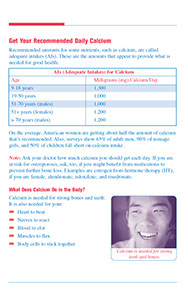
    Recommended amounts for some nutrients, such as calcium, are called adequate intakes (AIs). These are the amounts that appear to provide what is needed for good health.

    Note: Ask your doctor how much calcium you should get each day. If you are at risk for osteoporosis, ask, too, if you might benefit from medications to prevent further bone loss. Examples are estrogen from hormone therapy (HT), if you are female; alendronate; raloxifene; and risedronate.

    What Does Calcium Do in the Body?

    Calcium is needed for strong bones and teeth. It is also needed for your:

    *  Heart to beat

    *  Nerves to react

    *  Blood to clot

    *  Muscles to flex

    *  Body cells to stick together

    Milk, yogurt, cheese, soy milk, tofu, collard greens, and broccoli are good sources of calcium. (See “Calcium Content in Foods” chart.) If you don’t drink milk because you can’t digest the sugar in milk (lactose intolerance), do the following:

    *  Have milk products that already have lactase added to them.

    *  Drink milk fermented by certain bacteria (acidophilus milk), if tolerated.

    *  Take commercial preparations of lactase (which can be added as drops or taken as pills) when you have lactose-containing foods.

    *  Have soy milk and other food products with added calcium.

    Some persons who can’t digest milk sugar (lactose) can tolerate aged cheeses, yogurt with active cultures, and possibly small amounts of dairy foods if eaten with meals and snacks.

    If you can’t tolerate milk products at all, eat nondairy food sources of calcium (soymilk, beans, tofu, broccoli, kale, collard greens, spinach, fish with small bones). Have food items that are fortified with calcium, such as some orange and apple juices and calcium fortified cereal products. (See “Calcium Content in Foods” chart and check food labels.)

    Labels do not list calcium in milligrams (mg), but as a percentage of the daily value (DV). The DV for calcium is based on 1,000 mg of calcium per day. It’s easy to figure out calcium in mg. Just add zero to the % DV. Examples are given in the chart below.

    Calcium Content in Foods

    Calcium Supplements

    (Check with your doctor or dietitian about taking calcium supplements.)

    Calcium supplements should not be used in persons with a history of calcium-containing kidney stones. Supplemental calcium may also worsen chronic constipation and interfere with iron absorption.

    If you do take calcium supplements:

    *  Drink at least 6 to 8 glasses of water per day.

    *  Avoid taking more than 500 to 600 mg at one time. Take calcium with meals.

    *  Avoid bone meal or dolomite. These could contain lead or other toxic metals.

    *  Avoid taking calcium supplements with iron supplements and laxatives. These can reduce calcium absorption.

    There are many forms of calcium supplements. Look for the amount in milligrams of elemental calcium that a source provides. Choose calcium supplements that have calcium carbonate, calcium citrate, and/or calcium gluconate.

    {Note: Beware of marketing claims for “coral calcium” products which promote them to prevent or treat cancer, heart disease, lupus, and multiple sclerosis. The Federal Trade Commission (FTC) has charged some marketers of this with making false and unsubstantiated claims about the product’s health benefits.}

    Should I Take a Vitamin D Supplement If I Take a Calcium Supplement?

    Vitamin D helps the body absorb and use calcium. You can get vitamin D, daily, from vitamin D fortified dairy products. Other food sources are salt-water fish, egg yolks, and liver. You can also get vitamin D from direct exposure to sunlight on your skin. In general, about 15 minutes of direct sunlight per day gives you the amount of vitamin D needed for a day. Persons who are elderly or homebound often do not get adequate sun exposure to get enough vitamin D. Also, during winter, sunlight in the Northern U.S. is not intense enough to let the body build up enough vitamin D. Check with your doctor or health care provider about the need for a vitamin D supplement. Some calcium supplements also contain vitamin D.

    On the average, American women are getting about half the amount of calcium that’s recommended. Also, surveys show 65% of adult men, 90% of teenage girls, and 50% of children fall short on calcium intake.

    How Do I Get My Adequate Intake for Calcium?

    You can get your Adequate Intake (AI) for calcium by having good food sources of calcium and by taking calcium supplements, if necessary.

    Can I Get Too Much Calcium?

    Whether or not you tolerate milk products, if you use calcium supplements, do so wisely. You can easily consume too much calcium with the use of calcium-fortified foods, calcium supplements, and antacids. Long term excessive intakes of calcium might decrease the absorption of other minerals and promote kidney stone formation. Your goal should be to get adequate, rather than, excessive amounts of calcium. Aim to get your Adequate Intake (AI) amount or the amount recommended by your doctor.

    Page from HealthyLife Weigh book by the American Institute for Preventive Medicine. www.HealthyLife.com. All rights reserved.

    © American Institute for Preventive Medicine

  • How To Build Strong, Healthy Nails

    SELF-CARE CORNER

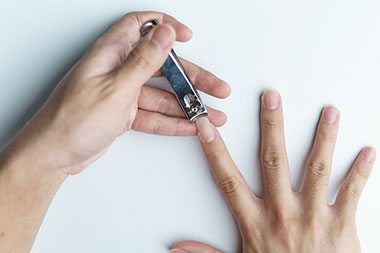
    Close up of hands clipping nails.

    Taking proper care of your nails is more than a matter of looks. Clear, strong nails are a marker of good physical health. They reflect everything from your level of stress to the quality of your diet.

    It may seem like a simple thing, but caring for your nails is an essential part of a comprehensive self-care routine. Healthy nails don’t happen by chance. Here is what you need to know to keep your nails in excellent condition.

    Keep nails trimmed and shaped

    Don’t wait for nails to break or become jagged before giving them a good trim. Fingernails, in particular, need frequent grooming to maintain a healthy shape.

    For best health, cut nails straight across. Then, use an emery board to give them a rounded shape at the tips. This will prevent breakage and minimize the risk of ingrown nails.

    The nails on your fingers grow three times faster than the nails on your toes. Plan to trim and shape them more often than your toenails.

    Care for your cuticles

    The cuticle seals the skin of your finger around the nail. Never trim or move the cuticles as this disrupts the seal and increases your risk of a nail infection. If you go for a manicure, let the technician know to leave the cuticles alone.

    Cuticles benefit from extra moisture, especially in the winter months. You can use a special cuticle moisturizer. Or, even simple hand lotion massaged into the nail area will improve cuticle health.

    Limit manicures and pedicures

    Harsh nail products and regular use of polish weaken your nails. Wearing artificial nails can make your nails thin and brittle, as well as increase the risk of infection.

    Enjoy manicures and pedicures on occasion, but make sure to give your nails a break in between. Letting your nails enjoy time without polish or products will keep them healthy and less prone to breakage.

    If you really love artificial nails, save them for special occasions and opt for a simple french manicure whenever possible.

    Don’t forget your toenails

    Because toenails do not grow as fast, they often don’t get as much care and attention. But don’t fall into the habit of ignoring them.

    Inspect toenails regularly and watch for sharp edges or ingrown nails. Also, keep a close eye out for changes in nail color which could signal a nail problem or even an infection.

    Wear comfortable shoes that don’t pinch the toes and use flip-flops at public showers or pools. These steps will keep the toenails clean and healthy.

    © American Institute for Preventive Medicine

  • Shopping Around For Contact Lenses

    FINANCIAL HEALTH

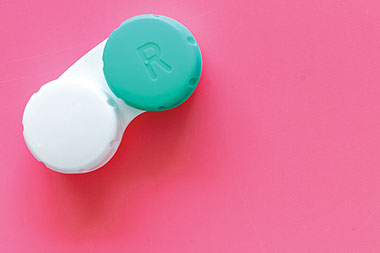
    Contact case holder.

    Many people wear contact lenses. But you don’t have to buy your contacts from your eye care provider. You can choose to get your contacts prescription from your provider and then shop around for lenses.

    Get an eye exam

    Before you go shopping for lenses, make sure your eyes are healthy. See your eye care provider regularly. Your provider might be an optometrist or ophthalmologist, depending on your needs.

    During your visit, your provider will check your eyes and determine your contact lens prescription.

    Getting your prescription

    Your eye care prescriber can give you your prescription after your exam. Your provider cannot charge you for your prescription. You may have to pay for the eye exam and contact lens fitting.

    What should my prescription include?

    Your contact lens prescription must include:

    *  Your name

    *  Date of your eye exam

    *  Date of prescription

    *  Doctor’s name, mailing address, phone number and fax number

    *  Power, material, and/or manufacturer of the prescribed lens

    *  Base curve of the lens

    *  Diameter of the lens, when needed

    Source: Federal Trade Commission

    © American Institute for Preventive Medicine

  • Insomnia 3

    SleepWell® Program

    Week 1

    Image of male in bed awake.

    Insomnia includes problems falling asleep, staying asleep, or waking up too early. It is normal to have a bad night of sleep every now and then. Occasional poor sleep becomes insomnia when this pattern continues for several weeks AND fatigue or feeling drowsy during the day occurs due to lack of sleep.

    There are many causes of insomnia. Too much caffeine, travel, taking care of an ill loved one, or stress can affect your sleep. Quite often, insomnia is a result of conditioning your body to be awake in bed, even if you feel tired or know you need sleep. Having trouble sleeping over several nights may lead to worrying about being able to fall asleep or expecting to lie awake for hours.

    Whether your sleep issues are transient (come and go) or chronic (occur all the time), this guide can help to improve your ability to fall asleep and stay asleep.

    Sleep Problems & Health Conditions

    If you have trouble sleeping or have daytime sleepiness for longer than three weeks, consult your doctor.

    Any condition, illness, injury, or surgery that interrupts sleep due to pain, discomfort, or waking to urinate can cause sleep problems. Health conditions that affect sleep include: arthritis, asthma, COPD, fibromyalgia, narcolepsy, and thyroid disorders. Sleep problems are also linked to many mental illnesses. These include anxiety, depression, bipolar disorder, PTSD, and substance abuse. Over-the-counter medicines, such as decongestants and diet pills can affect sleep, too.

    Sleep Apnea Signs:

    *  Loud snorting sounds while sleeping on the back

    *  Repeated periods when breathing stops for 10 or more seconds during sleep

    *  Waking up many times during the night and excessive daytime sleepiness

    *  Exhaustion and having a hard time concentrating during the day

    Periodic Limb Movements in Sleep (PLMS) and Restless Leg Syndrome Signs:

    *  Creeping, crawling, pulling and/or painful feelings in one or both legs

    *  Jerking or bending leg movements that you can’t control during sleep

    © American Institute for Preventive Medicine

  • How To Treat Cat & Dog Bites

    SELF-CARE CORNER

    Aggrestive dog barking while owner is holding it back.

    Family pets, stray dogs and cats or neighborhood animals can all bite. Do you know what to do if you or your child gets a bite?

    What to do now

    Right away, you should:

    *  Wash the skin wound with soap and water.

    *  If it’s bleeding, use a clean towel to gently press down on the area.

    *  Once bleeding has stopped, apply a sterile bandage.

    Should I call a doctor?

    Some bites may need medical care. Call your doctor if:

    *  You think it might be infected. Look for fever, redness, swelling, warmth and drainage.

    *  You can’t get the bleeding to stop after pressing on it for 15 minutes.

    *  You think the injury is serious or it looks deep.

    *  You think there might be a broken bone.

    *  You have diabetes or a weakened immune system.

    *  Your last tetanus shot was more than 5 years ago. Or, you don’t remember when you last had a tetanus shot.

    *  You were bit by a wild or stray animal.

    *  The bite was on the face.

    *  The bite happened to a child.

    *  You don’t know if the animal is up to date on all its vaccines (shots).

    Do I need a rabies shot?

    Most cats and dogs in the U.S. don’t have rabies. So most people who get bit by a cat or dog don’t need to get a rabies shot. Many wild animals can have rabies, though. Raccoons, skunks, squirrels, bats and coyotes may have it.

    If you know the owner of the cat or dog that bit you, ask for their health records. Sometimes the pet needs to be isolated so they can look for signs of rabies. If any signs show up, they will test the animal for rabies. If the animal tests positive, then you need a rabies shot.

    If you were bit by a stray animal, call animal control. They will try to find the animal so they can test it for rabies. You may need to report the bite to animal control or your local health department too. Ask your doctor if you’re not sure.

    Source: American Academy of Family Physicians

    © American Institute for Preventive Medicine

  • Tooth-Brushing Truth

    WELL-BEING

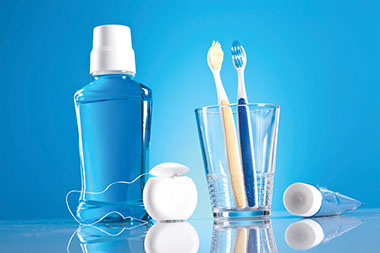
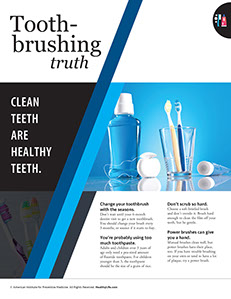
    Toothburshs, toothpaste, floss and mouthwash.

    Clean teeth are healthy teeth.

    Change your toothbrush with the seasons.

    Don’t wait until your 6-month dentist visit to get a new toothbrush. You should change your brush every 3 months, or sooner if it starts to fray.

    You’re probably using too much toothpaste.

    Adults and children over 3 years of age only need a pea-sized amount of fluoride toothpaste. For children younger than 3, the toothpaste should be the size of a grain of rice.

    Don’t scrub so hard.

    Choose a soft-bristled brush and don’t overdo it. Brush hard enough to clean the film off your teeth, but be gentle.

    Power brushes can give you a hand.

    Manual brushes clean well, but power brushes have their place, too. If you have trouble brushing on your own or tend to have a lot of plaque, try a power brush.

    © American Institute for Preventive Medicine