Tag: Health Conditions

  • Food Poisoning

    Abdominal & Urinary Conditions

    Self-care treats most cases. Botulism, chemical food poisoning, and severe bacterial food poisoning need immediate care.

    Botulism

    Cause

    Toxin from bacteria usually from eating improperly canned foods. Also found in honey and oils infused with garlic. Grows only in little or no oxygen.

    Signs & Symptoms

    Blurred vision. Double vision. A hard time speaking and swallowing. Breathing problems. Muscle weakness. Paralysis. Signs occur within 4 to 36 hours.

    Prevention

    Follow proper canning methods. Boil home-canned food for 10 or more minutes. Don’t eat foods from cans with leaks or bulges. Refrigerate oils infused with garlic or herbs. Don’t give honey to children less than 1 year old.

    E. coli

    Cause

    Bacteria from contaminated water, raw milk, raw or rare ground beef, unpasteurized apple juice or cider, or contact with contaminated animal feces.

    Signs & Symptoms

    Diarrhea or bloody discharge. Abdominal cramps. Nausea. Signs occur within 2 to 5 days and last about 8 days.

    Prevention

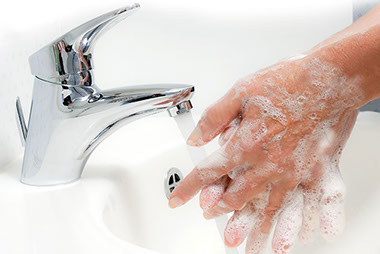
    Don’t drink unpasteurized milk and apple cider. Wash your hands after using the bathroom and cleaning up animal feces.

    Listeria

    Cause

    Bacteria from unpasteurized milk, uncooked meats, foods contaminated during processing (cold cuts, hot dogs, soft cheeses).

    Signs & Symptoms

    Fever. Chills. Headache. Backache. Abdominal pain. Diarrhea. Often, signs occur within 48 to 72 hours, but can take up to 3 weeks to occur.

    Prevention

    Don’t drink unpasteurized milk. Cook beef to an internal temperature of 160ºF.

    Salmonella

    Cause

    Bacteria from raw or undercooked eggs, poultry, and meat and from food that comes in contact with contaminated surfaces.

    Signs & Symptoms

    Stomach pain. Diarrhea. Nausea. Chills. Fever. Headache. Signs occur within 8 to 12 hours and last up to 1 or 2 days.

    Prevention

    Don’t have unpasteurized milk, raw and undercooked eggs. Cook eggs to 160ºF (the white and yolk are firm). Use clean utensils and surfaces.

    Staphylococcal enterotoxin

    Cause

    Toxin from bacteria usually from meats, dairy foods, eggs, etc. that are not kept cold (e.g., unrefrigerated, at picnics, etc.) Also spread by human contact.

    Signs & Symptoms

    Severe nausea. Abdominal cramps. Diarrhea. Vomiting. Signs occur within 1 to 6 hours and last up to 3 days. Signs last longer if severe dehydration occurs.

    Prevention

    Keep foods that can spoil cold (40ºF or below) or hot (140ºF or higher). Don’t eat foods kept for more than 2 hours between 40ºF and 140ºF. Don’t eat foods that look or smell spoiled. Wash your hands often. Use clean utensils and surfaces.

    Chemicals

    Cause

    From foods with pesticides and eating poisonous mushrooms or poisonous plant leaves or berries.

    Signs & Symptoms

    Sweating. Dizziness. Mental confusion. Very teary eyes. Watery mouth. Stomach pain. Vomiting. Diarrhea. Signs start to occur within 30 minutes.

    Prevention

    Wash raw fruits and vegetables before eating them. Don’t store food or liquids in containers with lead- based paints. Don’t store alcohol in lead crystal containers.

    Hepatitis A virus

    Cause

    From contaminated water, raw and undercooked shellfish, oysters, clams, mussels, scallops, etc.

    Signs & Symptoms

    Appetite loss. Nausea. Vomiting. Fever. Jaundice and dark urine after 3 to 10 days. Liver damage and death from severe infection.

    Prevention

    Hepatitis A vaccine. Don’t eat raw or undercooked shellfish, oysters, etc.

    Norwalk-like viruses

    Cause

    From food and touching objects contaminated with the virus. Direct contact with an infected person.

    Signs & Symptoms

    Nausea. Vomiting. Diarrhea. Stomach cramps. Signs occur within 12 to 48 hours and last up to 2 days.

    Prevention

    Wash your hands often, especially after using the bathroom, changing diapers, and before handling food. Disinfect contaminated surfaces.

    Mercury

    Cause

    From eating contaminated fish (e.g., shark, swordfish, tuna, king mackerel, tilefish).

    Signs & Symptoms

    Numbness and tingling in the lips, fingers, and toes. A hard time walking and speaking. Muscle weakness. Memory loss. Mental changes. Tremors.

    Prevention

    Check local health department for safety of fish. Limit fish high in mercury. Pregnant women need to follow the advice of their doctor.

    Questions to Ask

    Self-Care / Prevention

    *  For chemical food poisoning, call the Poison Control Center (800.222.1222).

    *  Heed warnings for food products that could be harmful. News reports list these items. So does the FDA atwww.fda.gov.

    Healthier at Home book by the American Institute for Preventive Medicine. www.HealthyLife.com. All rights reserved.

    © American Institute for Preventive Medicine

  • Heartburn & Indigestion

    Abdominal & Urinary Conditions

    Heartburn has nothing to do with the heart. It involves the esophagus and the stomach. The esophagus passes behind the breastbone alongside the heart. The irritation that takes place there feels like a burning feeling in the heart. Indigestion is a general term for discomfort in the abdomen that comes after eating.

    Signs & Symptoms

    *  A burning feeling behind the breastbone occurs after eating.

    *  Chest pain is felt when you bend over or lie down.

    *  Your mouth has a bitter, hot, or sour taste.

    Causes

    Gastric acids from the stomach splash back up into the lower portion of the esophagus. This causes pain. The medical term for this is gastroesophageal reflex disease (GERD). The digestive acids don’t harm the stomach. It has a coating to protect it. The esophagus doesn’t. Acids there cause pain.

    Common Heartburn Triggers

    *  Aspirin, ibuprofen, naproxen sodium, arthritis medicine, or corticosteroids.

    *  Heavy meals. Eating too fast. Chocolate. Garlic. Onions. Peppermint. Tomatoes and citrus fruits.

    *  Smoking or lying down after eating.

    *  Drinking alcohol or coffee (regular or decaffeinated).

    *  Being very overweight.

    *  Wearing tight clothing.

    *  Swallowing too much air.

    *  Stress.

    *  Hiatal hernia.

    *  Pregnancy.

    Treatment

    Self-care treats most cases of this common problem. Heartburn symptoms can be confused, though, with ones of a heart attack or other medical problems.

    Questions to Ask

    Self-Care / Prevention

    *  Sit straight while you eat. Stand up or walk around after you eat. Bending over or lying down after you eat makes it too easy for stomach acids to move up to the esophagus.

    *  Don’t smoke.

    *  Lose weight if you are overweight.

    *  If heartburn bothers you at night, raise the head of the bed. Put the head of your bed up on 6-inch blocks. You can also buy a special wedge that is made to be placed between the mattress and box spring. Don’t just prop your head up with pillows. This makes the problem worse by putting pressure on your stomach.

    *  Don’t wear garments that fit tight around the abdomen.

    *  Eat small meals. Limit alcohol.

    *  Limit foods and drinks with air. Examples are whipped cream and carbonated drinks.

    *  Don’t eat or drink for 2 to 3 hours before bedtime.

    *  If you take aspirin, ibuprofen, naproxen sodium, or arthritis medicines, take them with food.

    *  If other treatments fail, take antacids, such as Tums. If these don’t bring relief, take an over-the-counter acid controller, such as Pepcid AC, Tagamet HB, etc. These prevent and relieve heartburn. {Note: Read labels before taking antacids or acid controllers. Check with your doctor, too. Adverse side effects are more likely and more severe in older persons who take some acid controllers, such as Tagamet HB.}

    *  Don’t take baking soda. It is high in sodium and is not effective.

    Resources

    National Institute of Diabetes and Digestive and Kidney Diseases (NIDDK)

    www.niddk.nih.gov

    Healthier at Home book by the American Institute for Preventive Medicine. www.HealthyLife.com. All rights reserved.

    © American Institute for Preventive Medicine

  • Know Your Health Numbers

    General Health Conditions

    Stethoscope shaped into a heart.

    Track and control your blood pressure and blood levels for cholesterol, triglycerides, and glucose. Discuss with your doctor what your target numbers should be based on your personal health and risk factors.

    Health at Home Lifetime book by the American Institute for Preventive Medicine. www.HealthyLife.com. All rights reserved.

    © American Institute for Preventive Medicine

  • Poisoning

    First Aid

    Concept image of smoke forming a skull.

    Poisons are harmful substances that are swallowed, inhaled, or that come in contact with the skin. Each year about 10 million poisonings occur; 80% of them are in children under five years old.

    Signs & Symptoms

    Signs and symptoms depend on the substance. They include a skin rash, upset stomach, and more severe problems. Some poisons can cause death.

    Causes

    Things Not Meant to Be Swallowed or Inhaled

    *  Household cleaners, such as bleach, drain cleaners, ammonia, and lye.

    *  Insecticides. Rat poison.

    *  Gasoline. Antifreeze. Oil. Lighter fluid. Paint thinner.

    *  Lead.

    *  Airplane glue. Formaldehyde.

    *  Rubbing alcohol. Iodine. Hair dye. Mouthwash. Mothballs.

    *  Some indoor and outdoor plants.

    *  Carbon monoxide. This has no color, odor, or taste.

    Things That Are Poisonous in Harmful Amounts

    *  Alcohol. Drugs. Over-the-counter and prescribed medicines.

    *  Medicinal herbs.

    *  Vitamins and minerals. Iron in these can be deadly to a small child.

    Treatment

    Treatment depends on the poison and its effects. Information to give the Poison Control Center, emergency department, etc.:

    *  The name of the substance taken.

    *  The amount and when it was taken.

    *  A list of ingredients on the label.

    *  Age, gender, and weight of the person who took the poison. How the person is feeling and reacting. Any medical problems the person has.

    Prevention

    *  Buy household products, vitamins, and medicines in child-resistant packaging. Keep these and all poisons out of children’s reach.

    *  Put child-resistant latches on cabinet doors. Follow instructions for use and storage of pesticides, household cleaners, and other poisons.

    *  Keep products in original containers. Don’t transfer them to soft drink bottles, plastic jugs, etc.

    *  Teach children not to take medicine and vitamins unless an adult gives it to them. Don’t call these “candy” in front of a child.

    *  Wear protective clothing, masks, etc., when using chemicals that could cause harm if inhaled or absorbed by the skin.

    *  Install carbon monoxide detectors in your home and garage.

    Questions to Ask

    Self-Care / First Aid

    For Swallowed Poisons

    1.  If the person is unconscious, shout for help. Call 9-1-1!

    2.  For a conscious person, call the Poison Control Center (800.222.1222). Follow instructions. Do not give Syrup of Ipecac to induce vomiting unless the Poison Control Center tells you to. {Note: The American Academy of Pediatrics recommends that parents don’t give Syrup of Ipecac to children.}

    3.  Lay the person on his or her left side to keep the windpipe clear, especially if the person vomited. Keep a sample of the vomit and the poison container.

    For Inhaled Poisons

    1.  Protect yourself. Move the person to fresh air (outdoors if you can). Try not to breathe the fumes yourself.

    2.  Follow steps 1 and 2 above for Swallowed Poisons. Get medical care.

    For Chemical Poisons on Skin

    1.  Protect yourself. Flood the skin with water for 5 or more minutes. Remove clothing that was in contact with the person.

    2.  Gently wash the skin with soap and water. Rinse well. Get medical care.

    Healthier at Home book by the American Institute for Preventive Medicine. www.HealthyLife.com. All rights reserved.

    © American Institute for Preventive Medicine

  • Skin Rashes

    Skin Conditions

    This is caused by the varicella-zoster virus. This condition is contagious.

    Chickenpox

    Signs & Symptoms

    Flat, red spots that become raised and look like small pimples. These develop into small blisters that break and crust over. Fatigue and mild fever occur 24 hours before rash appears. Itching may be intense.

    What To Do

    See doctor or health care provider if it occurs in an adult; if self-care measures don’t bring relief in children; or if there are signs of infection (e.g., pus, increased redness, swelling, or pain). A vaccine is given to prevent this disease.

    Self-Care

    Keep from scratching affected areas. Apply cool, wet washcloths with baking soda or calamine lotion to affected areas. Take acetaminophen for fever. Take an OTC antihistamine as advised by your doctor if itching is intense. Chickenpox can be prevented with a chickenpox vaccine.

    Contact Dermatitis

    Causes are direct contact with poison ivy, oak, or sumac or contact with an irritant (cleaning product, cosmetic, jewelry, etc.).

    Signs & Symptoms

    Dry, red, itchy patches of skin. Blisters which may drain and then crust over.

    What To Do

    See doctor or health care provider if self- care measures don’t bring relief or if there are signs of infection (e.g., red streaks, fever, pus, increased redness, swelling, or pain).

    Self-Care

    Try to identify the irritant and avoid direct contact with it. Don’t scratch the rash. For itching, apply calamine lotion or OTC hydrocortisone cream to the affected area. Bathe in warm (not hot) water. Add an oatmeal product to the water. Pat (don’t rub) the skin dry. Take an OTC antihistamine as advised.

    Cradle Cap

    This is due to hormones that pass through the placenta before birth.

    Signs & Symptoms

    Scaly, crusty rash (in newborns) that starts behind the ears and spreads to the scalp.

    What To Do

    Use self-care.

    Self-Care

    Apply mineral oil to the scalp to soften the hard crusts, then use an antidandruff shampoo. Do this 2 to 3 times a week, massaging the scalp with a soft brush or washcloth for 5 minutes. Be sure to wash all of the oil out.

    Eczema (Atopic Dermatitis)

    Image of eczema rash.

    This tends to run in families. It is common in persons with asthma or allergies. Contact with irritants may worsen eczema.

    Signs & Symptoms

    Patches of skin that are dry, red, scaly, blistered, swollen, and sometimes thick, discolored, or oozing and crusting. Commonly occurs in the bend of the elbow or behind the knee.

    What To Do

    See doctor or health care provider if self- care measures don’t bring relief or if there are signs of infection (e.g., red streaks, fever, pus, increased redness, swelling, or pain).

    Self-Care

    Use an OTC hydrocortisone cream on the affected area. Don’t scratch. Don’t bathe too often. When you do, use warm (not hot) water and a mild soap (or no soap). Use a light, nongreasy, unscented lotion (without alcohol) after you wash. Avoid items that worsen the eczema.

    Heat Rash (Prickly Heat)

    Heat rash (prickly heat) or chafing. This occurs from too much sweating.

    Signs & Symptoms

    Rash with small red pimples, pink blotchy skin, and itching. Common sites are between skin folds (armpits, under the breasts, the groin).

    What To Do

    Use self-care.

    Self-Care

    Bathe in cool water without soap every couple of hours. Let your skin air dry. Put cornstarch in body creases or apply calamine lotion to very itchy spots. Don’t use ointments and creams that can block sweat gland pores. Stay in a cool, dry area.

    Fifth Disease

    Image of fifth disease rash.

    This is caused by the Human parvovirus B19. This condition is contagious.

    Signs & Symptoms

    Red rash of varying shades that fades to a flat, lacy pattern. Rash comes and goes. It usually starts on the facial cheeks and then on the arms and legs. This is a mild disease, usually with no other symptoms.

    What To Do

    Use self-care, but no special treatment is required.

    Self-Care

    Avoid hot or even warm baths or showers. Keep cool.

    Hives

    Hives, usually due to an allergic reaction.

    Signs & Symptoms

    Red or pink, raised areas on the skin (weals) that can change shape, fade, then rapidly reappear. May come and go anywhere on the body. Itching.

    What To Do

    Call 9-1-1 if hives come with a hard time breathing or swallowing, wheezing, severe swelling all over or of the face, lips, tongue and/or throat (severe allergic reaction). {Note: If you have an emergency kit for an allergy, give the shot from the kit and follow other instructions before medical care.} For hives without a severe allergic reaction, see doctor for severe hives or for attacks of hives that recur.

    Self-Care

    Avoid substance that caused allergic reaction. Take an over-the-counter (OTC) antihistamine as advised by your doctor. Take a lukewarm (not hot) shower or bath. Add baking soda or an oatmeal bath product to bath water. Apply a cold compress or calamine lotion to itchy areas. Wear loose-fitting clothes. Don’t take aspirin, ibuprofen, ketoprofen, or naproxen sodium. Relax as much as you can.

    Impetigo

    This is caused by a bacterial infection. This condition is contagious.

    Signs & Symptoms

    In infants, pus-filled blisters and red skin. In older children, golden crusts on red sores. Areas affected are the arms, legs, face, and around the nose first, then most of body. Sometimes fever. Occasional itching.

    What To Do

    See doctor or health care provider, especially if self-care measures don’t bring relief, if blisters are larger than 1 inch across, or if a red streak runs from the infection. An antibiotic may need to be prescribed.

    Self-Care

    Clean the area with an antibacterial soap several times a day. Apply an OTC antibiotic ointment 3 times a day after the scab falls off. Wash your hands after contact with the rash area. Don’t share towels, etc.

    Lyme Disease

    This is caused by a deer tick bite.

    Signs & Symptoms

    A fever and red rash 3 days to 2 weeks after a deer tick bite. The rash has raised edges with pale centers. It fades after a few days. Joint pain may develop later.

    What To Do

    See doctor or health care provider for diagnosis. Can be treated with an antibiotic.

    Self-Care

    Follow your doctor’s advice.

    Measles

    This is caused by a virus. This condition is contagious. MMR vaccines prevent measles.

    Signs & Symptoms

    Blotchy red rash that starts on the face and spreads to the rest of the body. Rash lasts about 7 days. These signs come before the rash: Fever; runny nose; sneezing; cough; eyes that look red and are sensitive to light; and blue-white spots in the mouth.

    What To Do

    Call doctor right away to be sure the problem is measles. If it is, follow the doctor’s advice. Let the child’s school and the local health department know.

    Self-Care

    Rest until fever and rash go away. Drink lots of liquids. For fever, take acetaminophen. Treat cough. Avoid lights, TV, reading, etc. while eyes are sensitive to light. Usually okay to return to school about 7 to 10 days after rash and fever are gone.

    Meningococcemia

    Meningococcemia from a meningitis infection. These conditions are contagious.

    Signs & Symptoms

    Rash of deep red or purple spots that don’t fade when the skin is pressed. Other symptoms include high fever; stiff neck; severe headache that persists; vomiting; lethargy; seizure; sensitivity to light; and bulging of the fontanelle (soft spot of the skull) in an infant.

    What To Do

    Get medical care fast!

    Self-Care

    After medical care, follow your doctor’s advice.

    Psoriasis

    Image of psoriasis.

    This is a chronic skin disease that tends to run in families. The exact cause is not known.

    Signs & Symptoms

    Itchy, red patches covered with silvery-white flaky skin. Common sites are the scalp, elbows, forearms, knees, and legs.

    What To Do

    See doctor or health care provider if psoriasis affects large areas of skin and/or if self-care measures don’t bring relief.

    Self-Care

    To prevent dryness, use a moisturizer. Use an OTC hydrocortisone or coal tar cream or ointment. If psoriasis affects your scalp, use an antidandruff shampoo. Take a bath with mineral salts or an oatmeal bath product.

    Ringworm

    This is caused by a fungal infection. This condition is contagious.

    Signs & Symptoms

    Redness, itchy, scaly patches on the skin or scalp that are round with distinct edges that grow outward as the infection spreads. Moistness in the folds of the skin (under the breasts or in the groin area). Bald spots may appear on the scalp.

    What To Do

    See doctor or health care provider for diagnosis and treatment, especially if you have not had this before or if ringworm occurs on the scalp or in several patches on the skin.

    Self-Care

    Follow your doctor’s advice.

    Rocky Mountain Spotted Fever

    Rocky mountain spotted fever, 1 to 14 days after a bite from an American dog tick or Rocky Mountain woodtick. These conditions are contagious.

    Signs & Symptoms

    Pink to red rash on the arms, legs, and palms of the hands. Often starts near the wrists and ankles, then spreads inward. Rash darkens in color, spreads, and can bleed. Sudden high fever with chills, severe headache, and delirium also occur.

    What To Do

    Contact doctor right away.

    Self-Care

    Follow your doctor’s advice.

    Rosacea (Adult Acne)

    The exact cause is not known. It may result from overuse of corticosteroid creams or alcohol use.

    Signs & Symptoms

    Red rash on the face. Red nose that looks swollen and puffy cheeks. May have pus-filled spots without blackheads or whiteheads.

    What To Do

    See doctor or health care provider if rosacea affects large areas of skin and/or if self-care measures don’t bring relief.

    Self-Care

    Avoid hot and/or spicy foods, alcohol, and caffeine. Don’t rub or massage the face. Avoid strong sunlight.

    Roseola

    This is caused by the Herpes type-6 virus.

    Signs & Symptoms

    Flat, rosy red rash on the chest and abdomen. A high fever occurs 2 to 4 days before the rash. The child feels only mildly ill when the fever is present.

    What To Do

    See doctor or health care provider if high fever causes febrile seizure.

    Self-Care

    Take acetaminophen for fever. Apply cool, wet washcloths or take baths with tepid (not cold) water.

    Scabies

    This is caused by skin parasites called itch mites. This condition is contagious.

    Signs & Symptoms

    Tiny red pimples that itch intensely, usually between the fingers, on the wrists and genitals; in the armpits; and along the belt line. Scabs and sores may form.

    What To Do

    See doctor or health care provider for diagnosis. Can be treated with a prescribed topical medicine.

    Self-Care

    Follow your doctor’s instructions. Wash clothing and bedding in hot water and detergent.

    Scarlet Fever

    Image of scarlet fever.

    This is caused by a bacterial infection. These conditions are contagious.

    Signs & Symptoms

    Rough, bright red rash (feels like sandpaper) on the face, neck, elbows, armpits, and groin. It spreads rapidly to entire body. A high fever and weakness occur before the rash. Other symptoms include sore throat, peeling of the skin, vomiting, and swollen tongue.

    What To Do

    See doctor or health care provider for diagnosis. Can be treated with an antibiotic.

    Self-Care

    Take acetaminophen for fever. Rest and drink plenty of fluids.

    Seborrhea

    This is a type of dermatitis. The glands in the skin make too much oil.

    Signs & Symptoms

    Scaly, oily rash with small, reddish-yellow patches. Areas affected are usually oily ones (the edge of the scalp, forehead, nose, and eyebrows) and the back and chest.

    What To Do

    See doctor or health care provider if self- care measures don’t bring relief or if there are signs of infection (e.g., red streaks, fever, pus, increased redness, swelling, or pain).

    Self-Care

    Use an OTC antidandruff shampoo with salicylic acid on the scalp area. Use OTC hydrocortisone cream on the affected skin areas. Handle the skin gently. Don’t scratch. Don’t use irritants like detergents.

    Shingles

    Image of the shingles.

    Shingles from the herpes zoster virus.* (Persons who have not had chicken pox or a vaccine for it can get chicken pox from exposure to shingles.) These conditions are contagious.

    Signs & Symptoms

    Rash of painful red blisters (most often on only one side and in only one area of the body). Pain, itching, burning, or tingling feeling before the rash appeared.

    What To Do

    See doctor or health care provider within 24 to 72 hours for an oral antiviral medicine. This can shorten the course of shingles and make symptoms less severe. {Note: All adults 60 years of age and older are advised to get a vaccine that can help prevent shingles and reduce the pain due to shingles.}

    Self-Care

    Take pain relievers as advised by your doctor. For itching, apply calamine lotion or a paste made of 3 teaspoons of baking soda mixed with 1 teaspoon of water to the affected area. Apply a cool, wet compress to blisters for 20 minutes at a time. Wash (don’t scrub) blisters until they crust over. Drink plenty of liquids.

    Syphilis

    This is a sexually transmitted disease caused by a specific bacterial infection. This condition is contagious.

    Signs & Symptoms

    Widespread red rash on the palms of the hands, soles of the feet, and sometimes around the mouth and nose. The small, red, scaly bumps do not itch. Other types of rashes, swollen lymph nodes, fever, and flu-like symptoms may also occur.

    What To Do

    See doctor or health care provider for diagnosis. Can be treated with an antibiotic.

    Self-Care

    Follow your doctor’s advice.

    West Nile Virus

    West Nile virus, 3 to 15 days after a bite from a mosquito infected with the virus.

    Signs & Symptoms

    Rash on the trunk of the body with fever, headache, bodyaches, and swollen lymph glands.

    What To Do

    See doctor right away.

    Self-Care

    Follow your doctor’s advice.

    Healthier at Home book by the American Institute for Preventive Medicine. www.HealthyLife.com. All rights reserved.

    © American Institute for Preventive Medicine
  • Urinary Incontinence

    Abdominal & Urinary Conditions

    Urinary incontinence means you lose bladder control or can’t store urine like you should. This problem is not a normal part of aging. It often affects older persons because muscles used in bladder control don’t work as well with aging.

    Signs, Symptoms & Causes

    For Acute Incontinence

    This form comes on suddenly. Often, it is a symptom of a new illness or problem. Examples are a bladder infection, diabetes (new or out-of- control), and inflammation of the prostate, urethra, or vagina. It can also be a side effect of some medicines, such as water pills.

    This form is often easily reversed when the problem that caused it is treated.

    For Persistent Incontinence

    This form comes on gradually over time. It lingers or remains, even after other problems have been treated. There are many types of this form. The ones below cause 80% of cases.

    *  Stress Incontinence. Urine leaks out when there is a sudden rise in pressure in the abdomen. This can happen when you cough, sneeze, laugh, lift, jump, run, or strain to pass stool. This type is more common in women than in men.

    *  Urge Incontinence. With this type, the urge to pass urine is so strong and comes on so fast, that the urine is released before you can get to the toilet. This type can be caused by an enlarged prostate gland, a spinal cord injury, or an illness, such as Parkinson’s disease.

    *  Mixed Incontinence. This type is a mix of stress and urge types of incontinence.

    *  Overflow Incontinence. This is the constant dribbling of urine because the bladder overfills. This may be due to an enlarged prostate, diabetes, or multiple sclerosis.

    *  Functional Incontinence. With this type, you have trouble getting to the bathroom fast enough, even though you have bladder control. This can happen in a person who is physically challenged.

    *  Total Incontinence. This is a rare type with complete loss of bladder control. Urine leakage can be constant.

    Treatment

    The first step is to find out if another problem causes the incontinence and to treat that problem. Other treatments include:

    *  Pelvic floor exercises, called Kegel exercises. (SeeSelf-Care/Prevention.)

    *  Medication.

    *  Collagen injections. These treat a certain type of stress incontinence.

    *  Surgery, as needed, to correct the problem.

    Overactive Bladder

    With this condition, you have at least 2 of these problems:

    *  An urgency to pass urine.

    *  Urge incontinence.

    *  You pass urine 8 or more times a day and 2 or more times during night.

    Questions to Ask

    Self-Care / Prevention

    *  Don’t have caffeine. Limit or avoid fluids 2 to 3 hours before bedtime.

    *  Limit carbonated drinks, alcohol, citrus juices, greasy and spicy foods, and items with artificial sweeteners.

    *  Empty your bladder before you leave the house, take a nap, or go to bed.

    *  Go to the bathroom often, even if you don’t feel the urge. When you pass urine, empty the bladder as much as you can. Relax for 1 to 2 minutes. Then try to pass urine again.

    *  Keep a diary of when you leak urine. If you find that you have accidents every 3 hours, empty your bladder every 2 hours. Use an alarm clock or wristwatch with an alarm to remind you.

    *  Wear clothes you can pull down easily when you use the bathroom. Wear elastic-waist bottoms. Wear items with velcro closures or snaps instead of buttons and zippers.

    *  Wear absorbent pads or briefs, if needed.

    *  Keep the pathway to your bathroom free of clutter and well lit. Leave the bathroom door open until you use it. Use a night light in the bathroom when it is dark.

    *  Use an elevated toilet seat and grab bars if these will make it easier for you to get on and off the toilet.

    *  Keep a bedpan, plastic urinal (for men), or portable commode chair near your bed.

    *  Ask your doctor if your type of incontinence could be managed by using self-catheters. These help to empty your bladder all the way. A doctor needs to prescribe self-catheters.

    Kegel Exercises

    *  Kegel exercises are pelvic floor exercises. These help treat or cure stress incontinence. Persons who have leaked urine for years can benefit greatly from these exercises. How do you do them?

    *  First, start to urinate, then hold back and try to stop. If you can slow the stream of urine, you are using the right muscles. You should feel muscles squeeze around the urethra and the anus. The urethra is the tube through which urine is passed. The anus is the opening through which stool is passed.

    *  Next, relax your body, and close your eyes. Imagine that you are going to pass urine, but hold back from doing so. You should feel the muscles squeeze like you did in the step before this one.

    *  Squeeze the muscles for 3 seconds. Then relax them for 3 seconds. When you squeeze and relax, count slowly. Start out doing this 3 times a day. Gradually work up to 3 sets of 10 contractions. Hold each one for 10 seconds at a time. You can do them when you lie down, and/or stand.

    *  When you do these exercises, do not tense the muscles in your belly or buttocks. Do not hold your breath, clench your fists or teeth, or make a face.

    *  Squeeze your pelvic floor muscles right before and during whatever it is (coughing, sneezing, jumping, etc.) that causes you to lose urine. Relax the muscles once the activity is over.

    *  Women can also use pelvic weights prescribed by their doctor. A women inserts a weighted cone into the vagina and squeezes the correct muscles to keep the weight from falling out.

    It may take several months to benefit from pelvic floor exercises. They should be done daily.

    Resources

    National Association for Continence (NAFC)

    800.BLADDER (252.3337)

    www.nafc.org

    Urology Care Foundation

    www.urologyhealth.org

    Healthier at Home book by the American Institute for Preventive Medicine. www.HealthyLife.com. All rights reserved.

    © American Institute for Preventive Medicine

  • Avoiding Digital Eye Strain

    WORK LIFE

    Image of man working on computer.

    Many people spend a lot of time in front of a computer screen at their job. And when we’re not at our desks, we may be looking at a smartphone or tablet or watching TV. All of these digital screens add up to a lot of strain on the eyes. Viewing a digital screen is hard on the eyes due to glare and reflections. Most screens also have less defined letters than printed paper, making them harder to read.

    Digital eye strain, or computer vision syndrome, may cause dry eyes or blurred vision, but it can affect other areas of the body as well. Some people also experience headaches and neck and shoulder pain. If these symptoms bother you when you’re using a digital screen, you may have digital eye strain.

    When you are viewing a screen for long periods, protect your eyes from strain by following these tips:

    *  Keep your screen about four to five inches below eye level.

    *  Avoid glare by moving the screen away from windows and bright lights. Consider a screen glare filter if needed.

    *  Rest your eyes throughout the day with the 20-20-20 rule. Every 20 minutes, look at an object 20 feet away for 20 seconds.

    *  Think about blinking. Many people blink less frequently while viewing a screen. Be intentional about blinking so your eyes stay moist.

    *  Get regular eye exams from a qualified doctor or optometrist. Be sure to tell your doctor if you notice any symptoms of digital eye strain or vision changes.

    Source: American Optometric Association

    © American Institute for Preventive Medicine

  • Foot Health Tips For Summer

    WELL-BEING

    Image of bare feet on grass.

    When warm weather arrives, many people break out the flip-flops, sandals or forego shoes altogether. But the American College of Foot and Ankle Surgeons says this can be harmful to your feet if you’re not careful.

    Many flip-flops and summer shoes contain little to no support or protection. This increases your chances for foot injuries. They can also aggravate conditions such as plantar fasciitis, bunions, and other painful foot problems.

    You can still enjoy summer and keep your hard-working feet healthy by following these tips:

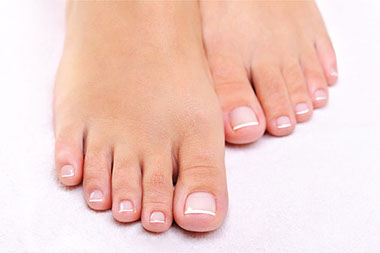
    *  Don’t go barefoot in public bathrooms. If you have a cut on your foot, it can get infected. You could also get a foot fungus or plantar wart. Use flip-flops in these cases to protect your feet.

    *  If you have diabetes or neuropathy, never go barefoot – even indoors.

    *  Don’t rely on flip-flops for daily wear. Use them in place of going barefoot around the pool, or in public bathrooms. Instead, choose sandals or lightweight shoes that have good arch support and are designed for comfort.

    *  Use sunscreen on the tops and bottoms of your feet any time they are exposed.

    *  Wear closed-toed shoes to mow the lawn or do yard work.

    *  If sandals are rubbing or causing blisters, don’t wear them. Don’t pop blisters. This leaves the foot open to an infection.

    *  Wear proper walking shoes and socks to the airport when traveling for summer vacation. Never try out new shoes on vacation. Pack shoes that you know are comfortable and won’t rub or cause blisters or pain.

    © American Institute for Preventive Medicine
  • Mouth To Hand

    SELF-CARE CORNER

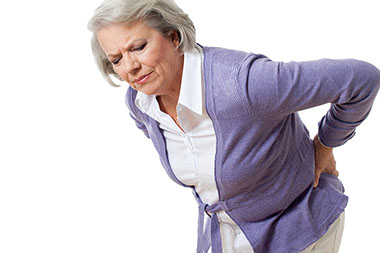
    Image of person holding their wrist.

    Tingling, numbness and pain in your fingers and wrists? Is it just tired hands or something more severe? While, these can all be signs of tired, overused hands, these symptoms can also indicate something serious, such as a repetitive stress injury, tendonitis, aggravation of arthritis or sprains, and even carpal tunnel syndrome.

    With over 152.7 billion text messages sent per month in the U.S. alone, according to CTIA-The Wireless Association, it is becoming clear that our society is shifting its primary method of communication from our mouths and voices to our hands and fingers. With this shift, there has also been an increase in the number of injuries related to these repetitive motions.

    “It is important that patients don’t dismiss symptoms of sore fingers, occasional numbness and tingling,” says George Kardashian, MD, an orthopedic surgeon and hand specialist at The Center for Bone and Joint Disease. “These symptoms are all the body’s way of saying it needs a break or a more serious injury will occur.”

    Since it is almost impossible to stop using mobile devices or computers completely, it is important to know how to prevent these symptoms from turning from sore, tired fingers into something more severe.

    *  Take frequent breaks from typing and texting.

    *  Stretch your hands and fingers.

    *  Use ice packs to reduce swelling.

    *  See your doctor if you have continuing symptoms.

    © American Institute for Preventive Medicine

  • Simple Steps To Prevent Diabetes

    MEDICAL NEWS

    Image of man with bicycle along the beach.

    The good news is that many cases of type 2 diabetes, which account for between 90 and 95% of all adult cases of the disease, can be prevented by leading a healthy lifestyle, according to the CDC. So whether you’re flirting with pre-diabetes or just want to lower your risk, the American Diabetes Association suggests eating a balanced diet and getting regular exercise.

    Follow these tips on how to fit healthy eating and exercise into your busy day.

    *Sneak some exercise into your day.Being physically fit can lower blood sugar, blood pressure, and cholesterol by helping insulin work better. All of these factors help reduce your risk for diabetes, heart disease, and stroke. Plus, being in shape helps you feel better both physically and mentally.

    *Add exercise to your daily routine.If you don’t currently exercise on a regular basis, start with small amounts of physical activity. For instance, take a brisk 15-minute walk in the morning. Have a walking meeting with co-workers instead of meeting in a conference room.

    *Make exercise fun.Any kind of physical activity is exercise. This includes doing yard work, dancing, or walking the dog. Choose a few activities you enjoy, and take steps to fit them into your schedule. Find a workout buddy to do a few laps around the neighborhood after dinner. Make bike riding or hiking regular family activities.

    *Choose foods with a low glycemic index.The glycemic index is a measure of the effects of carbohydrates on blood sugar levels. These foods include white pasta, cookies, and crackers. They are typically made with processed white flour. When we eat these foods, it causes a spike in blood sugar. Eating these foods also tends to result in weight gain since they are often high in calories. Plus, they are often high in sodium and not very nutritious. Most Americans eat foods with a high glycemic index.

    *Cut back on your sugar intake.If you eat a lot of sugar in your diet, try to reduce sugary foods and beverages. For example, instead of soda and juice, try seltzer or water. When the craving for a cookie or piece of cake hits, try a piece of fruit instead. Some studies have shown that the natural sugar in fruit can help decrease sugar cravings.

    *Incorporate more fresh fruits and vegetables into your diet.Eating more fruits and vegetables keeps your blood pressure stable and gives you much-needed nutrients and fiber. Plus, most fruits and vegetables are low in fat and calories.

    *Choose healthy snacks.Before having a high-sugar or high-fat snack, reach for a handful of nuts, some low-fat popcorn, or whole-wheat crackers. Keep healthy snacks on hand whether you are at home, at work or on the go.

    *Remember these tips when eating out.Think of your plate as a pie chart. You should fill up half of your plate with vegetables, a fourth with protein, and a fourth with a starch or carbohydrate.

    © American Institute for Preventive Medicine