Tag: Health Conditions

  • Ways To Improve Brain Health

    MEDICAL NEWS

    Image of older couple dancing.

    Dancing

    Dancing offers social interaction and a distraction from the day’s stress. It’s also a great way to get aerobic exercise. Dancing challenges the mind, which supports a healthy brain.

    Running

    Studies have shown aerobic exercise like running reduces anxiety and depression. Being active may also reduce the risk of Alzheimer’s disease.

    Sleeping

    Lack of sleep hurts reasoning and problem-solving skills. Some studies suggest that sleep helps clear out toxins from the brain, helping it to stay healthy and sharp.

    Relaxation

    Deep breathing, prayer and meditation can help relax the mind and lower stress levels. Long-term stress can damage how the brain works, so coping with stress in healthy ways gives your brain a boost.

    Sources: National Institutes of Health, Alzheimer’s Association, National Alliance on Mental Illness

    © American Institute for Preventive Medicine

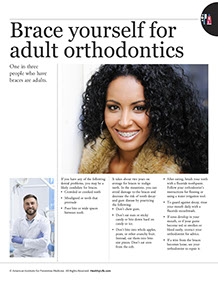
  • Brace Yourself For Adult Orthodontics

    Dental & Mouth Concerns

    Image of adult women with braces.

    Each year, over four million people-many of them adults-are fitted for braces.  If you have any of the following dental problems, you may be a likely candidate for braces.

    *  Crowded or crooked teeth.

    *  Buckteeth, misaligned teeth, or lower teeth that protrude.

    *  Poor bite or wide spaces between teeth.

    It takes about two years for braces to realign teeth. In the meantime, you can avoid damage to the braces and decrease the risk of tooth decay and gum disease by practicing the following:

    *  Don’t chew gum.

    *  Don’t eat nuts or sticky candy or bite down hard on candy or ice.

    *  Don’t bite into whole apples, pears, or other crunchy fruit. Instead, cut them into bite-size pieces. Don’t eat corn from the cob.

    *  After eating, brush your teeth with a fluoride toothpaste. Some orthodontists also recommend cleaning your teeth with a water irrigation appliance after you brush.

    *  To guard against decay, rinse your mouth daily with a fluoride mouthwash.

    *  If sores develop in your mouth, or if your gums become red or swollen or bleed easily, contact your orthodontist for advice.

    *  If a wire from the braces becomes loose, don’t try to repair it yourself. See your orthodontist.

    A Year of Health Hints book by the American Institute for Preventive Medicine. www.HealthyLife.com. All rights reserved.

    © American Institute for Preventive Medicine

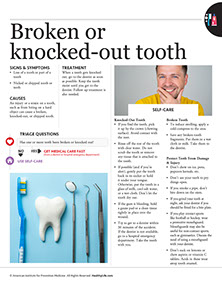
  • Broken Or Knocked-Out Tooth

    Dental & Mouth Concerns

    Signs & Symptoms

    *  Loss of a tooth or part of a tooth.

    *  Nicked or chipped tooth or teeth.

    Causes

    An injury or a strain on a tooth, such as from biting on a hard object can cause a broken, knocked-out, or chipped tooth.

    Treatment

    When a tooth gets knocked out, go to the dentist as soon as possible. Keep the tooth moist until you get to the dentist. Follow up treatment is also needed.

    Questions to Ask

    Self-Care / Prevention

    For a Knocked-Out Tooth

    *  If you find the tooth, pick it up by the crown. Avoid contact with the root.

    *  Rinse off the rest of the tooth with clear water. Do not scrub the tooth or remove any tissue that is attached to the tooth.

    *  If possible (and if you’re alert), gently put the tooth back in its socket or hold it under your tongue. Otherwise, put the tooth in a glass of milk, cool salt water, or a wet cloth. Don’t let the tooth dry out.

    *  If the gum is bleeding, hold a gauze pad or a clean tissue tightly in place over the wound.

    *  Try to get to a dentist within 30 minutes of the accident. If the dentist is not available, go to a hospital emergency department. Take the tooth with you.

    For a Broken Tooth

    *  To reduce swelling, apply a cold compress to the area.

    *  Save any broken tooth fragments. Put them in a wet cloth or milk. Take them to the dentist.

    To Protect Teeth From Damage and Injury

    *  Don’t chew on ice, pens, pencils, etc.

    *  Don’t use your teeth to pry things open.

    *  If you smoke a pipe, don’t bite down on the stem.

    *  If you grind your teeth at night, ask your dentist if you should be fitted or a bite plate.

    *  If you play contact sports like football or hockey, wear a protective mouthguard. Mouthguards may also be useful for noncontact sports, such as gymnastics. Discuss the need of using a mouthguard with your dentist.

    *  Always wear a seat belt when riding in a car.

    *  Don’t suck on lemons or chew aspirin or vitamin C tablets. Acids in these wear away tooth enamel.

    Healthier at Home book by the American Institute for Preventive Medicine. www.HealthyLife.com. All rights reserved.

    © American Institute for Preventive Medicine

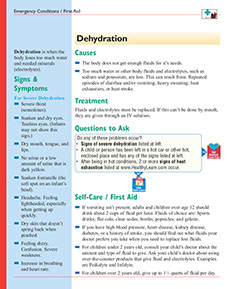
  • Dehydration

    First Aid

    Image of women drinking a glass of water.

    Dehydration is when the body loses too much water and needed minerals (electrolytes).

    Signs & Symptoms

    For Severe Dehydration

    *  Severe thirst (sometimes).

    *  Sunken and dry eyes. Tearless eyes. (Infants may not show this sign.)

    *  Dry mouth, tongue, and lips.

    *  No urine or a low amount of urine that is dark yellow.

    *  Sunken fontanelle (the soft spot on an infant’s head).

    *  Headache. Feeling lightheaded, especially when getting up quickly.

    *  Dry skin that doesn’t spring back when pinched.

    *  Feeling dizzy. Confusion. Severe weakness.

    *  Increase in breathing and heart rate.

    Causes

    *  The body does not get enough fluids for it’s needs.

    *  Too much water or other body fluids and electrolytes, such as sodium and potassium, are lost. This can result from: Repeated episodes of diarrhea and/or vomiting; heavy sweating; heat exhaustion; or heat stroke.

    Treatment

    Fluids and electrolytes must be replaced. If this can’t be done by mouth, they are given through an IV solution.

    Questions to Ask

    Self-Care / First Aid

    *  If vomiting isn’t present, adults and children over age 12 should drink about 2 cups of fluid per hour. Fluids of choice are: Sports drinks; flat cola; clear sodas; broths; popsicles; and gelatin.

    *  If you have high blood pressure, heart disease, kidney disease, diabetes, or a history of stroke, you should find out what fluids your doctor prefers you take when you need to replace lost fluids.

    *  For children under 2 years old, consult your child’s doctor about the amount and type of fluid to give. Ask your child’s doctor about using over-the-counter products that give fluid and electrolytes. Examples are Pedialyte and Infalyte.

    *  For children over 2 years old, give up to 1-1/2 quarts of fluid per day.

    Healthier at Home book by the American Institute for Preventive Medicine. www.HealthyLife.com. All rights reserved.

    © American Institute for Preventive Medicine

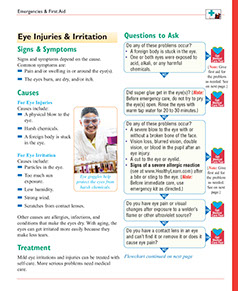
  • Eye Injuries & Irritation

    First Aid

    Signs & Symptoms

    Signs and symptoms depend on the cause. Common symptoms are:

    *  Pain and/or swelling in or around the eye(s).

    *  The eyes burn, are dry, and/or itch.

    Causes

    For Eye Injuries

    *  A physical blow to the eye.

    *  Harsh chemicals.

    *  A foreign body is stuck in the eye.

    For Eye Irritation

    *  Particles in the eye.

    *  Too much sun exposure.

    *  Low humidity.

    *  Strong wind.

    *  Scratches from contact lenses.

    Other causes are allergies, infections, and conditions that make the eyes dry. With aging, the eyes can get irritated more easily because they make less tears.

    Treatment

    Mild eye irritations and injuries can be treated with self-care. More serious problems need medical care.

    Questions to Ask

    Self-Care / Prevention

    For a Foreign Body Sticking Into the Eye

    *  Do not remove the object.

    *  Don’t press on, touch, or rub the eye.

    *  Cover the injured eye with a clean object, such as a paper cup that will shield, but not touch the eye or the foreign object. Use tape to hold the cup in place without putting pressure on the eye or the foreign object.

    *  Gently cover the uninjured eye with a clean bandage and tape, too. This helps to keep the injured eye still. Get Immediate Care!

    For Harmful Chemicals in the Eye(s)

    *  Flush the eye(s) with water immediately!

    *  Hold the injured eye open with your thumb and forefinger. At the faucet or with a pitcher or other clean container, flush the eye with a lot of water. Start at the inside corner and pour downward to the outside corner. This lets the water drain away from the body and keeps it from getting in the other eye.

    *  Keep pouring the water for 10 to 30 or more minutes. Flush the eye with water until you get medical help.

    *  If both eyes are injured, pour water over both eyes at the same time. Or, flush one eye at a time with water. Switch back and forth quickly to treat both eyes. Or, place the face in a sink or container filled with water. Tell the person to move his or her eyelids up and down and remove the face from the water to take breaths. Use this method if chemicals get in your eyes and you are alone.

    *  Loosely bandage the eye with sterile cloth and tape. Don’t touch the eye. Get Medical Care Right Away!

    For a Bruise from a Minor Injury that Surrounds the Eye, But Does Not Damage the Eye Itself

    *  Put a cold compress over the injured area right away. Do this for 15 minutes, every hour, for 48 hours.

    *  Take an over-the-counter medicine for the pain and swelling.

    *  After 48 hours, put a warm compress over the injured area.

    *  Seek medical care if these measures do not help.

    To Remove a Foreign Particle On the White of the Eye or Inside the Eyelids

    *  Do not remove an object stuck in the eye, a metal chip, or a foreign body over the colored part of the eye.

    *  Wash your hands.

    *  If the foreign object is under the upper lid, look down and pull the upper lid away from the eyeball by gently grabbing the eyelashes. Press a cotton-tipped swab down on the skin surface of the upper eyelid and pull it up and toward the brow. The upper lid will invert.

    *  Twist a piece of tissue. Moisten the tip with tap water (not saliva). Gently try to touch the speck with the tip. Carefully pass the tissue over the speck which should cling to the tip.

    *  Do not rub the eye or use tweezers or anything sharp to remove a foreign object.

    *  Gently wash the eye with cool water.

    For Dry, Irritated Eyes

    With your doctor’s okay, use over-the-counter artificial tear drops, such as Ocu-Lube. Refrigerate the solution, if needed. Wash your hands before using.

    For an Insect Bite Without a Severe Allergic Reaction

    *  Wash the eye(s) with warm water.

    *  Take an antihistamine if okay with your doctor.

    Prevention

    *  Wear safety glasses when your eyes are exposed to sawdust, etc. Wear sunglasses that block UV rays.

    *  When using harsh chemicals, wear rubber gloves and protective glasses. Don’t rub your eyes if you’ve touched harsh chemicals. Turn your head away from chemical vapors.

    *  To help prevent dry eyes, use a humidifier. Limit exposure to smoke, dust, and wind. Don’t drink alcohol.

    *  Use artificial tear drops with your doctor’s okay.

    *  Don’t stare directly at the sun, especially during a solar eclipse.

    *  Don’t use eye makeup when an allergy or chemical irritant bothers your eye(s).

    *  Don’t allow a child to stick his or her head out of the window of a moving car, etc. Sand, insects, and other flying objects can strike the eye and irritate or damage the cornea.

    *  Don’t let children play with or near sparklers, bottle rockets, and other fireworks.

    Healthier at Home book by the American Institute for Preventive Medicine. www.HealthyLife.com. All rights reserved.

    © American Institute for Preventive Medicine

  • Foods That Fight Cavities

    Dental & Mouth Concerns

    Image of a dish with food fighting items to fight cavities.

    Now you know how sticky sweets promote tooth decay. What you may not realize is that some foods prevent tooth decay. Research studies show that certain foods, like cheese and peanut butter, counteract the acids in the mouth that wear down the tooth enamel. (Be careful to buy plain, all-natural peanut butter, without added sugar of any kind.) Other tooth-saving foods include:

    *  Nuts and seeds.

    *  Meat, fish, poultry, and eggs.

    *  Olives and dill pickles.

    *  Milk, plain yogurt, and cheese.

    A Year of Health Hints book by the American Institute for Preventive Medicine. www.HealthyLife.com. All rights reserved.

    © American Institute for Preventive Medicine

  • Heat Exhaustion & Heat Stroke

    First Aid

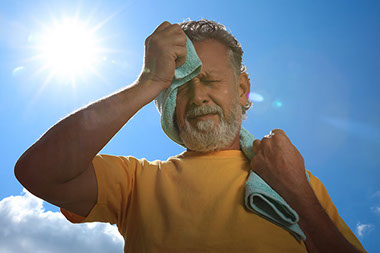
    Sweat evaporates from the skin to cool the body. If this personal cooling system does not work right or fails to work, heat exhaustion or a heat stroke can occur.

    Heat exhaustion is a warning that the body is getting too hot. With a heat stroke, body organs start to overheat. They will stop working if they get hot enough. If it is not treated, a heat stroke can result in death.

    Signs & Symptoms

    For a Heat Stroke

    These signs and symptoms can occur suddenly with little warning:

    *  Very high temperature (104ºF or higher).

    *  Hot, dry, red skin. No sweating.

    *  Deep breathing and fast pulse. Then shallow breathing and weak pulse.

    *  Confusion. Hallucinations.

    *  Convulsions.

    *  Loss of consciousness.

    For Heat Exhaustion

    *  Normal, low, or only slightly elevated body temperature.

    *  Cool, clammy, pale skin. Sweating.

    *  Dry mouth. Thirst.

    *  Fatigue. Weakness. Feeling dizzy.

    *  Headache.

    *  Nausea. Vomiting can occur.

    *  Muscle cramps.

    *  Weak or rapid pulse.

    Causes

    Anything that keeps the body’s natural cooling system from working right can lead to heat exhaustion and heat stroke. This includes:

    *  Extreme heat and humidity.

    *  Being in places without fans or air conditioners during hot, humid weather.

    *  Not being able to get to public air-conditioned places. Waiting for a bus or other type of public transportation in hot, humid weather.

    *  Overdressing.

    *  Changes in the skin due to aging.

    *  Poor circulation. Heart, lung, and/or kidney disease.

    *  Not being able to sweat due to medicines, such as water pills and some used for mental illnesses.

    *  Alcohol or drug use.

    *  Any illness that causes weakness, fever, vomiting, or diarrhea.

    Treatment

    A heat stroke is a medical emergency.

    Heat exhaustion may respond to self-care measures. If not, medical care is needed.

    Prevention

    *  Drink lots of liquids, especially if your urine is dark yellow. Drink water, sport drinks, such as Gatorade, etc.

    *  Do not stay in or leave anyone in a closed, parked car during hot weather.

    *  Don’t have drinks with alcohol or caffeine.

    *  Use caution when you are in the sun. At the first sign of heat exhaustion, get out of the sun. If you can, avoid midday heat. Do not do vigorous activity during the hottest part of the day (11:00 a.m. to 4:00 p.m.).

    *  Wear light, loose-fitting clothing, such as cotton, so sweat can evaporate. Wear a wide-brimmed hat with vents. Use an umbrella for shade.

    *  If you feel very hot, try to cool off. Open a window. Use a fan. Go to an air-conditioned place.

    *  Check with your doctor about sun exposure if you take:

    – Water pills.

    – Mood-altering medicines.

    – Some antibiotics, such as tetracycline.

    Questions to Ask

    Self-Care / First Aid

    First Aid for a Heat Stroke

    Call 9-1-1!

    Before Emergency Care Arrives

    *  Move the person to a cool place indoors or under a shady tree. Place the feet higher than the head to avoid shock.

    *  Remove clothing. Either wrap the person in a cold, wet sheet; sponge the person with towels or sheets that are soaked in cold water; or spray the person with cool water. Fan the person.

    *  Put ice packs or cold compresses on the neck, under the armpits, and on the groin area.

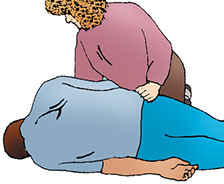
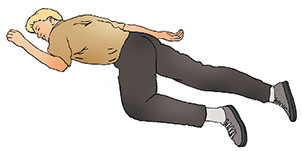
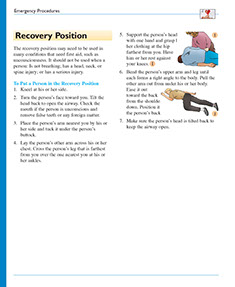
    *  Once the person’s temperature gets to 101ºF, place him or her in the Recovery Position. Do not lower the temperature further.

    *  Don’t give fever reducing medicine.

    *  Don’t use rubbing alcohol.

    First Aid for Heat Exhaustion

    *  Move to a cool place indoors or in the shade. Lie down.

    *  Loosen clothing.

    *  Drink fluids, such as cool or cold water. Add 1/2 teaspoon of salt to 1 quart of water. Sip this. Or, drink sport drinks, such as Gatorade, etc.

    *  Have salty foods, such as saltine crackers, if you tolerate them.

    *  Massage and stretch cramped muscles.

    Healthier at Home book by the American Institute for Preventive Medicine. www.HealthyLife.com. All rights reserved.

    © American Institute for Preventive Medicine

  • Lactose Intolerance

    Abdominal & Urinary Conditions

    Image of various of different dairy products.

    Lactose is the natural sugar in milk. A person with lactose intolerance lacks enough of the enzyme, lactase, to digest this sugar.

    Signs & Symptoms

    *  Nausea.

    *  Cramps.

    *  Bloating.

    *  Gas.

    *  Diarrhea.

    These symptoms start about 30 minutes to 2 hours after you eat or drink foods with lactose.

    Causes

    *  The body can’t make the enzyme lactase. This can occur from birth or over time.

    *  Digestive diseases.

    *  Injury to the small intestine.

    Asian Americans, African Americans, and American Indians are more prone to lactose intolerance.

    Treatment

    Symptoms can be controlled with self-care measures.

    Questions to Ask

    Self-Care / Prevention

    *  Eat fewer dairy foods. Some people with lactose intolerance can tolerate dairy foods if they have small amounts at a time.

    *  Have lactose-free dairy products. Have ones that reduce lactose with bacterial cultures. Examples are buttermilk, yogurt, and acidophilus milks.

    *  Take over-the-counter drops or pills that have the enzyme lactase when you have dairy foods.

    *  If the above measures don’t help, don’t have products with milk, milk solids, and dairy whey. Have soy milk instead. Products marked “parve” are milk free.

    *  Read food labels. Many food products contain small amounts of lactose. These include bread and other baked goods, instant mashed potatoes, breakfast and diet drinks and bars, and mixes for biscuits, cookies, and pancakes.

    Healthier at Home book by the American Institute for Preventive Medicine. www.HealthyLife.com. All rights reserved.

    © American Institute for Preventive Medicine

  • A Simple Remedy For Prickly Heat

    Skin Conditions

    Image of women sitting in grass field on sunny summer day.

    Feeling hot and sticky is bad enough. A visible sign of discomfort only makes it worse. Such is the case with prickly heat (also known as heat rash), identified by clusters of small blisters that itch and appear where you perspire the heaviest – the armpits, neck, back, or creases in the elbows (but not the face).

    Hot, humid weather, sensitive skin, and excess weight all aggravate prickly heat. Here are some simple ways to find relief:

    *  Wear loose, lightweight clothing.

    *  Dust the affected area with cornstarch.

    *  Take cool baths to reduce itching.

    *  Avoid hot, humid environments and stay in air-conditioned places, if possible.

    The key to managing prickly heat is to avoid sweating by staying in a cool environment. The rash will disappear in a couple of days.

    A Year of Health Hints book by the American Institute for Preventive Medicine. www.HealthyLife.com. All rights reserved.

    © American Institute for Preventive Medicine

  • Sleep Disorders & Snoring

    General Health Conditions

    Not getting enough sleep can cause you to be sleepy during the day. It can make you less able to function. Snoring and sleep disorders can cause these problems, too.

    Insomnia

    Signs & Symptoms

    *  Having trouble falling asleep. Waking up in the middle of the night. Waking up too early and not being able to get back to sleep.

    *  Feeling like you didn’t get enough sleep.

    Causes

    *  Too much caffeine. Drinking alcohol and/or smoking before bedtime.

    *  Too much noise when falling asleep.

    *  Emotional stress. Depression. Anxiety. The manic phase of bipolar disorder.

    *  Fibromyalgia.

    *  Over active thyroid gland.

    *  Any condition, illness, injury, or surgery that causes enough pain or discomfort to interrupt sleep. Heart or lung conditions that cause shortness of breath when lying down. Side effects of some medicines, such as over-the-counter diet pills or decongestants.

    *  Changes in sleep/wake schedules, such as with work shift changes and jet lag.

    *  In children, nightmares or bed-wetting.

    Treatment

    *  Self-care and prevention tips.

    *  Treating the problem.

    *  Prescribed short-acting sleeping pills.

    Self-Care / Prevention

    *  Avoid caffeine for 8 hours before bedtime.

    *  Avoid long naps during the day.

    *  Have no more than 1 alcoholic drink with or after dinner.

    *  Avoid using electronic devices, such as a laptop computer before falling asleep and in the middle of the night. The type of light that emits from these devices makes it hard to fall asleep.

    *  Avoid nicotine. Don’t smoke. Stay away from secondhand smoke.

    *  Get regular exercise, but not within a few hours of going to bed.

    *  Before bedtime, take a warm bath or read a book, etc. Avoid things that hold your attention, such as watching a suspense movie.

    *  Keep your bedroom quiet, dark, and comfortable.

    *  Follow a bedtime routine. Lock or check doors and windows, brush your teeth, etc.

    *  Count sheep! Picture a repeated image. Doing this may bore you to sleep.

    *  Listen to recordings that help promote sleep.

    *  Take over-the- counter sleep aids, (e.g., melatonin, Tylenol PM, etc.) as advised by your doctor. Don’t take anyone else’s sleeping pills.

    *  If you wake up and can’t get back to sleep or can’t fall asleep, after 30 minutes, get out of bed. Read a relaxing book or sit quietly in the dark. In about 20 minutes, go back to bed. Do this as many times as needed.

    Restless Leg Syndrome (RLS) and Periodic Limb Movements in Sleep (PLMS)

    Signs & Symptoms

    *  Creeping, crawling, pulling and/or painful feelings in one or both legs.

    *  Jerking or bending leg movements that you can’t control during sleep.

    Causes

    The cause is not known. These factors play a role:

    *  Family history of RLS.

    *  The last months of a pregnancy.

    *  Chronic diseases, such as kidney failure, diabetes, and rheumatoid arthritis.

    Treatment

    *  Self-care and prevention tips.

    *  Prescribed medicines to control symptoms.

    *  A type of electric nerve stimulation.

    Self-Care / Prevention

    *  Take medications as prescribed. Let your doctor know if the medicine no longer helps.

    *  For relief, move the legs. Walk, rub, or massage them or do knee bends.

    *  Limit or avoid caffeine.

    *  Take a warm bath before bedtime.

    Sleep Apnea

    Signs & Symptoms

    *  Loud snoring and snorting sounds while sleeping on the back.

    *  Repeated periods when breathing stops 10 or more seconds during sleep.

    *  Waking up many times during the night. Excessive daytime sleepiness.

    *  Exhaustion. Hard time concentrating. Acting very cranky. Depression or other mental changes.

    *  Early morning headaches.

    Causes

    *  Too much muscle tissue is in the airway or the tissue relaxes and sags. These things narrow or block the airway. Persons who snore loudly and are overweight are more prone to these problems.

    *  A physical problem in the nose or upper airway.

    Treatment

    The goal is to keep the airway open during sleep. This is done with self-care measures and one of these treatments:

    *  A mouth guard dental device custom made by a dentist. This is worn during sleep. It pushes the lower jaw forward to open the air passage behind the tongue.

    *  A nasal continuous positive airway pressure (CPAP) device. Pressure from an air blower forces air through the nasal passages using a mask worn over the nose during sleep.

    *  Surgery to correct the cause of the airway obstruction.

    Self-Care / Prevention

    *  Lose weight, if you are overweight.

    *  Don’t drink alcohol. Don’t use tobacco products.

    *  Don’t take sleeping pills or sedatives.

    *  Use methods, such as those listed under Self-Care / Prevention – For Snoring to keep from sleeping on your back.

    Snoring

    Signs & Symptoms

    *  Loud sounds. Harsh breathing. Snorting sounds. These occur during sleep.

    Causes

    *  Sleeping on the back. The tongue falls back toward the throat and partly closes the airway.

    *  Nasal congestion from allergies or colds. Smoking. Drinking alcohol. Taking sedatives. Overeating (especially before bedtime).

    *  Sleep apnea or chronic respiratory disease.

    *  An obstructed airway. This can be due to enlarged tonsils or being overweight.

    *  Changes in hormones, such as during menopause or the last month of pregnancy.

    Treatment

    Self-care treats most cases. Other options are:

    *  Wearing a dental device that holds the jaw in a forward position.

    *  Surgery, if needed, to correct the problem.

    *  Treatment for sleep apnea, if needed.

    Self-Care / Prevention

    *  Sleep on your side. Prop an extra pillow behind your back so you won’t roll over. Sleep on a narrow sofa for a few nights to get used to staying on your side.

    *  Sew a large marble or tennis ball into a pocket on the back of your pajamas. This can help you stay on your side when you sleep.

    *  If you must sleep on your back, raise the head of the bed 6 inches on bricks or blocks. Or buy a wedge that is made to be placed between the mattress and box spring to elevate the head section.

    *  Lose weight, if you are overweight. Excess fatty tissue in the throat can cause snoring. Losing 10% of your body weight will help.

    *  Don’t smoke. If you do, quit. Limit or don’t have alcohol, sedatives, or a heavy meal within 3 hours of bedtime.

    *  To relieve nasal congestion, try a decongestant before you go to bed.

    *  Get rid of allergens in the bedroom. These include dust, down-filled (feathered) pillows, and down-filled bed linen.

    *  Try over-the-counter “nasal strips.” These keep the nostrils open and lift them up. This helps lessen congestion in nasal passages.

    Questions to Ask

    How Much Sleep is Needed?

    *  Adults need between 7 and 9 hours of sleep each night.

    *  Teens need at least 8-1/2 to 9-1/4 hours of sleep each night.

    *  After 6 months of age, most children sleep between 9 and 12 hours at night. Up to age 5, children may also take daytime naps for a total of 1/2 to 2 hours a day.

    Resources

    National Center on Sleep Disorders Research (NCSDR)

    301.435.0199

    www.nhlbi.nih.gov/about/ncsdr

    National Sleep Foundation

    703.243.1697

    www.sleepfoundation.org

    Healthier at Home book by the American Institute for Preventive Medicine. www.HealthyLife.com. All rights reserved.

    © American Institute for Preventive Medicine