Tag: Health Conditions

  • Caring For Toe Injuries

    SELF-CARE CORNER

    Close up of injured toe.

    Toes are an important part of walking and balance. And their bones and ligaments are small, so they can be easily injured.

    Many people think doctors won’t do anything about an injured toe. This is not true. A broken or sprained toe may need medical attention. But minor toe injuries may get better with some simple home care.

    What to do if you hurt your toe

    *  If the pain is not severe, try putting ice on it for 10 minutes at a time. Be careful not to get the toe too cold.

    *  If needed, take an over-the-counter pain medicine.

    *  Stay off the foot if possible. Try to elevate it when sitting down.

    *  Look for signs of bruising and swelling, which could mean a possible sprain or broken toe.

    *  If the pain is severe, contact your doctor or seek urgent medical care.

    *  If pain and swelling don’t get better within two days, see a health care provider.

    *  Elevate the affected toe to help with swelling.

    Sprained vs. broken toe

    A sprain means that the ligaments in the toe have been injured. You can usually walk on a sprained toe, but it may still be very sore from swelling and bruising.

    Sprains may happen when you overstretch the toe during sports, running or jumping. “Turf toe” is a sprain of the big toe that is quite common in athletes.

    If you have a broken toe, you may not be able to move the toe or put weight on it. It may have a lot of swelling and bruising. The pain may not get better, even after a couple of days. Broken toes can happen during sports and activities. They also occur with falls and accidents or when you drop something heavy on your foot.

    Should you get medical care?

    Some minor toe injuries can be treated at home. But toe sprains and breaks can be more serious. Don’t ignore toe pain that lasts more than two days. See a health care provider if you think your toe is sprained or broken.

    If you have diabetes

    Always see a health care provider for any kind of foot or toe injury.

    Sources: American College of Foot and Ankle Surgeons, American Podiatric Medical Association

    © American Institute for Preventive Medicine

  • Living Well With Sickle Cell

    MEDICAL NEWS

    Two couples walking and laughing along the beach.

    Sickle cell disease (SCD) is a group of inherited blood disorders. With SCD, red blood cells are crescent or “sickle” shaped. They are also stiff, which makes it hard for them to move throughout the body. This can block blood flow, causing severe pain, infections, eye problems and stroke.

    Can SCD be cured?

    Some people with SCD can be cured with a blood and bone marrow transplant. There are also medications that help lower symptoms and problems from the disease.

    People with SCD should work with their doctors to find out which treatment is best for them. With the right medical care, many people with SCD can live full lives.

    Healthy living tips

    If you or your child has SCD, follow these tips to feel your best and avoid complications:

    *  See your doctor: Regular health checkups are essential when you have SCD. Ask your doctor how often you should have checkups.

    *  Prevent infections: Infections like the flu can be dangerous for people with SCD. Take steps to prevent them, like frequent handwashing, avoiding people who are sick and getting recommended vaccines.

    *  Drink plenty of water: Aim to drink eight to 10 glasses of water each day.

    *  Eat a healthy diet: Good nutrition is important. Your doctor or nutritionist can help you create a healthy eating plan that works for you.

    *  Get exercise: Stay active, but don’t do strenuous or very difficult exercise. Take breaks when you need to, and drink plenty of water.

    *  Avoid extreme heat and cold: Sudden changes in temperature can cause problems like severe pain. Don’t jump into very cold or hot water.

    Get emergency care when needed

    If you or your child has SCD with these symptoms, seek emergency medical care:

    *  Severe anemia: Signs include shortness of breath, dizziness, irregular heartbeat or extreme tiredness.

    *  Fever: A fever higher than 101.3 requires antibiotics right away.

    *  Acute chest syndrome: Symptoms of this complication include chest pain, coughing, fever and trouble breathing.

    *  Stroke: Signs include sudden weakness or numbness on one side of the body, confusion or trouble seeing, talking or walking.

    Sources: National Heart, Lung and Blood Institute, Sickle Cell Disease Association of America

    © American Institute for Preventive Medicine

  • What To Do When Your Heel Hurts

    SELF-CARE CORNER

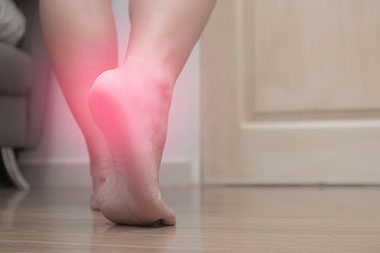
    Image of heel walking on bare floor.

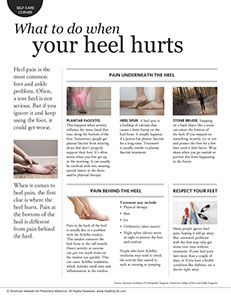
    Heel pain is the most common foot and ankle problem. Often, a sore heel is not serious. But if you ignore it and keep using the foot, it could get worse.

    When it comes to heel pain, the first clue is where the heel hurts. Pain at the bottom of the heel is different from pain behind the heel.

    Pain underneath the heel

    *  Plantar fasciitis. This happens when activity inflames the tissue band that runs along the bottom of the foot. Sometimes, people get plantar fasciitis from wearing shoes that don’t properly support their foot. It’s often worse when you first get up in the morning. It can usually be resolved with rest, wearing special inserts in the shoes and/or physical therapy.

    *  Heel spur. A heel spur is a buildup of calcium that causes a bony bump on the heel bone. It usually happens if a person has plantar fasciitis for a long time. Treatment is usually similar to plantar fasciitis treatment.

    *  Stone bruise. Stepping on a hard object like a stone can injure the bottom of the heel. If you stepped on something recently, try to rest and protect the foot for a few days until it feels better. Wear shoes when you go outside to prevent this from happening in the future.

    Pain behind the heel

    Pain in the back of the heel is usually due to a problem with the Achilles tendon. This tendon connects the heel bone to the calf muscle. Heavy activity or exercise can put too much stress on the tendon too quickly. This can cause Achilles tendinitis, which includes small tears and inflammation in the tendon. Treatment may include:

    *  Physical therapy

    *  Rest

    *  Ice

    *  Orthotic(s) (shoe inserts)

    *  Night splint (device worn at night to protect the foot and tendon)

    People who have Achilles tendinitis may need to avoid the activity that caused it, such as running or jumping.

    Respect your feet

    Many people ignore heel pain, hoping it will go away. But, untreated problems with the foot may only get worse over time without treatment. If your heel pain lasts more than a couple of days, or if you have a health condition like diabetes, see a doctor right away.

    Source: American Academy of Orthopaedic Surgeons, American College of Foot and Ankle Surgeons

    © American Institute for Preventive Medicine

  • Cataracts Can Be Treated

    MEDICAL NEWS

    Elderly women getting her eyes checked by a doctor.

    The eye has a clear lens inside that allows you to focus on things. But, as we get older, the lens may not be clear anymore. Proteins inside the lens stick together, causing a cloudy spot. This is a cataract.

    Cataracts are common. More than half of people age 80 and over have cataracts or had cataract surgery.

    What causes cataracts?

    Cataracts cannot always be prevented. Many people get them simply from getting older. This is because proteins in the eye’s lens start to break down with time.

    But there are some things you can do to reduce your risk of getting cataracts:

    *  Get regular eye exams.

    *  Don’t smoke – or quit if you do smoke.

    *  Limit or avoid alcohol.

    *  Protect your eyes with proper sunglasses and hats that shield the sun.

    *  Eat a healthy diet and get exercise. This can help prevent diabetes and high blood pressure, which may cause cataracts.

    Do I have cataracts?

    Many people don’t realize they have cataracts. This is because changes in vision happen very slowly over time.

    People who have cataracts may notice:

    *  Colors look faded or yellowed; things look blurry or cloudy

    *  Seeing a “halo” around lights

    *  It’s harder to read without a very bright light

    *  Trouble with night vision

    *  Double vision in one eye

    What can I do about cataracts?

    While cataracts may take away your clear vision, there is good news. Many cataracts can be corrected with surgery.

    The operation usually takes less than an hour. The doctor will replace the cloudy lens with a clear artificial lens. Usually, no stitches are needed. You may also have the surgery without general anesthesia, or being put to sleep. The doctor will numb the eye area so you won’t feel anything.

    People usually have only minor pain afterward. You may need to use eye drops after surgery to help the eye heal, or wear a protective eye shield when you sleep. Your doctor can let you know when it is safe for you to drive and do other activities.

    In most cases, the eye is totally healed within a few weeks and vision is much better.

    Sources: American Academy of Ophthalmology, National Eye Institute

    © American Institute for Preventive Medicine

  • Make A Cold Care Kit

    SELF-CARE CORNER

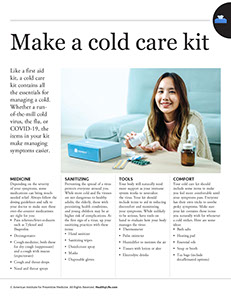
    Women siting at table with a box and medicine.

    Like a first aid kit, a cold care kit contains all the essentials for managing a cold. Whether a run-of-the-mill cold virus, the flu, or COVID-19, the items in your kit make managing symptoms easier.

    Medicine

    Depending on the severity of your symptoms, some medications can bring much-needed relief. Always follow the dosing guidelines and talk to your doctor to make sure these over-the-counter medications are right for you:

    *  Pain relievers/fever-reducers such as Tylenol and Ibuprofen

    *  Decongestants

    *  Cough medicine, both those for dry cough (suppressant) and a cough with mucus (expectorant)

    *  Cough and throat drops

    *  Nasal and throat sprays

    Sanitizing

    Preventing the spread of a virus protects everyone around you. While most cold and flu viruses are not dangerous to healthy adults, the elderly, those with preexisting health conditions, and young children may be at higher risk of complications. At the first sign of a virus, up your sanitizing practices with these items:

    *  Hand sanitizer

    *  Sanitizing wipes

    *  Disinfectant spray

    *  Masks

    *  Disposable gloves

    Tools

    Your body will naturally need more support as your immune system works to neutralize the virus. Your kit should include items to aid in reducing discomfort and monitoring your symptoms. While unlikely to be serious, have tools on hand to evaluate how your body manages the virus:

    *  Thermometer

    *  Pulse oximeter

    *  Humidifier to moisten the air

    *  Tissues with lotion or aloe

    *  Electrolyte drinks

    Comfort

    Your cold care kit should include some items to make you feel more comfortable until your symptoms pass. Everyone has their own tricks to soothe pesky symptoms. Make sure your kit contains those items you naturally wish for whenever a cold strikes. Here are some ideas:

    *  Bath salts

    *  Heating pad

    *  Essential oils

    *  Soup or broth

    *  Tea bags (include decaffeinated options)

    © American Institute for Preventive Medicine

  • What To Know About Blood Clots

    SELF-CARE CORNER

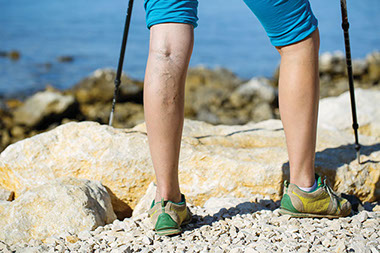
    Veins on the back of a women's leg.

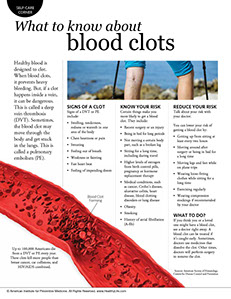
    Healthy blood is designed to clot. When blood clots, it prevents heavy bleeding. But, if a clot happens inside a vein, it can be dangerous. This is called a deep vein thrombosis (DVT). Sometimes, the blood clot may move through the body and get stuck in the lungs. This is called a pulmonary embolism (PE).

    Up to 100,000 Americans die from a DVT or PE every year. These clots kill more people than breast cancer, car collisions, and HIV/AIDS combined.

    Signs of a clot

    Signs of a DVT or PE include:

    *  Swelling, tenderness, redness or warmth in one area of the body

    *  Chest heaviness or pain

    *  Sweating

    *  Feeling out of breath

    *  Weakness or fainting

    *  Fast heart beat

    *  Feeling of impending doom

    Know your risk

    Certain things make you more likely to get a blood clot. They include:

    *  Recent surgery or an injury

    *  Being in bed for long periods

    *  Not moving a certain body part, such as a broken leg

    *  Sitting for a long time, including during travel

    *  Higher levels of estrogen from birth control pills, pregnancy or hormone replacement therapy

    *  Medical conditions, such as cancer, Crohn’s disease, ulcerative colitis, heart disease, blood clotting disorders or lung disease

    *  Obesity

    *  Smoking

    *  History of atrial fibrillation (A-fib)

    Reduce your risk

    Talk about your risk with your doctor. You can lower your risk of getting a blood clot by:

    *  Getting up from sitting at least every two hours

    *  Moving around after surgery or being in bed for a long time

    *  Moving legs and feet while on plane trips

    *  Wearing loose-fitting clothes while sitting for a long time

    *  Exercising regularly

    *  Wearing compression stockings if recommended by your doctor

    What to do?

    If you think you or a loved one might have a blood clot, see a doctor right away. A blood clot can be treated if it’s caught early. Sometimes, doctors use medicines that dissolve the clot. Other times, doctors will perform surgery to remove the clot.

    Sources: American Society of Hematology, Centers for Disease Control and Prevention

    © American Institute for Preventive Medicine

  • Clear Facts On Eye Drops

    SELF-CARE CORNER

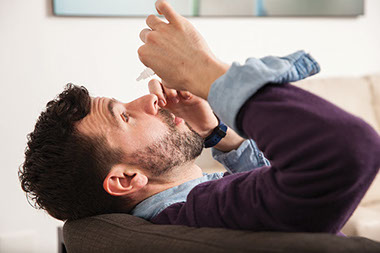
    Image of man placing eye drop in eye.

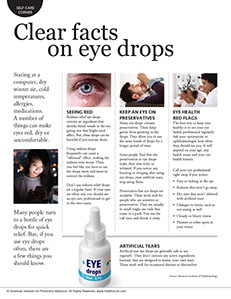
    Staring at a computer, dry winter air, cold temperatures, allergies, medications. A number of things can make eyes red, dry or uncomfortable.

    Many people turn to a bottle of eye drops for quick relief. But, if you use eye drops often, there are a few things you should know.

    Seeing red

    Redness relief eye drops contain an ingredient that shrinks blood vessels in the eye, giving you that bright-eyed effect. But, these drops can be harmful if you overuse them.

    Using redness drops frequently can cause a “rebound” effect, making the redness even worse. Then you feel like you have to use the drops more and more to control the redness.

    Don’t use redness relief drops on a regular basis. If your eyes are often red, you should see an eye care professional to get to the root cause.

    Artificial tears

    Artificial tear eye drops are generally safe to use regularly. They don’t contain any active ingredients. Instead, they are designed to mimic your own tears. These work well for occasional dryness or discomfort.

    Keep an eye on preservatives

    Many eye drops contain preservatives. These keep germs from growing in the drops. They allow you to use the same bottle of drops for a longer period of time.

    Some people find that the preservatives in eye drops make their eyes itchy or irritated. If you notice any burning or stinging after using eye drops, even artificial tears, stop using them.

    Preservative-free eye drops are available. These work well for people who are sensitive to preservatives. They are usually in small single-use vials that come in a pack. You use the vial once and throw it away.

    Eye health red flags

    The best way to keep eyes healthy is to see your eye health professional regularly. Ask your optometrist or ophthalmologist how often they should see you. It will depend on your age, any health issues and your eye health history.

    Call your eye professional right away if you notice:

    *  Pain or itching in the eye

    *  Redness that won’t go away

    *  Dry eyes that aren’t relieved with artificial tears

    *  Changes in vision, such as not seeing as well

    *  Cloudy or blurry vision

    *  Floaters or other spots in your vision

    Source: American Academy of Ophthalmology

    © American Institute for Preventive Medicine

  • Arthritis

    Bone & Muscle Problems

    Arthritis refers to over 100 disorders that affect the joints or areas around the joints. It is a common chronic health problem and occurs in people of all ethnic groups. In the U.S., arthritis is the most common cause of disability.

    The risk for arthritis increases with aging. More than 1 in 5 adults has arthritis, but 300,000 children have some form of it, too. Arthritis is more common in women than men.

    Rheumatoid Arthritis (RA)

    This type is chronic disease that affects the linings of the joints. Most often, RA affects many joints. The disease may also attack tissues in the skin, lungs, eyes, and blood vessels. Persons of all ages, including children, can have RA. It is much more common in women than in men. For some people, symptoms of RA are constant. For others, symptoms are mild sometimes, but get worse (flare up) at other times.

    Signs & Symptoms

    Warmth, redness, pain, and swelling around the joints. Often, the swelling affects the wrist and finger joints closest to the hand.

    *  Joint swelling sometimes affects other joints, such as the neck, shoulders, elbows, hips, knees, ankles, and feet.

    *  Swelling of the joints occurs on both sides of the body, such as both wrists.

    *  Pain and stiffness last for more than 30 minutes in the morning or after a long rest.

    *  Fatigue and not feeling well in general

    *  Fever occurs sometimes.

    Anxiety, depression, and feeling helpless are common problems for people with RA.

    Causes

    With RA, the body’s immune system attacks its own joints and sometimes other body organs. What causes this abnormal response is not known. Things that may contribute to RA include:

    *  Family history of the disease

    *  Factors in the environment. An example is heavy smoking.

    *  Hormones. In women with RA, it is common for the disease to go into remission during pregnancy. Symptoms increase, though, after the baby is born. It is also more likely for women to develop RA in the year after a pregnancy.

    *  An infection from a virus or bacteria, but no single organism has been found to be the cause.

    Osteoarthritis

    This is the most common type. It is also called “wear and tear” arthritis. With this type, the cartilage in joints gets worn out. Chips and cracks form in the cartilage. This allows the ends of bones to rub together. Growths called spurs also form. This type of arthritis is common in joints that bear weight (knees and hips).

    Signs & Symptoms

    Joint pain and stiffness, especially after being inactive or overusing a joint

    *  Knobby growths on finger joints

    *  Loss of motion in joints

    *  Joint tenderness and swelling can occur.

    Causes

    *  Aging joints

    *  Wear and tear on joints. Also, people who are more than 10 pounds overweight put greater stress on joints that bear weight (knees and hips).

    *  Joint injury and overuse

    *  Family history of arthritis

    Juvenile Rheumatoid Arthritis (JRA)

    This type affects persons age 16 and younger. With JRA, joint stiffness and swelling (that causes soreness, redness, warmth, and/or pain) last 6 weeks or longer.

    There are 3 kinds of JRA:

    *  The most common kind is one in which 4 or fewer joints are affected. These are usually large joints, such as the knees. Eye problems are also common with this type of JRA. Some children outgrow joint problems by the time they become adults, but may continue to have eye problems.

    *  A second kind affects 5 or more joints. These are usually small joints, such as ones in the hands and feet and the same ones on both sides of the body. Large joints can also be affected.

    *  A third kind affects joints and internal organs, such as the heart, liver, lymph nodes, and spleen. A skin rash and a fever are also present.

    Gout

    Gout is most common in men over 30 years of age. Less common in women, it usually occurs after menopause.

    Signs & Symptoms

    *  Sudden, intense pain in a joint, usually in a big toe, wrist, knee, or elbow

    *  Swollen joint

    *  The joint area is red or purple in color, feels warm, and is tender to the touch.

    *  Sometimes, fever and chills

    Symptoms can last many hours to a few days.

    Causes

    Gout occurs when crystals from high blood uric acid (a body waste product) deposit in joints and/or soft tissues. The body’s immune system treats these crystals like a foreign substance. This leads to swelling and pain.

    Ankylosing Spondylitis (AS)

    This type of arthritis is more common in men than in women. It usually begins between the ages of 17 and 35.

    Signs & Symptoms

    *  Early signs are stiffness and a dull pain in the lower back and buttocks.

    *  Mild fever and general ill feeling may occur.

    *  Over time, the stiffness and pain become chronic and spread up the spine and into the neck. The shoulders, hips, and other areas of the body can also be affected.

    *  In some persons, joints fuse together. This causes a stiff, bent posture.

    *  Red, painful, and watery eyes. Blurred vision can occur and eyes can be sensitive to bright lights.

    Causes

    Genetic factors play a big role. Having frequent gastrointestinal infections or an inflammatory bowel disease, such as Crohn’s disease or ulcerative colitis, is also a factor.

    How It Is Diagnosed

    To diagnose arthritis, your doctor or health care provider does these things:

    *  Asks you to describe your symptoms and does a physical exam.

    *  Asks if you have had any physical stresses or injuries.

    *  Examines joints and areas around them.

    The tests below may also be needed.

    *  Blood and urine tests.

    *  X-rays and MRIs.

    *  Taking a fluid sample from a joint. The fluid is examined.

    Tests also help diagnose or rule out other arthritis-related problems. Examples are:

    *  Lyme disease. This is an infection from a deer tick bite.

    *  Other auto-immune diseases, such as fibromyalgia and lupus (the systemic kind).

    Self-Care

    Exercise

    Exercise has many benefits:

    *  It increases energy, flexibility, and stamina.

    *  It helps protect joints from further stress.

    *  It improves posture.

    *  It keeps muscles and bones strong.

    *  It improves general health and promotes a sense of well-being.

    The type and amount of exercise you should do depends on the type of arthritis you have and your needs. Follow your doctor’s or health care provider’s advice. {Note: You can find exercise programs recommended by the Arthritis Foundation fromwww.arthritis.org/programs.php.}

    In general, you will be advised to do three types of exercise:

    1.  Stretching Exercises. Examples are reaching exercises, tai chi, and yoga. These loosen up stiff joints and make them more flexible. They improve or maintain range of motion.

    2.  Mild Strengthening Exercises. Examples are lifting 1 to 2 pound weights and using an exercise resistance band. These help build or keep muscle strength. Strong muscles help support and protect joints. Joint movement improves as muscles get stronger.

    3.  Low-Impact Aerobics. Examples are walking, biking, swimming, and water aerobics. These exercises strengthen the heart and lungs and help control weight. They also give you more energy and build your ability to be active longer.

    After a few months of regular exercise, most people have less pain. In time, people who exercise daily find it easier to move their joints without pain.

    Exercise Tips

    *  Discuss exercise plans with your doctor or health care provider. He or she may refer you to an exercise specialist.

    *  Do exercises you like.

    *  Choose exercises that use all affected joints.

    *  Choose a regular time and place to exercise.

    *  Your exercise routine does not have to be a formal one. Try to fit more activity into your daily routine. If you can, take the stairs, not the elevator. Walk or ride a bike instead of driving.

    *  Start your program slowly. Progress slowly, too.

    *  Keep movements slow and gentle.

    *  Do shorter exercise sessions throughout the day.

    *  Start each exercise period with a 5-minute warm-up. End each session with a 5-minute cool-down.

    *  You should be able to speak and not be out of breath while you exercise.

    *  Stop exercising if a joint is swollen, painful, or red.

    *  It may help to apply heat to sore joints before you exercise and cold packs after.

    *  Be careful to avoid injury.

    *  Rest when you need to. Rest your joints after activities.

    *  Focus on freedom of movement.

    *  Be patient.

    Ways to Relieve Pain

    *  Apply moist heat for 15 to 20 minutes, 3 times a day. Use warm towels or hot packs or take warm baths or showers.

    *  Use cold treatment 10 to 15 minutes at a time. This helps stop pain and reduces swelling. Use ice packs, cold packs, or frozen vegetables wrapped in a towel.

    If you have Raynaud’s disease, you should not use cold treatment. Cold makes this condition worse.

    *  Use water therapy to decrease pain and stiffness.

    – Pool exercises. Find out if local pools and health centers have water exercise classes for people with arthritis.

    – Whirlpool baths

    *  Do relaxation exercises to release the tension in your muscles. Doing this helps reduce pain.

    *  Apply over-the-counter creams and lotions that block the pain. Use one with capsaicin. Ones with methyl salicylate should be used with your doctor’s guidance. Using too much can lead to a salicylate overdose.

    *  Take medications as prescribed.

    Medical Care

    Reasons to Call Doctor/ Provider

    *  A joint is painful, tender, red, or warm.

    *  You can’t move a joint normally.

    *  Joints are very stiff, especially in the morning.

    *  A fever, chills, severe sweating, or a rash occurs with other arthritis symptoms.

    *  You can’t use one or more joints.

    *  Severe pain occurs in the big toe or severe pain and swelling occur in one or more joints.

    *  Joint pain or stiffness keeps you from doing normal activities or your arthritis worsens.

    Medicines

    *  Over-the-counter or prescribed pain relievers. These include acetaminophen and nonsteroidal anti-inflammatory drugs (NSAIDs). NSAIDs reduce inflammation, too. Your doctor may prescribe an NSAID cream.

    *  Over-the-counter supplements. Examples are glucosamine and chondroitin. Follow your doctor’s advice about using these.

    *  Corticosteroids. These slow down the immune system. They help a lot with swelling, but have many side effects. They can be given in pill form, in an IV, or injected right into the affected joint area.

    *  Medicines to treat gout. One type lowers the amount of uric acid the body makes. Another type gets the kidneys to excrete more uric acid.

    *  Hyaluronic acid injections. These can relieve pain for osteoarthritis of the knee. They may be given if other treatments don’t help.

    *  Biologic agents. These block steps in the body’s inflammation process. They help stop arthritis from getting worse.

    *  Disease modifying antirheumatic drugs (DMARDs) may be prescribed for rheumatoid arthritis. These reduce inflammation and slow down or suppress the immune system. They can help relieve pain, too.

    *  Other medicines as needed. Examples are ones for depression, anxiety, osteoporosis and/or to assist with sleep.

    Splints

    Your health care provider may have you wear a splint over the affected joint(s). This helps rest the joint.

    Mobilization Therapies

    *  Traction (gentle, steady pulling)

    *  Massage

    *  Manipulation (using the hands to restore normal movement to stiff joints)

    When done by someone trained in these methods, these can help control pain and increase joint motion and muscle and tendon flexibility.

    Acupuncture

    A person trained in this medical field places special needles in certain sites. The needles stimulate deep sensory nerves that tell the brain to release natural painkillers (endorphins).

    Surgery

    In most cases, surgery is not needed. Damaged joints can be repaired or be replaced with joints made from plastic and metal. Total hip and knee replacements are examples. Surgery can also remove damaged tissue in a joint.

    Resources

    Arthritis Foundation

    800.283.7800

    www.arthritis.org

    National Institute of Arthritis and Musculoskeletal and Skin Diseases (NIAMS)

    877.22.NIAMS (226.4267)

    www.niams.nih.gov
    Arthritis brochure by the American Institute for Preventive Medicine. www.HealthyLife.com. All rights reserved.

    © American Institute for Preventive Medicine

  • Cellulitis

    Skin Conditions

    Cellulitis is an infection of the skin and tissues below it. Most often, cellulitis occurs on the arms and legs or on the face.

    Signs & Symptoms

    *  Red, swollen, painful, tender, and warm skin.

    *  Red lines that spread from the wound.

    *  Swollen lymph nodes near the wound.

    *  Chills and fever.

    Causes

    Cellulitis is caused by several types of bacteria. These usually enter the body through minor skin breaks (cuts, burns, other wounds). One cause for cellulitis that recurs is community-acquired MRSA (Methicillin- resistant Staphylococcus aureus.)

    Treatment

    Oral, topical, and/or IV antibiotics are given. The type(s) used depend on how serious the infection is. Medicine to relieve pain may be needed.

    Questions to Ask

    Self-Care / Prevention

    To Prevent Cellulitis

    *  Keep your skin clean and protect it from injury.

    *  Clean cuts, scrapes, and other skin wounds and injuries, thoroughly, with soap and water. Keep wounds and sores clean, dry, and covered until healed.

    *  To help prevent community-acquired MRSA, avoid contact with other people’s wounds or bandages in schools, health care settings and sports. Do not share towels, washcloths, razors, clothing, or uniforms that may have had contact with an infected wound or bandage. Shower right after sporting events, workouts, etc.

    To Treat Cellulitis

    *  Follow your treatment plan. Take all of your prescribed antibiotic(s).

    *  Take pain relievers as directed.

    *  Rest the affected area. Elevate it to reduce swelling.

    Healthier at Home book by the American Institute for Preventive Medicine. www.HealthyLife.com. All rights reserved.

    © American Institute for Preventive Medicine

  • Diarrhea

    Abdominal & Urinary Conditions

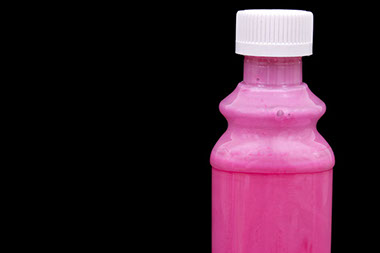
    Image of medicine in pink bottle.

    Diarrhea occurs when body wastes are discharged from the bowel more often and in a more liquid state than usual.

    Signs & Symptoms

    *  Frequent watery, loose stools.

    *  Cramping or pain in the abdomen.

    Causes

    Common causes are infections that affect the digestive system, food allergies, overuse of laxatives or alcohol, and taking some antibiotics. Diarrhea is also a symptom of lactose intolerance, diverticulitis, food poisoning, ulcerative colitis, Crohn’s disease, and irritable bowel syndrome (IBS).

    Treatment

    Self-care usually treats diarrhea. The goal is to replace lost fluids and minerals to prevent dehydration.

    Questions to Ask

    Self-Care / Prevention

    *  If vomiting is also present, treat for vomiting first.

    *  To prevent dehydration:

    – Drink plenty of water and other fluids, such as sports drinks, broths, and Kool-Aid (which usually has less sugar than soda).

    – Avoid drinks with caffeine or alcohol.

    – Avoid having high “simple” sugar drinks, like apple juice, grape juice, and sodas. These can make the diarrhea persist. Or, dilute juices and sodas with water.

    If you have signs of dehydration seek medical care. Until you get care, drink fluids:

    *  Broths and sports drinks.

    *  For children less than 2 years old, give over- the-counter mixtures, such as Pedialyte as advised by their doctors.

    *  If you breast-feed, give only as much milk as your baby wants. Feed every 2 hours.

    *  Avoid caffeine and alcohol.

    *  Choose foods that don’t upset your stomach.

    *  Do not have foods that are greasy, high in fiber, or very sweet.

    *  Avoid milk, but try yogurt that has live cultures of lactobacillus acidophilus (unless you are lactose intolerant).

    *  Follow a light diet. Eat foods that are easy to digest, such as:

    – Bananas.

    – Plain rice.

    – Boiled potatoes.

    – Toast.

    – Crackers.

    – Cooked carrots.

    – Baked chicken without the skin or fat.

    – Soups with vegetables and noodles or rice.

    *  Don’t exercise too hard.

    *  Adults can try an over-the-counter medicine, such as Imodium A-D or Pepto-Bismol. Follow the directions on the label. {Note: Stools can become black after taking Pepto- Bismol. Also, do not give aspirin or any medication that has salicylates, such as Pepto- Bismol, to anyone under 19 years of age, due to the link to Reye’s syndrome.}

    *  Wash your hands after you go to the toilet and before you prepare food. Use paper towels to dry your hands. Throw the towels away.

    Resources

    National Institute of Diabetes and Digestive and Kidney Diseases (NIDDK)www2.niddk.nih.gov

    Healthier at Home book by the American Institute for Preventive Medicine. www.HealthyLife.com. All rights reserved.

    © American Institute for Preventive Medicine