Tag: Health Conditions

  • The Aches Of Arthritis

    SELF-CARE CORNER

    Image of older women holding hand in pain.

    Feeling pain and stiffness in your joints? Wonder if it’s because you’re aging? Many people experience joint pain when they’re 45 to 50. It’s generally from arthritis-one of the most common diseases. “Arthr” means joint, and “itis” means inflammation.

    There are more than 100 types of arthritis. The most common is osteoarthritis (wear and tear on joints in the fingers, knees, and hips). And, yes, osteoarthritis can develop years after an injury to a joint.

    Rheumatoid arthritis can affect your whole body. It arises when your immune system mistakenly attacks your own joints bringing pain, swelling, stiffness, and loss of function.

    Arthritis can damage not only your joints but also internal organs and skin. Talk with your doctor about what you can do. Here are some ideas from the NIH News in Health:

    *  Try to stay at a healthy weight that’s normal for your height.

    *  Exercise. A trained health professional can show you how to move more easily if you have arthritis. Going for a walk every day will help, too.

    *  If you had a severe joint injury to a joint, protect it from getting injuried again.

    *  Don’t smoke. People who smoke are more likely to get rheumatoid arthritis, and their symptoms tend to be worse.

    *  Take your medicines when and how you are supposed to. They can help reduce pain and stiffness.

    *  Try taking a warm shower in the morning.

    © American Institute for Preventive Medicine

  • Winter Itch

    SELF-CARE CORNER

    Image of a snowman.

    All winter flakes are not made of snow. Cold weather, with its low relative humidity, wreaks havoc on your skin, making it dry and flaky. Skin dries out if it’s deprived of moisture, and this dryness often aggravates itchiness, resulting in a condition commonly referred to as “winter itch.” During the winter the air is drier, and indoor heating further robs your skin of moisture. Fortunately, there are several ways that you can replenish the water content of your skin.

    Dr. Robyn Gmyrek, a dermatologist and director of the Skin and Laser Center at New York-Presbyterian Hospital/Columbia University Medical Center, suggests the following skin advice:

    *Moisturize daily.Petrolatum or cream-based moisturizers are far better than lotions for normal to dry skin. If you have sensitive skin, choose a moisturizer without fragrance or lanolin. After bathing, apply moisturizer directly to your wet skin to ensure that the moisturizer can help to trap surface moisture.

    *Limit the use of hot water and soap.If you have “winter itch,” take short lukewarm showers or baths with a non-irritating, non-detergent-based cleanser. Immediately afterward, apply a thick cream or a petroleum-jelly-type moisturizer. Gently pat skin dry.

    *Humidify.Dry air can pull the moisture from your skin. Room humidifiers can be very helpful. However, be sure to clean the unit and change the water according to the manufacturer’s instructions to reduce mold and fungi.

    *Protect yourself from the wind.Cover your face and use a petrolatum-based balm for your lips.

    *Protect your skin from the sun.Remember that winter sun can also be dangerous to the skin. Even in the winter months you should use a sunscreen with a sun-protection factor of 15 or greater if you will be outdoors for prolonged periods.

    *Avoid winter tanning.Tanning beds and artificial sunlamps are always damaging to your skin and increase your risk of skin cancer.

    *Take vitamin D supplements.During the summer months your natural vitamin D production increases due to daily sun exposure, but when winter rolls around that exposure decreases. Taking vitamin supplements can ensure that you are getting the recommended amounts of vitamin D all year.

    © American Institute for Preventive Medicine

  • Back Care

    Bone & Muscle Problems

    Back pain can be sharp, dull, acute, or chronic. It can be felt on one or both sides of the back.

    Causes

    Low Back Problems

    Back pain occurs most often in the lower back. That is where the human body absorbs the most weight and stress. About half of working age adults have low back problems. Having an acute low back problem means lower back or back-related leg symptoms for less than 3 months. About 90 percent of persons with acute low back problems resume normal activity within a month with or without medical treatment. Often, acute low back pain goes away on its own in a few days or weeks.

    Sprains and Strains

    A sprain is an injury to a ligament (fibrous tissue that connects bones). A strain is an injury to a muscle or tendon (tissue that connects muscle to bone). Most backaches come from strained muscles in the lower back or from sprained ligaments that support the spine.

    Poor Posture

    People who slouch put strain on their backs. Poor posture can cause back pain and limit recovery efforts. The back has three natural curves: one at the neck, one at the middle back, and one at the lower back. A healthy spine and flexible muscles support the spine and keep the body in proper alignment. With good posture, all three curves are balanced and the ears, shoulders, and hips are aligned.

    Lack of Exercise

    Muscles that aren’t worked out regularly are more prone to injury. Do whole body exercises, such as swimming and/or walking. Do exercises that stretch and strengthen your back, too.

    Excess Weight

    Ten extra pounds of body weight puts 30 pounds of strain on the lower back. Being very overweight increases the weight on the spine, putting increased pressure on the discs in the spine. The discs allow the vertebrae to move more smoothly.

    Stress

    Stress can worsen back pain that already exists. Back spasms may even be caused by worries and fatigue. These exercises can help reduce stress:

    *  Sit comfortably. Breathe deeply. Tighten and relax each muscle of your body from head to toe. Hold each muscle tight for five seconds and then relax.

    *  Picture relaxing scenes and go there in your mind.

    Other Causes of Back Pain

    *  Arthritis

    *  Back injury, such as from a fall or an accident

    *  Fibromyalgia

    *  Kidney stones

    *  Infections (bladder, kidney, lung, etc.)

    *  Osteoporosis

    *  Ruptured disc or other mechnical problem in the spine

    *  Sciatica. This is inflammation of the sciatic nerve. This nerve starts in the lower spine and goes down the back of the legs.

    Prevention

    When You Lift Things

    Do’s

    *  Wear good shoes (not sandals) with low heels.

    *  Stand close to the object.

    *  Plant your feet squarely, shoulder width apart.

    *  Bend at the knees, not at the waist. As you lift, slowly straighten your knees.

    *  Hold the object close to your body.

    *  Lift slowly. Let your legs carry the weight.

    *  Get help or use a dolly to move something that is too big or very heavy.

    Don’ts

    *  Don’t lift an item that is too heavy. Get help or use a mechanical lifting device.

    *  Don’t lift anything heavy if you’re not steady on your feet.

    *  Don’t bend at the waist to pick something up.

    *  Don’t arch your back when you lift or carry.

    *  Don’t lift too fast or with a jerk.

    *  Don’t twist your back when you are holding something. Turn your whole body, from head to toe.

    *  Don’t lift something heavy with one hand and something light with the other.

    *  Don’t try to lift one thing while you hold something else. For example, don’t pick up a child while you are holding a grocery bag. Put the bag down and lift the bag and the child together.

    When You Reach for Things

    Do’s

    *  Get close to the object you are reaching for.

    *  Use a sturdy step stool or a ladder to reach higher than your shoulders. Or use a tool made for reaching things.

    *  Tighten your stomach muscles.

    *  Let your arms and legs do the work.

    *  Turn your whole body to move the object.

    Don’ts

    *  Don’t stretch your back or overstretch your arms to reach an object.

    *  Don’t twist your upper body.

    When You Sit

    Do’s

    *  Sit on chairs that are low enough so both of your feet are flat on the floor or use a footrest. Keep your knees level with your hips.

    *  Sit against the back of the chair.

    *  Use a lumbar support or rolled towel for lower back support.

    *  Take frequent mini-breaks to walk, stretch, and change your activity.

    Don’ts

    *  Don’t slouch.

    *  Don’t lean forward and arch your back in a chair that’s too high or too far from your desk.

    When You Sleep

    Do’s

    *  Sleep on a firm mattress or surface.

    *  Get comfortable when you lie down or sleep.

    *  If you sleep on your back, keep your upper back flat, but your hips and knees bent. Keep your feet flat on the bed. Tip your hips down until you find the best spot. Put a pillow under your knees if that feels good to you.

    *  If you sleep on your side, keep your knees bent. Put a pillow between your knees.

    *  When you get up from bed, move slowly, roll on your side and swing your legs to the floor. Push off the bed with your arms.

    Don’ts

    *  Avoid soft, sagging mattresses.

    *  Don’t sleep on your stomach.

    When You Walk or Stand

    Do’s

    *  When standing for long periods, prop one foot up.

    *  Shift your weight from one foot to the other.

    *  When standing and walking, keep all 3 curves of the back balanced and the ears, shoulders, and hips aligned.

    *  Wear low-heeled, comfortable shoes.

    *  Use proper posture. (Head high, chin tucked, and toes straight ahead.)

    Don’ts

    *  Don’t stay in one position too long.

    *  Don’t bend forward when your legs are straight.

    *  Don’t walk with poor posture.

    *  Avoid high-heeled or platform shoes.

    When You Drive

    Do’s

    *  Keep your knees level with your hips. Adjust the car seat forward, if you need to.

    *  Sit up straight and keep both hands on the wheel.

    *  Use a lumbar support or rolled towel for lower back support.

    Don’ts

    *  Don’t sit too far from the wheel. Stretching for the pedals and steering wheel strains the back.

    If you are overweight, lose weight.

    *  Get regular physical activity.

    *  Stretch before and after you exercise or work.

    *  Don’t smoke. If you smoke, quit. Smoking increases the risk of osteoporosis. It also slows the healing of damaged disks of the spine.

    *  Reduce emotional stress that causes muscle tension. Learn to deal with stress.

    – Several times a day, do a “body check” for tensed muscles and let them relax.

    – Balance work and play. Plan some “me” time.

    – Do relaxation and deep breathing exercises. Do yoga, tai chi, or meditate.

    – Seek professional help for stress, if needed.

    Back Exercises

    You can help improve a bad back, maintain a healthy back, and decrease your risk of back injury by exercising your back. Contact your doctor or health care provider before you start a new exercise program. Start slowly. Stop if pain increases.

    Ask your health care provider about other back exercises. Ask, too, about an aerobic exercise program, such as walking, running, swimming, or biking.

    Do back exercises for 15 minutes a day, 3 to 5 times a week.

    Pelvic Tilt

    This strengthens front and back muscles and helps prevent swayback. Lie on your back with knees bent. Keep your feet flat on the floor. Breathe slowly and deeply. Rest your arms at your sides. Get comfortable and relaxed. Tighten your stomach muscles so the small of your back is flat on the floor. Next, begin to tighten the buttock muscles. Tilt the hips or pelvis upward, and relax. Hold for a count of 5. Repeat 5 times.

    Knee-to-Chest Raise

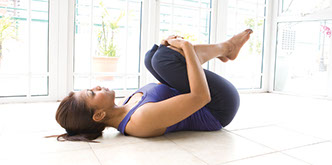
    Image of women doing a knee-to-chest raise.

    This limbers up a stiff back. Lie on your back with knees bent, feet flat on the floor. Breathe deeply. Get comfortable and relaxed. Raise your right knee to your chest and grasp it with both arms. Hug your knee in order to feel a slight stretching in the lower back region. Hold for a count of 5. Do this 5 times. Repeat with your left leg. Repeat with both legs. Be careful not to arch your back. Don’t use your arms to lift your legs.

    Image of women doing a spinal stretch.

    Spinal Stretch

    This increases flexibility of the spinal column. Stand erect and raise both hands over your head. Stretch towards the ceiling. Focus on your upper body. Use your arms, hands, and fingers to reach upward as though you were being pulled upward. Keep your feet flat on the floor. Hold for a count of 5.

    Curl Up

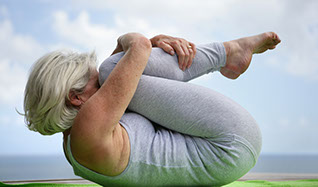
    Image of women doing a curl up.

    This strengthens the lower back. Lie on your back while on a firm surface. Slowly bring both knees to your chest and bring your chin forward to your chest. Your arms should be extended straight at your sides. Hold for a count of 5. Gradually return to your starting position.

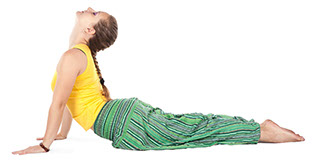
    Elbow Props

    These strengthen low back muscles and help maintain the normal curve of the lower back. Lie on your stomach. Turn your head to one side. Relax your arms at your sides. Relax like this for 3 minutes. Prop up on your elbows with your head facing forward. Keep your lower back completely relaxed and flat. Hold this position for 2 minutes. Return to the starting position for 1 minute. Repeat 3 times.

    Sitting Hamstring Stretch

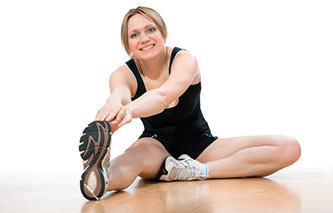
    Image of a women doing a sitting hamstring stretch.

    This warms up and limbers the back muscles and stretches the hamstring muscles. Sitting on the floor, stretch your right leg out directly in front of you. Place your left foot under your right knee. The toes of your right leg should be pointed upward. Slowly reach forward to grasp the tips of your right toes. Be careful to bend over from the hip. Hold for a count of 10. Repeat 5 times. Then switch leg positions.

    Treatment for Low Back Pain

    Continue your regular activities as much as you can. Back muscles can get weak if you don’t use them. Rest your back, if you must, but don’t rest in bed for more than 1 to 2 days, even if your back hurts a lot. Bed rest should only be used for persons with severe limitations (due mostly to leg pain).

    {Note: Before you seek treatment for back pain on your own, check with your doctor or health care provider. Discuss the benefits and risks for treatments, such as spinal manipulation, different forms of massage, and herbal remedies.}

    Medication

    *  Over-the-counter (OTC) pain relievers. Examples are acetaminophen, aspirin, ibuprofen, ketoprofen, and naproxen sodium. These relieve back pain, but only for a short time. All but acetaminophen also reduce swelling and are called NSAIDs+. This stands for nonsteroidal anti-inflammatory drugs.

    *  Prescribed NSAIDs+ and other medicines, such as muscle relaxants.

    + NSAIDs can cause stomach upset, indigestion, and ulcers in the stomach and intestines. Discuss the benefits and risks of taking NSAIDs, as well as other medicines, with your doctor.

    Cold Treatment

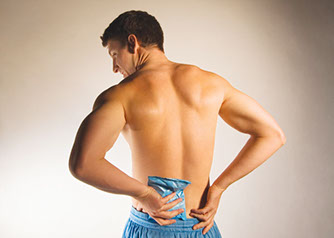
    Image of man holding a cold pack on lower back.

    Injury to the back can cause blood vessels to tear. This leaves a bruise. Cold inhibits bruising and swelling and numbs pain. Cold packs, like crushed ice wrapped in a towel, can help. Apply a cold pack for 5 to 10 minutes at a time, several times a day. For best results, lie on your back with your knees bent and place the ice pack under your lower back. Start right after a back strain. Do this for 10 minutes every 2 hours for the first 48 hours.

    Heat Treatment

    Image of women in a hot tub.

    Unlike cold, heat increases blood flow to the affected area. This promotes healing. Wait at least 48 hours after back symptoms start to apply heat. If heat is  used sooner, the increased blood flow can add to the swelling. Heat can be applied with moist heating pads,  hot-water bottles, hot compresses, hot tubs, and hot baths or showers. Use heat for 10 minutes at a time. Do this several times a day.

    Massage

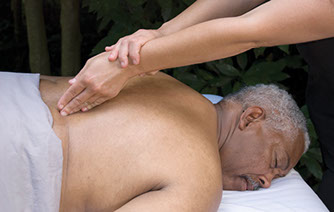
    Image of a man getting a massage.

    Massage won’t cure a backache. It can increase blood flow to tight muscles and loosen them.

    Braces or Corsets

    Braces and corsets support the back and keep you from moving it too much. They won’t make your back stronger, though.

    Medical Care

    Reasons to Get Immediate Medical Care

    *  Back pain spreads to the chest, neck, arm, or lower jaw.

    *  The pain started in the chest and moved to the upper back.

    *  The pain follows a fall or impact injury to the back.

    *  Back pain occurs with passing out, lightheadedness, or difficulty with balance or coordination.

    *  You can’t move due to the pain or it is hard to move an arm or a leg after a fall or back injury.

    *  A new loss of bowel or bladder control occurs with back pain.

    *  Back pain occurs with severe abdominal or pelvic pain.

    *  A “tearing” type of pain is felt in the back or a pulsating mass is felt in the abdomen.

    *  Loss of sensation is felt in the rectal area.

    Reasons to Contact a Doctor

    *  Severe back pain occurs for more than 7 days or the pain travels down a leg below a knee.

    *  Weakness, numbness, or tingling in the feet or toes occurs with back pain.

    *  Back pain occurs with: Pain, burning, or itching when you urinate; increased urge to urinate;  urinating often; foul-smelling urine; or blood in the urine.

    *  An unusual discharge from the vagina or urethra occurs with back pain.

    *  A sharp pain is felt in a buttock and may spread to the thigh, knee, or foot.

    *  Back pain occurs with: A fever; nausea or vomiting; a skin rash; or mild to moderate abdominal or pelvic pain.

    *  Pain increases with moving, coughing, lifting, or straining.

    Resources

    National Institute of Arthritis and Musculoskeletal and Skin Diseases (NIAMS)

    877.22.NIAMS (226.4267)

    www.niams.nih.gov
    Back Care brochure by the American Institute for Preventive Medicine. www.HealthyLife.com. All rights reserved.

    © American Institute for Preventive Medicine

  • Choking

    First Aid

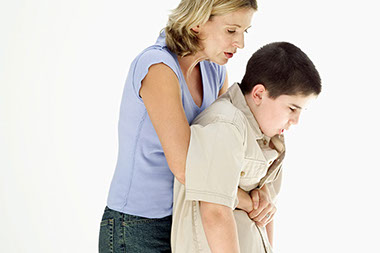
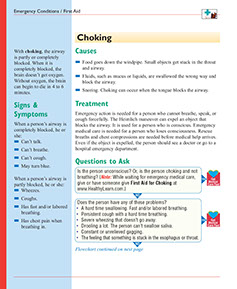
    Image of an adult women giving the heimlich maneuver to a child who's choking.

    With choking, the airway is partly or completely blocked. When it is completely blocked, the brain doesn’t get oxygen. Without oxygen, the brain can begin to die in 4 to 6 minutes.

    Signs & Symptoms

    When a person’s airway is completely blocked, he or she:

    *  Can’t talk.

    *  Can’t breathe.

    *  Can’t cough.

    *  May turn blue.

    When a person’s airway is partly blocked, he or she:

    *  Wheezes.

    *  Coughs.

    *  Has fast and/or labored breathing.

    *  Has chest pain when breathing in.

    Causes

    *  Food goes down the windpipe. Small objects get stuck in the throat and airway.

    *  Fluids, such as mucus or liquids, are swallowed the wrong way and block the airway.

    *  Snoring. Choking can occur when the tongue blocks the airway.

    Treatment

    Emergency action is needed for a person who cannot breathe, speak, or cough forcefully. The Heimlich maneuver can expel an object that blocks the airway. It is used for a person who is conscious. Emergency medical care is needed for a person who loses consciousness. Rescue breaths and chest compressions are needed before medical help arrives. Even if the object is expelled, the person should see a doctor or go to a hospital emergency department.

    Questions to Ask

    Self-Care / First Aid

    First Aid for Choking When Able to Breathe and Speak (or an infant or child can cry)

    *  Cough to clear the airway.

    *  Take a slow, deep breath to get a lot of air into the lungs.

    *  Give a deep, forceful cough. Breathe in deeply enough to be able to cough out 2 or 3 times in a row before taking a second breath.

    *  Don’t slap a person on the back. Doing this can drive the object down deeper.

    *  Have the person sit or stand. Bending forward may cause the object to fall against the vocal cords. Get emergency care right away!

    Prevention

    *  Chew all foods well before swallowing. Eat at a slow pace.

    *  Limit alcoholic drinks before you eat. This lessens the chance of swallowing large pieces of food.

    *  If you wear dentures, make sure they fit well. Since your mouth sensation is lessened, you are at a higher risk of choking. Eat slower. Chew food more thoroughly.

    *  Try not to laugh and eat at the same time. Laughing can draw food into the windpipe.

    *  Don’t run or play sports with objects in the mouth.

    *  For children under 5 years old, cut hot dogs, sausages, seedless grapes, and caramels into small pieces before you give these to them. And don’t give them nuts; popcorn; foods with pits, (e.g., cherries); gum (especially bubble gum); hard candy, throat lozenges, and cough drops.

    *  Don’t let your child chew or suck on rubber balloons or pieces of them.

    *  Keep small, solid objects, such as paper clips, away from children 3 years old and younger. Make sure, too, that they don’t get toys that have small parts, such as eyes on stuffed animals, game pieces, dice, etc. A young child should not play with any object smaller than his or her closed fist.

    *  Put childproof latches on cupboards that have harmful items.

    *  Store all medicines and vitamins out of children’s reach and in containers with childproof lids. Keep these items in locked cabinets, if needed.

    *  Remove plastic labels and decals from baby walkers and other kiddy furniture before children can peel them off.

    Healthier at Home book by the American Institute for Preventive Medicine. www.HealthyLife.com. All rights reserved.

    © American Institute for Preventive Medicine

  • Diverticulosis & Diverticulitis

    Abdominal & Urinary Conditions

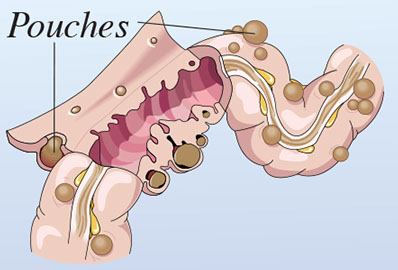
    Illustration of diverticulosis in colon.

    Diverticulosis in Colon

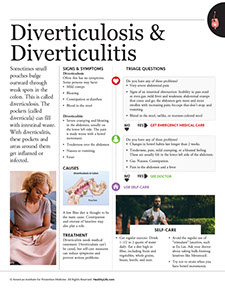
    Sometimes small pouches bulge outward through weak spots in the colon. This is called diverticulosis. The pockets (called diverticula) can fill with intestinal waste. With diverticulitis, these pockets and areas around them get inflamed or infected.

    Signs & Symptoms

    For Diverticulosis

    Often this has no symptoms. Some persons may have:

    *  Mild cramps.

    *  Bloating

    *  Constipation.

    *  Blood in the stool.

    For Diverticulitis

    *  Severe cramping and bloating in the abdomen, usually on the lower left side. The pain is made worse with a bowel movement.

    *  Tenderness over the abdomen.

    *  Nausea.

    *  Fever.

    Causes

    A low fiber diet is thought to be the main cause. Constipation and overuse of laxatives may also play a role.

    Treatment

    Diverticulitis needs medical treatment. Diverticulosis can’t be cured, but self-care measures can reduce symptoms and prevent serious problems.

    Questions to Ask

    Self-Care / Prevention

    *  Get regular exercise. Drink 1-1/2 to 2 quarts of water daily. Eat a diet high in fiber, but avoid foods that bother you (e.g., corn, nuts, etc.).

    *  Avoid the regular use of “stimulant” laxatives, such as Ex-Lax. Ask your doctor about taking bulk-forming laxatives like Metamucil.

    *  Try not to strain when you have bowel movements.

    Healthier at Home book by the American Institute for Preventive Medicine. www.HealthyLife.com. All rights reserved.

    © American Institute for Preventive Medicine

  • What Your Fingernails Reveal About Your Health

    Skin Conditions

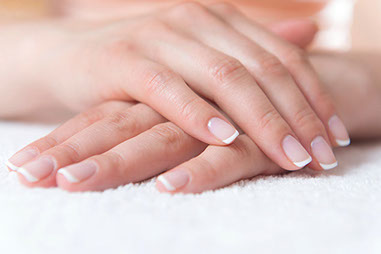
    Image of fingernails.

    You may see your hands hundreds of times a day, but do you ever examine them? Probably not. Yet taking a closer look – especially at our fingernails – may not be a bad idea. They’re a good indicator of overall health.

    Spoon-shaped nails, for example, may simply be an inherited trait – or they can be a clue to a thyroid deficiency or iron deficiency anemia. Nails that have no “moon” or white crescent at the base and are thin and brittle might indicate an underactive thyroid. Still other changes – like brittleness or pitting – may be signs of other nutritional deficiencies or injury to the nail bed. While no one can diagnose a health problem on the basis of nail irregularities only, the table on next page may tip you off to possible health problems. (Consult your doctor if you see any significant changes in your nails.)

    Barring any medical explanation for nail problems, the following tips can help your nails look healthier and more attractive.

    *  Eat a well-balanced diet that includes plenty of fresh fruits and vegetables, whole grains, lean meats, and low-fat dairy products.

    *  Wear gloves when you do household chores or hobbies to avoid contact with detergents or harsh chemicals that can dry or damage nails.

    *  Clean nails with a nail brush, especially if you garden or work with messy materials. Clip cuticles and rough skin to prevent tears. File nails in one direction only. Use an emery board, not a metal nail file.

    *  Don’t use your nails as tools, such as to remove staples. If you polish your nails, use polish remover sparingly.

    Nail Symptoms and What They Could Mean

    Brittleness: Frequent immersion in hot water; generally poor health; impaired circulation; possible deficiency of vitamins A, C, B6, or niacin, deficiency of calcium or iron; thyroid deficiency

    Clubbing: Chronic lung disease or lung cancer; congenital heart disease; congenital or hereditary defect

    Pitting (may be normal): Eczema; psoriasis; trauma

    Ridges: Emphysema; heredity; kidney failure; old age; rheumatoid arthritis, traumas

    Separation (when nail plate lifts off nail bed): Allergy to nail lacquer and hardeners; fungal infection; iron deficiency anemia; pregnancy; psoriasis; trauma

    Splitting at top edge: Immersion in water for long periods, nail polish removers

    Spoon shaped: Thyroid deficiency; iron deficiency anemia

    A Year of Health Hints book by the American Institute for Preventive Medicine. www.HealthyLife.com. All rights reserved.

    © American Institute for Preventive Medicine

  • Guard Against Macular Degeneration

    Mature Health: Over Age 50

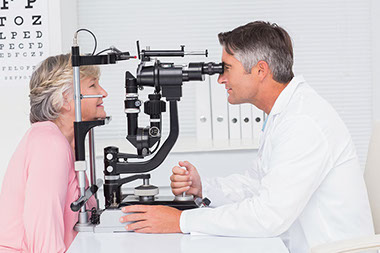
    Image of mature women receiving an eye exam.

    Macular degeneration is the leading cause of central vision loss for those over 55 years of age. The central part of the retina (the macula) deteriorates, leading to loss of “straight ahead” vision. One or both eyes can be affected. If you are 50 years of age or older, ask your eye doctor to check for macular degeneration at routine vision exams. Ask, too, for a simple home screening device that lets you check for signs of macular degeneration on your own.

    To reduce the risk for macular degeneration:

    *  Keep your blood pressure at a normal level.

    *  Maintain a healthy weight.

    *  Don’t smoke. If you smoke, quit.

    *  Protect your eyes from the sun’s harmful ultraviolet rays. Wear sunglasses with UV block. Wear a wide-brimmed hat.

    *  Talk to your doctor about taking a high dose vitamin and mineral supplement to reduce the risk of advanced age-related macular degeneration.

    A Year of Health Hints book by the American Institute for Preventive Medicine. www.HealthyLife.com. All rights reserved.

    © American Institute for Preventive Medicine

  • How Aging Affects Digestion

    Abdominal & Urinary Conditions

    Image of elderly man.

    As you age, your digestive muscles move slower. Your body makes less acid. Other things can hamper the digestive system, too. These include:

    *  Increased use of medicines

    *  Getting less exercise

    *  Changes in eating habits

    *  Dental problems

    *  Loss of muscle tone and elasticity. This could be a factor in hiatal hernias and diverticulosis, which are common in persons as they get older.

    Health at Home Lifetime book by the American Institute for Preventive Medicine. www.HealthyLife.com. All rights reserved.

    © American Institute for Preventive Medicine

  • Memory Loss

    Brain & Nervous System

    With short-term memory loss, you can’t recall things learned in the past seconds to minutes. With long-term memory loss, you forget things learned in the distant past, such as in childhood. It is normal to have some memory loss as you age. It is common to forget where you put your eyeglasses or keys. You may have a hard time recalling the name of a person or place, and say, “It is on the tip of my tongue.” This memory loss is temporary and not severe. When it persists or interferes with your daily life, it can be a sign of a problem.

    Signs & Symptoms

    Signs and symptoms of serious memory loss, such as amnesia, depend on the cause. The memory loss can be partial or complete. It can occur for a short time or persist. It can also come on suddenly or slowly.

    Causes

    Other than the normal memory loss that comes with aging, causes include:

    *  Depression.

    *  Excess alcohol. Drug use.

    *  Side effects of some medicines.

    *  Alzheimer’s disease and other forms of dementia. Dementias result in a decline of all areas of mental ability. This includes learning, problem solving, language, behaviors, and memory loss.

    *  Mild cognitive impairment. This is a medical illness. With this, people have abnormal memory for their age and education. They have a harder time learning new information or recalling things.

    *  Posttraumatic stress disorder.

    *  Seizures. Head trauma.

    *  Stroke.

    *  Brain infections or tumors.

    Treatment

    Memory loss that persists, is severe, or that interferes with daily life needs a medical diagnosis. When another problem is the cause and is treated with success, memory loss improves. For other causes, such as Alzheimer’s disease, there is no cure. The goal is to treat symptoms and provide safety and comfort.

    Questions to Ask

    Self-Care / Prevention

    To Help Prevent Memory Loss

    *  Keep the brain active. Read, do puzzles, etc.

    *  Eat a balanced diet. Take vitamins and minerals, as advised by your doctor.

    *  Get regular exercise.

    *  Protect the head from injury.

    *  Follow tips under Prevention for Stroke (Brain Attack).

    *  Don’t smoke or use illegal drugs. Limit alcohol.

    *  Manage stress.

    *  Get regular eye exams. Get your hearing checked. If needed, wear eyeglasses and/or a hearing aid.

    To Help Remember Things

    *  Follow a routine for daily and weekly activities.

    *  Listen carefully. Link newly learned things to past memories.

    *  Repeat what you want to remember out loud. Write it down if you need to.

    *  Keep track of important things to do, phone numbers, etc. Use a calendar, planner, PDA, etc.

    *  Set up a system to remind you of daily medications to take, bills to pay, appointments to keep, etc.

    *  Put your keys, eyeglasses, etc. in the same place.

    Healthier at Home book by the American Institute for Preventive Medicine. www.HealthyLife.com. All rights reserved.

    © American Institute for Preventive Medicine

  • See The Light In Healthy Ways

    Eye Conditions

    Women wearing sunglasses with a huge smile.

    *  Compact fluorescent light bulbs (CFLs) uses 75% less energy and last 10 times longer than incandescent bulbs, but contain tiny amounts of mercury. Recycle them according to your state’s guidelines. To safely dispose of a broken CFL, follow EPA guidelines fromepa.gov/hg.

    *  Wear eyewear that protects your eyes from ultraviolet (UV) light when it is sunny and even on cloudy days. Choose sunglasses that block 99 to 100% of both UVA and UVB rays.

    *  Wear a wide-brimmed hat during outdoor activities.

    *  Open blinds and curtains to let daylight fill rooms during the day.

    *  Install a skylight or solar panels for light and warmth and to save on cooling, heating, and lighting costs.

    *  Turn off lights when not in use. Install motion sensors, timers, and task lighting to save on light usage. One to two hours before bedtime, dim the lights.

    *  Wear protective eyewear during sporting events. Before mowing the lawn, look for and remove debris.

    Health at Home Lifetime book by the American Institute for Preventive Medicine. www.HealthyLife.com. All rights reserved.

    © American Institute for Preventive Medicine