Tag: Health Conditions

  • Take Control Of Your Health

    General Health Conditions

    Man jogging with his dog.

    It’s easy to complain, make excuses, list a million reasons why you can’t lose weight or get fit. Take control by changing the way you think about your health. Don’t let excuses hold you back.

    Action Step:Make a date with family members to walk after dinner – every night. Those left behind have to do the dishes.

    Health at Home Lifetime book by the American Institute for Preventive Medicine. www.HealthyLife.com. All rights reserved.

    © American Institute for Preventive Medicine

  • 4 Ways To Help Others With Diabetes

    MEDICAL NEWS

    Image of man holding a sign that says 'sugar free.'

    Diabetes affects millions of Americans. Although diabetes can be challenging, it can also be managed with proper health care.

    People with diabetes often need to change the way they eat and may need to exercise more and make other lifestyle changes. These changes can be hard for many people. But support from family and friends can make these things easier for them.

    If you have a loved one with diabetes, try supporting them with these tips.

    1.Learn about diabetes.If you understand the disease, you’ll be able to better understand what they’re going through. Use reputable sources like government health websites and the American Diabetes Association.

    2.Eat what they eat.Talk with your loved one about their diabetes eating plan, and buy foods they can eat. Avoid buying or eating foods that are “off limits” for them. This makes their diet easier and can also help improve your own health!

    3.Try exercising together.Walks, swimming, bike rides and trips to the gym can be more enjoyable with another person. Be sure the exercises you choose are safe for both of you, and ask your doctor first if you have any health conditions.

    4.Recognize signs of a problem.Get to know the signs and symptoms of blood sugar that is too high or too low (see sidebar on this page). You’ll be able to help your loved one get the help they need if this happens.

    Recognize blood sugar problems

    Signs of low blood sugar (hypoglycemia):

    *  Sudden mood changes or anger

    *  Feeling very tired, yawning

    *  Sweating or twitching

    *  Loss of coordination

    *  Inability to talk or think clearly

    *  Seizures

    *  Feeling faint or passing out

    If you notice signs of low blood sugar, offer the person a piece of sugary candy and take them to the emergency room. Or call 911.

    Signs of high blood sugar (hyperglycemia):

    *  Feeling very thirsty

    *  Extreme fatigue

    *  Blurred vision

    *  Having to urinate more than normal

    If a person is having high blood sugar too often, they should call their doctor right away. It needs medical attention.

    © American Institute for Preventive Medicine

  • Cautions About Sinus Rinsing

    SELF-CARE CORNER

    Image of blue neti pot used to rinse nasal passages.

    Little teapots with long spouts have become a fixture in many homes for reasons that have nothing to do with tea.

    Called neti pots, they are used to rinse the nasal passages with a saline (salt-based) solution and have become a popular treatment for congested sinuses, colds and allergies, and for moistening nasal passages exposed to dry indoor air.

    The FDA has concerns about the risk of infection tied to the improper use of neti pots and other nasal rinsing devices. The agency is promoting safe practices for using all nasal rinsing devices, which include bulb syringes, squeeze bottles, and battery-operated pulsed water devices.

    These devices are generally safe and useful products, but they must be used and cleaned properly.

    Most important is the source of water that is used with nasal rinsing devices. Tap water that is not filtered, treated, or processed in specific ways is not safe for use as a nasal rinse.

    Some tap water contains low levels of organisms, such as bacteria and protozoa. These include amoebas, which may be safe to swallow because stomach acid kills them. But these “bugs” can stay alive in nasal passages and cause potentially serious infections, according to the CDC.

    The procedure for nasal rinsing may vary slightly by device, but generally involves these steps:

    *  Wash and dry hands. Check that the device is clean and completely dry. Wash the device with distilled, sterile, or boiled and cooled tap water. Then dry the inside with a paper towel or let it air dry between uses.

    *  Use the appropriate water to prepare the saline rinse, either with the prepared mixture supplied with the device, or one you make yourself with distilled or sterile water, which you can buy in stores. The label will state “distilled” or “sterile.” Boiled and cooled tap water-boiled for 3 to 5 minutes, then cooled until it is lukewarm may be used. Previously boiled water can be stored in a clean, closed container for use within 24 hours. Or use water passed through a filter with an absolute pore size of 1 micron or smaller, which traps potentially infectious organisms. CDC has information on selecting these filters, which you can buy online or from some hardware and discount stores.

    *  Lean over a sink, tilt your head sideways with your forehead and chin roughly level to avoid liquid flowing into your mouth.

    *  Breathe through your open mouth.  Insert the spout of the saline-filled container into your upper nostril so that the liquid drains through the lower nostril.

    *  Clear your nostrils, and then repeat the procedure, tilting your head sideways, on the other side. Some people like to do this procedure in the shower.

    Nasal rinsing can remove dirt, dust, pollen and other debris, as well as help to loosen thick mucus. It can also help relieve nasal symptoms of allergies, colds and flu.

    © American Institute for Preventive Medicine

  • How To Stop A Nosebleed

    SELF-CARE CORNER

    Image of man using a nasal spray.

    When the furnace fires up and the humidity drops, the nose is most at risk. Nosebleeds can range from a simple, brief annoying amount of bleeding to life-threatening bleeding, according to Dr. Peter Shepard, an ear, nose, and throat expert.

    The nose has a collection of blood vessels called Kiesselbach’s plexus. This area is located at the front of the septum, the cartilage that divides the nose. Vessels from several different main trunks all meet in this spot and are very close to the surface. This is also the area of the nose that tends to dry out the most.

    If the surface cracks, the vessels will bleed. The size of the vessels determines how bad the bleeding is. People are more at risk if they have high blood pressure, take blood thinners, use oxygen, or have a deviated nasal septum.

    The best treatment for nosebleeds is avoiding them in the first place. Unless you can take an extended trip to Hawaii, you’ll want to work on improving the humidity inside your nose.

    Apply Vaseline at the front of your nostril twice a day. Saline spray can be kept with you and used throughout the day.

    If you do have a bleed, a few simple things will usually stop it.

    *  Apply pressure by squeezing the soft part of the nose between your thumb and index finger. Lean forward so you don’t swallow any blood (do not hold your head back, as some suggest).

    *  If that is not enough, oxymetazoline (Afrin) nasal spray can be a miracle drug for nosebleeds. It is a decongestant but works for nosebleeds since it causes blood vessels to tighten. Blow the blood out of the nose, spray twice, and then apply pressure for 15 minutes.

    *  If the bleeding won’t stop, go to the emergency room.

    © American Institute for Preventive Medicine

  • Prevent Vision Loss

    SELF-CARE CORNER

    Image of older man getting an eye exam.

    Glaucoma is a leading cause of irreversible blindness. When glaucoma is treated in its early stages, vision loss can be prevented. Yet studies show that more than half of people with glaucoma don’t use their medications properly.

    The American Academy of Ophthalmology offers this advice:

    *Be honest with your eye doctor about your medication difficulties.Missed a dose? It may not seem to matter much, but research shows that skipping doses can cause your glaucoma to become more severe. Ask about the best way to make up for a missed dose and how to manage your medications.

    *Use memory aids.The most common reason for not taking eye drops is forgetfulness. Try simple memory aids like linking your eye drop schedule to other things you do routinely such as brushing your teeth. Mark times you take your medication on a calendar. Set an alarm on your smartphone.

    *Perfect the “pocket.”Giving yourself eye drops can be challenging. In fact, research has shown that nearly 30% of people taking glaucoma medication are not properly applying their eye drops. Gently pull and pinch the lower lid to make a pocket to catch your drops. Once the drops are in, close your eyes (do not blink) and apply pressure to the point where the lids meet the nose for 2 to 3 minutes. Maybe a loved one can help you apply the drops at home.

    Who’s at risk for developing glaucoma?

    Risk factors include age, family history of glaucoma, African-American and Hispanic-American ancestry, diabetes, and past eye injuries. The American Academy of Ophthalmology recommends that all people get an eye exam by age 40, especially those who have a higher risk of glaucoma.

    © American Institute for Preventive Medicine

  • The Importance Of Proper Eye Care

    SELF-CARE CORNER

    Image of older women getting her eyes check by an eye doctor.

    Many people don’t think about their eyes until they start to hurt or develop a problem. But even if your eyes feel fine, they need proper care to keep them healthy. Follow the advice of the National Eye Institute:

    Get regular eye exams.

    Your doctor can recommend a schedule for you, depending on your age and other health factors. Many common eye diseases, such as glaucoma, diabetic eye disease and age-related macular degeneration, don’t have obvious symptoms. An eye exam can find these problems early, when they’re most treatable.

    Eat a healthy diet.

    Your eyes benefit from a diet rich in fruits, vegetables and omega-3 fatty acids. Talk with your doctor about the right diet for you.

    Keep them shaded.

    Wear sunglasses that have at least 99 percent UVA and UVB protection when you’re outside.

    Don’t smoke.

    Smoking hurts your health in many ways, including your sight. It increases your risk of eye problems that can lead to blindness. It’s never too late to quit. For free resources to help you quit, visitsmokefree.gov.

    Protect your eyes.

    Cover your face and eyes with goggles or a full-face mask when playing sports or doing work. Wear safety goggles when working with power tools and sharp objects. Follow your employer’s guidelines for wearing eye protection. Encourage your coworkers to do the same.

    Know your family history.

    If there are eye problems in your family, tell your doctor.

    © American Institute for Preventive Medicine

  • Yes, More Sunscreen!

    SELF-CARE CORNER

    Image of sun hat, sunglasses and sunscreen.

    Wear it. Wear plenty of it. And this summer is the first season for the new FDA regulations. Here’s what you need to know about labels and ingredients from Dr. Alan Friedman of Montefiore Medical Center.

    Water-resistant

    Sunscreens claiming to be waterproof and sweat proof are no longer on the shelves. In their place are 40- and 80-minute water-resistant sunscreens. They offer sun protection for a limited time when exposed to water. Choose the 80-minute water-resistant product and reapply after swimming or toweling off.

    Sun Protection Factor (SPF)

    Some people think that SPF measures the length of time users can be in the sun before getting sunburned. Not so. SPF defines the amount of ultraviolet B (UVB) radiation needed to cause sunburn, even while sunscreen is on. Sunscreens with SPF 2 through SPF 14 can prevent sunburn, but they provide no protection against skin cancer or premature skin aging. Such sunscreens must now carry a warning label stating, “Spending time in the sun increases your risk of skin cancer and early skin aging. This product has been shown only to help prevent sunburn, not skin cancer or early skin aging.”

    The FDA has yet to rule on whether products with SPF values higher than 50 provide extra protection compared to ones with SPF values of 50.

    For a sunscreen to reach its listed SPF, a full ounce (think of a shot glass full) needs to be applied. Recent research shows that people only apply 20-25% of this amount, unknowingly lowering the protection factor of their sunscreens. Best choice: SPF 30 or higher and plenty of it.

    Broad spectrum

    Until the final FDA requirements took effect, sunscreens were only evaluated and regulated for their ability to protect against UVB radiation, as measured by SPF. Now, sunscreens also are evaluated for their UVA protection. Sunscreens labeled as “broad spectrum” protect against both UVA and UVB radiation.

    “UVA penetrates deeper into the skin where it can accelerate skin aging and cause skin cancer. I call UVA the silent killer, because unlike UVB, it does not cause sunburns so it is hard to tell if you are getting harmful exposure,” said Dr. Friedman. “Broad spectrum sunscreen use should not be limited to beach outings or summer months. Recent research showed that the skin aging process is significantly slower among people who apply broad spectrum sunscreen daily, year round.”

    Read the ingredients

    Sunscreen companies use different mixtures of ingredients. Choose products that have a variety of sun-blocking agents. Dr. Friedman recommends selecting a sunscreen that contains several organic sun-blocking agents such as ecamsule, cinoxate, octyl salicylate, and benzophenones (oxybenzone). The different chemicals work in synergy to create greater sun protection than any one ingredient alone. Also, combining multiple agents allows companies to use less of each, which decreases the risk of any associated irritation.

    The best products also contain mineral, physical sun-blocking agents like zinc oxide and titanium oxide. In the past, these ingredients appeared chalky and left skin greasy, but newer products deliver “micronized” thinner, sheerer formulations. Products that contain talc and bentone gel prevent these ingredients from clumping, and improve cosmetic appearance.

    Look for pH stabilizers to hydrate and fortify the skin, like dimethicone, cyclomethicone, and sodium phosphate. When the skin is hydrated, its can heal and repair itself much more quickly.

    © American Institute for Preventive Medicine

  • Back Pain

    Bone & Muscle Problems

    Back side of older person holding lower back in pain.

    Back pain can be caused by many different things. The most common cause of back pain is muscle strain to the lower back.

    Using correct posture puts minimum stress on the joints. This reduces the risk of injury and osteoporosis. For correct posture, keep your ears, shoulders and hips in a straight line.  When lifting things, bend the legs, not the back.

    Backpacks that are too heavy or worn on one shoulder can cause lower and upper back pain and muscle strain on the neck and shoulders. Also, children’s backpacks should not weigh more than 10% of their body weight.

    To help prevent back pain, bend at your knees, not at the waist. Keep your back straight. Lift objects slowly. Let your legs carry the weight. Find out more about proper lifting frommedlineplus.govand search “lifting.”

    Health at Home Lifetime book by the American Institute for Preventive Medicine. www.HealthyLife.com. All rights reserved.

    © American Institute for Preventive Medicine

  • Cirrhosis: Be Kind To Your Liver

    Abdominal & Urinary Conditions

    The liver is probably the most versatile organ you’ve got. It performs many tasks, including:

    *  Producing bile (a substance that aids digestion of fats).

    *  Producing blood proteins.

    *  Helping blood clot.

    *  Metabolizing cholesterol.

    *  Maintaining normal blood sugar levels.

    *  Forming and storing glycogen (the body’s short-term energy source).

    *  Manufacturing more than 1,000 enzymes necessary for various bodily functions.

    *  Detoxifying substances such as alcohol and many drugs.

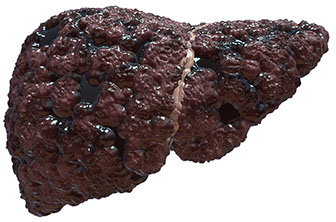
    Image of liver with cirrhosis.

    Liver with Cirrhosis

    The liver is equipped to handle a certain amount of alcohol without much difficulty. But drink too much alcohol, too often, for too long, and the vital tissues in the liver break down. Fatty deposits accumulate and scarring occurs. This is known as cirrhosis. It’s most commonly found in men over 45, yet the number of women developing cirrhosis is steadily increasing.

    To make matters worse, people who drink too much generally have poor nutritional habits. Since alcohol replaces food, essential vitamins and minerals are missing from the diet. Malnutrition aggravates cirrhosis.

    While alcohol abuse is the most common cause of cirrhosis, hepatitis, taking certain drugs, or exposure to certain chemicals can also produce this condition.

    Doctors recognize the following as signs of advanced cirrhosis.

    *  Enlarged liver.

    *  Yellowish eyes and skin, and tea-colored urine (indicating jaundice). Bleeding from the gastrointestinal tract.

    *  Itching.

    *  Hair loss.

    *  Swelling in the legs and stomach (indicating fluid accumulation).

    *  Tendency to bruise easily.

    *  Mental confusion.

    Cirrhosis can be life threatening, so get medical attention if you suspect your drinking habits may have gotten out of hand or you have any of the above symptoms. And needless to say, you (or anyone you suspect of having cirrhosis) should abstain from alcohol.

    A Year of Health Hints book by the American Institute for Preventive Medicine. www.HealthyLife.com. All rights reserved.

    © American Institute for Preventive Medicine

  • Dizziness & Vertigo

    Brain & Nervous System

    Dizziness is feeling lightheaded. It is a symptom of another condition. Vertigo is a spinning feeling. It affects the inner ear, the brain’s gravity-and-motion detector.

    Dizziness Conditions

    Heat Stroke

    Signs & Symptoms

    Sudden dizziness with:

    *  Hot, dry, red skin

    *  High fever. No sweating.

    *  Pulse that is rapid and then gets weak

    *  Exposure to very, very hot conditions

    What to Do

    Get immediate care.

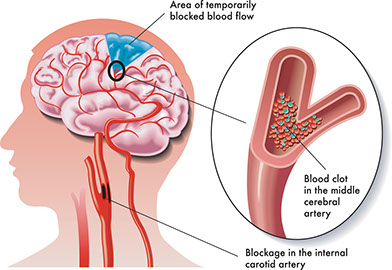
    Stroke or Transient Ischemic Attack

    Illustration on how a stroke is caused.

    Signs & Symptoms

    Dizziness with “Stroke Warning Signs

    What to Do

    Follow “Immediate Care” guideline.

    Heart Attack

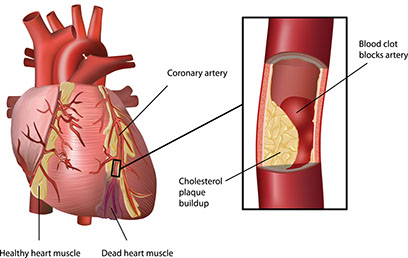
    Illustration of how a heart attack is caused.

    Signs & Symptoms

    Dizziness with “Heart Attack Warning Signs

    What to Do

    Follow “Immediate Care” guidelines

    Irregular Heartbeat

    Signs & Symptoms

    Dizziness with a heart rate greater than 130 beats per minute or less than 50 beats per minute or an irregular heart rhythm

    What to Do

    Get immediate care.

    Dehydration

    Signs & Symptoms

    Dizziness with “Signs & Symptoms” of dehydration

    What to Do

    Get immediate care.

    Intestinal Obstruction

    Signs & Symptoms

    Dizziness with:

    *  Abdominal pain and swelling that worsen

    *  Inability to pass stool or gas

    *  Vomiting

    What to Do

    Get immediate care.

    Dissecting Aortic Aneurysm

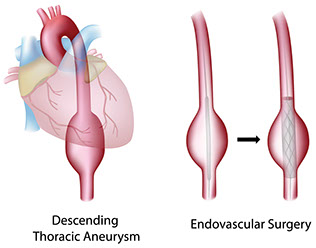
    Illstration of a descending thoracic aneurysm.

    This is a tear in the main artery from the heart.

    Signs & Symptoms

    Dizziness and fainting. Severe chest pain with extreme pain felt across the upper back (not just on one side) that came on within 15 minutes for no apparent reason, such as an injury or back strain. The pain can spread to the abdomen.

    What to Do

    Get immediate care. (Do not take aspirin.)

    Ear Infection

    Signs & Symptoms

    Dizziness with ear pain, ringing in the ear, pus or other ear discharge, fever

    What to Do

    Contact doctor.

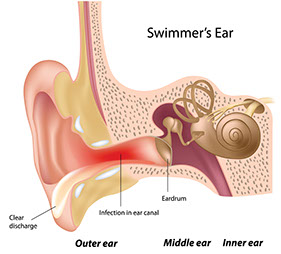
    Illustration of swimmer's ear.

    Labyrnthitis

    This is an inflammation in the ear that usually results from an upper respiratory infection.

    Signs & Symptoms

    Dizziness with:

    *  True spinning sensation

    *  Loss of balance

    *  Nausea and vomiting

    *  Ringing in the ears

    *  Jerky movements of the eye

    What to Do

    Contact doctor.

    Low Blood Sugar

    This can occur in persons taking insulin or oral pills for diabetes and/or after not eating for 4 or more hours.

    Signs & Symptoms

    Dizziness with hunger, sweating, trembling, anxiety, and confusion

    What to Do

    Use self-care.

    Temporary Drop in Blood Pressure (Orthostatic Hypotension)

    This could be a side effect of taking medicines, such as ones for high blood pressure and depression.

    Signs & Symptoms

    Dizziness when getting up too quickly from a seated or lying position

    What to Do

    Use self-care.

    Other Causes of Dizziness:

    *  Alcohol

    *  New medications, antibiotics, or high doses of aspirin

    *  A change in altitude or motion sickness

    *  Sudden movement, such as with turning the head quickly

    *  Seeing fast moving objects Treatment for dizziness depends on the cause.

    Vertigo

    Signs & Symptoms

    *  Wooziness

    *  Sense that the room is spinning

    *  Nausea

    *  Blurred vision

    *  Floating, rocking, and/or rolling feeling

    *  Sense of walking on an uneven surface

    *  Loss of balance

    Causes, Risk Factors & Care

    Vertigo is caused by a problem with the inner ear. Causes of vertigo are:

    *  Benign Positional Vertigo (BPV). This is the most common type. It may happen when you turn over in bed, get up, sit down, bend over, or just tilt your head. The sensations start within seconds of changing positions and last less than a minute. As bothersome as BPV is, it rarely signals more serious disease. Risk factors for BPV are aging, viral infections, and a prior head injury.

    *  Ménière’s disease. This condition may be due to spasms of blood vessels in the inner ear, fluid retention in the inner ear, or allergic reactions. Ménière’s disease is linked with a decrease in hearing and tinnitus. It sometimes leads to permanent hearing loss.

    *  Multiple sclerosis. With this, the covering that protects nerves (myelin) is destroyed. Over time, scar tissue (sclerosis) forms where the myelin used to be in the brain and spinal cord. Scar tissue or inflammation in the brain may cause vertigo symptoms.

    After proper diagnosis, most cases of vertigo are easily treated in the doctor’s office or at home with self-care.

    While attacks of Ménière’s disease can continue for many years, some symptoms can be controlled with medication.

    Self-Care

    For Orthostatic Hypotension:

    *  Don’t jump out of bed. Go from a lying position to a sitting position slowly. Sit on the edge of the bed a few minutes. Stand up slowly.

    *  From a sitting position, stand up slowly. Hold onto the arms of the chair or the head of the bed for support.

    *  If you feel lightheaded, sit back down for a few minutes. Take a few deep breaths. Get up again, slowly.

    For Benign Positional Vertigo (BPV):

    *  Sit on the side of the bed and lean to your right, resting the right ear on the bed. This might make you dizzy and nauseous at first.

    *  Wait 20 seconds until the dizziness stops and sit up straight.

    *  Wait another 20 seconds and repeat steps 1 and 2 on your left side.

    *  Do this exercise 10 to 15 times, 3 times a day.

    For Ménière’s Disease:

    *  Lie still in bed until the dizziness and nausea are gone.

    *  Walk with assistance.

    *  Don’t change positions too fast.

    *  Do not drive, climb ladders, or work around dangerous machinery.

    *  Decrease the amount of salt and fluids in your diet.

    *  Avoid bright lights. Do not read when you have a spinning feeling.

    *  Resume your normal activities when symptoms go away.

    *  Avoid alcohol, caffeine, and tobacco.
    Health at Home Lifetime book by the American Institute for Preventive Medicine. www.HealthyLife.com. All rights reserved.

    © American Institute for Preventive Medicine