Tag: health

  • Stress At The College Level

    SUCCESS OVER STRESS

    Image of stressed college student reading a text book.

    The American College Health Association says that 30 percent of college students feel that stress hurts their academic success. Difficult classes, important exams, internships and jobs, and social events are just a few of the issues that can cause stress for young adults. Georgetown University offers these tips for stressed out students:

    *  Avoid alcohol, smoking, and other substances. They harm the body and make you feel worse in the long-term.

    *  Rely on your friends for support or take advantage of counseling services on campus.

    *  Minimize caffeine intake and make sleep a priority. Most college students need eight hours or more per night. Stick to a regular sleep schedule.

    *  Write in a journal.

    *  Find time for fun activities, such as exercise classes or campus events.

    © American Institute for Preventive Medicine

  • Another Reason To Stop Smoking

    SELF-CARE CORNER

    Image of cigarettes butts.

    Each year Americans buy nearly 300 billion cigarettes. A vast number of those cigarette butts, including the filters, will be flicked into the environment, landing along waterways, parks, beaches, and public roads. This makes cigarettes the number one littered item in the nation, according to Legacy, the nonprofit created in the wake of tobacco lawsuits. Cigarette butts are made mostly of plastic, which can take years to decompose, and they only break up into small particles of plastic. Join a cleanup event and help build awareness around your community and workplace.

    © American Institute for Preventive Medicine

  • Sugar: Not So Sweet For Your Health

    HEALTHY EATING

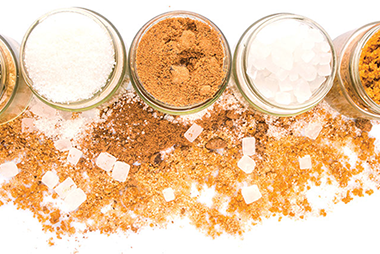
    Image of different types of sugars.

    Cookies, cake, and candy – we all know which foods are high in sugar. Or do we?

    The average American is consuming too much sugar today, and the American Heart Association says this is hurting us. Sugar is loaded with calories, which can cause weight gain and heart problems. A high-sugar diet can also be a factor in diabetes. Sugar can cause cavities and other dental problems.

    You might be surprised to find that many regular or even “healthy” foods have a lot of sugar in them. That’s why the FDA is proposing a change to the food Nutrition Facts label that would list “added sugar.”

    What is added sugar?

    Some healthy foods contain a certain amount of natural sugar. These include fruits, vegetables, dairy, and whole grains. The sugar (simple carbohydrate) naturally occurs in the food.

    On the other hand, many packaged and processed foods contain “added sugar.” This sugar has been added to improve the taste. Many things you wouldn’t suspect, like “diet” foods, soup, yogurt, crackers, and salad dressings can contain a lot of added sugar.

    How do I spot added sugar?

    Sugar can be listed by many different names in the ingredients. So, it’s hard to know how much added sugar you’re getting. Until the nutrition label change takes place, the best thing to do is look at the sugar listing on the Nutrition Facts. Keep track of how many grams are in each serving of food and add them up each day. The AHA recommends:

    *  No more than six teaspoons (25 grams) for women per day

    *  No more than nine teaspoons (37.5 grams) for men per day

    If you eat processed or packaged foods or drinks, look at the Nutrition Facts and see how much sugar each one contains. You may be surprised at how many grams of sugar you consume, even if you’ve been watching your diet. And drinks count too – fruit juice, sports drinks, and sodas are usually loaded with sugar. In fact, a 12- ounce serving of soda contains about 38 grams (nine to 10 teaspoons) of sugar.

    Many food labels don’t list the word “sugar” in the ingredients. In fact, there are more than 50 different names for sugar! These include sucrose, dextrose, maltose, corn syrup, corn syrup solids, dextrin and maltodextrin.

    © American Institute for Preventive Medicine

  • Surprisingly Simple Ways To Prevent Disease

    MEDICAL NEWS

    Image of happy man with thumbs up as he weighs himself.

    Five new studies support simple steps to prevent illness and improve overall health. The American Journal of Medicine reports the following based on multiple studies in several countries:

    *  Eating fresh fish regularly may reduce your risk of colorectal cancer.

    *  Still trying to stop smoking? Try acupuncture and hypnosis. Several studies found smokers had good success.

    *  Have your teeth cleaned regularly. Scaling removes harmful bacteria. You can reduce your risk for heart attack and stroke.

    *  Talk to your doctor about weight loss. People who were moderately obese, followed a diet plan from their doctors (not a weight loss clinic), and stuck with it at least 12 weeks, lost over 10% of their body weight.

    *  Low-dose aspirin, for people who can take it, offers preventive cancer benefits along with heart healthy help.

    © American Institute for Preventive Medicine

  • Better Health Is In Your Pocket

    SELF-CARE CORNER

    Image of doctor holding up a smart phone.

    Most people spend time every day on their smartphone or tablet. Why not put that time to good use by downloading an app that can help you improve your health? There are thousands of health apps available to suit many different health goals and personality types. Check out some of these health apps you can start using today:

    Relax Melodies by Ipnos Software(for iPhone and Android)

    Quality sleep and stress management are an important part of good health. This app lets you choose your favorite sounds to create a personalized relaxing song that helps you relieve stress and sleep better.

    Calorie Counter by MyFitnessPal(for Android)

    For those trying to make better food choices or lose weight, sometimes knowing how much you eat can make a big difference. This app allows you to track food intake and exercise with a large food database. Connect with other users for encouragement and support.

    Diet Controller by Margaret Dangerfield(for iPhone)

    This app can help you view your eating and fitness activities on your devices. Log and track your daily food intake with a USDA-based food database. Users also can create charts and reports while tracking nutrients, calories and exercise.

    Hydro Coach by Codium App Ideas(for Android) orWater App by Inspiring Life Technologies(for iPhone)

    Drinking water is an easy, healthy way to fight fatigue and may help you consume fewer calories. These apps are designed to help you track how much you’re drinking and to offer reminders when it’s time for another glass.

    Quitter’s Circle by Pfizer Inc. and the American Lung Association(for iPhone and Android)

    For those trying to quit smoking, this app allows you to create a personalized quit plan, connect with others for support, get quitting tips, and celebrate milestones.

    Hundreds of health-related apps are available today – and many of them cost less than $10. Try an app that suits your life for a high-tech way to be healthier!

    © American Institute for Preventive Medicine

  • The One Question Parents Need To Ask

    FAMILY LIFE

    Image of gun and bullets.

    Before you let your child play at another person’s house, you may ask some safety questions. For instance, you’ll probably want to know if adults are there, when they will be home, and what they will be doing.

    There’s another question that may be harder to ask, but your child’s life may depend on it: “Is there an unlocked gun in your house?”

    The American Academy of Pediatrics says half of all U.S. homes contain firearms. More than a third of all accidental shootings of children happen in the homes of friends, neighbors or relatives.

    Follow these gun safety tips to help keep loved ones safe:

    *  Never keep a loaded gun in the house or in a car.

    *  Keep guns locked up and unloaded. Lock ammunition up in a separate location. Be sure your kids can’t get the keys.

    *  Put trigger locks on all guns.

    *  Know how to operate a gun before you load it.

    *  Don’t point a gun at another person.

    *  Unload the gun before setting it down.

    © American Institute for Preventive Medicine

  • Does Stress Lead To Cancer?

    SUCCESS OVER STRESS

    Image of older female.

    Whether due to work, family or finances, most of us have felt stressed at some point in our lives. And to make matters worse, some studies have shown that stress can lead to depression, anxiety, or a weakened immune system. But can it cause cancer?

    The National Cancer Institute says no. There is no evidence that stress alone can lead to cancer. But, habits such as smoking, drinking, and eating unhealthy foods may be linked to cancer. These are often done in response to high stress events.

    Bottom line:cope with stress in healthy ways, such as exercising, deep breathing, meditation, and getting help from your doctor, if needed. Lowering your overall stress levels will help you feel your best emotionally and physically. And, don’t worry about whether the occasional stressful event may cause cancer. The experts say it won’t.

    © American Institute for Preventive Medicine