Tag: healthy

  • Age Successfully

    SELF-CARE CORNER

    Image of older couple.

    Successful aging means more than good health. It means taking charge of your personal well-being so that you can continue to live a vibrant, independent life, regardless of your age, according to Dr. Terri Ginsberg of the Institute for Successful Aging at the University of Medicine and Dentistry of New Jersey.

    “Successful aging isn’t difficult, but it does require a personal commitment to active living,” says Ginsberg. To help them age successfully, Ginsberg recommends that adults of all ages follow these “10 Resolutions for Healthy Aging:”

    1.Sleep at night.Avoid frequent daytime naps, late night snacks or watching television in bed.

    2.Eat lots of colors.Vibrantly colored fruits and vegetables on your plate mean a healthy diet that keeps your body moving.

    3.Get checked out.Catch up on any health screenings your doctor has recommended and don’t forget eye and dental check-ups.

    4.Worry less.It really is possible to “worry yourself sick.” Excessive worrying can lead to high blood pressure, digestive problems, chronic headaches and unhealthy weight gain.

    5.Stay in touch.Living alone doesn’t mean being alone. Reach out to friends, neighbors and relatives.

    6.Move more.Exercise improves heart health, and good heart health helps prevent a range of related disorders, including blood clots and depression.

    7.Read more.You can “exercise your brain” with newspapers, books, magazines or puzzles.

    8.Laugh and sing.Is there a better way to enjoy life? And both will help you to worry less.

    9.Take control.Be proactive about your own health. Ask your doctor questions about your health and for advice on positive lifestyle changes.

    10.Get involved.Local organizations of all types need volunteers. Helping others is the best tonic for feeling good about yourself.

    © American Institute for Preventive Medicine
  • Easy Snack Substitutions

    HEALTHY EATING

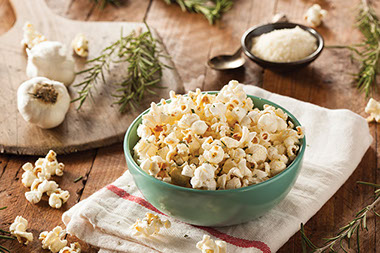
    Image of popcorn in a bowl.

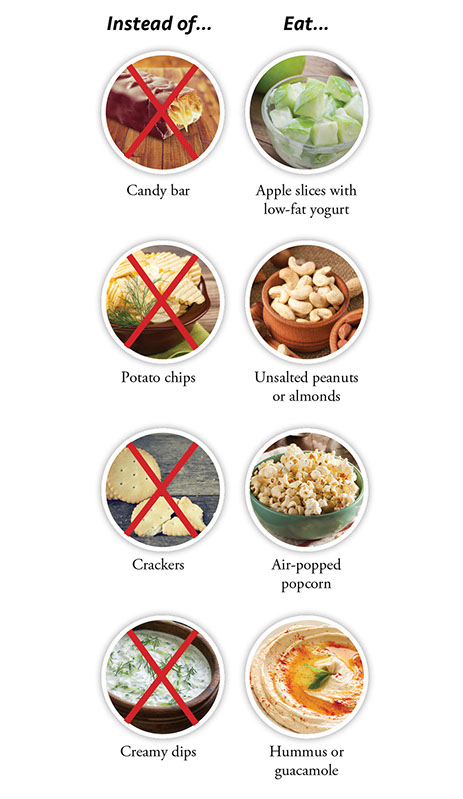
    Skip the vending machine and processed foods when you need to fill up between meals. Try these alternatives to everyday unhealthy snacks:

    © American Institute for Preventive Medicine
  • Easy Snacks For High Energy

    HEALTHY EATING

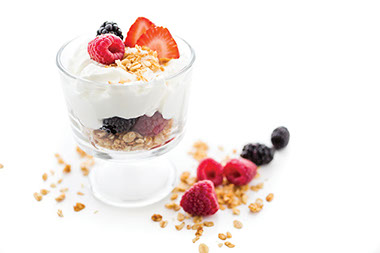
    Image of greek yogurt and fresh berries.

    One way to keep your energy up is to choose snacks that have fiber and protein. These foods are digested more slowly. That way you won’t “crash” like you do after eating sugar-filled and low-fiber foods. Some healthy choices include:

    *  An apple with a small handful of nuts

    *  Carrots and celery with string cheese

    *  Greek yogurt and fresh berries

    Source: Academy of Nutrition and Dietetics

    © American Institute for Preventive Medicine

  • Family Meals: Healthy & Simple

    HEALTHY EATING

    Image of mother with 2 young kids wearing chef hats.

    Try these time-saving tips to make eating healthier simpler for you and your family, says Penny Kris-Etherton, PhD, RD, professor of nutrition at Penn State University.

    Plan out 2 to 4 weeks of healthy meals for breakfast, lunch, and dinner.Sit down and map out meals that include your family’s heart-healthy favorites. Update your list as you come across new recipe ideas.

    Use the weekend to make menus.Start by using the list from the first tip and make sure you grab the ingredients you need when you go grocery shopping. Keep an eye out for fresh, seasonal items that are on sale.

    If you work during the week, cook over the weekend and store leftovers in the fridge or freezer.Meals can be hassle-free when you’re just thawing and reheating for quick lunches and dinners.

    Cut up vegetables and keep them handy in the fridge.You’ll have ready-made nutritious snacks and ingredients.

    Shop sales, clip coupons, and buy fruits and vegetables in season.Look for less-expensive items. For example, blueberries cost less in spring and summer, when they’re in season. You’ll pay more in the fall and winter when they’re shipped from warmer continents.

    Skip the ready-made foods.They can be higher in sodium and often cost more than homemade foods.

    Replace high-calorie or high-fat favorites with nutrition-rich foods one at a time.Your family won’t feel shocked or deprived of their favorites if the changes to their diets are gradual. Try one change per week as a starting point.

    © American Institute for Preventive Medicine
  • Healthier Super Bowl Snacks

    HEALTHY EATING

    Image of football.
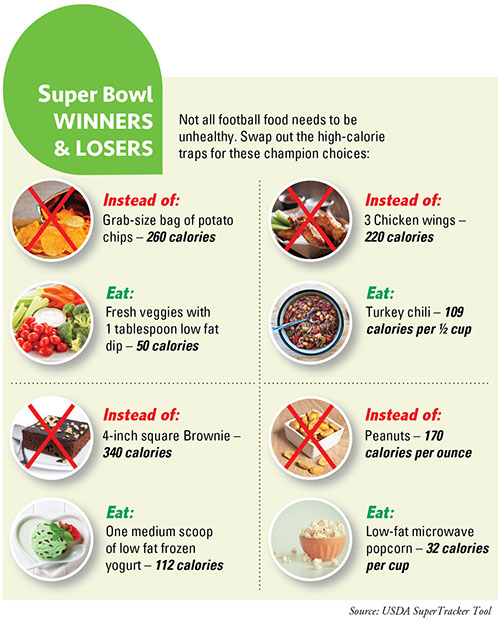
    Chart showing healthy options for super bowl snacks.

    On Super Bowl Sunday, people across the country will gather at homes, restaurants, and bars to watch the big game and enjoy game-day food. Sadly, traditional football fare tends to be high in fat and calories and low in nutrition. The Calorie Control Council says many Super Bowl fans will consume 2,000 calories or more during the game. That’s about a full day’s worth of calories in just a few hours.

    So how can you enjoy the game without the unhealthy side effects? Here are a few tips to help:

    *  Keep a zero-calorie drink like water in your hand, and sip on it throughout the day instead of snacking on food.

    *  Keep your distance from the kitchen or wherever the food is sitting out. If it’s out of sight, you’ll be less likely to mindlessly reach for snacks when you’re not hungry.

    *  If fresh fruit and veggies are available, fill your plate with those. This leaves little room for other choices.

    Be mindful of how much you’re eating, and stick to only a small serving of the high-calorie foods. If you’re cooking, take the opportunity to prepare a variety of healthy but fun choices for your guests.

    © American Institute for Preventive Medicine

  • Small Changes Your Heart Will Love

    MEDICAL NEWS

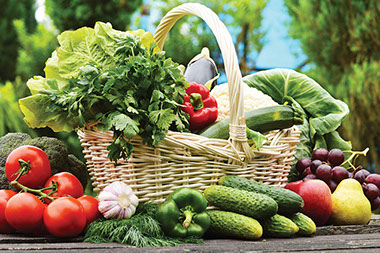
    Image of a basket filled with fruits and vegetables.

    You may know the basics of heart health that include a healthy diet, exercise, healthy weight, and avoiding tobacco. But, don’t let these major goals overwhelm you. Instead, take small steps each day that add up to big heart-healthy benefits.

    Say bye-bye to beige and eat the rainbow.

    Look at your plate’s color before you eat a meal. If it’s mostly browns, such as breads, pasta and meat, see if you can brighten it up with fruits and vegetables. Leafy greens, yellow peppers, carrots, blueberries and strawberries are just a few of the brightly colored foods that are great for your heart.

    Cut back on sodium when you can.

    If you’ve been eating salt for years, it can be hard to cut it out completely. But you may not taste the difference if you gradually replace some of the salt in your diet with herbs and spices without sodium. Cutting back on sodium can reduce your risk of heart attack, heart failure, and stroke. Many processed foods already contain high amounts of sodium, and adding salt to food greatly increases sodium intake for many people.

    Walk, if you can’t run.

    For many people, jogging, running, or other high-intensity workouts aren’t possible. Fortunately, you don’t have to choose a tough workout to get heart benefits. Start walking just a few minutes a day. Increase the amount of time you walk when you can until you are walking 30 minutes a day most days of the week. Brisk walking can be just as beneficial to your heart as running.

    If you use tobacco, keep trying to quit.

    Quitting tobacco is hard, and many people struggle to succeed. You may have strong urges to use tobacco or you may slip up and start again after you’ve quit. When this happens, be patient with yourself. Understand that many people have to quit several times before they’ve quit for good. When you quit, your heart – and your entire body – will start to heal. You’ll reduce your risk of heart disease, lung cancer, and many other serious diseases. Talk with your health care provider about prescription medication or nicotine replacement therapy.  Many of these treatments are now covered by insurance.

    Source: American Heart Association

    © American Institute for Preventive Medicine

  • Spooky And Not-So-Spooky Halloween Treats

    HEALTHY EATING

    Image of a brother and sister dressed for Halloween.

    Worst

    *  Chewy/sticky sweets, such as gummy candies, taffy, and even dried fruit can be difficult for children and adults to resist, and even more difficult to remove from teeth. They get stuck in the crevices between teeth, making it nearly impossible for saliva to wash them away.

    *  Sour candies are highly acidic and can break down tooth enamel quickly. The good news: Saliva slowly helps to restore the natural balance of the acid in the mouth. Wait 30 minutes to brush your teeth after consuming sour/acidic candies; otherwise, you are brushing the acid onto more tooth surfaces and increasing the risk of enamel erosion.

    *  Sugary snacks, including candy corn, cookies, and cake, all contain high amounts of sugar, which can cause tooth decay.

    Best

    *  Sugar-free lollipops stimulate saliva, which can help prevent dry mouth that leads to tooth decay.

    *  Sugar-free gum can actually prevent cavities as it not only dislodges food particles from between the teeth but also increases saliva-which works to neutralize the acids of the mouth and prevent tooth decay.

    *  Dark chocolate and its antioxidants can be good for the heart and may even lower blood pressure.

    As always, monitor your children’s candy intake this Halloween and all year round. Kids should be brushing their teeth twice a day for 2 minutes, the Academy recommends.

    © American Institute for Preventive Medicine

  • Top 10 Fruit Snacks For Kids

    HEALTHY EATING

    Image of child eating yogurt with strawberries and blue berries.

    Forget cookies. Fruit is now the number-one snack item parents give to children under the age of 6. That’s because leading researchers believe that parents are taking childhood nutrition more seriously.

    The Produce for Better Health Foundation suggests these top 10 fruit snacks for kids:

    *  Popsicles (freeze fruit juice to make your own)

    *  Fruit sandwiches (slices of apples or pears and low-fat cheese)

    *  Peanut butter and fresh fruit

    *  Fresh fruit dipped in low-fat yogurt

    *  Fruit smoothies

    *  Canned fruit or single-serve fruit cups

    *  Applesauce as a dip for fresh fruit slices

    *  Dried fruit packs such as raisins

    *  Fresh fruit dipped in poppyseed dressing

    *  Frozen fruit chunks such as bananas and grapes

    © American Institute for Preventive Medicine