Tag: Healthy Aging

  • How To Care For Mature Skin

    Mature Health: Over Age 50
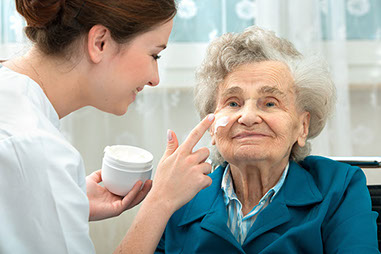
    Image of a caregiver placing cream on a mature women's face.

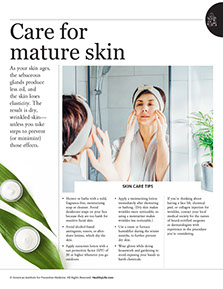
    As your skin ages, the sebaceous glands produce less oil, and the skin loses elasticity. The result is dry, wrinkled skin-unless you take steps to prevent (or minimize) those effects. Here’s what to do to stay one step ahead of Mother Nature.

    *  Shower or bathe with a mild soap or transparent glycerin soaps to prevent dry, flaky skin. Don’t use deodorant soaps on your face-they’re too harsh for sensitive facial skin.

    *  Avoid alcohol-based astringents, toners, or after-shave lotions, which dry the skin.

    *  Apply a moisturizing lotion immediately after showering or bathing. (Dry skin makes wrinkles more noticeable, so using a moisturizer makes wrinkles less noticeable.)

    *  Use a room or furnace humidifier during the winter months, to further prevent dry skin.

    *  When washing dishes or working with strong detergents, protect your hands with rubber gloves.

    *  Apply sunscreen lotion with a sun protection factor (SPF) of 15 or higher whenever you go outdoors.

    If you’re thinking about having a face lift, chemical peel, or collagen injection for wrinkles, contact your local medical society for the names of board-certified surgeons or dermatologists with experience in the procedure you’re considering.
    A Year of Health Hints book by the American Institute for Preventive Medicine. www.HealthyLife.com. All rights reserved.

    © American Institute for Preventive Medicine

  • 10 Ways To Get The Most Out Of Midlife

    SELF-CARE CORNER

    Image of couple dancing.

    Are your best years ahead? A national survey of women between the ages of 35 and 49, sponsored in partnership with the National Association of Nurse Practitioners in Women’s Health and Teva Women’s Health shows that more than three-quarters of women in midlife say the best years are ahead, not behind. Yet midlife is notoriously known as a time of crisis. Women’s health expert, Dr. Judith Reichman, tells how women are seizing the midlife moment and making new choices related to their health.

    If you have not already joined the ranks of women enjoying midlife, here are 10 ways to get the most out of these years:

    1. Don’t obsess about those 8 glasses of water each day. Drink when you are thirsty and when you are exercising briskly. Too much water reduces the impact of electrolytes and strains the bladder.

    2. Focus on family bonding. Often midlife crises for women are not an age phenomenon but rather due to the very significant changes that occur in the lives of our growing-up children and our maturing (we hope) partners.

    3. Spend more time with your partner. Don’t wait until the nest is already empty. This is the time to rediscover why you fell in love in the first place.

    4. Rev up the love life. You are free to go on dates with your partner-real dates!

    5. Periodically reevaluate your choice of birth control. The second-highest rates of unplanned pregnancies occur in midlife.

    6. Worry more about you. PMS gets worse with age, and work and family responsibilities continue to rise, so it is important to establish de-stressing routines, including setting aside time to exercise and visit with friends.

    7. Cut down on salt, reduce your caloric intact by 100-200 calories per day and boost your calcium and vitamin D intake. By midlife, most women are at high risk for high blood pressure and heart disease. Cutting salt can save your life and set up your family for healthy habits as they get older.

    8. Embrace your desire to sleep. Now is the time to develop good sleep habits to prepare you for the next stage of life as hormonal changes during menopause increase sleep troubles.

    9. Do something you thought you would never have time for. Take up a new hobby or go back to an activity you love-knitting, dancing, learning, or volunteering. Do something that makes you feel good about yourself.

    10. See your doctor. You have always made sure everyone else in the family gets a yearly check-up, but what about you? Schedule those yearly health screenings and don’t neglect your own health.

    Judith Reichman, MD, is an attending physician in gynecology at Cedars-Sinai Medical Center and author of Slow Your Clock Down: The Complete Guide to a Healthy, Younger You.

    © American Institute for Preventive Medicine

  • Guard Against Denture Trouble

    Mature Health: Over Age 50

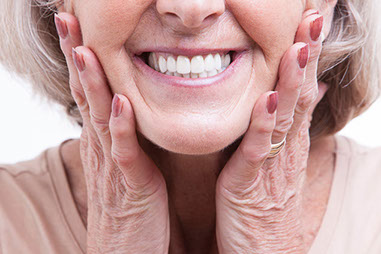
    Close up image of a mature women smiling showing her dentures.

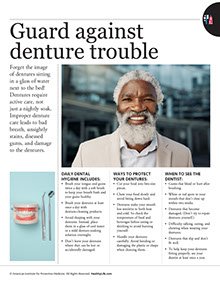
    Forget the image of dentures sitting in a glass of water next to the bed! Dentures require active care, not just a nightly soak. Improper denture care leads to bad breath, unsightly stains, diseased gums, and damage to the dentures. Daily dental hygiene should include these measures.

    *  Brush your tongue and gums with a soft brush to keep your breath fresh and your gums healthy.

    *  Brush your dentures at least once a day with denture-cleaning products.

    *  Rinse your mouth with a mild salt-water solution (1 teaspoon of ordinary table salt in 1/2 cup warm water) after meals and before going to bed.

    *  Don’t leave your dentures where they can be lost or accidentally damaged.

    How you eat can also protect your dentures, so take these precautions.

    *  Cut your food into bite-size pieces.

    *  Chew your food slowly and avoid biting down hard.

    *  Dentures make your mouth less sensitive to both heat and cold. So check the temperature of food and beverages before eating or drinking to avoid burning yourself.

    To help keep your dentures fitting properly, see your dentist at least once a year. See your dentist if you have any of the following problems.

    *  Gums that bleed or hurt after brushing.

    *  White or red spots in your mouth that don’t clear up within two weeks.

    *  Dentures that become damaged. (Don’t try to repair dentures yourself.)

    *  Difficulty talking, eating, and chewing when wearing your dentures.

    *  Dentures that slip and don’t fit well.

    A Year of Health Hints book by the American Institute for Preventive Medicine. www.HealthyLife.com. All rights reserved.

    © American Institute for Preventive Medicine
  • A Matter Of Balance

    WELL-BEING

    Illustration of 3 people figures with one of them falling.

    A fall for a senior is not simply a matter of shaking it off and standing back up. A fall could mean a broken hip or a bruise, and some seniors really “can’t get up.” Falls are a major threat to the health and independence of older adults.

    The best solution is preventing falls in the first place. And a recent study in the British Medical Journal pointed to the success of exercise programs in reducing falls that cause injuries and broken bones.

    Risk factors for falls include muscle weakness, especially in the legs, and poor balance-all linked to lack of exercise or certain medical conditions. Poor vision and confusion can also lead to falls. Even some medications can cause dizziness. To lower your risk for falls, CDC recommends you do four things:

    1. Exercise to improve balance and strength.

    Walking, using a stretch band and lifting weights increase muscle strength. Yoga and tai chi improve balance. Follow your doctor’s advice for exercise.

    2. Have your doctor or pharmacist review all prescribed and over-the-counter medications you take.

    Some, when taken alone or with other medications or alcohol can make you dizzy or sleepy and raise your risk for falls. Also, let your doctor know if you feel lightheaded when you get up from sitting in a chair or out of bed. Before you get out of bed, sit on the edge of it for a minute or two and get up slowly.

    3. Get an eye exam from an eye doctor at least once a year.

    Follow his or her advice for wearing corrective lenses and/or using low-vision aids. Get treatment for cataract, glaucoma, macular degeneration and other eye conditions as needed.

    4. Make your house safer.

    *  Keep the inside of your house well lit. Use night lights.

    *  Have secure handrails on both sides of  all stairs.

    *  Keep stairs and walk paths clear from clutter and tripping hazards.

    *  Install grab bars in the tub/shower and next to the toilet. If needed, use a shower chair that has rubber tips on the legs and a hand-held shower.

    *  If you use throw rugs, use ones with nonskid backs. Or, put nonslip rug pads or carpet tape underneath rugs.

    *  Wear sturdy shoes with thin, nonslip soles. Avoid going barefoot.

    *  Avoid using a step ladder or a chair to stand on. Keep items you use often in easy-to-reach places.

    *  Be mindful of where your pet and his or her toys are to avoid tripping over them.

    © American Institute for Preventive Medicine
  • A Diet For Lifetime Health

    Mature Health: Over Age 50

    Image rich in B vitamins.

    Studies show that some older adults are deficient in vitamins B6, B12, and folate (a B vitamin). To guard against vitamin deficiencies, plan a diet that includes food sources of these nutrients.

    *  Lean meats, chicken, organ meats and fish, are high in B6.

    *  Milk, eggs, and lean meats are excellent sources of B12.

    *  Asparagus, brussels sprouts, and almost all green, leafy vegetables are high in folate. Other sources are cantaloupe, orange juice, and fortified grain products.

    *  Citrus fruits, tomatoes, cantaloupe, strawberries, green pepper, and broccoli are rich in vitamin C.

    It is also important to get adequate protein and calcium daily. Low-fat dairy products are rich sources of calcium. Two servings a day of 2 to 3 ounces of meat, chicken, or fish provide the protein you need. Other sources of protein include cooked dried beans, peanut butter, milk, and eggs.

    A Year of Health Hints book by the American Institute for Preventive Medicine. www.HealthyLife.com. All rights reserved.

    © American Institute for Preventive Medicine

  • Age Successfully

    SELF-CARE CORNER

    Image of older couple.

    Successful aging means more than good health. It means taking charge of your personal well-being so that you can continue to live a vibrant, independent life, regardless of your age, according to Dr. Terri Ginsberg of the Institute for Successful Aging at the University of Medicine and Dentistry of New Jersey.

    “Successful aging isn’t difficult, but it does require a personal commitment to active living,” says Ginsberg. To help them age successfully, Ginsberg recommends that adults of all ages follow these “10 Resolutions for Healthy Aging:”

    1.Sleep at night.Avoid frequent daytime naps, late night snacks or watching television in bed.

    2.Eat lots of colors.Vibrantly colored fruits and vegetables on your plate mean a healthy diet that keeps your body moving.

    3.Get checked out.Catch up on any health screenings your doctor has recommended and don’t forget eye and dental check-ups.

    4.Worry less.It really is possible to “worry yourself sick.” Excessive worrying can lead to high blood pressure, digestive problems, chronic headaches and unhealthy weight gain.

    5.Stay in touch.Living alone doesn’t mean being alone. Reach out to friends, neighbors and relatives.

    6.Move more.Exercise improves heart health, and good heart health helps prevent a range of related disorders, including blood clots and depression.

    7.Read more.You can “exercise your brain” with newspapers, books, magazines or puzzles.

    8.Laugh and sing.Is there a better way to enjoy life? And both will help you to worry less.

    9.Take control.Be proactive about your own health. Ask your doctor questions about your health and for advice on positive lifestyle changes.

    10.Get involved.Local organizations of all types need volunteers. Helping others is the best tonic for feeling good about yourself.

    © American Institute for Preventive Medicine

  • Tips For Good Digestion

    Mature Health: Over Age 50

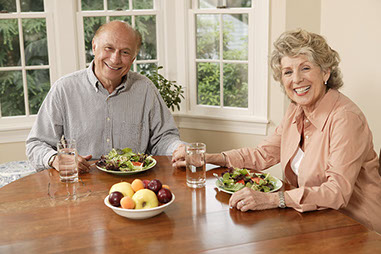
    Image of mature couple eating at home.

    Around the age of 40, people begin to notice that they can’t tolerate certain foods as well as they used to. As you get older, your stomach produces a smaller volume of digestive enzymes and other secretions, and your body may not digest or absorb foods as easily as it did when you were younger.

    If you are prone to digestive problems, follow these tips.

    *  See a dentist if you are having trouble with your teeth or dentures. Poorly fitting dentures, sensitive teeth, and diseased gums can make chewing difficult.

    *  Eat smaller, lighter meals, spaced throughout the day, instead of heavy meals. As a person ages, the blood supply to the small intestine declines, hindering the absorption of nutrients from a sudden, large delivery of food.

    *  To prevent gas and bloating, don’t gulp liquids or talk while chewing food.

    *  Limit the amount of gas-producing foods you eat. Cabbage, onions, and cooked dried beans are common offenders.

    *  Eliminate milk products from your diet if they cause bloating, intestinal gas, or diarrhea, but be sure to supplement your diet with calcium. (You may be able to tolerate small amounts of milk products if you treat them with Lactaid, a digestive aid sold in many health food stores.

    *  Avoid wearing tight clothing around your waist at mealtime.

    *  Don’t lie down for at least 2 hours after you’ve finished a meal, and don’t eat right before bedtime.

    A Year of Health Hints book by the American Institute for Preventive Medicine. www.HealthyLife.com. All rights reserved.

    © American Institute for Preventive Medicine

  • Agility Means Mobility

    SELF-CARE CORNER

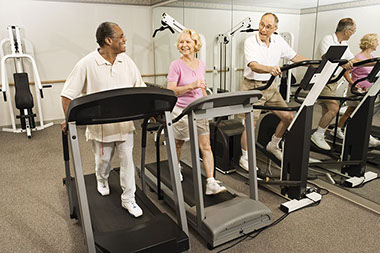
    Image of 3 senior citizens walking on treadmills.

    Want to be able to move around well as you age? Finding it more difficult to get down on your knees (and get up)? Interested in keeping your joints strong and flexible to meet the demands of daily life?

    Join the club. Without our ability to get around, all kinds of health problems set in, according to the CDC. MySilverAge.com challenges not just seniors but everyone else to work out to improve mobility with these 3 functional fitness workouts:

    *Use sandbells to minimize strain.While exercise equipment such as dumbbells strengthen arms, many weights can place too much strain on the hands. A sandbell-a weighted, contoured fabric bag filled with sand-is an easier alternative for older adults and others who have trouble gripping items, because they offer customizable weight and grip for strength exercises, while minimizing stress and strain on hands.

    *Use interval training for quick bursts of energy.Children tend to have short bursts of energy followed by periods of rest before they start again. Keep up with the kids with interval training. Walk on a treadmill at a normal speed for 5 minutes, then increase to a more challenging pace for 1 minute and repeat.

    *Use an exercise ball for better balance.Good balance is vital for safe walking, stair climbing, and avoiding falls. Use an exercise ball in place of a chair during traditional workouts, such as lifting weights, to help improve balance. The instability of the ball forces all the body’s muscles to work together to support stability and steady balance.

    © American Institute for Preventive Medicine

  • Healthy Aging

    Mature Health: Over Age 50

    Grandparents playing with 2 young grandkids.

    Physical activity is a cornerstone of healthy aging. Studies show people who exercise regularly live longer and may live better, without pain or disability.

    If you exercise on a regular basis, good for you! Keep it up! If not, now is the time to start. Check with a doctor before you begin an exercise program. Choose activities you can do and enjoy. Start out slowly and progress slowly. Some exercise is better than no exercise.

    Research shows that eating a Mediterranean-style diet has both physical and mental health benefits that support healthy aging. This eating style includes plenty of vegetables and fruit, whole grains, healthy fats, more fish and less processed foods.

    Staying mentally active is linked to physical and mental health and may reduce the risk of Alzheimer’s disease. Find ways to lower stress and increase emotional well-being.

    Exercise your memory and your mind. Continue to learn new things. Read. Join a club.

    Health at Home Lifetime book by the American Institute for Preventive Medicine. www.HealthyLife.com. All rights reserved.

    © American Institute for Preventive Medicine

  • Create Your Ethical Will

    WELL-BEING

    Image of older man sitting at desk.

    You may not be able to take it with you, but you can let the generations to come know what you valued if you create an ethical will.

    An ethical will can be a vital component of an estate plan because it reflects your concerns and hopes for the next generation. Most wills mainly focus on distributing assets and deciding who gets what. An ethical will provides families with the chance to know their loved ones better and for the writer to express what often goes unsaid.

    1. What values or beliefs are of special significance to you? Why?

    2. What are your wishes and hopes for the generations that follow you?

    3. What are your greatest life lessons? How have they influenced you?

    4. Do you have any regrets?

    © American Institute for Preventive Medicine