Tag: HealthyLife® Weigh

  • Reduce Sit-Time

    Healthylife® Weigh

    Part 5

    Business team with folders walking along office building and talking.

    Find ways to move more throughout the day.

    *  Set an alarm on your watch or phone to get up every hour, if sitting.

    *  Stretch and walk for a few minutes to get more oxygen flowing through your body.

    *  Drink water regularly so you need to use the bathroom at least once every few hours.

    *  Get up to use a drinking fountain.

    *  Get up during commercial breaks on TV to tidy up a room or dust.

    *  Walk outside for a few minutes. Take a deep breath of fresh air.

    *  Have walking meetings with co-workers and friends. Walk and talk.

    *  Walk to get lunch.

    © American Institute for Preventive Medicine

  • Sweet Sips, A Healthier Way!

    Healthylife® Weigh

    Part 3

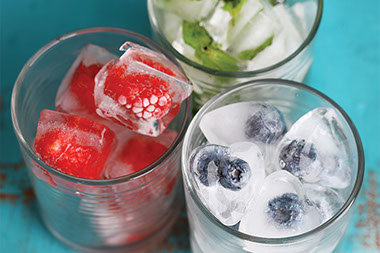
    Glasses of water with ice cubes that have berries frozen in them.

    Sugar-sweetened beverages can be a major source of added sugar. Cut back or eliminate these beverages from your everyday lifestyle. Save pop or soda for a once-in-a-while treat. As you reduce sugar in your diet, especially artificial sweeteners, you may find these drinks are too sweet for your new tastes!

    Make your own flavored water

    You can consume flavored beverages without added sugars AND get a few extra nutrients along the way! You will need:

    *  1-quart jars or a large pitcher

    *  Water

    *  Wooden spoon (or another long, sturdy spoon)

    Fruit and/or Fresh Herbs:

    You can start with just one cut-up fruit, but for a flavored water that will really pop, try combining at least two fruits or a fruit and an herb. Here are a few suggestions, but don’t be afraid to try your own combinations! For a single-serving, use less. For a whole pitcher, use more!

    Pineapple, Orange, & Ginger

    *  ½ cup cubed pineapple

    *  ½ an orange, sliced

    *  1 Tbsp. freshly-grated ginger

    Minty Cucumber Lime

    *  ½ a cucumber, sliced

    *  ½ a lime, sliced

    *  ¼ cup fresh mint leaves

    Orange and Blueberry

    *  1 Mandarin orange, broken into wedges

    *  Small handful of blueberries

    Strawberry, Lemon, & Basil

    *  ½ cup sliced strawberries

    *  ½ a lemon, sliced

    *  ¼ cup fresh basil leaves

    Watermelon Mint

    *  1 cup cubed watermelon

    *  ¼ cup fresh mint leaves

    Rosemary & Grapefruit

    *  ½ grapefruit (or ¼ grapefruit & ¼ orange)

    *  A few sprigs of rosemary

    Citrus with Cilantro or Mint

    *  2 large oranges, sliced

    *  1 lemon, sliced

    *  ½ large cucumber, sliced

    *  1 handful of fresh mint or cilantro

    Time to Build!

    1. Place the fruit, herbs, and any other ingredients in the bottom of a glass jar or pitcher. Or, using a wooden spoon, mash the ingredients to bring out the flavor. You can also scrunch the herbs in your hands before adding them to the jar. This helps bring out the flavor.

    2. Fill the jars with water and ice as desired. You can also add unsweetened carbonated/seltzer water if you are craving fizzy bubbles!

    3. The flavor will be more enhanced after the water sits for an hour. Or, refrigerate the water overnight. If you want to drink it right away, squeeze the fruit a little before you drop it in to help bring out the flavors faster.

    Other Sweet Beverage Ideas:

    Freeze ice cubes with fruit. Drop a few cubes of different colored fruits into a tall glass of cold water.

    Blend whole fruits in a smoothie with spinach, kale or other de-stemmed, leafy green vegetables.

    Diet or regular soda? Limit both.

    Most diet sodas contain artificial sweeteners. Studies have shown drinking diet soda is not any better at helping you manage your weight. Gradually cut back on soda.

    Even if you add a teaspoon of sugar to your coffee, this 4g of sugar is far less than the sugar found in the average soda. The average soda contains 39g of sugar in a 12-ounce can. In a 16-ounce bottle, a soda may contain 52g of sugar.

    © American Institute for Preventive Medicine

  • Air Travel

    Healthylife® Weigh

    Part 3

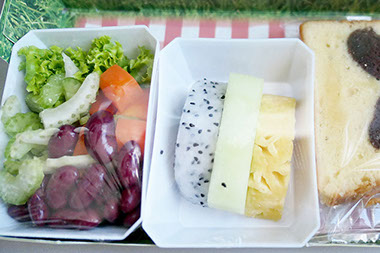
    Snacks for the airplane.

    Air travel can be time consuming because of the time it takes to get to the airport, get through security, wait for a flight, fly, and get to your final destination. Avoid going more than 3 to 4 hours without having something to eat. Plan to have a meal, a snack, or both!

    *  Bring one or more travel snacks with you.

    *  Look for these healthy snack options from to-go vendors. Read the Nutrition Facts on food labels, when available.

    – Fresh fruit

    – Low-sodium soup

    – Wraps and small sandwiches

    – Yogurt with cut-up fruit

    – Cottage cheese with fruit

    *  If you have time, choose a restaurant with healthy options on the menu. Sit and eat slowly to help digestion.

    *  Drink water. Bring an empty water bottle to the airport and re-fill it at a drinking fountain after going through security. Or, buy a water bottle once inside the airport terminal. Water is usually offered on the plane. Altitude and dry air can cause dehydration.

    *  Move around, both at the airport and while on the plane, if you can. Go for walks at the airport if you have a lot of waiting time. Stretch in your seat on the plane or walk to the restroom.

    If you won’t be traveling for a while, come back to this page for tips when it applies in the future. Or, share these tips with a spouse or friend who is traveling soon!

    © American Institute for Preventive Medicine

  • Choose A Variety Of Foods

    Healthylife® Weigh

    Part 2

    Group of happy friends preparing food.

    No one food has all the nutrients needed to sustain life and promote well-being. You need to eat a variety of foods to get all of the nutrients your body needs. Some foods provide more nutrients than others. Food can be a source of pleasure, but its main purpose is to provide nutrients that your body cannot make.

    Choose foods that are nutrient dense. This means they give you a lot of nutrients per calorie. Examples are:

    *  Fruits and vegetables

    *  Whole grains

    *  Fat-free or low-fat dairy foods and drinks

    *  Seafood, lean meats, and eggs

    *  Beans, nuts, and seeds

    Some foods contain ingredients that may harm you or are difficult for your body to digest. Limit foods and beverages high in saturated fat, added sugars, or sodium. To do this, choose fewer of these foods:

    *  Sugar-sweetened drinks and desserts

    *  Refined grains (bread, chips, and crackers)

    *  Red meat and high-fat dairy and cheese

    *  Highly processed meats and cheeses

    Everything you eat or drink does not have to be nutrient dense. One meal won’t make or break your health. The trends in your diet are more important.

    © American Institute for Preventive Medicine

  • Exercise And Eating

    Healthylife® Weigh

    Part 5

    Man eating a power bar at the gym.

    Exercise is not a solution for overeating or for eating unhealthy foods. Avoid treating exercise as a way to “make up” for eating more than your body needs. This can lead to feelings of guilt. It can also make exercise feel like a punishment.

    We tend to overestimate the calories burned through exercise and under-estimate the calories in food. The number of calories burned during exercise also varies from person to person. Factors like age, gender, and physical fitness can increase or decrease the caloric burn. The number in a chart or on a cardio machine monitor may not be accurate for you.

    Pre-Workout Eating

    You don’t have to eat before working out early in the morning, but it may give you more energy and help your body recover faster.

    Eat foods low in fat and fiber that can be digested easily. Include small amounts of protein in your pre-workout meals and snacks. This will help reduce muscle soreness. Experiment to find out what works best for you and allows you to feel your best.

    Pre-workout snack ideas (30-60 minutes before exercise):

    *  Piece of fruit

    *  Low-fat or non-fat yogurt

    *  Trail mix

    *  Whole-wheat toast with banana slices

    *  Smoothie with plain yogurt, frozen berries, and protein powder

    *  Oatmeal with fresh fruit

    Post-Workout Eating

    Exercise can increase your appetite. Your body wants to replace the calories you burned during exercise. Avoid overeating after exercise.

    Eat foods rich in protein, fiber, and healthy fats. Drink water to replenish fluids.

    Post-workout snack ideas (within 2 hours of exercise):

    *  Smoothie with plain yogurt, frozen berries, protein powder and avocado

    *  Banana with peanut butter

    *  Whole-wheat pita with turkey and veggies

    *  Protein bar (choose a bar with fewer than 5g of sugar)

    *  String cheese, apple, and whole grain crackers

    *  Veggie omelet with avocado

    If you are close to your normal meal time, just have that. Or, if you are not close to your normal meal time, have a small snack.

    © American Institute for Preventive Medicine

  • Help! I Just Ate Half A Cake!

    Healthylife® Weigh

    Part 6

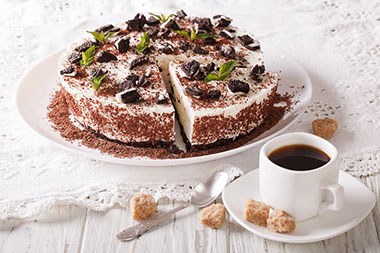
    Cheesecake dessert with chocolate and coffee.

    Recover from Overeating

    1. Be kind to yourself. Practice self-care right away, both in what you say to yourself and what you do.

    Say something kind to yourself now. Write it down here:

    2. Drink water and get enough sleep. This supports your kidneys and liver, two organs in your body that help keep digestion going smoothly and filter out toxins.

    3. Get up and move. Perhaps go for a slow walk today. Then, get your heart pumping more tomorrow with a faster walk or an exercise class.

    4. Start the next day with a healthy breakfast. Get your metabolism revved and running early. This will help you use the extra energy you consumed the day before. Choose a food high in fiber for breakfast. This will help your body clear your digestive system of waste, especially from a large meal high in fatty and salty foods. Choose plant-based sources of protein to give your body extra fiber.

    5. Continue to follow your healthy eating plan. Avoid the “I blew it” approach that can cause one “off” meal or snack to spiral out of control.

    6. Plan for the future. Without a plan, this is likely to happen again.

    – Am I eating enough? Do I feel like I’m starving all the time?

    – Am I getting enough from each food group? Your body may need a nutrient that it isn’t getting.

    – Am I being too tough on myself? Making a lot of changes at once can be hard to stick with. Create a realistic plan for you to make changes gradually. Allow yourself some treats.

    – Learn healthy ways to cope with emotions in this section.

    © American Institute for Preventive Medicine

  • Limit Sodium 2

    Healthylife® Weigh

    Menus & Recipes

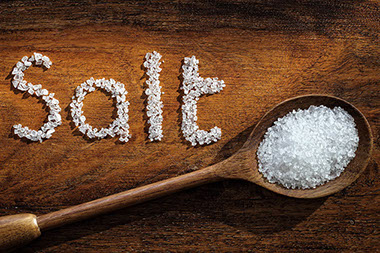
    Sea salt on wooden spoon and the word salt written in grain.

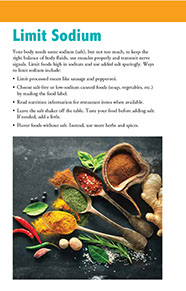
    Your body needs some sodium (salt), but not too much, to keep the right balance of body fluids, use muscles properly and transmit nerve signals. Limit foods high in sodium and use added salt sparingly. Ways to limit sodium include:

    *  Limit processed meats like sausage and pepperoni.

    *  Choose salt-free or low-sodium canned foods (soup, vegetables, etc.) by reading the food label.

    *  Read nutrition information for restaurant items when available.

    *  Leave the salt shaker off the table. Taste your food before adding salt. If needed, add a little.

    *  Flavor foods without salt. Instead, use more herbs and spices.

    © American Institute for Preventive Medicine

  • Myplate Choices For One Day

    Healthylife® Weigh

    Part 3

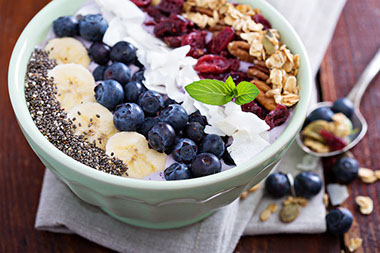
    Breakfast smoothie bowl with fruits and granola.

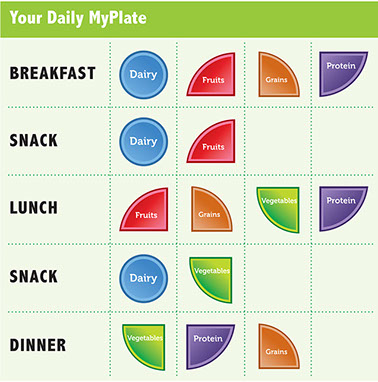
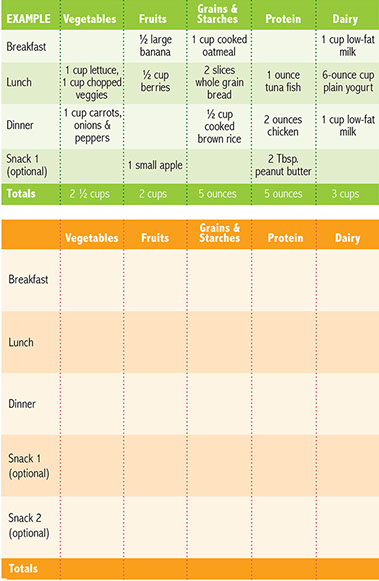
    Every meal does not have to include every food group.

    Combine at least three food groups at every meal, and at least two food groups at every snack. For example, combine an apple and peanut butter to get one serving of protein and one serving of fruit. This will help you feel full and give you long-lasting energy.

    Here is an example that includes three meals and two snacks.

    © American Institute for Preventive Medicine

  • Plan Myplate

    Healthylife® Weigh

    Menus & Recipes

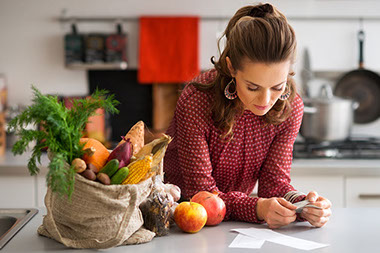
    Woman reading shopping list, next to her on the kitchen counter is a burlap sac with a variety of fruits.

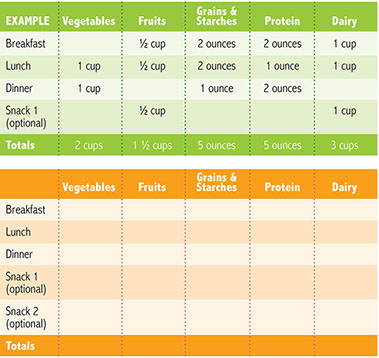
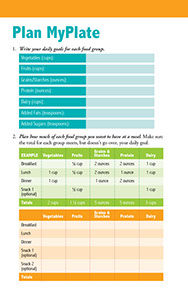
    1. Write your daily goals for each food group.

    *  Vegetables (cups)

    *  Fruits (cups)

    *  Grains/Starches (ounces)

    *  Protein (ounces)

    *  Dairy (cups)

    2. Plan how much of each food group you want to have at a meal. Make sure the total for each group meets, but doesn’t go over, your daily goal.

    3. Select foods for each meal or snack. Refer to what counts as an ounce or a cup for each food group. Choose foods that you like to eat and that are convenient for you.

    © American Institute for Preventive Medicine

  • Relieve The Pressure

    Healthylife® Weigh

    Part 6

    Multi-generation family enjoying christmas meal at home.

    Avoiding all holiday food challenges is nearly impossible. Adjust your goals and your action plan for success during this time. Your goal may be to “maintain, don’t gain” during a holiday season.

    Celebration days throughout the year are likely a small fraction of your overall year. Of course, stretching celebration days into weeks and months as a “holiday season” can pose challenges to your healthy goals. Even during traditional “holiday seasons,” stick with your healthy habits on nearly all days.

    Healthy Holiday Strategies:

    *  Have a healthy snack (fiber-rich carbohydrate + protein & a healthy fat) before going to the event.

    *  Keep a drink in your hand (choose water most of the time) and sip throughout the event.

    *  Avoid tables with appetizers and food. Talk with others away from where snacks are served.

    *  Prioritize exercise. This will help you manage stress and keep your metabolism running hot.

    *  Focus on people, not food. Visit friends and relatives. Take non-food gifts, such as flowers.

    *  Modify meals to include less sugar, saturated fat, and sodium.

    *  Create new traditions that are not planned around food. Do volunteer work or plan a hike/outdoor adventure with friends and family.

    *  Use stress management tools in this guide.

    *  Get enough quality sleep.

    © American Institute for Preventive Medicine