Tag: HealthyLife® Weigh

  • Review And Prepare

    Healthylife® Weigh

    Part 1

    Fitness concept with notebook pencil for sport goals and resolutions, dumbbells and sneakers and water bottle.

    Getting ready to make a change is important. The next part will continue this process and guide you in taking steps toward a healthier you. Follow along with the activities at your own pace. They are designed to help you move forward.

    Answer the following questions to finish Part 1:

    *  Name one value you could wear on your shirt today.

    *  What actions are you taking that line up with this value?

    *  By choosing to manage your weight, list three of your values that you are putting into action.

    *  Do you need to talk to your doctor about making changes to your diet and exercise habits? You may have a chronic health condition, take medication, or have concerns about your health. If so, talk to your doctor before making any changes to your diet and exercise habits.

    Are you ready for another week of self-discovery, learning new skills, and living out your values?
    © American Institute for Preventive Medicine
  • Plan Your Week

    Healthylife® Weigh

    Part 3

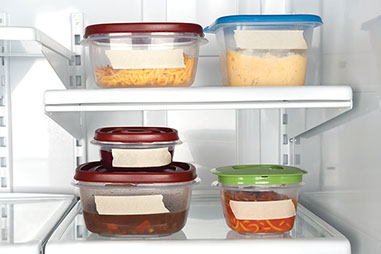
    Leftovers in the refrigerator.

    Plan about a half hour for writing your weekly meal plan and grocery list the first time. The more you plan, the easier it will become and the less time it will take.

    1. Check what you have at home. See what needs to be used up in your pantry, refrigerator, or freezer.

    2. Write down ideas, rather than specific recipes. (For example, “chicken and vegetables” or “broccoli soup.”) Find recipes after you have finished your plan. Some meals, like breakfast, may be easier to keep the same every day.

    3. Plan for meals to have leftovers. Plan to make extra food items that can be used for another meal. For example, make a double batch of quinoa to use in a casserole one day and a soup two days later.

    *  Have dinner leftovers at lunch the next day to further save on time.

    *  Freeze extra dinner servings in individual-serving freezer bags. Thaw and cook or microwave for a quick meal.

    © American Institute for Preventive Medicine
  • Self-Discovery: Hunger

    Healthylife® Weigh

    Part 6

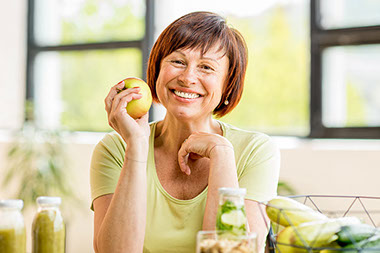
    Smiling women with an apple.

    *  List the last meal or snack you ate. Write down everything you ate or drank.

    *  Was this a planned meal or snack? If no, what triggered you to have this meal or snack?

    *  How many hours had it been since you last ate?

    *  Did your meal or snack satisfy your hunger?

    *  Do you think this was physical or emotional hunger?

    *  List a situation that is an emotional eating trigger for you (e.g., boredom while watching TV or stress at work).

    © American Institute for Preventive Medicine
  • Tips For Rational Thinking

    Healthylife® Weigh

    Part 4

    Concept of women thinking with drawing of lightbulbs.

    Use these tips to decide if an alternate thought is helpful for problem-solving. You can allow your thoughts and actions to cause anxiety. Or, you can view them as part of everyday life choices that you can manage.

    1. Ask: Is your thought based on facts?

    2. Identify what you are trying to do. Know your purpose.

    3. Consider many different outcomes and their effects.

    4. View the situation from many perspectives.

    5. Don’t assume a situation will have the same outcome as it did in the past.

    6. Have good evidence for a generalization before you make it.

    7. Avoid assuming one event caused another just because they happened at the same time.

    © American Institute for Preventive Medicine
  • Banish Black & White Thoughts

    Healthylife® Weigh

    Part 4

    Three friends enjoying lunch at rooftop restaurant.

    Consider a thought that you tend to see as black and white. Consider some alternative thoughts or ideas you could have instead. Or, when one comes to mind, return to this page and complete the following chart to practice banishing black and white thinking.

    Black & White Thought

    Example: I can’t go to restaurants because I always overeat and ignore my healthy goals.

    Alternative Thoughts

    I can choose restaurants that have healthy choices that I find tasty. I can have a healthy snack before I go out to eat to help prevent overeating at the restaurant.

    As you make changes to your way of thinking, be self-kind, not self-critical. Thinking rationally is like putting on a new, clear pair of glasses. What looked blurry or confusing before may seem more clear. New solutions to a challenge may appear once you look at it differently.

    © American Institute for Preventive Medicine

  • Dairy 2

    Healthylife® Weigh

    Menus & Recipes

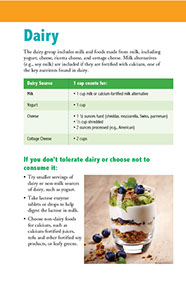
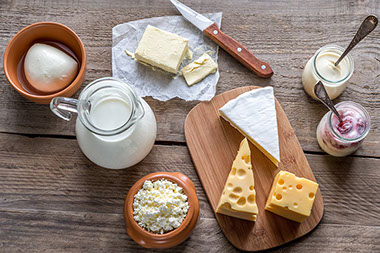
    Dairy products.

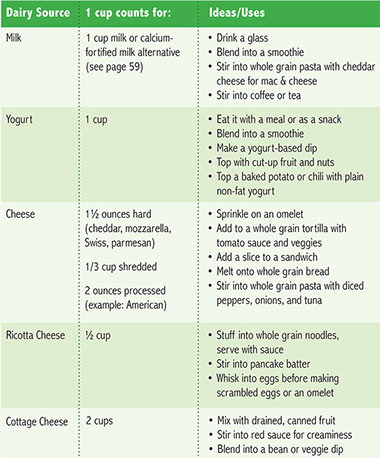
    The dairy group includes milk and foods made from milk, including yogurt, cheese, ricotta cheese, and cottage cheese. Milk alternatives  (e.g., soy milk) are included if they are fortified with calcium, one of the key nutrients found in dairy.

    Chart showing dairy sources and ideas.

    If you don’t tolerate dairy or choose not to consume it:

    *  Try smaller servings of dairy or non-milk sources of dairy, such as yogurt.

    * Take lactose enzyme tablets or drops to help digest the lactose in milk.

    * Choose non-dairy foods for calcium, such as calcium-fortified juices, tofu and other fortified soy products, or leafy greens.

    © American Institute for Preventive Medicine
  • Fruits & Vegetables

    Healthylife® Weigh

    Part 2

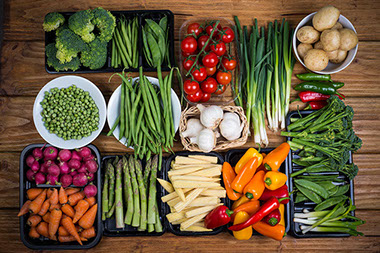
    A variety of vegerables.

    Fruits & vegetables make up the biggest part of MyPlate.

    Why should I eat fruits & vegetables?

    1. Fruits & vegetables are packed with nutrients. They provide essential vitamins and minerals, fiber, and a variety of phytochemicals (plant chemicals) that may play a role in preventing certain diseases.

    2. Fruits & vegetables contain water that helps you stay hydrated.

    3. Fruits & vegetables are high in fiber, which improves digestion and helps you feel full. Fiber also helps you use the energy from your food for a longer period of time, reducing feelings of hunger.

    4. Fruits & vegetables are tasty and can be prepared in many ways. They can add color, crunch, and flavor to your meals and snacks!

    Aim for variety

    Fruit: Choose a variety of whole fruits. The skin contains many unique nutrients and a lot of heart-healthy fiber. Choose fresh, frozen, canned (in juice to avoid added sugars), or dried fruits. ½ cup of fruit counts as:

    *  ½ cup raw or cooked fruit

    *  1 small banana, peach, or orange

    *  1 large plum or 16 seedless grapes

    *  ½ cup of chopped, cooked, or canned fruit

    *  4 tablespoons or 1/4 cup of raisins, prunes or dates

    *  ½ cup 100% fruit juice

    Vegetables: Include a variety of choices during your day. Choices can be fresh, frozen, or canned (choose low-sodium options). 1 cup of vegetables counts as:

    *  2 cups raw leafy vegetables

    *  1 cup of other vegetables; cooked or chopped raw

    *  1 cup 100% vegetable juice (choose juices less often)

    © American Institute for Preventive Medicine

  • Improve A Packaged Meal 2

    Healthylife® Weigh

    Menus & Recipes

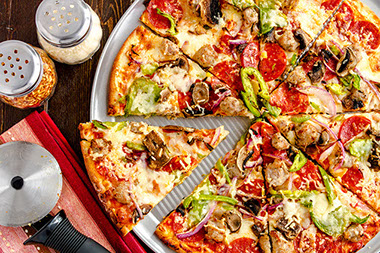
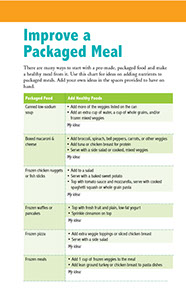
    Frozen pizza with added fresh vegetables.

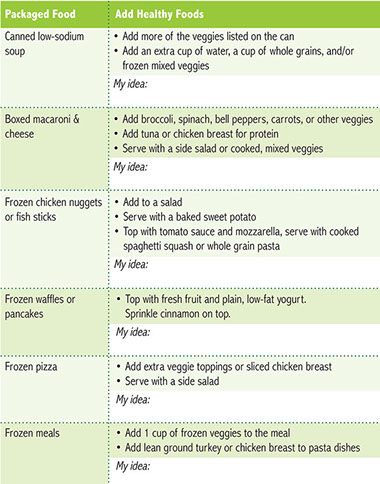
    There are many ways to start with a pre-made, packaged food and make a healthy meal from it. Use this chart for ideas on adding nutrients to packaged meals. Add your own ideas in the spaces provided to have on hand.

    Chart of ideas to improve packaged meals.

    © American Institute for Preventive Medicine
  • Map Your Meal Plan

    Healthylife® Weigh

    Part 3

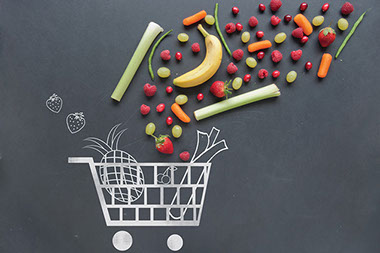
    Chalk drawing of shopping cart with fresh fruit above.

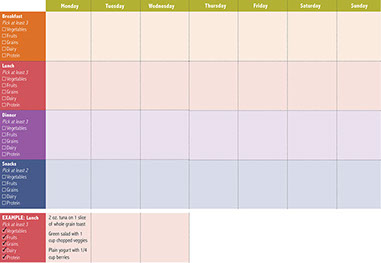
    Print this page or download the “Print on Demand” to map your meal plan.

    Chart to map your meal plan.

    © American Institute for Preventive Medicine
  • Review And Prepare 2

    Healthylife® Weigh

    Part 2

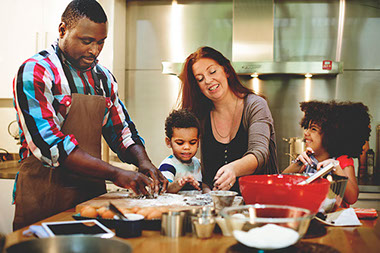
    Family cooking together in kitchen.

    This section covered a lot of nutrition information. Don’t worry if you aren’t ready to use all of it right away. The next section will help you form a plan and put this information into action. For now, choose one or two simple steps.

    Strategy

    *  I will eat the vegetables on my plate first.

    *  I will have a glass of water before each meal or snack.

    *  I will put 25% less food on my plate than I usually do.

    *  If I am full, I will stop eating, even if there is more food on my plate.

    *  I will eat something within two hours of waking up.

    *  I will choose low-fat dairy over full-fat options.

    *  I will drink one less sugar-sweetened beverage a day.

    *  I will not consume any sugar-sweetened beverages.

    *  I will choose to eat half my grains from whole grains every day.

    *  I will choose to fill half my plate with fruits and vegetables.

    Make a small change. Stick with it. It becomes routine. Add another small change. Stick with it. It becomes routine. You’ll get there.

    © American Institute for Preventive Medicine