Tag: Heart Disease

  • Is Your Heart Older Than You?

    MEDICAL NEWS

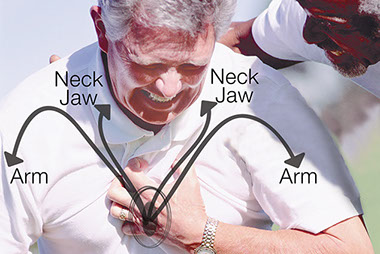
    Image of man suffering a heart attack.

    The year you were born reveals your age. It’s part of your identity. But despite the number on your driver’s license, your heart may be telling a different story.

    According to the Centers for Disease Control and Prevention, 75 percent of Americans have hearts that are older than their actual age. For men, the average heart age is 8 years older, and for women, it’s 5 years. This means many people are at high risk of heart attacks and strokes – even if they don’t know it.

    Your “heart age” is based on certain risk factors you may have for heart disease. This includes lifestyle habits, your body mass index, and certain health problems. You can lower your heart age by adopting heart-healthy habits such as a healthy diet, regular exercise, and not smoking.

    Signs of a heart attack

    *  Pressure, squeezing, or pain in the chest

    *  Pain in the jaw, neck, upper back, arms, or abdomen

    *  Trouble breathing

    *  Feeling dizzy or nauseated

    *  Cold sweats

    If you experience these symptoms, call 911 or have someone take you to the emergency room.

    Source: American Heart Association

    © American Institute for Preventive Medicine

  • Pump Up Your Heart In 5 Easy Steps

    SELF-CARE CORNER

    Image of older women laughing.

    Did you know that a good night’s sleep can help prevent heart disease? That’s just one way to lower your risk. Dr. Holly Andersen, director of education and outreach at NewYork-Presbyterian Hospital/Weill Cornell Medical Center, offers some easy steps to improve heart health and overall well-being:

    Step 1: Know your numbers.

    Your blood pressure, cholesterol, and triglyceride levels are the most important numbers you will need to know before you take the path to good heart health. A normal blood pressure level is 140/85 or lower, total cholesterol levels should be less than 200, and triglycerides less than 150.

    Step 2: Start walking.

    Exercise really is the fountain of youth. A simple 20- to 30-minute walk a few days a week can actually cut your risk of premature death by more than half. Physical activity also improves sleep, reduces stress, elevates mood, reduces blood pressure, improves cholesterol, improves brain health, and prevents memory loss.

    Step 3: Laugh out loud.

    Laughter is good medicine. Just 15 minutes of laughter is about equal to 30 minutes of aerobic exercise with respect to our heart health. So choose funny movies on Netflix. Laughter has also been linked to the healthy function of blood vessels, an increase in the brain hormones that improve mood, and reduction of pain  and anxiety.

    Step 4: Focus on your waistline, not your weight.

    Your waistline is a better measurement of your overall health than your weight because the amount of fat around your waistline is directly linked to high blood pressure and high cholesterol and can place you at increased risk for diabetes. Anything you can do to make your waistline smaller is definitely a step in the right direction. Liposuction doesn’t count!

    Step 5: Get a good night’s sleep.

    Sleep is one of the most undervalued elements of our daily routines, but it is absolutely vital to good health. Lack of sleep increases your blood pressure, induces stress, increases your appetite and slows down your metabolism, dampens your mood and decreases your brain power.

    © American Institute for Preventive Medicine