Tag: Home Safety

  • This Home Fix Can Save Your Life

    WELL-BEING

    Illustration of a house.

    It’s odorless, colorless, and causes lung cancer. You could be breathing it every day and not know it. It’s radon, and it’s a major health threat in nearly all areas of the country.

    What is radon?

    Radon is a naturally occurring gas that is found in soil. It makes its way into buildings through cracks, joints, and gaps in the basement or foundation. Once inside, it can build up and result in dangerously high levels. High levels of radon can cause lung cancer. The Surgeon General has warned that radon is the second leading cause of lung cancer in the U.S. today. Only smoking causes more deaths from lung cancer.

    The CDC estimates that more than 20,000 people die every year from lung cancer caused by radon. Even people who have never smoked can get lung cancer from radon. But, if you smoke, your chance of lung cancer is even higher.

    How do I know if my house has radon?

    The only way to detect radon in your house is through a radon test. Many hardware stores carry these tests, or you can get a test through your state’s radon office. Follow the instructions exactly as listed on the test. The tests are not expensive and are easy to use. Usually you need to leave the test in your house for a set amount of time. Then, you’ll follow instructions to mail it to a lab to get your results.

    No level of radon is safe. But, if your test shows a level of 4 or higher, you need to fix your house.

    How do I get rid of radon?

    There is an effective way to get radon out of your house and keep it from coming back. A radon mitigation system involves putting a special pipe device in your basement. The pipe has a fan inside that blows the radon back outside.

    Every state has radon removal companies who can install these systems. The Environmental Protection Agency says you should use a company that is accredited by the National Radon Safety Board or the National Radon Proficiency Program.

    Radon is one health problem no one should live with. Get a radon testing kit today. Your health and life are worth it.

    Take action against radon

    To order a radon test kit, call: 1-800-SOS-RADON

    (1-800-767-7236)

    For answers to radon questions, call: 1-800-55-RADON (557-2366)

    For questions about fixing radon levels in your house, call: 1-800-644-6999.

    © American Institute for Preventive Medicine

  • Water Safety Tips You Need To Know

    SELF-CARE CORNER

    Image of mother and young child in the pool.

    When the summer sun beats down, many people flock to water for cooling relief and fun. Swimming, boating and water activities are a favorite pastime for many Americans. But, it’s important to know the dangers of water and how to keep yourself and your loved ones safe.

    The Centers for Disease Control and Prevention says more than 3,500 people DROWN in the U.S.  each year in swimming (non-boating) related accidents.

    Most of these are children under the age of 14.

    And according to the U.S. Coast Guard,

    hundreds more die in boating-related accidents

    each year – and the majority of them are DUE TO DROWNING.

    Most drownings are preventable –

    so here’s what you should do any time you’re around water:

    *Keep pools gated and locked.Home pools should be enclosed with a locked fence that’s at least 4 feet high.

    *Always supervise.Children drown within seconds, not minutes. And, there’s typically no screaming, splashing, or other noise. Keep your eyes on children in the water at all times. Don’t turn your back, even for “just a minute.”

    *Wear life jackets.Many boating-related deaths could be avoided if all passengers wore U.S. Coast Guard-approved life jackets. Children should also wear them when swimming.

    *Consider swimming lessons.Children and adults can benefit from knowing how to swim, and it can reduce the risk of drowning.

    *Learn CPR.Giving cardiopulmonary resuscitation (CPR) can save lives if given quickly after a water accident.

    *Stay sober.Alcohol and water don’t mix – so don’t drink if you’re boating, swimming or supervising children in the water.

    *Watch the weather.If there’s a chance of strong winds or a thunderstorm, stay out of the water.

    *Watch for rip currents in natural bodies of water.A rip current is a powerful current that you can’t see, but can quickly take even a grown adult underwater. If you feel one pull you down, swim parallel to the shore until you get free. Don’t try to fight it or swim toward the shore.

    *Know the boating laws.There are state and federal laws that boaters must follow. Learn about them atwww.uscgboating.org. You can also look into boating safety courses and safety checks for your boat on this website.

    © American Institute for Preventive Medicine

  • Aging In Place For Older Adults

    FAMILY LIFE

    Smiling, happy older couple.

    Many people have a loved one who is an older adult. Sometimes an older adult may wish to stay in their home as they get older. This is possible for many older adults with some support from family members or friends.

    Here are some ways to help an older loved one stay in their home:

    *Be sure they can get around.Some adults may need a walker or electric scooter. Sometimes Medicare will help cover the cost of these mobility aids.

    *Help them find things to do.It can be boring and lonely at home alone. Help them learn how to do video calls with family and friends. When it’s safe to do so, help them get involved at a local senior center.

    *Get them daytime help if needed.Some people may need help with personal care, such as washing their hair. If a family member can’t be there each day, consider hiring a trained aide that can help them with everyday needs.

    *Consider an emergency alert system.This can call for help if your loved one falls or gets hurt.

    *Keep nutrition in mind.Be sure your loved one can get healthy food from the grocery store. Consider meal delivery services in your area that may be free or low-cost.

    *Make sure they go to appointments.Regular checkups are important, especially if the person has any health conditions. Drive them to their appointments if needed.

    *Check up on bills.Make sure their bills for insurance, utilities and other needs are getting paid on time. Find out what bills they have and offer to help get them organized and paid. Talk to them about scams, too. Tell them not to give out their social security number or other information to anyone over the phone.

    *Get rid of fall hazards.Consider ramps instead of stairs at the front door. Put grab bars in showers and bathtubs. Put plenty of night lights around their house and remove loose rugs from the floor. Encourage them to wear supportive shoes or non-slip socks around the house.

    Source: National Institute on Aging

    © American Institute for Preventive Medicine
  • Avoiding Chemicals In The Home

    SELF-CARE CORNER

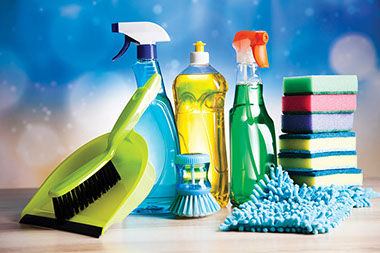
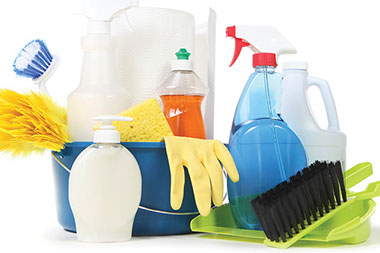
    Image of variety of cleaning supplies.

    Many common household items contain chemicals. Not all chemicals are bad for your health, but some can be harmful. To keep yourself and your family healthy, it’s best to take steps to reduce or avoid chemicals that could be unsafe.

    Did you know possible toxic substances can be found in cleaning products, furniture, carpet and shower curtains? Here’s how to avoid unsafe levels of toxins:

    *Read labels carefully.Many cleaning products have warnings and directions for how to use them. Follow these carefully. For instance, if it says, “use in a well-ventilated area,” you should be sure to open a window to the outside.

    *Be aware of odors.If something gives you a headache, sore throat or makes you cough, this may be a sign that you shouldn’t use it anymore.

    *Protect your skin.Wear gloves when using cleaning products and wash your hands after cleaning. Don’t let children use products with any chemicals in them like bleach, ammonia or strong cleaning ingredients.

    *Get checked for lead.If you live in a home built before 1980, ask your local health department how you can get your home and water checked for lead. You can’t see, smell or taste lead. Lead is harmful to the brain and affects children’s development. Find out if your home is at risk and take steps to get it removed, if needed.

    *Avoid pesticides whenever possible.Contact professional pest control companies for insect problems.

    *Choose fragrance-free products when possible.Many fragrances contain chemicals that disrupt hormone functions in the body. Also, some people are sensitive to fragrances.

    *Replace old nonstick pans that look worn or scratched.They may contain chemicals that can get into your food.

    *Look for cleaning products that have the Environmental Protection Agency’s “Safer Choice” label.For more information, visitwww.epa.gov/saferchoice/products.

    If someone in your home may have ingested a poisonous product, call The American Association of Poison Control Centers at (800) 222-1222.

    Remove dust for a healthier home

    Did you know household dust often contains chemicals and toxins from your home? A good way to reduce your exposure to them is to keep dust down. Try these tips:

    *  Choose non-toxic or “Safer Choice” cleaning products. White vinegar is an effective non-toxic cleaner for many surfaces.

    *  Use a damp rag without chemicals to dust.

    *  Clean floors with a damp mop or a steam-only mop.

    *  Vacuum floors regularly and use a vacuum with a high efficiency particulate air (HEPA) filter.

    *  Open windows to bring in fresh air whenever possible.

    *  Change furnace and air filters regularly.

    *  Wash hands often.

    Source: National Institutes of Health, Environmental Protection Agency

    © American Institute for Preventive Medicine

  • Burn Notice

    SELF-CARE CORNER

    Close-up image of a doctor wrapping up a burn on a patients arm.

    Follow this simple advice from the Home Safety Council and H2otStop to help reduce the risk of burn and scald injuries at home:

    Bathing

    *  Set your water heater at 120ºF or just below the medium setting.

    *  Fill the bathtub. Run your hand through the water to test for hot spots. Then help children get in. When children are in or near the tub, watch them closely. Young children and older people have thin skin. They burn more quickly.

    *  Install special tub spouts and shower heads that prevent hot water burns. These can sense if the water gets hot enough to cause a burn and shut off the flow of water.

    Cooking

    *  Wear long oven mitts to protect your skin when cooking or handling hot food.

    *  Turn pot handles toward the back of the stove so children cannot pull them down. Use back burners when cooking. Keep children away from the stove when you are cooking. Put tape on the floor around the stove/oven to help children learn to stay out of the “no-kid-zone.”

    *  Food cooked in the microwave can get very hot and cause a burn. Use oven mitts when you take off the lid. Stir and test the food before serving to make sure it is cool enough to eat.

    *  Keep hot drinks away from the edge of tables and counters. Do not use tablecloths or placemats because young children can pull them down. Use a travel mug with a tight-fitting lid for all hot drinks. This can help prevent a burn if the cup tips over.

    *  Do not hold or carry a child while you have a hot drink in your hand. Put only cold drinks in the cup holder of your child’s stroller and child safety seat.

    If a burn occurs:

    *  Cool it with running water. Do this right away.

    *  Keep the burned area in cool water for 3 minutes or longer. Do not put ice, butter, or lotion on the burn. This could make it worse.

    *  Call your doctor or 911 if the burn looks bad.

    © American Institute for Preventive Medicine
  • Do-It-Yourself Spring Cleaning Guide

    WELL-BEING

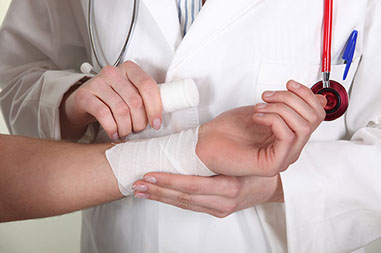
    Image of various cleaning products.

    Germs grow and invade your privacy. Bathrooms are one of their popular spots. They gather in the bathtub, shower, toilet-just about everywhere.

    “People these days just don’t take time out from their busy schedule to clean,” said Donna Duberg, lab science and germ expert at Saint Louis University. Duberg offers some simple ways to do your spring cleaning and make your bathroom germ-free.

    Simplify cleaning:Engage in basic cleaning such as disinfecting and removing visible dirt regularly, to make spring cleaning less cumbersome. As spring sets in, brace yourself to clear the scum and lime scale-mostly found on your shower curtains-and mold stuck in and around your bathtub. They hold on to bacteria and can cause fungi to grow.

    Don’t overkill:If you use too many cleaners and don’t dilute them, you risk the chance of inhaling the fumes of the cleaners, which can affect your lungs. Keep the windows open while cleaning or plug in fans to avoid breathing in the chemicals. Read the label carefully to understand how to use a product.

    Instead of harsh chemicals, use the magic ingredient:Vinegar, when mixed with water can do wonders for the surfaces. Spray a mixture of one part white distilled vinegar mixed with 9 parts water to see a nice shine on your bathtub or floor. Undiluted white distilled vinegar mixed with baking soda can be used to remove scum. The fewer the cleaning products, the better. Vinegar is inexpensive, is not harmful to kids and pets, and always leaves a shine.

    © American Institute for Preventive Medicine

  • Garage Door Safety

    WELL-BEING

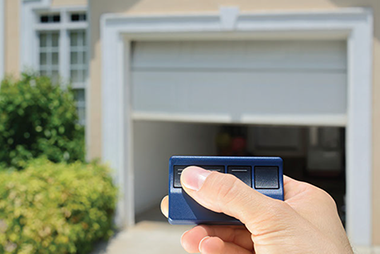
    Image of garage door opener.

    Follow this safety advice from the Overhead Door Corporation:

    *  Keep the garage door opener control button out of the reach of small children. And do not let children play with garage door remote controls.

    *  Never place fingers between door sections. Explain the dangers to children and consider pinch-resistant door panels.

    *  Consult the owner’s manual and learn how to use your garage door’s emergency release feature.

    *  Each month, inspect the springs, cables, rollers and pulleys for signs of wear. Do not try to remove, adjust or repair these parts or anything attached to them. These parts are under high tension and should only be fixed by a trained door technician.

    *  Test the reversing mechanism, monthly, too. Place a 2×4 board or a roll of paper towels in the door’s path. If the door does not reverse after contacting the object, call a qualified professional for repair. If the garage door opener has not been replaced since 1993, get a new one that has safety beams and an auto-reverse as standard features.

    *  Do not leave the garage door partially open. When activated again, it may travel downward and come in contact with an object in its path. This also compromises a home’s security.

    *  Never leave the remote control in the car when given to a parking attendant. A stolen remote leaves you more susceptible to home invasion. Always lock your car when left unattended. Store the remote out of sight.

    © American Institute for Preventive Medicine
  • Gas Leak

    WELL-BEING

    Illustration of 911 Emergency written.

    Be aware of all the possible signs of a gas leak, including a distinct unpleasant smell. The odor is added to natural gas to help identify leaks.

    If a leak is suspected:

    *  Stay calm.

    *  Don’t light a match, candle, or cigarette, and don’t turn any electrical devices on or off, including light switches, or use any device or equipment that could cause a spark.

    *  Immediately evacuate the area where the leak is suspected and from a safe location call your gas company or 911.

    © American Institute for Preventive Medicine

  • Is Your Home Safe From Radon?

    MEDICAL NEWS

    Image of hand holding an illustration of a home.

    Indoor radon is the second leading cause of lung cancer in the U.S. Breathing it over long periods can present a significant health risk to families all over the country.

    Radon is an invisible radioactive gas that seeps into homes undetected through foundation cracks. It can reach harmful levels if trapped indoors. It travels up from underground sources of uranium in the earth’s crust.

    The radon threat is preventable with some simple steps. In existing homes, families can begin protecting themselves by buying an easy-to-use radon test kit to find out if a high level exists. If so, a high level might be lowered simply with a straight-forward radon venting system installed by a contractor.

    In new homes, builders can easily and economically include radon-resistant features during construction. Home buyers should ask for these. The EPA also recommends that home buyers ask their builder to test for radon gas before they move in.

    According to the EPA, 1 in every 15 homes nationwide has a high radon level. Test your home for radon every 2 years. Retest for it any time you move, make structural changes to your home, or occupy a previously unused level of a house.

    © American Institute for Preventive Medicine
  • Moving Away: Tips For Families

    FAMILY LIFE

    Image of couple holding moving boxes.

    Moving is a major change for all members of the family. Whether you’re buying a house across town or heading across the country, a new home can be stressful, fun and confusing at the same time. Kids – and parents – of all ages may need some help during the transition:

    *Plan in advance.Sometimes moves have to happen quickly due to a new job or other situation. But if you can, give your kids plenty of time to tell their friends about the move and to say goodbye. Get addresses, emails and phone numbers so they can keep in touch. Take pictures with friends and at your old home.

    *Talk about it and support each other.Be open with your child, teen or spouse. It’s okay to miss your old home or town. Ask them how they’re feeling. Having good communication can help relieve stress and work through tough feelings.

    *Keep your routine.As much as possible, do the same things you used to do once you’re in your new home. Cook familiar dishes for dinner and keep family activities the same. This can help everyone adjust.

    Essential moving items

    When you’re moving, you may feel like you don’t have anything you need at your new place. Make sure you pack these important items to get by until you’re settled in:

    *  Keys, wallet, purse and cell phone

    *  Chargers for electronics

    *  Medicines

    *  Toiletries, such as soap, shampoo, toothbrushes and deodorant

    *  Toilet paper and tissues

    *  Shower curtain

    *  First aid kit

    *  Sheets and pillows

    *  Plates, cups, utensils  and napkins

    *  Dish soap and hand soap

    *  Easy meals and snacks

    *  Favorite books or toys for kids

    *  A few changes of clothes and laundry detergent

    © American Institute for Preventive Medicine