
Tag: Home Safety

  • Mow Safely

    WELL-BEING

    Image of person mowing the lawn.

    Lawn mowers are powerful machines. Careless injuries harm children and adults alike each year, according to these concerned medical groups: American Academy of Orthopaedic Surgeons, American Academy of Pediatrics, and the American Society for Reconstructive Microsurgery (the docs who reattach fingers!).

    Prevent injuries by following these lawn mower safety tips:

    *  Only use a mower with a control that stops the mower blade from moving if the handle is let go.

    *  Children should be at least 12 years of age before operating a push lawn mower and age 16 to operate a driving lawn mower.

    *  Wear sturdy shoes (not sandals or sneakers) while mowing.

    *  Prevent injuries from flying objects, such as stones or toys, by picking up objects from the lawn before mowing begins. Have anyone who uses a mower or is in the vicinity to wear polycarbonate protective eyewear at all times.

    *  Do not pull the mower backward or mow in reverse unless absolutely necessary, and carefully look for children behind you when you mow in reverse.

    *  Always turn off the mower and wait for the blades to stop completely before removing the grass catcher, unclogging the discharge chute, inspecting or repairing lawn mower equipment, or crossing gravel paths, roads, or other areas.

    * Use a stick or broom handle (not your hands or feet) to remove debris in lawn mowers.

    *  Do not allow children to ride as passengers on ride-on mowers and keep children out of the yard while mowing.

    *  Drive up and down slopes, not across to prevent mower rollover.

    *  Keep lawn mowers in good working order. Before using a lawn mower for the first time in a season, have it serviced to ensure that it is working correctly.

    © American Institute for Preventive Medicine

  • Prevent Clothes Dryer Fires

    WELL-BEING

    Image of a man cleaning dryer duct.

    Built-up lint blocks air flow in your clothes dryer, which leads to high heat and a potential fire. Thousands of fires occur each year, according to the U.S. Fire Administration.

    Take these simple steps to keep your home safe:

    *  Clean the lint screen every time you use the dryer.

    *  If you use fabric softener, wash the screen in warm soapy water periodically to get rid of film build-up that restricts air flow.

    *  Make sure the lint screen has no tears (otherwise lint gets into the duct system and restricts air flow).

    *  Inspect the duct, dampers, and access covers for damage every 3 months. Clean all removable parts. Vacuum the duct to remove excess lint build-up.

    Don’t dry items that have been cleaned or soaked in gasoline, dry cleaning solvents, vegetable or cooking oil, machine oil, or other chemicals such as mop heads, which can be explosive when heated.

    © American Institute for Preventive Medicine

  • Preventing Falls In The Winter

    SELF-CARE CORNER

    Image of family walking outside in the snow.

    Most of us can recall a time when we slipped in the winter snow or on an icy sidewalk. You may have gotten away with just a bruise or a sore spot for a few days.

    But, slips and falls can be serious – especially for older adults and those with health problems. In fact, falls are the leading cause of injuries in older adults. Some falls can even be fatal.

    Colder temperatures mean slick surfaces –  and dangerous falls. Follow these suggestions to help avoid falls in the winter, and share them with the older adults in your life.

    Vehicle safety

    Getting in and out of a car is a prime time for slips and falls.

    *  Look at the surface before you step out of your car.

    *  Keep three or four “points of contact” when getting in and out. This means put both feet on the ground, and have one or two hands on a stable part of the car before you try to move.

    Walk safely

    People who have a high fall risk may need to avoid walking outdoors when it’s icy. But for those who can’t avoid walking in the winter weather, follow these tips:

    *  Get rid of old footwear. Shoes and boots that have worn soles are more likely to lose their grip and slip.

    *  Wear boots with deep cleats or use ice cleats on the outside of boots. These are available at most sporting goods stores.

    *  If you use a cane for walking, consider getting an ice grip that attaches to the tip of your cane.

    *  Wear warm gloves or mittens. Don’t keep hands in pockets, as this makes it harder to keep your balance.

    *  Keep hands free by using a backpack or cross-body purse in place of a handbag.

    *  When possible, choose surfaces that have been salted and that are in direct sunlight.

    *  Keep a small bag of kitty litter in your purse or pocket. If a surface looks icy, scatter some of the litter in front of you before walking.

    *  Don’t be afraid to go “off road.” If a sidewalk looks icy, consider walking on the grass next to it. This can work if you can see that the ground doesn’t have hazards like holes or uneven surfaces.

    *  Use ice melting salt or sand on your sidewalks and around entries to your home. Older adults may need a loved one or a neighbor to help apply this every time it snows or gets icy.

    Source: National Council on Aging

    © American Institute for Preventive Medicine
  • Take Mowing Seriously

    WELL-BEING

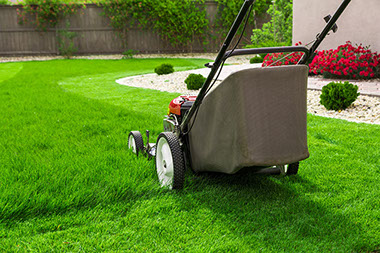
    Image of mower, cutting grass.

    More than 37,000 Americans are injured by power lawn mowers each year. Even a minor cut can become a problem if it gets infected. And, it’s possible to get severe injuries and even lose a toe if proper safety steps aren’t followed. Avoid getting hurt with these tips:

    *  Don’t mow when the grass is wet. Wet grass can be very slippery, leading to falls and injuries.

    *  Never mow barefoot. Wear heavy shoes or work boots when mowing.

    *  Don’t mow up and down hills. Mow them side to side to keep control of the mower.

    *  Keep children and pets away from running lawn mowers.

    *  Use a mower that turns off when you let go of the handle. Never pull the mower backward while it’s running.

    *  Keep the clippings bag attached to prevent injuries from flying sticks and other debris.

    Source: American College of Foot and Ankle Surgeons

    © American Institute for Preventive Medicine