FAMILY LIFE
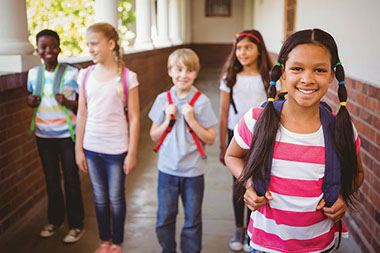
Although learning may be easier for some children than others, any child can find success at school with some extra help from their family. The American Academy of Pediatrics recommends these tips to help your child get a great education.
Make reading a priority.
Reading to your child helps them become a better learner. When they’re old enough, let them read to you. Don’t let reading be a chore. Make it a fun time for them by allowing them to choose books they enjoy. If they have difficulty reading aloud, offer to take turns reading to give them a break.
Be involved.
Ask your child about their class, their friends, and what they like about school. Attend parent-teacher conferences. If you’re concerned about how your child is doing, ask the teacher how you can help.
Get them to bed on time.
Children need the right amount of sleep for learning and good health. Lack of sleep affects the immune system, brain, and emotional control. To find out how much sleep your child needs, visitsleep.org/articles/how-much-sleep-children.
Power their bodies with healthy food.
Be sure your child eats a healthy breakfast each morning. Pack their favorite fresh fruits and vegetables in their lunches. Avoid soda and sugary drinks. A healthy diet can boost energy levels and help them stay alert.
When a child is too sick for school
Your child gets up in the morning and says she doesn’t feel well. It can be difficult to decide when your child truly needs to stay home, especially if she doesn’t appear sick. In general, a child should stay home if she:
* Has a fever greater than 99.5 degrees
* Isn’t feeling well enough to participate in activities
* Has an illness that could spread to other children
* Has no appetite
* Has diarrhea, vomiting or nausea
Often, you’ll have to use your best judgment to decide if your child should go to school. If he seems “not like himself” or you’re concerned about any symptoms, it’s usually best to play it safe and keep him home.

© American Institute for Preventive Medicine