Tag: hours

  • Get Enough Sleep 2

    Healthylife® QuitWell™

    Part 5
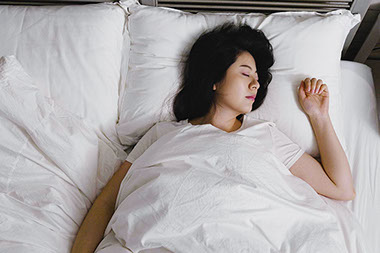
    Women sleeping.

    Not getting enough sleep can affect nearly every aspect of your day:

    *  Less energy and desire to work on your goals

    *  Feeling down, anxious, or other negative feelings

    *  Decreased creativity, making it harder to solve problems or imagine doing things differently

    *  Increased cravings for tobacco/nicotine to stay alert

    *  More unstable blood sugar levels, leading to less healthy eating and stronger cravings for nicotine

    Tips for Improving Sleep

    *  Get to bed a little earlier than normal when quitting. This may help cut out an evening cigarette and can help your body recover.

    *  Create a comfortable place to sleep. Make sure your bed, pillows, and bedding are comfortable.

    *  Maintain a slightly cooler temperature in the bedroom.

    *  Avoid looking at a screen (TV, laptop, smartphone, tablet, etc.) 30 minutes before bed.

    *  Create a bedtime and waketime routine.

    *  Reserve the bed for sleep and sex. Avoid doing other activities in bed, like work or having a tough discussion.

    *  Have a small snack before bed if you are hungry.

    * Avoid foods high in sugar or refined carbohydrates just before bed. The rise in blood sugar can provide a burst of energy that keeps you alert and makes it difficult to fall asleep.

    *  Avoid foods that are likely to cause acid reflux (heartburn), gas, cramping, or indigestion if you are prone to these problems. Fatty or spicy foods, beans, garlic, peanuts, and dairy cause discomfort for some people.

    What action can you take tonight to improve your sleep?
    © American Institute for Preventive Medicine

  • Get Enough Sleep

    Healthylife® Weigh

    Part 3

    Man sleeping.

    Not getting enough sleep can affect your appetite and make it harder to manage your blood sugar. A shortage of sleep also:

    *  Triggers ghrelin, a hunger hormone. Ghrelin increases appetite, especially for sweets, salty foods, and starches.

    *  Decreases another hormone, leptin. Leptin helps your body know when you are full.

    *  Increases anxiety and negative feelings, which can lead you to eat unhealthy snacks and overeat “comfort foods.”

    *  Decreases energy to exercise.

    Tips for Improving Sleep

    *  Create a comfortable place to sleep. Make sure your bed, pillows, and bedding are comfortable.

    *  Maintain a slightly cool temperature in the bedroom.

    *  Avoid looking at a screen (TV, laptop, smartphone, tablet, etc.) 30 minutes before bed.

    *  Create a bedtime and waking routine.

    *  Reserve the bed for sleep and sex. Avoid doing other activities in bed, like work or having an argument.

    *  Have a small snack before bed if you are hungry.

    *  Avoid foods high in sugar or refined carbohydrates just before bed. The rise in blood sugar can provide a burst of energy that keeps you alert and makes it difficult to go to sleep.

    *  Avoid foods that are likely to cause acid reflux (heartburn), gas, cramping, or indigestion if you are prone to these problems. Fatty or spicy foods, beans, garlic, peanuts, and dairy foods may cause discomfort for some people.

    © American Institute for Preventive Medicine