Tag: illness

  • Crowd Control

    MEDICAL NEWS

    Image of a crowd of people.

    Wherever there are crowds, such as at football games, conventions, or music concerts, there are germs. Mayo Clinic infectious diseases expert Dr. Gregory Poland tells how you can avoid illness when you’re in a large throng of people, even in subways and on airplanes.

    Whenever you’re in a venue with hundreds or thousands of people gathering, you automatically run increased risk for getting “something.” The people around you may not have the same immunization programs or the same standards of personal cleanliness or food safety, he said, especially if you’re in an international group.

    Besides illnesses such as whooping cough, measles, mumps, colds and flu, other heightened dangers in places with large numbers of people passing through include respiratory diseases such as tuberculosis; vermin such as head lice and bedbugs; food-borne sickness such as E. coli, salmonella, hepatitis A and traveler’s diarrhea; and skin conditions including athlete’s foot and staph infections.

    Dr. Poland offers these tips for sidestepping illness:

    *  Keep your vaccines up to date: The most important ones include the MMR vaccine for measles, mumps and rubella; the seasonal flu shot; and a relatively new vaccine called Tdap, for tetanus, diphtheria, and whooping cough.

    *  Wash your hands thoroughly with soap and hot water or an alcohol-based hand sanitizer.

    *  Dine carefully: If it’s not cooked well, boiled or peeled, forget it. Make sure food that is supposed to be hot is served hot and food that is supposed to be cold is served cold, and make sure dishes and utensils are clean.

    *  Wear shower/pool shoes when using the shower or pool in public places.

    *  Avoid swimming pools, hot tubs, or whirlpools unless you are certain they are properly maintained, and it’s hard to tell.

    *  Don’t smoke: It raises the odds you’ll get Legionnaires’ disease if you’re exposed to the legionella bacteria and can also make you more susceptible to respiratory illnesses in general.

    *  Don’t try on hats in stores to minimize the risk of getting head lice. If you buy a hat, seal it in a plastic bag to carry it home, then freeze it for several days or launder it before wearing.

    *  Scout for bedbugs in a hotel room, and once in a room, only place your luggage on wooden surfaces or in the bathtub, not on the floor, bed, chair or couch until you determine whether bedbugs are present.

    *  Be an advocate for your health: If someone near you is obviously ill, move away if you can, or ask to be reseated.

    © American Institute for Preventive Medicine

  • How Not To Get Sick When Traveling

    SELF-CARE CORNER

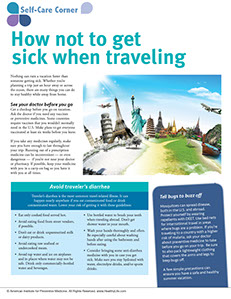
    Illustration of different city landmarks.

    Nothing can ruin a vacation faster than someone getting sick. Whether you’re planning a trip just an hour away or across the ocean, there are many things you can do to stay healthy while away from home.

    See your doctor before you go

    Get a checkup before you go on vacation. Ask the doctor if you need any vaccines or preventive medicines. Some countries require vaccines that you wouldn’t normally need in the U.S. Make plans to get everyone vaccinated at least six weeks before you leave.

    If you take any medicines regularly, make sure you have enough to last throughout your trip. Running out of a prescription medicine can be inconvenient – or even dangerous –  if you’re not near your doctor or pharmacy. If possible, keep your medicine with you in a carry-on bag so you have it with you at all times.

    Avoid traveler’s diarrhea

    Traveler’s diarrhea is the most common travel-related illness. It can happen nearly anywhere if you eat contaminated food or drink contaminated water. Lower your risk of getting it with these guidelines:

    *  Eat only cooked food served hot.

    *  Avoid eating food from street vendors, if possible.

    *  Don’t eat or drink unpasteurized milk or dairy products.

    *  Avoid eating raw seafood or undercooked meats.

    *  Avoid tap water and ice on airplanes and in places where water may not be safe. Drink only commercially-bottled water and beverages.

    *  Use bottled water to brush your teeth when traveling abroad. Don’t get shower water in your mouth.

    *  Wash your hands thoroughly and often. Be especially careful about washing hands after using the bathroom and before eating.

    *  Consider bringing some anti-diarrhea medicine with you in case you get sick. Make sure you stay hydrated with water, electrolyte drinks, and/or sports drinks.

    Tell bugs to buzz off

    Mosquitoes can spread disease, both in the U.S. and abroad. Protect yourself by wearing repellents with DEET. Use bed nets for international travel in areas where bugs are a problem. If you’re traveling to a country with a higher risk of malaria, ask your doctor about preventive medicine to take before you go on your trip. Be sure to also pack lightweight clothing that covers the arms and legs to keep bugs off.

    A few simple precautions can ensure you have a safe and healthy summer vacation.

    © American Institute for Preventive Medicine

  • Sick Days: When To Stay Home

    WORK LIFE

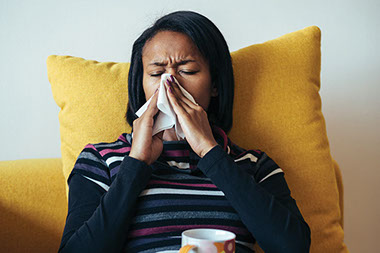
    Image of young women in bed sick.

    You’re feeling under the weather, but you don’t want to miss work. What should you do? In some cases, it may be okay to go to work when you’re not feeling 100 percent. But other times, you should make your wellness a priority. These guidelines can help you decide if you’re well enough to work:

    Fever:

    The CDC recommends you stay home for 24 hours after your fever is gone. This helps minimize the spread of illness to others. You should also skip social gatherings, shopping, and other outings.

    Sniffles and sneezing:

    Many people simply can’t miss work every time they have a minor cold. Let your symptoms be your guide. If you’re feeling well enough to work and don’t have other symptoms, such as a fever or body aches, you can go to work if necessary. But, if you have fatigue or feel that you won’t be able to safely do your job, consider using sick time.

    Vomiting or diarrhea:

    Stomach-related illnesses such as norovirus are highly contagious. Even after you stop vomiting, you could get other people sick. If you serve or prepare food as part of your job, the CDC says you should stay home for at least 48 hours after your symptoms stop.

    Remember that staying home from work may help you to recover more quickly, as your body needs rest to fight an illness. In addition, staying home will help avoid spreading illness to co-workers, customers, and others you encounter.

    Choosing to stay home may also depend on your employer’s sick day policies. Make sure you are familiar with these and abide by them.

    © American Institute for Preventive Medicine