Tag: immunity

  • Microbiome: What It Can Do

    SELF-CARE CORNER

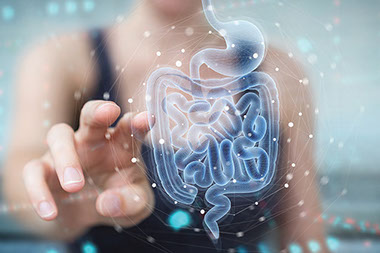
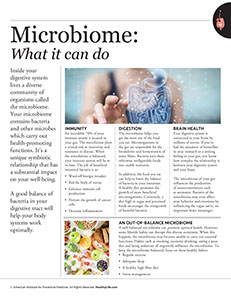
    Hand reaching out to touch an illustration of digestive system.

    Inside your digestive system lives a diverse community of organisms called the microbiome. Your microbiome contains bacteria and other microbes which carry out health-promoting functions. It’s a unique symbiotic relationship that has a substantial impact on your well-being.

    A good balance of bacteria in your digestive tract will help your body systems work optimally.

    Immunity

    An incredible 70% of your immune system is located in your gut. The microbiome plays a critical role in immunity and resistance to disease. When the microbiome is balanced, your immune system will be at its best. The job of beneficial intestinal bacteria is to:

    *  Ward off foreign invaders

    *  Rid the body of toxins

    *  Enhance immune cell production

    *  Prevent the growth of cancer cells

    *  Decrease inflammation

    Digestion

    The microbiome helps you get the most out of the food you eat. Microorganisms in the gut are responsible for the breakdown and fermentation of some fibers. Bacteria turn these otherwise undigestable foods into usable nutrients.

    In addition, the food you eat can help or harm the balance of bacteria in your intestines. A healthy diet promotes the growth of more beneficial microorganisms. Conversely, a diet high in sugar and processed foods encourages the overgrowth of harmful bacteria.

    Brain health

    Your digestive system is connected to your brain by millions of nerves. If you’ve had the sensation of butterflies in your stomach or a sinking feeling in your gut, you know how complex the relationship is between your digestive system and your brain.

    The microbiome of your gut influences the production of neurotransmitters such as serotonin. Bacteria of the microbiome may even affect your behavior and emotions by influencing the vagus nerve, an important brain messenger.

    An out-of-balance microbiome

    A well-balanced microbiome can promote optimal health. However, some lifestyle habits can disrupt this diverse ecosystem. When this happens, the microbiome may become unable to carry out essential functions. Habits such as smoking, excessive drinking, eating a poor diet and being sedentary all negatively influence the microbiome. To keep the microbiome balanced, focus on these healthy habits:

    *  Regular exercise

    *  Adequate sleep

    *  A healthy high-fiber diet

    *  Stress management
    © American Institute for Preventive Medicine

  • 5 Ways To Protect Against Infections

    General Health Conditions

    Parents with child all smiling showing upper arm with vaccine bandage.

    As part of your community, be responsible to prevent getting and spreading infections.

    1.  Wash your hands often.

    2.  Get a yearly flu vaccine. Stay up to date with COVID-19 booster shots. Get complete lists of vaccines atcdc.gov/vaccinesthat you and your children need. Follow your doctor’s advice for vaccines. Getting recommended vaccines save millions of lives and prevent millions of illnesses.

    3.  Stay home when you are sick.

    4.  Keep foods safe to eat. Use clean hands, surfaces, and utensils. Store food that can spoil below 40° F and higher than 140° F.

    5.  Practice safer sex to help prevent sexually transmitted infections.

    Take Action: Proper Handwashing

    1.  Use clean water and soap. Lather your hands all over and under your nails.

    2.  Spend 20 seconds each time. (Hum “Happy Birthday” twice.)

    3.  Rinse your hands with clean running water.

    4.  Dry your hands with an air drier or clean towel.

    Health at Home Lifetime book by the American Institute for Preventive Medicine. www.HealthyLife.com. All rights reserved.

    © American Institute for Preventive Medicine

  • Physical Health

    Healthylife® Weigh

    Part 5

    Male jogger with earphones.

    Stronger Muscles and Bones

    Muscles let you move, lift, and stretch. When you use your muscles, they get stronger so you can do everything from opening a door to smiling, chewing, and talking! Weight-bearing exercises, in particular, help bones become stronger. This helps prevent osteoporosis and fractures.

    Stronger muscles and bones will help you have good posture and keep your joints and body more naturally aligned.

    Improved Cardiovascular Health

    Heart Strength: Exercise strengthens your heart muscle. This means the heart can pump more blood per stroke and doesn’t require as many heartbeats to pump the same amount of blood. This makes your heart more efficient and lessens your risk of having a heart attack or blood clots.

    Cholesterol Levels: Exercise boosts high-density lipoprotein (HDL), or “good,” cholesterol and decreases unhealthy triglycerides. This helps to keep your blood flowing smoothly, decreasing your risk of cardiovascular disease. The more you exercise, the more your cholesterol levels will improve.

    Blood Pressure Control: Hormones that are released during exercise make blood vessels more elastic. This helps lower blood pressure.

    Improved Breathing

    Exercise improves your body’s ability to take in oxygen and transport and use oxygen throughout the body. This helps your muscles get the oxygen they need to be more efficient during exercise. With improved lung function, your ability to exercise longer (stamina) can increase! You’ll also be able to think more clearly throughout the day.

    Improved Immune System

    Exercise improves the circulation of immune cells in your blood that fight off viruses and bacteria. Exercise also helps combat damage done to cells, tissues, and organs.

    © American Institute for Preventive Medicine

  • 6 Reasons To Eat Oranges Daily

    HEALTHY EATING

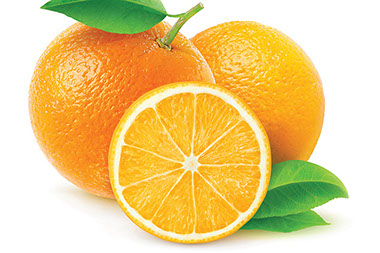
    Image of an orange.

    1. Vitamin C

    One large orange gives you 130 percent of your daily need for vitamin C. This vitamin helps boost immunity and fight cancer.

    2. Fiber

    One sweet, juicy orange delivers 4 grams of fiber. Fiber helps with digestion and may help prevent heart disease and some cancers.

    3. Minerals

    Oranges also contain important minerals such as calcium, magnesium, copper, phosphorus and potassium. These minerals are important for immune health, nervous system and muscle function, and many other body processes.

    4. B vitamins

    Oranges contain several of the B vitamins, which help the body’s cells work properly and provide you with energy.

    5. Calorie-Friendly

    One orange is a lower calorie option to satisfy your craving for something sweet.

    6. Phytochemicals

    Oranges contain hundreds of these plant chemicals that support many metabolic functions in the body.

    Sources: United States Department of Agriculture, National Institutes of Health

    © American Institute for Preventive Medicine
  • Eat Up To Boost Immunity

    HEALTHY EATING

    Image of man wearing superhero cape and t-shirt while drinking out of a cup.

    The cold and flu season can take its toll on even the healthiest person. With people coughing and sneezing seemingly everywhere, it can be hard to avoid the many illnesses that make their rounds this time of year.

    The good news is, there are some foods that may help you stave off colds and flu. These foods can boost the immune system, helping it fight off bad viruses that could make you sick. A healthy diet is a key part of a healthy immune system.

    Perhaps these foods don’t have superhero powers, but they act like protectors and guardians for our health. For a super-charged immune system, eat foods that contain these nutrients:

    Vitamin A

    This vitamin regulates the immune system. It keeps skin and tissues in the mouth and stomach healthy, which helps keep out unwanted invaders. Good sources of this vitamin include sweet potatoes, carrots, apricots, red bell peppers, spinach, kale and eggs.

    Vitamin C

    Perhaps the most famous of the immunity vitamins, vitamin C is well known for a reason. It tells your immune system to make antibodies to fight off infections. Citrus fruits like oranges and grapefruit are great sources, as well as red bell peppers, strawberries, broccoli and tomato juice.

    NOTE:grapefruit can interact with medicines. If you take any medicines, ask your doctor before eating grapefruit or drinking grapefruit juice.

    Vitamin E

    This vitamin fights off free radicals, which cause damage to the body’s cells and may harm the immune system. Vitamin E is found in wheat germ, sunflower seeds, hazelnuts, almonds, avocado, peanuts, red bell peppers and eggs.

    Zinc

    This mineral is found in many cold remedies and “immune boosting” vitamins. But, getting it from whole foods is usually better than taking a pill. Find immune-boosting zinc in lean meat, poultry and seafood, as well as cooked beans and lentils, cashews, pumpkin seeds, cottage cheese and fortified breakfast cereals.

    A well-rounded diet is very important to overall health. But, don’t rely on foods alone to keep you healthy this cold and flu season. Eat right, get exercise, get plenty of sleep and wash hands frequently for a healthier winter – and a healthier life. Finally, if you do get sick, these same healthy habits will help you feel better sooner.

    Sources: Academy of Nutrition and Dietetics, Food and Drug Administration

    © American Institute for Preventive Medicine
  • Garlic Secrets

    HEALTHY EATING

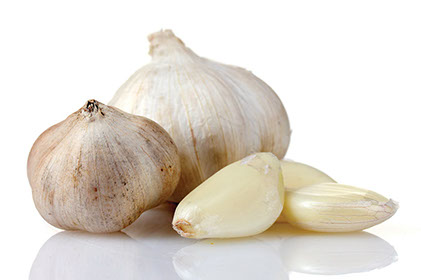
    Image of garlic.

    Use a garlic peeler to quickly peel garlic. A garlic peeler is a cylindrical piece of rubber that you place the garlic in and then roll it on the counter with the palm of your hand. The peel will stick to the inside of the peeler, and the garlic will fall out the end. If you don’t have a garlic peeler, you can do the same thing with a rubber jar opener, say extension experts at the University of Nebraska-Lincoln.

    Bonus tip:

    To mince garlic without having it stick to your knife, add a few drops of water to the garlic and then chop. The garlic sticks to the cutting board and not your knife.

    © American Institute for Preventive Medicine

  • Mushrooms: Eat Your Fungi!

    HEALTHY EATING

    Image of mushrooms.

    Botanically speaking, mushrooms are not a vegetable, but a type of fungi. However, this doesn’t make them any less nutritious. In fact, mushrooms have some important nutrients and health benefits.

    Mushrooms love the sun

    Vitamin D has been a hot topic lately in nutrition news. Some research suggests the nutrient may help prevent some types of cancer. It also plays a role in a healthy immune system and building strong bones.

    Mushrooms contain a nutrient that turns into vitamin D when exposed to sunlight. Some stores sell mushrooms processed this way. Look for “high vitamin D” mushrooms. Or, you can make them yourself by setting your fresh mushrooms in the sun for a few minutes.

    Versatile & healthy

    Mushrooms have many other health benefits as well. They add flavor and interest to many recipes without adding many calories. They are very low in fat and sodium, and have fiber and a small amount of protein.

    Mushrooms have some B vitamins, and contain the minerals selenium and potassium. Try adding them to pasta, pizza and meat dishes. They can also be eaten as a side dish alone: wash, slice and sauté them in a pan with a splash of olive oil and garlic until they are cooked through.

    Portabella mushrooms are large enough to be eaten on a bun as a “portabella burger.” In fact, one whole portabella mushroom has just 18 calories, 1 gram of fiber, and less than half a gram of fat. That’s a healthy burger alternative that’s worth a try!

    Mushroom safety

    Mushrooms grow almost anywhere that gets enough shade and moisture. But, this doesn’t mean people should pick wild mushrooms and eat them. In fact, many people have gotten sick or worse from eating wild mushrooms.

    Many poisonous mushrooms look very similar to those safe to eat. Some types can cause vomiting, diarrhea and kidney damage. They can even cause death in rare cases.

    To avoid poisonous mushrooms, only eat those purchased from a reputable supermarket or have been inspected and identified as safe by a mushroom expert.

    Some people are allergic to mushrooms and cannot safely eat them. If you have severe allergies and have never eaten mushrooms before, ask your allergist before trying them.

    Sources: United States Department of Agriculture (USDA), Produce for Better Health Foundation

    © American Institute for Preventive Medicine

  • Still No Flu Shot? It’S Not Too Late

    SELF-CARE CORNER

    Image of fingers crossed with smiling faces drawn in them.

    The flu causes hundreds of thousands of hospitalizations and thousands of deaths each year, according to the Centers for Disease Control and Prevention (CDC). It’s a serious disease that is especially dangerous for babies, the elderly and those with health conditions, such as heart disease.

    Get your flu shot if you haven’t done so yet. You may be wondering if getting a shot now will be helpful, and the answer is “yes!” Here’s why:

    *  Getting the shot now means you could be protected before the peak of the holiday season. It takes about 2 weeks to get the full immunity from a flu shot.

    *  Flu season usually continues until March or even April of each year. Getting the shot now means months of protection!

    *  As long as the flu keeps spreading, the flu shot can keep you from getting sick.

    *  If you do get sick, your illness will probably be much milder.

    *  No one likes to have a fever, chills, cough, headache, sore throat, body aches, nausea or vomiting. Getting the flu shot now means you reduce your risk of getting all these symptoms from the flu this season. The flu is much more serious than a cold.

    Top flu shot myths busted

    Many people have heard myths about the flu shot and may wonder if it’s safe and effective. Check out these common misconceptions and the truth about the flu shot:

    Myth: You can get sick from the flu shot.

    Fact:The flu shot cannot make you sick with the flu. It contains inactivated (killed) viruses. Some people have mild side effects that last only a day or so that include aches, soreness and a low fever. These side effects are much shorter and milder than getting the flu.

    Myth: I got the flu shot last year, so I don’t need a new one.

    Fact:The flu shot changes each year based on what flu viruses are going around. Experts choose several viruses that are most likely to make people sick and include them in the vaccine. Last year’s vaccine may not offer protection against this year’s viruses.

    Myth: It’s better to just get the flu and get immunity that way.

    Fact:While most healthy people will recover from the flu without problems, this is a dangerous risk to take. Anyone who gets the flu can be at risk of having serious problems. And, there is a high risk of spreading it to loved ones, especially babies, the elderly and people with weakened immune systems.

    © American Institute for Preventive Medicine