Tag: infection

  • Prevent Ear Infections

    FAMILY LIFE

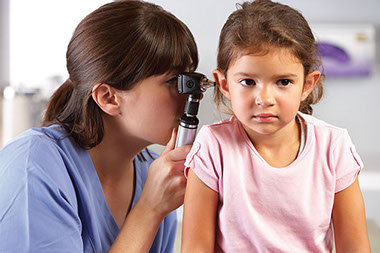
    Image of doctor looking into a child's ear.

    “Most children will have at least one ear infection by the time they are 2 years old,” said Dr. Heather Gomes of the Boys Town National Research Hospital. “For those children who have recurring ear infections, further evaluation and treatment by an ear, nose and throat physician is recommended to avoid delays in speech and language skills.”

    The top 5 tips to prevent ear infections –

    1. Protect your child from secondhand tobacco smoke.

    2. Reduce your child’s exposure to colds during the first 2 years of life as much as possible.

    3. Breast-feed your baby during the first 6 to 12 months of life.

    4. Bottle-feed your child by holding the bottle at a 45-degree angle.

    5. Discuss with your doctor any significant symptoms such as excessive spitting up or stomach pain because this is a risk factor.

    © American Institute for Preventive Medicine

  • Fever

    General Health Conditions

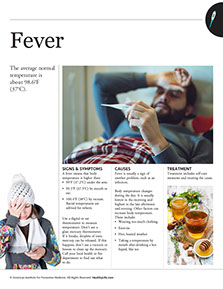
    The average normal temperature is about 98.6°F (37°C).

    Signs & Symptoms

    A fever means that body temperature is higher than:

    *  99°F (37.2°C) under the arm.

    *  99.5°F (37.5°C) by mouth or ear.

    *  100.4°F (38°C) by rectum. Rectal temperatures are advised for infants.

    Don’t use a glass mercury thermometer. If it breaks, droplets of toxic mercury can be released. If this happens, don’t use a vacuum or broom to clean up the mercury. Call your local health or fire department to find out what to do.

    Causes

    Fever is usually a sign of another problem, such as an infection.

    Body temperature changes during the day. It is usually lowest in the morning and highest in the late afternoon and evening. Other factors can increase body temperature. These include:

    *  Wearing too much clothing.

    *  Exercise.

    *  Hot, humid weather.

    *  Taking a temperature by mouth after drinking a hot liquid, like tea.

    Treatment

    Treatment includes self-care measures and treating the cause.

    Questions to Ask

    Self-Care / Prevention

    *  Drink lots of fluids, such as fruit juice, water, etc.

    *  Take a sponge bath with warm (about 70ºF) water. Don’t use cold or cool water. Don’t use rubbing alcohol.

    *  Take the right dose of an over-the-counter medicine to reduce fever, as directed.

    *  Rest.

    *  Don’t do heavy exercise.

    *  Don’t wear too many clothes. Don’t use too many blankets.

    Healthier at Home book by the American Institute for Preventive Medicine. www.HealthyLife.com. All rights reserved.

    © American Institute for Preventive Medicine

  • Sepsis: Be Aware Of This Deadly Condition

    MEDICAL NEWS

    Image of sick women in bed.

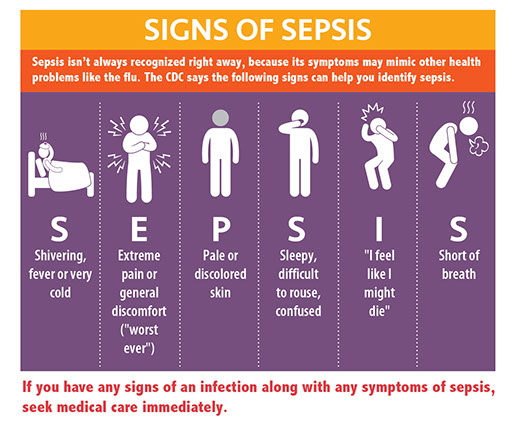
    Sepsis is among the top causes of disease-related death in our country, killing about 200,000 people each year. Actress Patty Duke’s recent death from sepsis brought more attention to this dangerous disease. It’s important to know the signs of sepsis so you can seek emergency medical care for this serious condition. Early treatment can save lives.

    Sepsis is a strong and harmful reaction of the body’s immune system. It can be triggered by common infections, such as pneumonia, a urinary tract infection, or even a minor infection like a cut or scrape, if it becomes infected and the infection spreads.

    Most of the time, these infections don’t cause sepsis. But when sepsis does occur, it can cause a dangerous drop in blood pressure, resulting in organ failure and death. It tends to affect the very young, the elderly or those with weakened immune systems.

    Influenza vaccines and pneumococcal vaccines may help prevent sepsis. Consider getting these vaccines to reduce your risk.

    © American Institute for Preventive Medicine

  • First Aid Precautions

    First Aid

    Image of women on phone beside someone who is unresponsive.

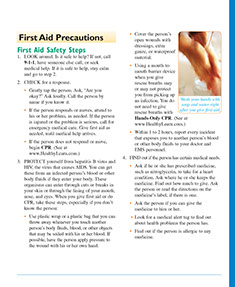
    First Aid Safety Steps

    1.  LOOK around. Is it safe to help? If not, call  9-1-1, have someone else call, or seek medical help. If it is safe to help, stay calm and go to step 2.

    2.  CHECK for a response.

    *  Gently tap the person. Ask, “Are you okay?” Ask loudly. Call the person by name if you know it.

    *  If the person responds or moves, attend to his or her problem, as needed. If the person is injured or the problem is serious, call for emergency medical care. Give first aid as needed, until medical help arrives.

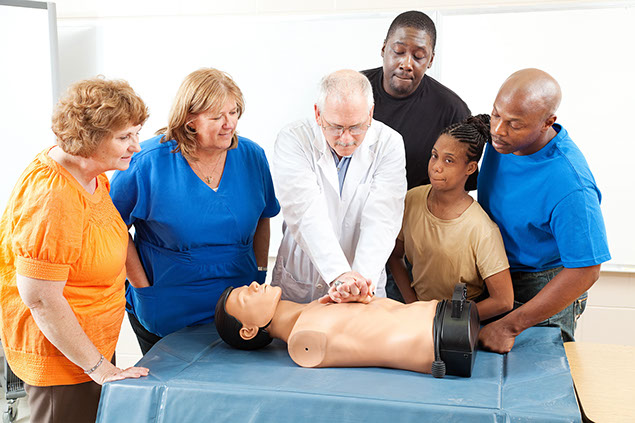
    *  If the person does not respond or move, begin CPR.

    3.  PROTECT yourself from hepatitis B virus and HIV, the virus that causes AIDS. You can get these from an infected person’s blood or other body fluids if they enter your body. These organisms can enter through cuts or breaks in your skin or through the lining of your mouth, nose, and eyes. When you give first aid or do CPR, take these steps, especially if you don’t know the person:

    *  Use plastic wrap or a plastic bag that you can throw away whenever you touch another person’s body fluids, blood, or other objects that may be soiled with his or her blood. If possible, have the person apply pressure to the wound with his or her own hand.

    *  Cover the person’s open wounds with dressings, extra gauze, or waterproof material.

    *  Using a mouth-to-mouth barrier device when you give rescue breaths may or may not protect you from picking up an infection. You do not need to give rescue breaths with Hands-Only CPR.

    *  Within 1 to 2 hours, report every incident that exposes you to another person’s blood or other body fluids to your doctor and EMS personnel.

    4.  FIND out if the person has certain medical needs.

    *  Ask if he or she has prescribed medicine, such as nitroglycerin, to take for a heart condition. Ask where he or she keeps the medicine. Find out how much to give. Ask the person or read the directions on the medicine’s label, if there is one.

    *  Ask the person if you can give the medicine to him or her.

    *  Look for a medical alert tag to find out about health problems the person has.

    *  Find out if the person is allergic to any medicine.

    Healthier at Home book by the American Institute for Preventive Medicine. www.HealthyLife.com. All rights reserved.

    © American Institute for Preventive Medicine

  • Use Antibiotics Wisely

    MEDICAL NEWS

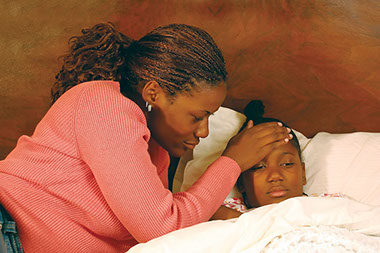
    Image of mother with sick child in bed.

    Antibiotics do not fight infections caused by viruses such as colds, flu, most sore throats, bronchitis, and many sinus and ear infections. Instead, symptom relief might be the best treatment option for viral infections, advises the CDC.

    Get smart about when antibiotics are needed-to fight bacterial infections. When you use antibiotics appropriately, you do the best for your health, your family’s health, and the health of those around you.

    Know that antibiotics

    *  Will not cure a viral infection

    *  Will not keep other people from getting sick

    *  Will not help you or your child feel better

    *  May cause unnecessary and harmful side effects

    *  May contribute to antibiotic resistance, which is when bacteria are able to resist the effects of an antibiotic and continue to cause harm

    Rest, fluids, and over-the-counter products may be your or your child’s best treatment option against viral infections.

    © American Institute for Preventive Medicine

  • Hiv/Aids

    Sexual Health

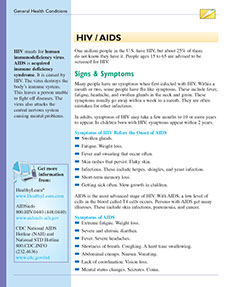
    HIV stands for human immunodeficiency virus. AIDS is acquired immune deficiency syndrome. It is caused by HIV. The virus destroys the body’s immune system. This leaves a person unable to fight off diseases. The virus also attacks the central nervous system causing mental problems. One million people in the U.S. have HIV, but about 25% of them do not know they have it. People ages 15 to 65 are advised to be screened for HIV.

    Signs & Symptoms

    Many people have no symptoms when first infected with HIV. Within a month or two, some people have flu-like symptoms. These include fever, fatigue, headache, and swollen glands in the neck and groin. These symptoms usually go away within a week to a month. They are often mistaken for other infections.

    In adults, symptoms of HIV may take a few months to 10 or more years to appear. In children born with HIV, symptoms appear within 2 years.

    Symptoms of HIV Before the Onset of AIDS

    *  Swollen glands.

    *  Fatigue. Weight loss.

    *  Fever and sweating that occur often.

    *  Skin rashes that persist. Flaky skin.

    *  Infections. These include herpes, shingles, and yeast infection.

    *  Short-term memory loss.

    *  Getting sick often. Slow growth in children.

    AIDS is the most advanced stage of HIV. With AIDS, a low level of cells in the blood called T4 cells occurs. Persons with AIDS get many illnesses. These include skin infections, pneumonia, and cancer.

    Symptoms of AIDS

    *  Extreme fatigue. Weight loss.

    *  Severe and chronic diarrhea.

    *  Fever. Severe headaches.

    *  Shortness of breath. Coughing. A hard time swallowing.

    *  Abdominal cramps. Nausea. Vomiting.

    *  Lack of coordination. Vision loss.

    *  Mental status changes. Seizures. Coma.

    Causes

    HIV is spread when body fluids, such as semen and blood, pass from an infected person to another person. This includes having unprotected sexual contact and/or sharing drug needles.

    Infected females can give HIV to their babies during pregnancy, birth, or breast-feeding. The risk of the baby getting HIV is lowered a great deal if the female takes antiviral medicines during the pregnancy and delivery. The baby takes medicine the first six weeks of life, too.

    HIV is not spread from donating blood, touching, hugging, or (dry) kissing a person with HIV. A cough, a sneeze, tears, sweat, or using a hot tub, or public restroom does not spread HIV either.

    Treatment

    A rapid oral HIV test and blood tests detect antibodies to HIV. There is no cure for AIDS, but treatment helps the immune system fight HIV, infections, and cancers that can occur with it. Treatment includes medications (often used in multidrug combinations) and treating infections.

    Questions to Ask

    Self-Care / Prevention

    *  Take medication as prescribed.

    *  Take steps to reduce the risk of getting infections and diseases. Get enough rest. Eat healthy foods. Take vitamins and minerals as advised by your doctor.

    *  Get emotional support. Join a support group for persons infected with HIV. Let your family and friends know how they can help you.

    To Reduce the Risk for HIV

    *  Follow Safer Sex.

    *  Don’t share needles with anyone. Don’t have sex with people who use or have injected illegal drugs.

    *  Don’t share personal items that have blood on them, such as razors.

    *  Don’t have sex with people who are at high risk for HIV:

    – Persons with multiple sex partners or who inject illegal drugs.

    – Partners of persons infected or exposed to HIV.

    – Persons who have had multiple blood transfusions, especially before 1985, unless tested negative for HIV.

    Resources

    AIDSinfo

    800.HIV.0440 (448.0440)

    www.aidsinfo.nih.gov

    CDC National AIDS Hotline (NAH) and National STD Hotline

    800.CDC.INFO (232.4636)

    www.cdc.gov/std

    Healthier at Home book by the American Institute for Preventive Medicine. www.HealthyLife.com. All rights reserved.

    © American Institute for Preventive Medicine

  • What Is Antibiotic Resistance?

    MEDICAL NEWS

    Image of doctor with child patient.

    Antibiotic resistance happens when bacteria change in a way that the antibiotics that used to treat them are less effective or not effective at all. As a result, stronger, more expensive antibiotics are needed to kill the same bacteria. People who develop antibiotic-resistant infections are more likely to need treatment in a hospital and are at increased risk for death. Using antibiotics the wrong way contributes to the rise in antibiotic-resistant infections.

    How do I use antibiotics the right way?

    Antibiotics treat infections caused by bacteria, not viruses. Do not ask for antibiotics for symptoms of colds and flu. These illnesses are caused by viruses. Often, antibiotics are not needed for ear infections, sore throats, and sinus infections because these can be viral infections, too.

    If your doctor does prescribe an antibiotic, take it as prescribed. Do not skip doses. Take the entire course to make sure that no pesky bacteria linger because this can lead to a more serious infection.

    Source: Association for Professionals in Infection Control and Epidemiology. Read more at www.cdc.gov/getsmart.

    © American Institute for Preventive Medicine

  • Hiv/Aids 2

    Women’s Health

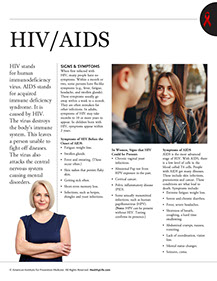
    HIV stands for human immunodeficiency virus. AIDS is acquired immune deficiency syndrome. It is caused by HIV. The virus destroys the body’s immune system. This leaves a person unable to fight off diseases. The virus also attacks the central nervous system causing mental problems.

    Signs & Symptoms

    When first infected with HIV, many people have no symptoms. Within a month or two, some persons have flu-like symptoms (e.g., fever, fatigue, headache, and swollen glands). These symptoms usually go away within a week to a month. They are often mistaken for other infections. In adults, symptoms of HIV may take months to 10 or more years to appear. In children born with HIV, symptoms appear within 2 years.

    Symptoms of HIV Before the Onset of AIDS

    *  Fatigue. Weight loss.

    *  Swollen glands.

    *  Fever and sweating. These occur often.

    *  Skin rashes that persist. Flaky skin.

    *  Getting sick often.

    *  Short-term memory loss.

    *  Infections. These include herpes, shingles, and yeast infections.

    In Women, Signs that HIV Could be Present Include:

    *  Chronic vaginal yeast infections.

    *  Abnormal Pap test from HPV exposure in the past.

    *  Cervical cancer.

    *  Pelvic inflammatory disease (PID).

    *  Some sexually transmitted infections, such as human papillomavirus (HPV). {Note: HPV can be present without HIV. Testing confirms its presence.}

    AIDS is the most advanced stage of HIV. With AIDS, there is a low level of cells in the blood called T4 cells. Persons with AIDS get many illnesses. These include skin infections, pneumonia, and cancer. These conditions are what lead to death.

    Symptoms of AIDS

    *  Extreme fatigue. Weight loss.

    *  Severe and chronic diarrhea.

    *  Fever. Severe headaches.

    *  Shortness of breath. Coughing. A hard time swallowing.

    *  Abdominal cramps. Nausea. Vomiting.

    *  Lack of coordination. Vision loss.

    *  Mental status changes.

    *  Seizures. Coma.

    Causes

    HIV is spread when body fluids, such as semen or blood, pass from an infected person to another person. This includes having sex without a latex or polyurethane condom and/or sharing drug needles.

    Infected females can give HIV to their babies during pregnancy, delivery, and breast-feeding. The risk of the baby getting HIV is greatly lowered if the mother takes antiviral medicines during the pregnancy and delivery. The baby takes medicine the first six weeks of life, too.

    High Risk Activities for HIV Infection

    *  Anal, oral and/or vaginal sex without a latex or polyurethane condom, unless you limit sexual contact to one person and neither of you is infected with HIV. High risk situations are having sex:

    – When drunk or high. (Judgement is impaired.)

    – With multiple or casual sex partners or with a partner who has had multiple sex partners.

    – With a partner who has used drugs by  injection or is a bisexual male.

    – When you or your partner has signs and symptoms of a genital tract infection.

    *  Sharing needles and/or “the works” when injecting any kind of drugs.

    *  Having had blood transfusions, especially before 1985, unless tested negative for HIV.

    *  Prolonged, open-mouth kissing with a person infected with HIV.

    Blood screening tests are also done on donated blood which makes it highly unlikely that you’d get HIV from current blood transfusions. You cannot get HIV from:

    *  Donating blood.

    *  Casual contact, such as touching, holding hands, hugging, and dry kissing.

    *  A cough, sneeze, tears, or sweat.

    *  An animal or insect bite.

    *  A toilet seat. Using a hot tub or swimming.

    Treatment

    There is no cure for AIDS. Treatment includes:

    *  Medications. Multi-drug combinations are used.

    *  Measures to reduce the risk of infections and diseases (e.g., rest, proper nutrition, and vitamin supplements, as advised).

    *  Emotional support.

    *  Medical treatment for infections and chronic problems.

    Questions to Ask

    Self-Care / Prevention

    Someday, a cure for HIV/AIDS may exist. For now, prevention is the best protection. Take these steps:

    *  Unless you are in a monogamous relationship in which you and your partner are HIV free, use male latex or polyurethane condoms every time you have sex.

    *  Don’t have sex with people who are at high risk for HIV. These are:

    – Persons with multiple sex partners.

    – Persons who inject illegal drugs.

    – Partners of persons infected or exposed to HIV.

    – Persons who have had multiple blood transfusions, especially before 1985, unless tested negative for HIV.

    *  Ask specific questions about your partner’s sexual past (e.g., have they had many partners or unprotected (no condom) sex?). Ask if they have been tested for HIV and if the results were positive or negative. Be aware, though, that the response may not be an honest one. You need to protect yourself! Get tested for HIV. Ask your partner to get tested, too. If you have been exposed to HIV, use prevention measures or avoid sex until you get tested for it.

    *  If you’ve had sex with someone you suspect is HIV positive, see your doctor.

    *  Don’t share needles with anyone. This includes illegal drugs, such as heroin, as well as, steroids, insulin, etc.

    *  Don’t share personal items that have blood on them, such as razors.

    *  Plan ahead for safer sex. Decide what you’ll say and be willing to do ahead of time with a potential sex partner.

    *  Keep a supply of condoms handy (e.g., in your purse, by the bed, in your pocket, etc.). Know the correct way to use them. Putting the condom on your partner can be a part of foreplay.

    *  Don’t have sex when your judgement is impaired, such as while under the influence of drugs or alcohol.

    *  Avoid sex if either partner has signs and symptoms of a genital tract infection.

    Detection

    A rapid oral HIV test and blood tests detect antibodies to HIV. Get tested for HIV at doctors’ offices, clinics, and health departments or use a home test and counseling service, such as Home Access. You can buy this over-the-counter, by phone at 800.HIV.TEST (448.8378), or online atwww.homeaccess.com.

    Resources

    National AIDS Hotline

    800.CDC.INFO (232.4636)

    AIDS Info

    800.HIV.0440 (448.0440)

    www.aidsinfo.nih.gov

    Women's Self-Care book by the American Institute for Preventive Medicine. www.HealthyLife.com. All rights reserved.

    © American Institute for Preventive Medicine

  • Zika Virus: What To Know

    MEDICAL NEWS

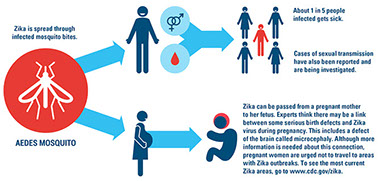
    Infograph showing the zika virus.

    According to the CDC, Zika has not yet been spread by mosquitoes in the U.S., but cases have been reported here. These occurred in people who recently traveled to one of the known Zika areas.

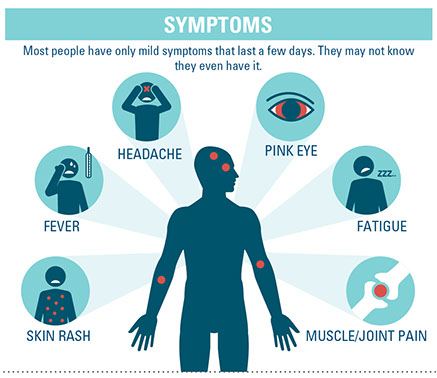
    Graph showing symptoms of zika virus.

    Treatment

    At this time, there is no vaccine for Zika.

    *  Rest

    *  Drink water

    *  Take medications for pain and fever

    *  Call your doctor

    Prevention

    *  Use an insect repellent regularly on yourself and your children. Use one registered with the EPA.

    *  Wear light-colored clothes that cover as much of your body as possible.

    *  Sleep under a mosquito bed net if you are sleeping outside or not able to protect yourself from mosquito bites.

    *  Get rid of standing water. This is where mosquitoes breed. Cover rain barrels and other containers that store water.

    *  Protect windows and doors with screens or mosquito nets. Use air conditioning, if possible.

    *  If you’ve recently been to a known Zika area, are pregnant or are having symptoms of Zika, call your doctor.

    Sources: World Health Organization and Centers for Disease Control and Prevention

    © American Institute for Preventive Medicine

  • Laryngitis

    Ear, Nose & Throat Conditions

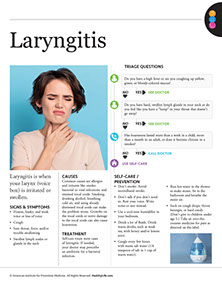
    Laryngitis is when your larynx (voice box) is irritated or swollen.

    Signs & Symptoms

    *  Hoarse, husky, and weak voice or loss of voice.

    *  Cough.

    *  Sore throat, fever, and/or trouble swallowing.

    Causes

    Common causes are allergies and irritants like smoke; bacterial or viral infections; and strained vocal cords. Smoking, drinking alcohol, breathing cold air, and using already distressed vocal cords can make the problem worse. Growths on the vocal cords or nerve damage to the vocal cords can also cause hoarseness.

    Treatment

    Self-care treats most cases of laryngitis. If needed, your doctor may prescribe an antibiotic for a bacterial infection.

    Questions to Ask

    Self-Care / Prevention

    *  Don’t smoke. Avoid secondhand smoke.

    *  Don’t talk if you don’t need to. Write notes, instead.

    *  Use a cool-mist humidifier in your bedroom.

    *  Drink a lot of fluids. Drink warm drinks, such as weak tea, with honey and/or lemon juice.

    *  Gargle every few hours with warm salt water (1/4 teaspoon of salt in 1 cup of warm water).

    *  Run hot water in the shower to make steam. Sit in the bathroom and breathe the moist air.

    *  Suck on cough drops, throat lozenges, or hard candy. (Don’t give to children under age 5.) Take an over-the-counter medicine for pain as directed on the label.

    Resources

    American Academy of Otolaryngology –

    Head and Neck Surgery

    www.entnet.org

    Healthier at Home book by the American Institute for Preventive Medicine. www.HealthyLife.com. All rights reserved.

    © American Institute for Preventive Medicine