Tag: injury prevention

  • Stay Fit For Life By Getting Flexible

    BE FIT

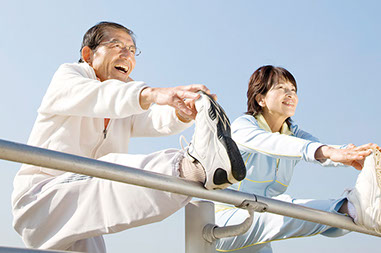
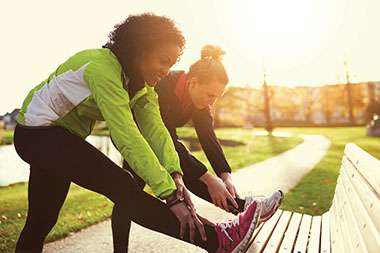
    Two women stretching legs on bench.

    Flexibility is your range of motion throughout the joints of your body. A rigid joint may not function well and can limit your ability to move with ease.

    A healthy range of motion allows you to bend down to tie your shoes or reach up high to get something out of a cabinet. If you want to move well, you need to be flexible!

    Tips to improve flexibility

    *  Stretch your muscles daily.

    *  Take regular stretch breaks, especially after long periods of inactivity.

    *  Make time to stretch after you exercise when your muscles are warm.

    *  Hold each stretch for about 90 seconds.

    *  Only stretch to the point of “comfortable discomfort,” never pain.

    *  Breathe deeply and relax while stretching.

    © American Institute for Preventive Medicine

  • How To Stretch The Right Way

    BE FIT

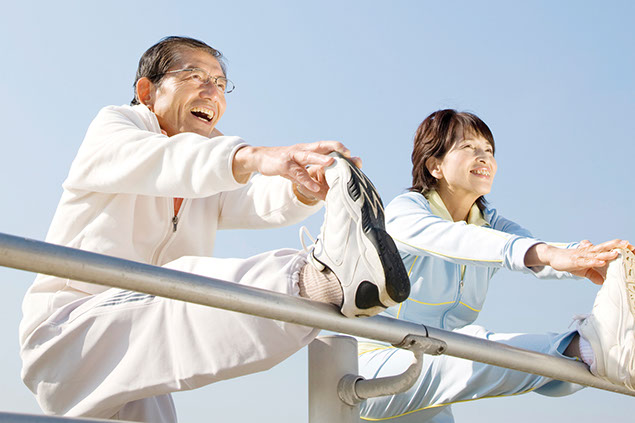
    Image of an older Asian couple stretching.

    Do you skip stretching after your workout because you don’t have time? This may be a mistake: stretching can have benefits for flexibility, range of motion, and blood flow to the muscles, according to the American Academy of Family Physicians. But to reap these rewards, stretching needs to be done correctly. Be sure you follow these tips:

    *Never stretch cold muscles.If you haven’t been moving, it’s not a good time to stretch. The best time is right after your workout, or at least after a 5-10 minute warm-up.

    *Don’t bounce.Use smooth, slow, controlled movements. Bouncing can actually harm muscles.

    *Breathe.Be sure you’re breathing in and out, and not holding your breath.

    *Hold it.A good stretch should last at least 30 seconds, and you may want to hold some for up to 60 seconds.

    *Stretch until you feel it, but don’t go too far.Stretching should feel good, not painful. If it hurts, back off the stretch until it’s comfortable, then hold.

    If you have a strained muscle, sprain, or other injury, talk with your doctor before stretching or starting any exercise. People with chronic conditions, such as diabetes, arthritis, and heart disease, should also seek their doctor’s advice on the safest exercises for them.

    © American Institute for Preventive Medicine

  • Preventing Falls In The Winter

    SELF-CARE CORNER

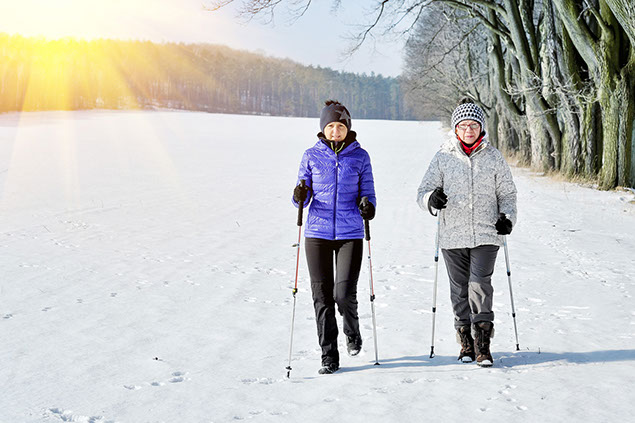
    Image of family walking outside in the snow.

    Most of us can recall a time when we slipped in the winter snow or on an icy sidewalk. You may have gotten away with just a bruise or a sore spot for a few days.

    But, slips and falls can be serious – especially for older adults and those with health problems. In fact, falls are the leading cause of injuries in older adults. Some falls can even be fatal.

    Colder temperatures mean slick surfaces –  and dangerous falls. Follow these suggestions to help avoid falls in the winter, and share them with the older adults in your life.

    Vehicle safety

    Getting in and out of a car is a prime time for slips and falls.

    *  Look at the surface before you step out of your car.

    *  Keep three or four “points of contact” when getting in and out. This means put both feet on the ground, and have one or two hands on a stable part of the car before you try to move.

    Walk safely

    People who have a high fall risk may need to avoid walking outdoors when it’s icy. But for those who can’t avoid walking in the winter weather, follow these tips:

    *  Get rid of old footwear. Shoes and boots that have worn soles are more likely to lose their grip and slip.

    *  Wear boots with deep cleats or use ice cleats on the outside of boots. These are available at most sporting goods stores.

    *  If you use a cane for walking, consider getting an ice grip that attaches to the tip of your cane.

    *  Wear warm gloves or mittens. Don’t keep hands in pockets, as this makes it harder to keep your balance.

    *  Keep hands free by using a backpack or cross-body purse in place of a handbag.

    *  When possible, choose surfaces that have been salted and that are in direct sunlight.

    *  Keep a small bag of kitty litter in your purse or pocket. If a surface looks icy, scatter some of the litter in front of you before walking.

    *  Don’t be afraid to go “off road.” If a sidewalk looks icy, consider walking on the grass next to it. This can work if you can see that the ground doesn’t have hazards like holes or uneven surfaces.

    *  Use ice melting salt or sand on your sidewalks and around entries to your home. Older adults may need a loved one or a neighbor to help apply this every time it snows or gets icy.

    Source: National Council on Aging

    © American Institute for Preventive Medicine

  • Stay In The Game

    SELF-CARE CORNER

    Image of older man wearing knee pads while holding a helmet.

    Although many athletes understand the importance of keeping their muscles and bones healthy, it’s also important for them to take care of their skin. Sports equipment, especially protective helmets and pads, creates a warm, moist and dark environment for the germs that can cause skin infections to grow.

    “Athletes are at an increased risk of skin infection, which can have serious consequences and may take them-and their teammates-out of the game for days, weeks or months,” said dermatologist Jeffrey V. Benabio. “If athletes notice anything on their skin that itches, burns or may be infected, they should see a board-certified dermatologist or sports medicine doctor.”

    To help prevent skin infections, Dr. Benabio recommends that coaches, athletes, and athletic trainers follow these tips:

    *  Keep cuts and scrapes clean and covered with a bandage until healed. A cut or scrape weakens the skin’s defense and allows germs that cause infections to enter.

    *  Prevent blisters to reduce infections. Apply a pad, gel or spray to areas that routinely blister. To help prevent blisters on the feet, ankles and hands, consider using specialized gloves and socks or wearing two pairs of socks. Athletes should also make sure that their footwear fits properly.

    *  Wear moisture-wicking clothes. This helps keep the athlete’s skin dry and prevents germs from growing.

    *  Wear sandals in the locker room. Wearing sandals or other shoes helps reduce infections on the feet.

    *  Shower after every practice and game. In addition, athletes should use an antimicrobial soap and wash their entire body.

    *  Do not share personal care items. Athletes should always use a clean towel after showering and use their own towels, soaps, razors and other personal care items.

    *  Wash clothes and towels after each use. Sports bags should also be washed, as germs that cause infections can remain in the bags and grow.

    *  Disinfect equipment, including protective gear, daily. For proper disinfection, follow the manufacturers’ instructions.

    *  Perform regular skin checks. Athletes should check their skin daily, especially those in high-risk sports, such as wrestling. Look for any changes, such as cuts, sores, redness, swelling and pus, and report any changes to an athletic trainer or doctor.
    © American Institute for Preventive Medicine