BE FIT
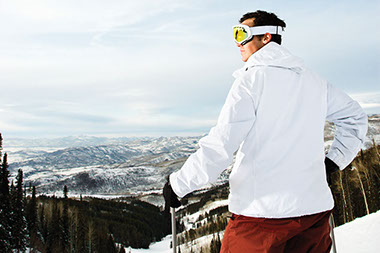
If you find yourself heading downhill on skis, but you’re swooshing down on your backside because of a fall, you’ll be glad you prepared for the inevitable spills.
According to the American College of Sports Medicine, falls account for up to 85% of skiing injuries. The majority of those injuries are sprains, broken bones, cuts, and dislocations-and now more knee injuries because mid-calf plastic ski boots are protecting ankles.
Thirty to 40% of ski injuries affect the knee area, most likely the MCL (medial collateral ligament). This trauma often occurs with slow twisting falls or when beginners maintain a snowplow position for lengthy periods and stress the ligament. If skiers catch an edge (when the lower leg is suddenly twisted away from the upper leg) or skis separate, the foot is forced away from the body, which causes a distraction force on the inside of the knee.
Another common knee injury is rupture of the anterior cruciate ligament (ACL), which can be caused by a backward fall as the lower leg moves forward. Catching an edge causes a sudden external rotation below the knee, which can cause the ACL to become sprained or snap (5 times more common in women skiers).
Your pre-conditioning program should include 4 elements: endurance, strength training, flexibility, and balance. Aerobic fitness is the key to preventing the end-of-the-day injuries. Cross training, which includes multiple sports and activities, will help with cardiovascular endurance, while strength and flexibility focusing on the legs is vital for injury prevention, says Scott M. Levin, MD, a board-certified orthopaedic surgeon and sports medicine specialist.
“Besides conditioning, skiers need to warm up and stretch before starting down the hill because cold muscles are more prone to injury,” notes Dr. Levin. Warm up with jumping jacks, running, or walking in place for a few minutes and then stretch your hamstrings, hip flexors, and quadriceps.

© American Institute for Preventive Medicine