Tag: insects

  • Quit Bugging Me

    WELL-BEING

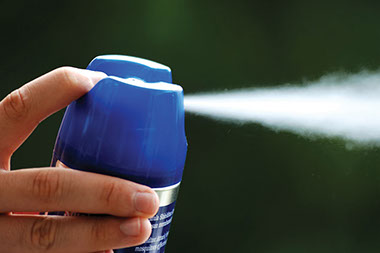
    Image of insect repellant.

    As you enjoy the great outdoors, you may not see a bear, but you might encounter biting and stinging critters such as ticks, mosquitoes, and other insects.

    Bring along your own make-at-home first aid kit that includes assorted bandages and basic medicines such as a 1 percent hydrocortisone anti-itch cream, suggests Dr. Janyce Sanford, an ER doctor at the University of Alabama at Birmingham.

    Use insect repellant with DEET. Include tweezers to remove ticks (the best way is to pull straight up in an easy motion). And if anyone is sensitive to bee or wasp stings, carry an epinephrine auto-injector (EpiPen) when camping or hiking.

    Find out who in your party knows CPR before you might need it. Carry emergency supplies of food and light, and make sure you practice common sense.

    © American Institute for Preventive Medicine

  • Ticked Off

    MEDICAL NEWS

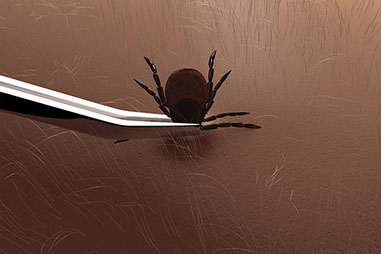
    Close up image of a tick being removed from a person's skin.

    Act fast to lower your risk for problems related to Lyme disease caused by tick bites, urges Time for Lyme, Inc.

    Have I been bitten? Lyme disease can only be transmitted from a bite by an infected deer tick, not from another person or animal, although pets commonly bring ticks into the home. All family members and pets should be inspected immediately and carefully after exposure to tick environments. You’ve been bitten if you find a tick attached to the skin. The longer it has been attached, the greater the risk of disease.

    How should I remove the tick? The proper way to remove a tick is with a set of fine-point tweezers. Do not attempt to burn the tick or use your fingers or soap or any other substance on it, as these may irritate the tick and cause it to inject bodily fluids into the wound.

    Using fine-point tweezers, grasp the tick as close to the skin surface as possible, near the head of the tick. Pull backward gently but firmly, using an even, steady pressure. Do not jerk or twist. Do not squeeze, crush, or puncture the body of the tick, as this may cause transmission of infection-causing organisms. If any mouth parts of the tick remain in the skin, leave them alone; they will come out naturally.

    If the tick is found crawling, a good way to remove it is by using a piece of tape: stick the tape to the tick and then suffocate it by sealing it into the tape. Otherwise, you can dispose of it in alcohol or flush it down the toilet. After removing the tick, wash your skin and hands thoroughly with soap and water.

    Monitor any bite site for redness that might mean a rash of Lyme disease. A bull’s-eye pattern might develop. Other typical symptoms that may develop within a few days of being bitten include headache, stiff neck, swollen glands, fatigue, dizziness, and pains that come and go.

    See your doctor if you have symptoms or concerns. Early Lyme disease is treated with antibiotics. For more information, go towww.LymeResearchAlliance.org.

    © American Institute for Preventive Medicine

  • Why Do Mosquitoes Always Bite Me?

    MEDICAL NEWS

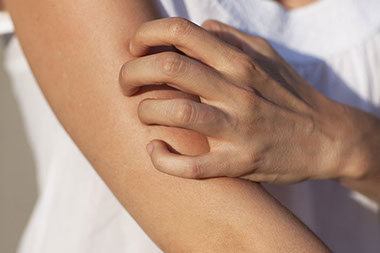
    Close up image of person itching arm.

    It has to do with how you smell, but scientists still don’t know why some breeds are attracted to different smells, said Jason Pitts, professor of biological sciences at Vanderbilt University.

    The source of the aromatic compounds that produce body odor are bacterial colonies that exist on human skin, particularly in dark, moist areas such as the armpits and between the toes. Pitts and his colleagues have discovered that mosquito antennae are filled with hundreds of tiny odor receptors, which are individually tuned to detect specific odors.

    Just as mosquitoes may love you, they may not love natural repellants such as clove oil, citronella, lemon grass, eucalyptus, castor oil, peppermint, lavender, and cedar oil. But almost all of these are less effective than the synthetic repellant DEET, and they need to be reapplied more frequently.

    Bet you didn’t know these pesky insects have a long-range system that allows them to track down potential prey from more than 100 yards away. The mosquitoes do so, in part, by sensing the carbon dioxide in human breath. When we exhale, our breath contains more carbon dioxide than the surrounding air, and mosquitoes can detect this difference-especially if you’ve had a beer or other alcoholic drink.

    To avoid mosquito bites, CDC gives the following advice:

    *  Use an insect repellant when you go outdoors. The FDA approves ones with DEET, picaridin. IR3535, and oil of lemon eucalyptus. Follow the product label’s directions.

    *  As much as possible, wear long sleeves, long pants, and socks. For extra protection, spray clothes, not your skin, with repellant that contains permethrin.

    *  Avoid outdoor activities from dusk to dawn or take extra care to use insect repellant and protective clothing during these times.

    *  Keep mosquitoes outside the house. Use screens on windows and doors or use air conditioning.

    *  On a regular basis, empty water that collects in outdoor buckets, flowerpots, pool covers and bird baths. Mosquitoes like stationary water.
    © American Institute for Preventive Medicine