Tag: instructions

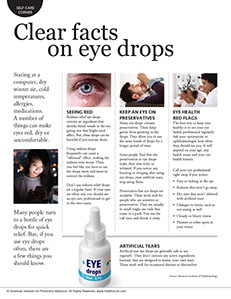
  • Clear Facts On Eye Drops

    SELF-CARE CORNER

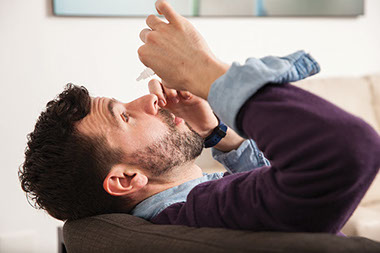
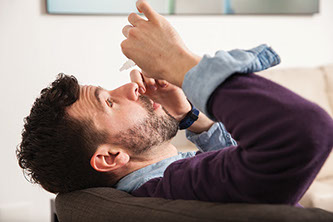
    Image of man placing eye drop in eye.

    Staring at a computer, dry winter air, cold temperatures, allergies, medications. A number of things can make eyes red, dry or uncomfortable.

    Many people turn to a bottle of eye drops for quick relief. But, if you use eye drops often, there are a few things you should know.

    Seeing red

    Redness relief eye drops contain an ingredient that shrinks blood vessels in the eye, giving you that bright-eyed effect. But, these drops can be harmful if you overuse them.

    Using redness drops frequently can cause a “rebound” effect, making the redness even worse. Then you feel like you have to use the drops more and more to control the redness.

    Don’t use redness relief drops on a regular basis. If your eyes are often red, you should see an eye care professional to get to the root cause.

    Artificial tears

    Artificial tear eye drops are generally safe to use regularly. They don’t contain any active ingredients. Instead, they are designed to mimic your own tears. These work well for occasional dryness or discomfort.

    Keep an eye on preservatives

    Many eye drops contain preservatives. These keep germs from growing in the drops. They allow you to use the same bottle of drops for a longer period of time.

    Some people find that the preservatives in eye drops make their eyes itchy or irritated. If you notice any burning or stinging after using eye drops, even artificial tears, stop using them.

    Preservative-free eye drops are available. These work well for people who are sensitive to preservatives. They are usually in small single-use vials that come in a pack. You use the vial once and throw it away.

    Eye health red flags

    The best way to keep eyes healthy is to see your eye health professional regularly. Ask your optometrist or ophthalmologist how often they should see you. It will depend on your age, any health issues and your eye health history.

    Call your eye professional right away if you notice:

    *  Pain or itching in the eye

    *  Redness that won’t go away

    *  Dry eyes that aren’t relieved with artificial tears

    *  Changes in vision, such as not seeing as well

    *  Cloudy or blurry vision

    *  Floaters or other spots in your vision

    Source: American Academy of Ophthalmology
    © American Institute for Preventive Medicine
  • 6 Things To Know Before Taking Any Medicines

    SELF-CARE CORNER

    Image of women reading medication information.

    The Centers for Disease Control and Prevention (CDC) says that adverse drug events (ADEs) are a serious public health problem. An ADE is when an injury occurs after taking medicine. With 82 percent of Americans taking at least one medication, ADEs could happen to almost anyone.

    ADEs can be serious, and even deadly. They may include:

    *  Side effects from a medicine

    *  Interactions with other medicines or supplements

    *  Allergic reactions to a medicine

    *  Overdoses

    *  Taking the wrong dose or type of medicine

    You can avoid ADEs with a few simple steps. Do these things today to keep yourself and loved ones safe:

    1.Be aware of any interactions before you take a medicine.Some medicines should not be taken with certain foods, such as grapefruit or grapefruit juice. Others can cause side effects if taken with certain herbs and supplements. Because of possible interactions, be sure your doctor knows everything you take, including natural supplements, vitamins and herbs. If you’re caring for an aging family member, keep track of all their medications and show the list to their doctors during appointments. If you see more than one doctor, make sure all your doctors know which medications you take.

    2.Keep them secure, out of reach from others.Something that’s safe for you to take could be dangerous – or even deadly – to a child or pet. Keep all medicines out of reach of kids and pets, preferably with child-proof packaging.

    3.Take only the dose you are prescribed.If you feel your medication isn’t working, talk to your doctor about options. Taking a higher dose than what’s prescribed or mixing it with other medications can lead to serious side effects or overdoses.

    4.Don’t share your medicines.It can be dangerous to give someone a prescription drug that wasn’t prescribed to them. Even over-the-counter medicines should be used with caution, especially if a person has health conditions or is taking other medicines.

    5.Keep medicines in their original bottles.Putting medicines in other containers could lead to someone accidentally taking the wrong medicine. It also makes it more difficult to keep track of what you’re taking.

    6.Dispose of expired or unneeded medicines correctly.Using a drug “take-back” program is a safe option. If you must throw them away, don’t flush them. Put them in the household trash with kitty litter or coffee grounds. For complete information on medicine disposal, visit the FDA website atwww.fda.gov.

    © American Institute for Preventive Medicine
  • How To Put In Eyedrops

    SELF-CARE CORNER

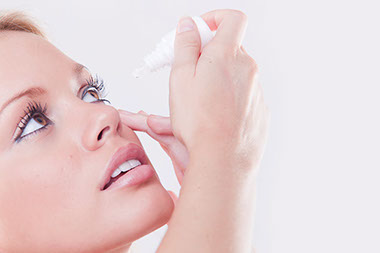
    Image of young women putting eyedrops into eye.

    *  Wash your hands with soap and water.

    *  Shake the eyedrop container gently. Make sure the prescription is for you. Check to see how many drops you are to put in and when.

    *  Remove the cap. Set it aside. Do not touch the dropper tip with your hand.

    *  Tilt your head back. With both eyes open, look at a point on the ceiling.

    *  Pull your lower lid down gently to form a pocket for the drop. Position the tip of the bottle less than an inch above your lower lid.

    *  Squeeze the bottle lightly to allow the drop to fall into the pocket.

    *  Close your eyes without squeezing them. Keep eyes closed for 30 seconds. Gently blot with a clean tissue.

    *  Replace the cap on the eyedrop bottle.

    *  Keep eyedrops out of sunlight.

    Other tips:

    *  Do not wear contact lenses while using eyedrops or ointments.

    *  If you have eyedrops and eye ointment, put in the eyedrops before the ointment.

    *  You may find this easier to do in front of a mirror or lying flat on your back.

    *  Check the bottle’s expiration date. Throw it away if outdated.

    Source: National Institutes of Health

    © American Institute for Preventive Medicine