When we are active, our heart and muscles increase the circulation of blood throughout the body. The more we get our heart pumping, the more efficient the body becomes at using oxygen.
Zone minutes refer to the amount of time spent in any activity that gets the heart rate elevated into a range that promotes health. We all need a certain amount of time in the “zone” to keep our heart, muscles, lungs, and brain in peak condition.
Getting at least 30 zone minutes a day, or 150 a week, is the recommended minimum for good health.
The heart-rate zone
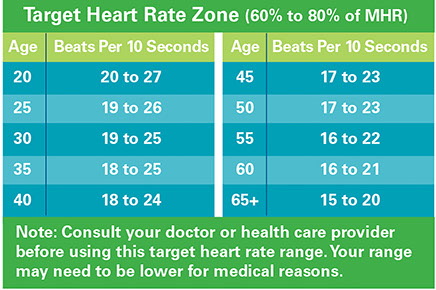
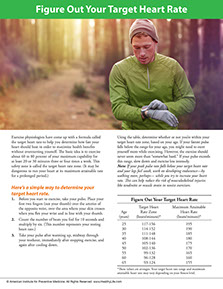
Your recommended heart-rate zone depends on your age and physical condition. The simplest way to find your zone is to calculate 220 minus your age. This tells you your maximum recommended heart rate in beats per minute (BPM).
In general, you earn zone minutes for activities that get you to 50-85% of your maximum heart rate.
For example: A fifty-year-old in good health has a maximum heart rate of 170. When engaged in moderate to vigorous activity, their heart rate should be in the zone of 85-145 BPM.
Activities to get in the zone
To reach 150 zone minutes per week, make time for activities that get your heart pumping. Remember your zone minutes require moderate to vigorous exertion. Here are some great options:
* A moderately paced walk
* Playing a sport
* Biking
* Swimming
* Dancing
* Weight training
If you’re new to being active, check with your doctor before you start. In the beginning, stick with moderate activity and don’t overexert yourself. As your body becomes more efficient, you will likely feel more comfortable in your target heart rate zone.
Tracking your zone minutes
There are many options for tracking how many zone minutes you accumulate each day. Choose the option that works best for you.
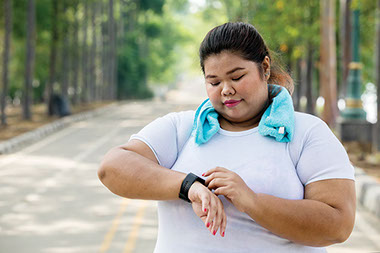
* Use a smartwatch to track your heart rate and minutes in the zone.
* Wear a heart rate monitor when you exercise to make sure you get in your ideal range.
* Do the talk test when being active: if you can talk and sing easily, you’re at a low intensity; if you can talk but not sing, you’re at moderate intensity, and if you cannot comfortably talk or sing, you’re at high intensity.