SELF-CARE CORNER
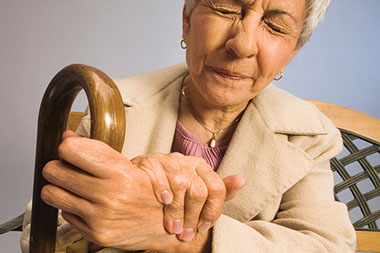
Gout is a type of arthritis. It can develop if a person has high levels of a substance called uric acid in their blood. Uric acid can form sharp crystals in the joints. This can cause severe pain, redness, warmth and swelling. Gout often affects the big toe, but it can affect other joints.
Sometimes gout doesn’t cause any pain for a while. Then, a person may get severe pain in the affected joint. This is called a gout attack. When a gout attack happens, uric acid levels go up or the crystals in the joint cause irritation. A gout attack is very painful.
In addition to pain, gout can cause heart problems. People who have gout may be more likely to have heart failure, a heart attack or stroke. Eating certain foods can help keep uric acid levels low. This can help a person prevent gout attacks.
What to eat with gout
If you have gout, you may want to eat more of the following foods:
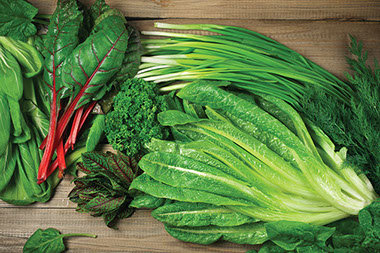
* Leafy green vegetables
* Other green vegetables like green beans and peas
* Legumes like beans and lentils
* Tofu
* Low-fat or fat-free milk and dairy products
* Whole grain breads and cereals
* Vegetable oils like olive oil
* Coffee (if you already drink it)
* Citrus fruits like grapefruit and oranges
* Pineapple
* Strawberries
* Cherries
In addition, drink at least eight glasses of water a day.
Skip these foods & drinks
Certain foods and beverages can trigger gout attacks. Avoid the following:
* Beer (alcoholic and non-alcoholic)
* Alcoholic drinks
* Soda, fruit juice, and foods with high-fructose corn syrup
* Organ meats like liver and sweetbreads
* Cold water fish like tuna, salmon and trout
* Shellfish like mussels, scallops, squid, shrimp, oysters, crab and lobster
Eating a healthy diet is a great way to manage gout and help avoid attacks. It also helps to get regular exercise. Be sure to see your doctor as recommended. Your doctor may prescribe gout medication if needed and will discuss your heart disease risk.
Sources: American Heart Association, Arthritis Foundation
© American Institute for Preventive Medicine