MEDICAL NEWS
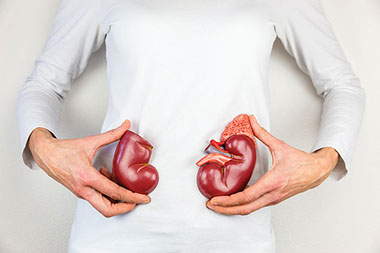
Did you know that your kidneys are responsible for many important body functions? Kidneys are designed to:
* Keep the body’s fluid levels in check
* Remove extra fluid and waste from the blood, which exits the body as urine
* Activate vitamin D for healthy bones
* Balance minerals in the blood
* Direct the making of red blood cells
* Make a hormone that keeps blood pressure within a normal range
Kidney disease: a hidden danger
Chronic kidney disease, sometimes called CKD, can interfere with the kidneys’ important jobs. It can lead to heart attack, stroke, weak bones, anemia and other life-threatening problems.
One of the problems with CKD is many people don’t find out that they have it until the later stages. Then, there could be more severe kidney damage and complications. About 1 in 7 people have some form of CKD.
But there is good news. Getting treated early means kidney damage can be slowed or even stopped. That’s why it’s important to see your doctor and get kidney tests if needed.
Know your risk
If you have one of the following conditions, it means you may have a higher chance of getting CKD. Talk with your doctor about your kidney health if you have diabetes, heart disease, high blood pressure, or a family history of kidney problems.
Tests are best
If you have one of the risk factors listed below, your doctor may want to perform one or more of these tests:
* Blood pressure check: High blood pressure can damage the blood vessels in the kidneys.
* Protein in urine test: If a person’s urine contains a certain type of protein, it may be an early sign of CKD.
* Creatinine in blood test: If the kidneys aren’t working well, they can’t take a waste product called creatinine out of the blood.
* Glomerular filtration rate (GFR) test: This measures creatinine levels and calculates other CKD risk factors too.
What to do
If you find out you have CKD, your doctor may recommend:
* Lowering high blood pressure
* Keeping blood sugar under control if you have diabetes
* Eating less sodium (salt)
* Not taking NSAID pain relievers like ibuprofen and naproxen
* Eating only a moderate amount of protein
* Getting a flu shot each year
Even if your kidneys are healthy, you can help keep them that way by:
* Not smoking or getting help to quit
* Working toward a healthy weight
* Getting blood pressure and cholesterol checked regularly
* Annual blood sugar testing
* Eating plenty of fruits and vegetables
* Seeing your doctor as recommended
* Knowing your family medical history
Sources: Centers for Disease Control and Prevention, National Kidney Foundation
© American Institute for Preventive Medicine