Tag: kids

  • Piggy Bank Smarts

    FINANCIAL HEALTH

    Image of hand placing a dollar bill into a piggy bank.

    Smart money management begins at home. Washington University researcher Michal Grinstein-Weiss found that teaching kids about money in childhood helps them better manage their mortgage loans as adults. The study was in Social Work Research.

    The professor offers 5 ways parents can teach their kids financial literacy:

    1. Discuss and explain basic finances around the dinner table, especially the difference between needs and wants.

    2. Teach kids how to save and set short-term goals (a new toy) and long-term goals (college). Kids will follow by example if they see you saving for something such as a family vacation.

    3. Open a savings account for your child as early as possible. Even if you bank online, visit the bank with your child to make a deposit because actions reinforce behaviors. Review monthly statements together.

    4. Teach kids budgeting and money-management skills. Help your child figure out how much money to save for how long to reach a goal amount.

    5. Get kids involved in daily activities and decisions about spending. Take them grocery shopping and have them compare prices of different brands. Count out the cash during a sale.

    © American Institute for Preventive Medicine

  • Top 10 Fruit Snacks For Kids

    HEALTHY EATING

    Image of child eating yogurt with strawberries and blue berries.

    Forget cookies. Fruit is now the number-one snack item parents give to children under the age of 6. That’s because leading researchers believe that parents are taking childhood nutrition more seriously.

    The Produce for Better Health Foundation suggests these top 10 fruit snacks for kids:

    *  Popsicles (freeze fruit juice to make your own)

    *  Fruit sandwiches (slices of apples or pears and low-fat cheese)

    *  Peanut butter and fresh fruit

    *  Fresh fruit dipped in low-fat yogurt

    *  Fruit smoothies

    *  Canned fruit or single-serve fruit cups

    *  Applesauce as a dip for fresh fruit slices

    *  Dried fruit packs such as raisins

    *  Fresh fruit dipped in poppyseed dressing

    *  Frozen fruit chunks such as bananas and grapes

    © American Institute for Preventive Medicine

  • Wired And Dangerous

    FAMILY LIFE

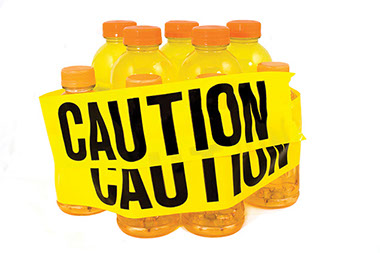
    Image of sport drinks with yellow "Caution" tape wrapped around the bottles.

    Parents beware. If your tots and teens get their hands on your energy drinks, they could experience seizures, heart palpitations, or other problems that drive them to the hospital ER.

    Children most at risk appear to be those who regularly consume the increasingly popular caffeine-laden energy drinks or gulp down a relatively large amount of the liquid in a short span, according to Rutgers University’s poison control experts.

    “These drinks are made for adults. When young children drink them, they consume a large quantity of caffeine for their body mass. At the minimum, they become wired-just as an adult would-and it might be difficult for parents to console them or calm them down,” said Bruce Ruck, director of drug information and professional education for the New Jersey Poison Information & Education System at Rutgers.

    “Children also might have trouble falling asleep or experience tremors, anxiety, agitation, heart palpitations, nausea or vomiting. Of more concern, they may experience a rapid heart rate or seizures,” he said.

    Ruck also said that, in addition to large amounts of caffeine, most energy drinks contain sweeteners, vitamins, and maybe herbal products, some of which may hold hidden risks for certain people.

    *  Don’t let kids be lured by the “rock star” graphics  on the cans that look like soda pop.

    *  Store drinks on a high shelf, away from the view  of kids.

    *  Monitor and limit your teens’ exposure to these drinks. Mixing them with alcohol or a rigorous workout can cause death.

    *  The journal Clinical Toxicology has reported that children under age 6 who consumed caffeine-infused energy drinks accounted for more than half of the energy drink-related poisonings involving children. The American Medical Association is calling for a ban on marketing energy drinks to children under 18.

    © American Institute for Preventive Medicine